when is olaf’s birthday from frozen: The date explained
The date most commonly listed for Olaf’s birthday is July 26, but the Frozen movies do not state that date on screen. So, if you’re asking when is olaf’s birthday from frozen, July 26 is the usual answer—with an important distinction between a commonly shared character date and a date confirmed in the story.
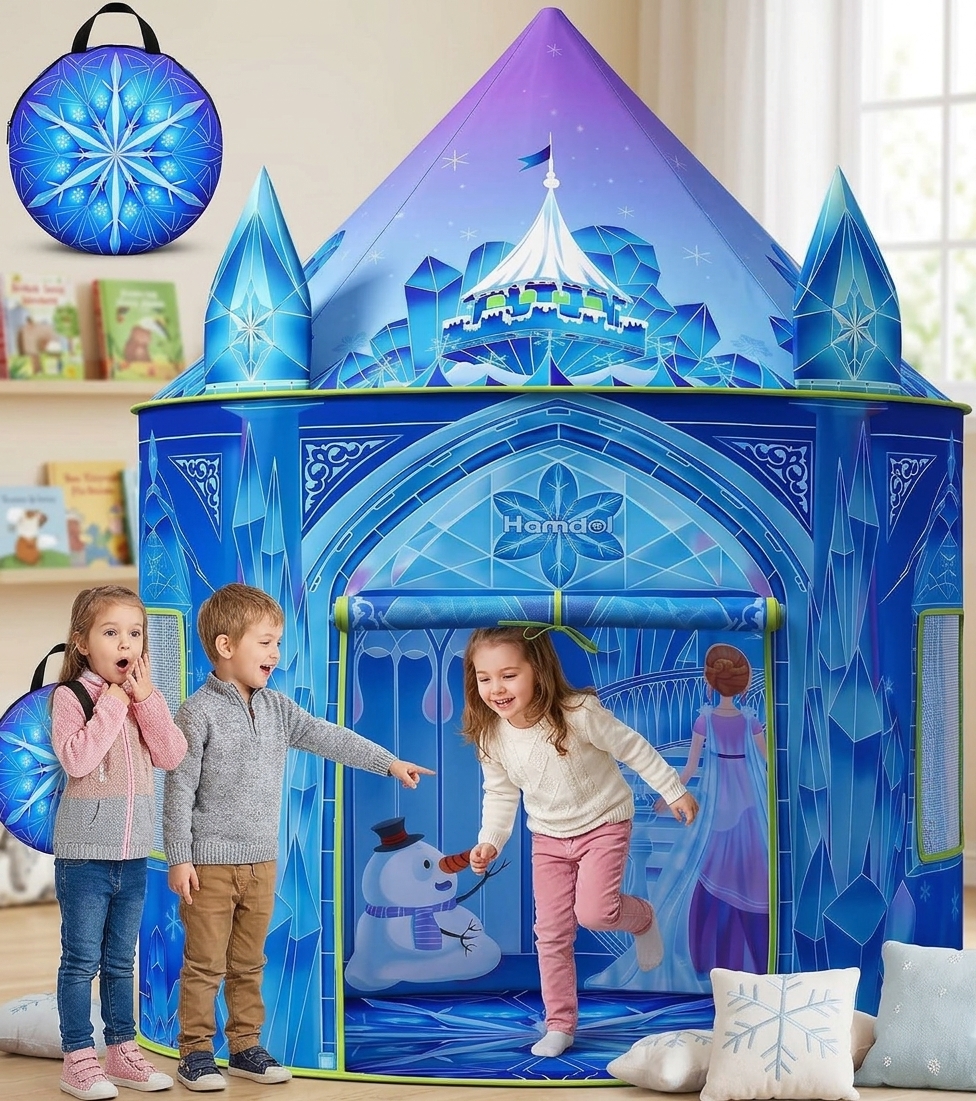
Princess Play Tent for Girls, Frozen Toy, Ice Castle Kids Playhouse for Indoor & Outdoor
Check Price on Amazon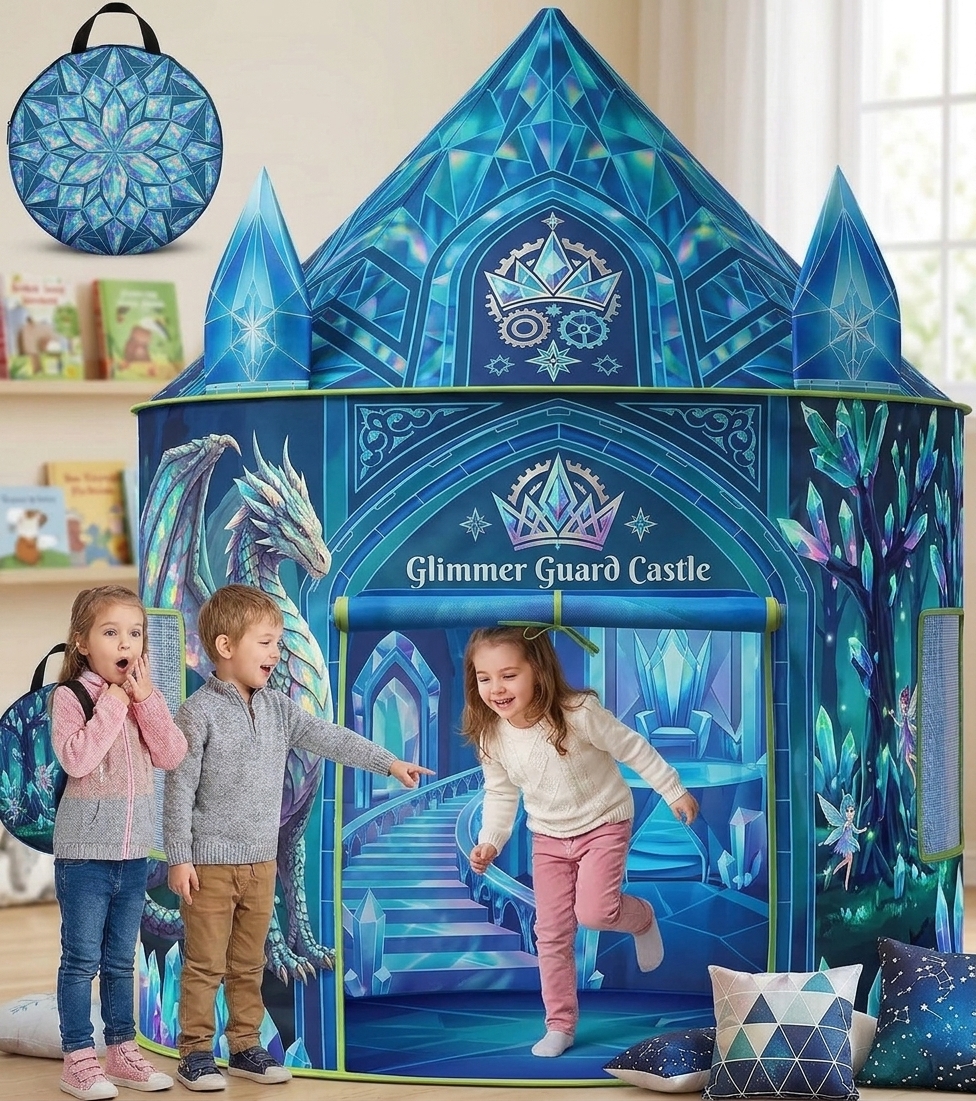
Princess Pop Up Play Tent, Frozen Toys for Girls
Check Price on Amazon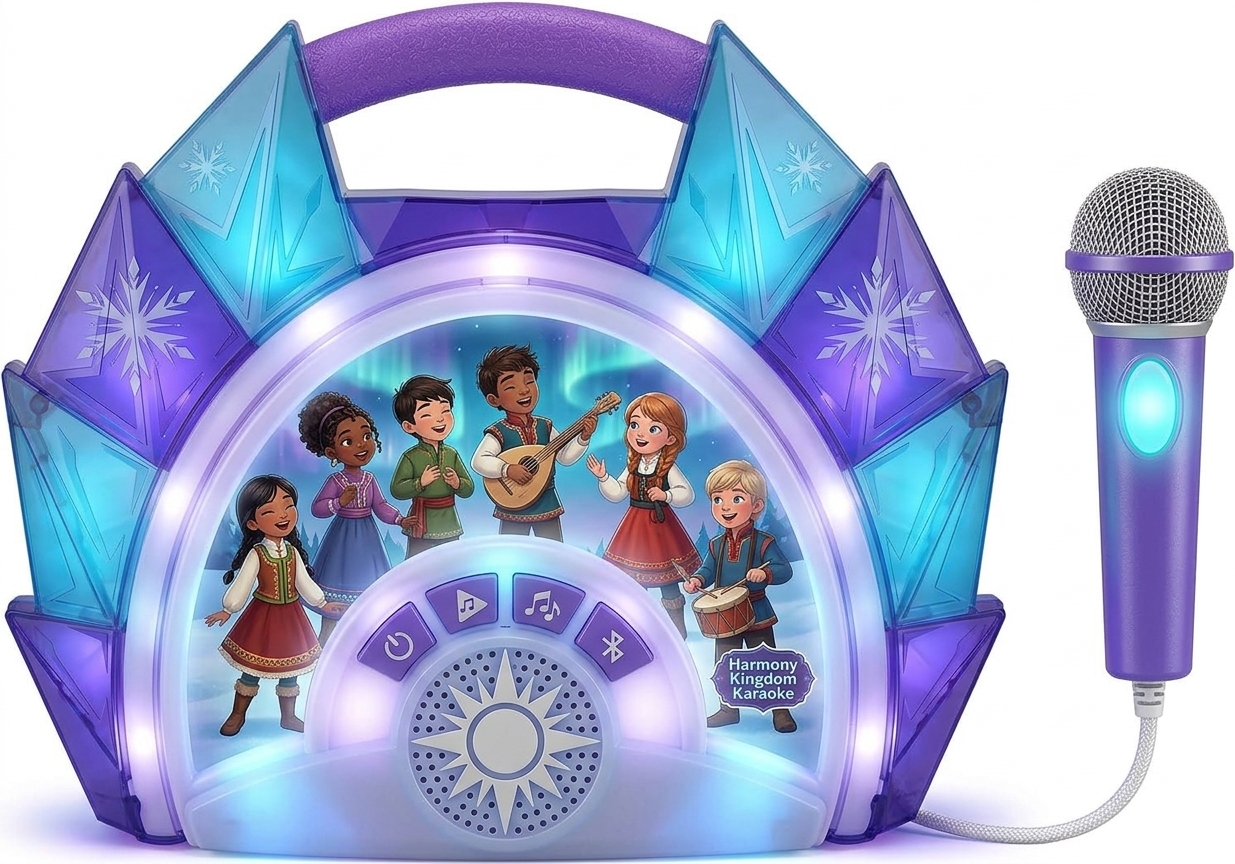
eKids Disney Frozen Karaoke Microphone with Bluetooth Speaker for Fans of Disney Toys
Check Price on AmazonFrozen Toys,Night Light Projector With 19 Films+15 Music,Girl Gifts For 2-6
Check Price on AmazonHere’s what the films actually show, why Olaf’s creation can make the question confusing, and how his birthday differs from Elsa’s. You’ll also find a quick guide to which details are supported by the movies and which are best treated as unofficial or unconfirmed.
When is olaf’s birthday from frozen?
Olaf’s birthday is commonly given as July 26. However, that date is not announced in dialogue or shown on a calendar in the released Frozen films and shorts. It’s best to treat July 26 as a widely circulated character birthday, rather than a date the movies establish as part of the story.
This distinction matters if you’re looking for a firm canon answer. A date repeated on fan calendars or character birthday lists can be useful for a celebration, but repetition alone does not prove that a date comes from the films or an official Disney announcement. The movie-based answer is that Olaf’s exact birthday is not specified on screen.
If you want to celebrate anyway, July 26 is a reasonable date to use. Just describe it as the commonly listed date, not as a birthday stated in a particular scene. That gives you a clear answer without claiming more than the films show.
| Question | Best-supported answer | What it means |
|---|---|---|
| What date is commonly listed? | July 26 | A popular date for birthday posts and celebrations. |
| Do the films name this date? | No date is stated on screen | The movies do not confirm July 26 in dialogue or through a visible calendar. |
| When is Olaf created in the story? | During Elsa’s “Let It Go” sequence | The scene shows his creation, but gives no calendar date. |
| Is Olaf’s birthday the same as Elsa’s? | No | Frozen Fever centers on Elsa’s birthday, not a shared birthday for both characters. |
What the movies tell us about Olaf’s creation
In the first Frozen movie, Elsa creates Olaf with her magic while she sings “Let It Go.” He first appears as a small snowman in the mountain sequence. Later, Elsa’s magic brings him to life as a talking character, and he meets Anna and Kristoff during their journey.
The sequence gives viewers a clear origin story, but not a date. The film does not identify the day, month, or year when the events occur. It also does not say that Olaf celebrates the anniversary of his creation. That leaves room for viewers to think of his birthday as the day he was made, while the story itself avoids assigning it a calendar date.
There is another small wrinkle: Olaf appears in a childlike snowman form during the sisters’ earlier childhood. That image belongs to a memory from before Elsa’s coronation and the main journey. The film connects the childhood snowman to the character Elsa later makes, but it does not provide a precise date for either event. As a result, the scenes do not let viewers calculate an exact birthday from the plot.
Creation and birthday are not automatically the same thing. In a fantasy story, a character can be created on a particular day, but that day only becomes a stated birthday if the story or an authoritative character source identifies it that way. Olaf’s creation scene supplies the first part of the idea, not a confirmed calendar date.
Why July 26 is easy to mix up with Elsa’s birthday
The most direct birthday celebration in the Frozen shorts belongs to Elsa. In Frozen Fever, Anna and Kristoff plan a surprise celebration for her, and Elsa’s cold causes trouble as she tries to take part. Olaf appears in the short, but the party is for Elsa.
That can lead to confusion in birthday lists, social posts, and searches. A reader may see Olaf featured in a birthday scene and assume the celebration is his. The story makes the distinction clear: Olaf helps with Elsa’s celebration; he is not the guest of honor. His presence in the short does not establish that he shares her birthday.
Olaf’s Frozen Adventure also follows Olaf as he looks for holiday traditions for Anna and Elsa. It is a seasonal story, not a birthday announcement for Olaf. Likewise, Frozen II expands the characters’ story but does not give Olaf a birthday date. None of these appearances supplies the missing on-screen confirmation for July 26.
| Film or short | Birthday connection | Does it confirm Olaf’s date? |
|---|---|---|
| Frozen | Shows Elsa creating Olaf during “Let It Go.” | No. The scene gives no calendar date. |
| Frozen Fever | Centers on a surprise birthday celebration for Elsa. | No. Olaf is present, but the party is for Elsa. |
| Olaf’s Frozen Adventure | Follows Olaf as he searches for holiday traditions. | No. It is not presented as Olaf’s birthday story. |
| Frozen II | Continues the main characters’ story. | No. It does not state Olaf’s birthday. |
Is July 26 an official Disney date?
The safest answer is that July 26 is a date commonly associated with Olaf, but it is not confirmed in the films. Unless a reliable, direct Disney source clearly identifies the date, avoid describing it as a date established by the movie or as a definite on-screen fact.
Online lists do not always explain where a character birthday came from. Some may repeat a date from another list without showing an original source. Others may use birthdays as fan celebration dates, rather than dates backed by story dialogue or published character material. Those lists can still be handy, but their wording should be read carefully.
When you want to check a specific claim, look for the source behind it rather than counting how many pages repeat it. A scene, a published Disney character profile, or a direct Disney announcement would offer stronger support than an unsourced birthday graphic. If a page simply states a date without explaining its basis, the date may be popular without being verified.
This is a useful habit for fictional-character birthdays generally. Search results often combine movie facts, promotional material, fan traditions, and guesses in one list. Keeping those categories separate helps you share a date accurately and prevents an unofficial calendar entry from being mistaken for part of the story.

Disney Frozen Kids' Bezel Stainless Steel Time Teacher Analog Nylon Strap Watch
Check Price on AmazonHow to celebrate Olaf’s birthday
If July 26 works for your plans, you can celebrate Olaf without needing the date to be part of the movie’s canon. A snowman-themed activity, a rewatch, or a simple birthday message can make the occasion fun. If you’re posting online, a small wording change keeps the claim precise: say that July 26 is the commonly listed date, rather than saying the film confirms it.
For a family celebration, build the activity around details that are actually part of Olaf’s character. He loves warm hugs, enjoys the company of Anna and Elsa, and is fascinated by summer despite being made of snow. Those traits make for easy decorations, themed snacks, and jokes without requiring a detailed timeline.
- Choose your date. Use July 26 if you want to follow the common listing, or choose another day that suits your family.
- Pick a movie moment. Watch the original film’s creation scene, or choose a short featuring Olaf.
- Use a snowman theme. Decorate with snowflakes, carrot noses, and paper buttons, or make a snowman craft from safe household materials.
- Label the date accurately. If you share a birthday post, call July 26 a commonly listed celebration date rather than an on-screen confirmed date.
If young children ask why the movie doesn’t show a birthday party, keep the answer simple: the films show how Elsa makes Olaf, but they never tell viewers the exact day. You can still pick a day to celebrate him. That explanation is honest and leaves room for imagination.
Common misunderstandings about Olaf’s birthday
“The birthday in Frozen Fever belongs to Olaf”
It belongs to Elsa. The short’s plot follows Anna and Kristoff as they arrange Elsa’s birthday celebration. Olaf joins the events, but being part of a party does not make it his birthday. This is the most common mix-up because Olaf is a memorable part of the short.
“The day Elsa creates Olaf must be July 26”
The film never connects the creation scene to July 26. It also does not show a date card or give enough calendar information to work one out. The creation scene explains how Olaf comes to life in the story, but it does not establish the date often used in birthday lists.
“A date on many websites is automatically official”
Not necessarily. Multiple pages may share the same claim because they copied one another, not because each checked a primary source. Look for a clear source and precise wording. “Commonly listed” is more careful than “confirmed by the movie” when the movie does not state the date.
“Olaf and Elsa must have the same birthday because Elsa made him”
The film does not say that. It shows Elsa creating Olaf during the events around her escape from Arendelle, but it does not give the date of that scene or link it to Elsa’s birthday. A creator and a created character do not automatically share a birthday in a story.
A quick answer you can share
If someone asks for Olaf’s birthday, you can say: “July 26 is the date commonly listed for Olaf, but the Frozen movies don’t specify his birthday.” That gives the familiar date first and the important qualification right after it.
If the question is specifically about what happens in the movies, say that Olaf’s exact birthday is unknown. The first film shows Elsa creating him, while Frozen Fever celebrates Elsa. Neither story identifies July 26 as Olaf’s birthday.
That distinction is useful for quizzes and trivia, too. If a quiz asks for the date commonly associated with Olaf, July 26 is likely the expected response. If it asks whether the movies state his birthday, the accurate answer is no. The wording of the question determines which answer is most precise.
For a birthday card or themed party, you do not need to settle the canon question before having fun. Use July 26 if you want to follow the popular date, and enjoy the character’s warmth, humor, and love of hugs. Just keep the source distinction in mind when presenting the date as a fact.
July 26 is the date commonly listed for Olaf’s birthday, but the Frozen films do not confirm it on screen. They show Elsa creating Olaf and feature Elsa’s birthday celebration, but they never give Olaf a specific calendar date.
If you’re planning a celebration, July 26 is an easy date to use. When sharing it as trivia, call it the commonly listed date—not a birthday stated in the movies.