which disney frozen character are you: find your match
To find which disney frozen character are you, match your choices and personality to the characters’ familiar strengths: Elsa’s independence, Anna’s optimism, Olaf’s warmth, Kristoff’s practicality, or another character’s traits. A short quiz can point you toward a useful match, but it is a playful reflection, not an official Disney result.
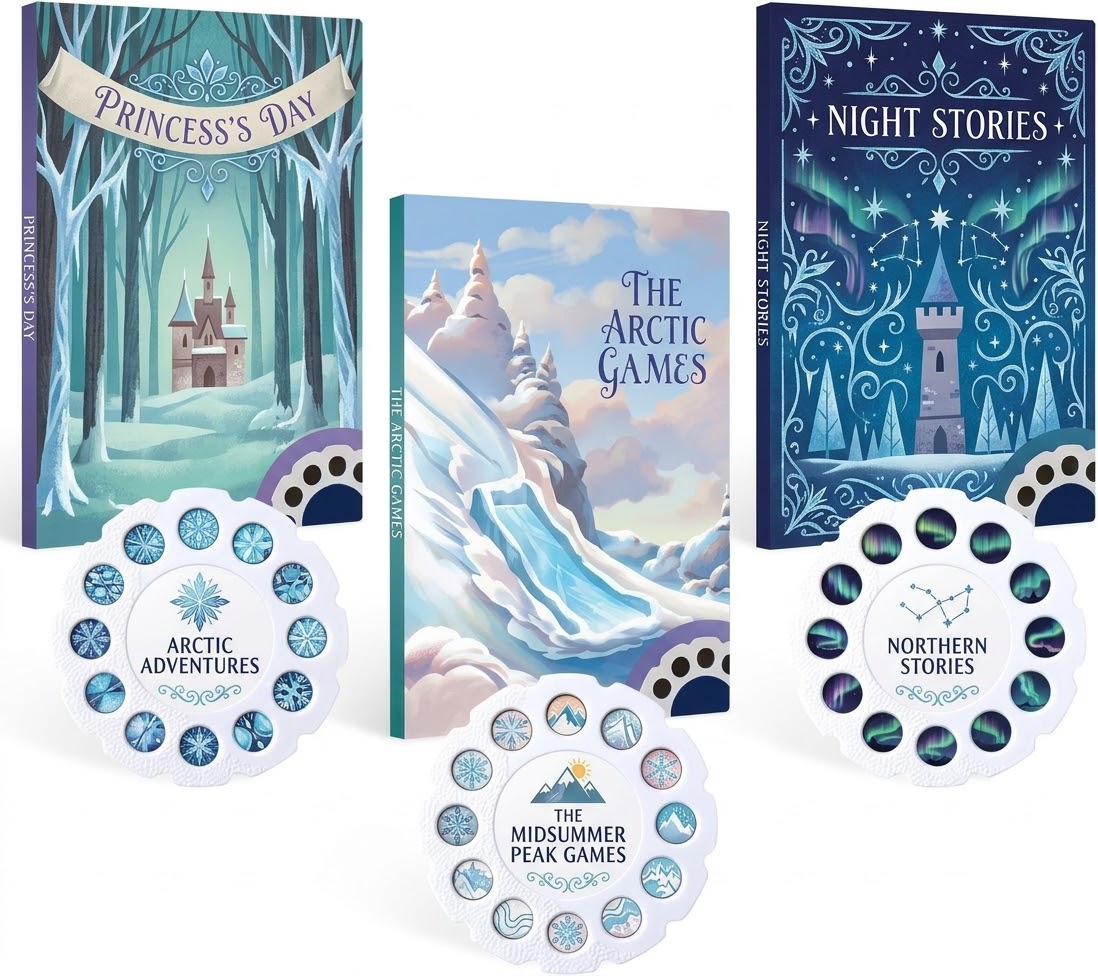
Moonlite Disney Frozen 3-Story Bundle (Projector Sold
Check Price on AmazonAnswer the questions honestly, then use the scoring guide to see which character fits best. You’ll also find descriptions of each result, advice for close ties, and a way to interpret your match without treating one trait as your whole personality.
How to find which disney frozen character are you
Start by noticing how you tend to respond to everyday situations. Do you lead with care for other people, keep your feelings private, solve problems with practical steps, or make room for humor? Those habits offer a better clue than simply choosing the character you like most.
The quiz below is a personality-based fan activity, not an official Disney test. It uses recognizable traits from the films to suggest a character match. Your result is a prompt for reflection, not a diagnosis or a complete description of who you are.
Take this quick Frozen character quiz
For each question, choose the answer that sounds most like your usual response. Pick what you would actually do, not what seems most impressive. Keep track of the letter beside each answer.
- A friend is having a difficult day. What do you do first?
A. Give them space, then offer help when they are ready.
B. Show up right away and try to make them feel less alone.
C. Find a kind or funny way to lift their mood.
D. Ask what practical help would make the day easier.
E. Stay close and offer steady support without making a fuss. - A plan suddenly goes wrong. What is your first instinct?
A. Pause, think through the consequences, and choose a controlled response.
B. Act quickly and adjust as new information comes in.
C. Look for a hopeful angle and keep the group’s spirits up.
D. Check the facts and work out the next useful step.
E. Keep your head down, stay dependable, and help the people beside you. - Which strength feels most natural?
A. Staying composed under pressure.
B. Caring deeply and making a bold effort.
C. Finding warmth and humor in ordinary moments.
D. Being resourceful and direct.
E. Offering loyalty through actions rather than speeches. - What kind of challenge would you rather take on?
A. A personal challenge that calls for patience and self-control.
B. A difficult journey that could help someone you love.
C. A problem that needs a fresh perspective and a little cheer.
D. A hands-on task with clear, practical steps.
E. A challenge where teamwork and trust matter most. - How do you usually handle strong feelings?
A. Keep them private until you understand them.
B. Express them openly, especially with people you trust.
C. Let them show, often with a gentle joke or sincere comment.
D. Focus on what needs doing before talking about feelings.
E. Show care through quiet, consistent behavior. - What makes a group work well?
A. Clear boundaries and room for each person to make choices.
B. Openness, affection, and the willingness to keep trying.
C. Kindness, encouragement, and shared laughter.
D. Honest communication and practical cooperation.
E. Loyalty, patience, and respect for different strengths. - Choose the compliment that would mean the most to you.
A. “You know how to stay true to yourself.”
B. “You make people feel cared for.”
C. “You bring lightness to hard moments.”
D. “You can be counted on to figure things out.”
E. “You are loyal when it matters.” - When you enter a new situation, you tend to…
A. Observe first and decide how much to share.
B. Reach out and get to know people quickly.
C. Find a friendly way to make everyone comfortable.
D. Look around for what needs attention.
E. Stay near familiar people while you get settled.
Score your answers
Count how many times you chose each letter. Your most frequent answer is your leading match: A for Elsa, B for Anna, C for Olaf, D for Kristoff, and E for Sven. If two letters tie, read both results and consider which description fits your behavior in more situations.
There is no need to force a single winner. People can share traits with several characters, and the answers may change depending on the setting. A person can be reserved at work, expressive with close friends, and practical during a crisis.
Frozen character matches at a glance
Use this table as a quick guide before reading the fuller descriptions. Each character represents a different cluster of habits, not a fixed personality type.
| Character | Typical strengths | Possible growth edge | Best fit if you… |
|---|---|---|---|
| Elsa | Independent, reflective, self-controlled | Can withdraw or carry pressure alone | Need space to think and value personal responsibility |
| Anna | Warm, brave, persistent | Can rush ahead or overextend herself | Lead with connection and keep trying after setbacks |
| Olaf | Optimistic, curious, affectionate | Can overlook complications while focusing on hope | Use humor and kindness to bring people together |
| Kristoff | Practical, candid, dependable | Can seem guarded or blunt | Prefer useful action and honest communication |
| Sven | Loyal, steady, supportive | May communicate needs less directly | Show care through presence and dependable support |
| Honeymaren | Open-minded, calm, thoughtful | May take time to state a firm preference | Listen carefully and respect different perspectives |
| Bruni | Curious, responsive, spirited | Can react quickly to unfamiliar situations | Explore new things once you feel safe and understood |
What each result says about your personality
Elsa: independent and thoughtful
An Elsa match suggests you value self-direction and think carefully before acting. You may need quiet time to sort through complicated feelings, especially when others expect an immediate answer. Your independence can help you stay focused and make considered choices.
That same strength can become a strain if you assume you must handle every problem alone. Elsa’s story includes learning that care and connection do not erase individuality. If this result fits, practice asking for support before stress builds. You can keep your boundaries while letting trusted people know what would help.
This match does not mean you are cold or distant. Being reserved can simply mean you process privately. Pay attention to whether your silence gives you useful breathing room or prevents people from understanding what you need.
Anna: caring and persistent
An Anna match points to a person who values closeness and is willing to make an effort for people they love. You may act with courage even when you feel uncertain. Your persistence can help you move through setbacks instead of waiting for perfect conditions.
Warmth and determination are valuable, but they can lead to overcommitting. Before you promise help, check your time and energy. A clear, realistic offer is more useful than saying yes to everything and becoming exhausted.
Anna’s optimism is active rather than passive: she keeps trying, adapts, and looks for ways forward. If this sounds like you, remember that patience and listening can be just as brave as taking immediate action.
Olaf: cheerful and emotionally generous
An Olaf match suggests you bring friendliness, curiosity, and humor into your relationships. You may be good at noticing when a group needs encouragement. A lighthearted comment can make it easier for people to reconnect, especially after a tense moment.
Optimism works best when it leaves room for other people’s real feelings. A joke can comfort someone who welcomes humor, but it may feel dismissive if they need to be heard first. Ask what kind of support they want, then respond to that.
Olaf’s appeal is not simply that he is cheerful. He is also sincere, affectionate, and interested in the world around him. If this is your match, your curiosity and kindness may matter as much as your sense of fun.
Kristoff: practical and straightforward
A Kristoff match points to someone who values useful action and plain speaking. You may prefer to solve the immediate problem before discussing it at length. Others can rely on you to notice practical needs and help without needing a lot of attention.
Direct communication can save time, but tone still matters. A factual answer may sound harsher than you intend when someone is upset. Try pairing honesty with a brief sign of care, such as asking what the person needs or acknowledging why the issue matters to them.
Being practical does not mean lacking emotion. Kristoff’s story shows that people can be guarded and still form deep connections. If this result feels right, consider whether you let trusted people see the supportive side that you often show through actions.
Sven: loyal and steady
A Sven match reflects dependable support and strong loyalty. You may be the person who stays present when plans become difficult. Rather than seeking the spotlight, you show your care through patience, reliability, and small acts that make a difference.
Quiet support is meaningful, though people may not always know what you are thinking. If you need something, say it clearly instead of hoping others will notice. Good relationships make room for your needs as well as your generosity.
Sven is an animal companion, so this comparison is about recognizable qualities in the story, not a claim that every person shares the same behavior. The match is useful if steadiness and loyalty feel like central parts of how you treat others.
Honeymaren: open-minded and considerate
If you identify with Honeymaren, you may listen before deciding and feel comfortable learning from people whose experiences differ from yours. You value thoughtful conversation and may help others see a situation from a new angle.
Being open-minded does not require agreeing with everyone. You can respect another person’s perspective while holding your own boundaries. If you tend to avoid disagreement, practice stating your view calmly and specifically.
Bruni: curious and responsive
A Bruni match may fit if you are curious, expressive, and quick to respond to what is happening around you. New experiences can be exciting when you feel secure, though uncertainty may make you cautious at first.
Give yourself time to adjust instead of judging your first reaction. Curiosity and caution can work together: take one manageable step, notice how it feels, and decide what to do next.
What to do if your quiz result is a tie
A tie is common because the characters’ strengths overlap. Anna and Elsa both show courage, but Anna often moves toward connection while Elsa may first seek space and control. Olaf and Anna can both be warm, while Olaf often uses humor and Anna tends to show care through determined action.
To break a tie, think about your behavior when you are tired or under pressure. People often choose their most familiar coping style in those moments. Ask yourself which character’s approach resembles your first instinct, not just the one you admire most.
- Compare situations: You may be more like one character with family and another at work.
- Look at your actions: Consider what you consistently do, not only what you hope you would do.
- Notice your growth edge: A result can feel accurate because it highlights a habit you are working on.
- Allow a mixed result: A blend can describe you better than a single label.
For a more thoughtful result, ask someone who knows you well which two traits they notice most. Their answer can add perspective, but it should not overrule your own view. The point is reflection, not getting graded by a quiz.
Common misconceptions about Frozen character quizzes
Your favorite character is not automatically your match
It is easy to choose the character you admire or enjoy watching. That answer can reveal what you value, but it does not always describe your usual habits. If you want a personality match, answer based on your typical choices rather than your favorite scene or outfit.
One trait does not tell the whole story
A single response cannot define a person. Someone who likes time alone is not automatically Elsa, and someone who makes jokes is not automatically Olaf. Look for a pattern across several questions and situations.
Characters change and show more than one side
These characters are written with growth, relationships, and changing circumstances. Elsa is not only reserved, Anna is not only impulsive, and Kristoff is not only practical. Treat the result as a starting point for noticing strengths and habits, not a narrow label.
The result is for fun, not a personality assessment
This quiz does not measure mental health, ability, or compatibility. It cannot establish what you will do in every situation. Use it as a light conversation starter, especially with friends or family who enjoy the films.
How to make the result more useful
A character match becomes more interesting when you connect it to a real behavior. Instead of stopping at “I got Anna,” name the quality that led to that result. Perhaps you make time for people, take initiative, or keep trying after a plan fails.
- Choose one strength. Identify the trait that feels most accurate, such as persistence, steadiness, or curiosity.
- Find a real example. Think of a recent moment when you showed that quality. Concrete examples make the result more than a label.
- Notice the trade-off. Ask when the strength becomes less helpful. Persistence can become overcommitment; independence can become isolation.
- Set one small intention. Decide how to use the strength well or soften its downside in a situation coming up.
For example, an Elsa-like person might keep healthy boundaries while telling a friend when support would help. An Anna-like person might remain caring while checking personal limits before making a commitment. A Kristoff-like person might stay direct while adding a little reassurance.
This approach avoids a common mistake: treating a personality result as a fixed identity. Your habits can shift with experience, relationships, and context. A match can describe part of you today without limiting who you can become.
Choosing a character for a party or group activity
If you are using the quiz with a group, make it low-pressure. Let people answer privately before sharing, and make clear that no character is a better result. A playful activity works best when participants can laugh about differences without turning them into judgments.
For younger players, read the questions aloud and offer simple examples. They may need help distinguishing a usual response from a choice they think adults expect. Accept a mixed answer if two choices feel equally true.
You can also use the results to start a conversation. Ask which character trait would help the group on a shared project, or which strength everyone could use more often. Keep the focus on positive qualities and practical cooperation, not on assigning roles people did not choose.
If the activity is for a themed event, offer character names as optional results rather than requiring costumes or performance. People can participate by choosing a color, sharing a favorite scene, or simply keeping their result private. That flexibility makes the quiz welcoming to fans with different levels of familiarity.
Your match depends on the habits that show up most often, not just the character you like best. Elsa, Anna, Olaf, Kristoff, Sven, Honeymaren, and Bruni each offer a different mix of strengths, and more than one may fit you.
Take the quiz, count your answers, and choose one trait from your result to notice in daily life. Use it as a lighthearted reflection—not a fixed label—and let your next real choice matter more than any score.