why frozen food is healthy: what to know
why frozen food is healthy comes down to how freezing preserves food: it slows spoilage and can help retain nutrients. Frozen fruits and vegetables can be nutritious choices, sometimes comparable to fresh produce.

Framendino, 16 Pack Artificial Chicken Nuggets Fake Fried Food Models Props for Kitchen Decor
Check Price on AmazonThat does not make every frozen product equally healthy. Ingredients, sauces, salt, added sugar, and preparation methods still matter. This guide explains how freezing affects nutrition, what to look for on labels, and how to store, thaw, and cook frozen food safely. You will also learn why freezer burn is mostly a quality issue and how to build practical meals from frozen ingredients.
Why frozen food is healthy for many everyday meals
Freezing is a preservation method, not a sign that food has lost its nutritional value. At low temperatures, it slows the growth of many microorganisms and the chemical reactions that cause food to spoil. That can help preserve a food’s quality and nutrients until you are ready to use it.
Many fruits and vegetables are harvested when ripe, briefly heated or otherwise prepared, and frozen soon afterward. This short heat treatment, called blanching, helps slow the enzymes that can affect color, flavor, and texture. It may reduce some heat-sensitive nutrients, but freezing can preserve many nutrients well overall.
Fresh produce is also nutritious. Its nutrient levels can change during transport and storage, so there is no simple rule that fresh is always better or frozen is always better. The best choice depends on the food, how it was handled, how long it was stored, and how you plan to eat it.
Frozen food can also make nutritious eating easier. It is ready when you need it, often requires little preparation, and lets you use only the amount needed. If frozen vegetables help you add produce to a quick meal, that convenience is a real practical benefit.
How freezing affects nutrients and food quality
Freezing does not sterilize food or stop every change. It slows many processes, but some nutrients and quality features may still shift during blanching, storage, or cooking. The exact effect depends on the food and the method used.
Nutrients that generally hold up well
Fiber, minerals, and many fat-soluble nutrients are relatively stable during freezing. Protein is also generally preserved, although the texture of some meats and seafood can change if they are stored poorly or thawed repeatedly. Frozen fruit and vegetables can remain useful sources of vitamins, minerals, and fiber.
Some water-soluble vitamins, including vitamin C and certain B vitamins, are more sensitive to heat, air, and time. Blanching can reduce some of these nutrients before freezing. Yet fresh produce may also lose nutrients while it sits in transit or storage. That is why a broad comparison depends on the specific food and its handling, not just the word “fresh” or “frozen.”
Texture can change without making food unsafe
Water expands as it freezes and forms ice crystals. Those crystals can damage cell structure, so thawed fruit may be softer and some vegetables may release more water. This is a quality change, not proof that the food has become unsafe.
Soft texture works well in smoothies, soups, sauces, casseroles, and baked dishes. For crisp salads or fresh garnishes, fresh produce may be a better fit. Choosing the form that suits the recipe helps avoid disappointment and food waste.
Frozen and fresh foods: which should you choose?
Neither form wins in every situation. Compare the food’s condition, ingredient list, cost, convenience, and intended use. Frozen produce is often a handy option for cooking, while fresh produce may suit recipes where crisp texture matters.
| Option | Typical advantages | Things to check | Best for |
|---|---|---|---|
| Plain frozen fruit or vegetables | Ready to use, easy to portion, available out of season | Look for fruit or vegetables without added sauces or sweeteners | Smoothies, soups, sides, and cooked meals |
| Fresh produce | Often has a crisp texture and needs no thawing | Use it before it spoils; wash and store it properly | Salads, snacks, and recipes needing firm texture |
| Frozen prepared meals | Quick to heat and may provide a full meal | Check serving size, sodium, saturated fat, and vegetables | Fast lunches or dinners when time is limited |
| Frozen meat or seafood | Can be stored until needed and portioned for cooking | Check whether it is plain or seasoned, breaded, or sauced | Meal planning and keeping protein on hand |
Use the comparison as a guide, not a ranking. A frozen vegetable with a simple ingredient list may suit a weeknight meal better than fresh produce that will spoil before you use it. A fresh peach at peak ripeness may be more enjoyable than a thawed peach when texture is the priority.
How to choose healthier frozen food
The freezer aisle includes plain ingredients, seasoned sides, desserts, and complete meals. The word “frozen” alone does not tell you how nutritious a product is. Read the label and match the product to the role it will play in your meal.
- Start with the ingredient list. For fruit or vegetables, a short list—often just the named produce—is a useful sign that little has been added. For a prepared dish, check what makes up the sauce, coating, or filling.
- Compare sodium across similar products. Sauces, seasoning blends, breading, and processed meats can add substantial salt. Compare the nutrition facts for products with similar serving sizes, and choose a lower-sodium option if that fits your needs.
- Check for added sugars. Plain frozen fruit usually needs no sweetener. Sweetened fruit, syrups, and some sauces can add sugar, so look at both the ingredient list and the “Added Sugars” line on the nutrition label.
- Look at the full meal, not one number. A prepared meal may offer vegetables and protein but still be high in sodium or low in fiber. Consider the whole plate and add a simple side, such as plain vegetables or beans, if the meal needs it.
- Notice serving size and portions. Nutrition information applies to the stated serving. If you eat more or less than that amount, the nutrients and calories change accordingly.
Do not assume that every product marketed as “light,” “natural,” or “made with vegetables” is automatically a good fit. Those phrases do not replace the ingredient list or nutrition facts. A plain frozen vegetable can be a better starting point when you want control over seasoning and portion size.
Easy ways to use frozen food in balanced meals
Frozen ingredients can make meal planning more flexible. Keep a few plain vegetables, fruit, and protein options on hand, then combine them with foods you already use. The goal is not to make every meal from scratch; it is to make a satisfying meal with ingredients that are convenient and suitable for you.
- Add frozen berries to oatmeal or blend them into a smoothie.
- Stir frozen peas, corn, or mixed vegetables into soups, rice, pasta, or curry.
- Roast frozen vegetables on a hot sheet pan, leaving space between pieces so excess moisture can escape.
- Combine plain frozen vegetables with beans, eggs, tofu, fish, or chicken for a quick main dish.
- Use frozen fruit in baking, sauces, or yogurt when a softer texture is acceptable.
For better flavor, season plain vegetables after cooking with herbs, spices, citrus, or a modest amount of oil. Some frozen vegetables release water as they heat. Cook them uncovered or avoid crowding the pan when you want less moisture and more browning.
Frozen fruit can often go straight into a blender or a cooked recipe. If you thaw it, expect a softer result and some liquid. That liquid contains flavor and can be added to a smoothie, sauce, or other dish rather than poured away.
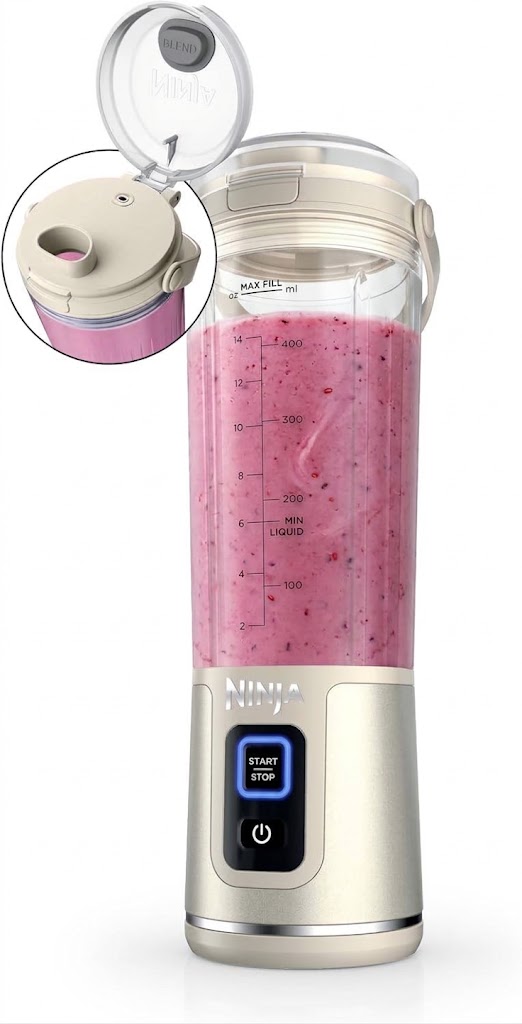
Ninja Blast Portable Blender, Cordless,18oz Vessel, Vanilla Bean
Check Price on AmazonSafe storage, thawing, and cooking
Keep frozen food frozen until you are ready to prepare it, and follow the package directions. A steady freezer temperature helps maintain quality. If food partially thaws during a power outage, safety depends on how warm it became and how long it stayed that way; do not judge safety by appearance alone.
Thaw safely when thawing is needed
Many frozen vegetables can be cooked directly from frozen. For foods that need thawing, such as larger cuts of meat, safer methods include thawing in the refrigerator, in cold water with the food sealed, or in a microwave if you cook it immediately afterward. Avoid leaving perishable food on the counter for an extended period, where the surface can warm while the center remains frozen.
Keep raw meat and seafood separate from ready-to-eat foods. Wash hands, utensils, and surfaces after they touch raw products. Cook foods according to package directions and use a food thermometer for items that need a specific safe internal temperature.
Can you refreeze thawed food?
Food that thawed in the refrigerator can generally be refrozen, although its texture and quality may decline. If it thawed by another method, such as in cold water or a microwave, cook it before refreezing. Food that has been held at unsafe temperatures should not be refrozen as a way to make it safe.
Freezing does not undo unsafe handling. It also does not reliably destroy all harmful microorganisms. Keep food cold, avoid cross-contamination, and cook it properly, even if it came straight from the freezer.
Freezer burn, dates, and common misconceptions
Freezer burn happens when air reaches the surface of frozen food and dries it out. You may see pale or dry patches, or notice a stale flavor. It is mainly a quality problem rather than a sign that the food is unsafe, provided the food stayed frozen and was handled safely.
Reduce freezer burn by using airtight packaging, removing excess air when practical, and sealing opened bags well. Write the date on packages you rewrap and rotate older items forward. Freezing helps preserve food, but quality can decline over time, so use packages while they still look and smell acceptable after safe preparation.
A “best by” date usually signals a quality target, not an automatic safety deadline. Follow any use-by or handling instructions on the package, and discard food if you have reason to believe it was stored unsafely. Do not taste food to test whether it is safe.
One common misconception is that frozen food is less nutritious simply because it is not fresh. Another is that every frozen item is a healthy choice. Both ideas miss the important details: the food itself, added ingredients, storage conditions, and how it fits into the meal matter more than the freezer label alone.
Also, do not thaw food just because a recipe does not specify. Many vegetables cook well from frozen, and cooking them directly can save time while limiting extra handling. Check the package directions and adjust the cooking time to suit the amount and method.
Who may need to check labels more carefully?
People managing high blood pressure, diabetes, food allergies, or other health needs may need to pay closer attention to specific ingredients and nutrition details. Frozen products vary widely, so the label matters. For example, sauces may contain allergens or added sodium, while sweetened fruit may affect carbohydrate choices.
There is no single frozen-food rule that fits everyone. If you follow a prescribed diet or have questions about a medical condition, use guidance from your healthcare professional. For everyday choices, plain frozen ingredients offer flexibility because you can control what gets added during cooking.
Frozen food can be a nutritious, practical choice, especially when you select plain fruits, vegetables, and proteins or compare prepared-food labels carefully. Freezing preserves many foods well, though texture and some nutrients can change.
For your next meal, choose one plain frozen ingredient, check its label, and use it in a dish you already enjoy. Store it sealed, follow safe thawing and cooking directions, and season it to suit your taste.
That is why frozen food is healthy for many people: it can make nourishing ingredients easier to keep, portion, and use without treating every frozen product as the same.
