is disney frozen based on a fairy tale: The Story Behind It
Yes, is disney frozen based on a fairy tale? It is inspired by Hans Christian Andersen’s 1844 story The Snow Queen, but it is not a close retelling. The film takes a few broad ideas from the tale and reshapes them into a story about two sisters.
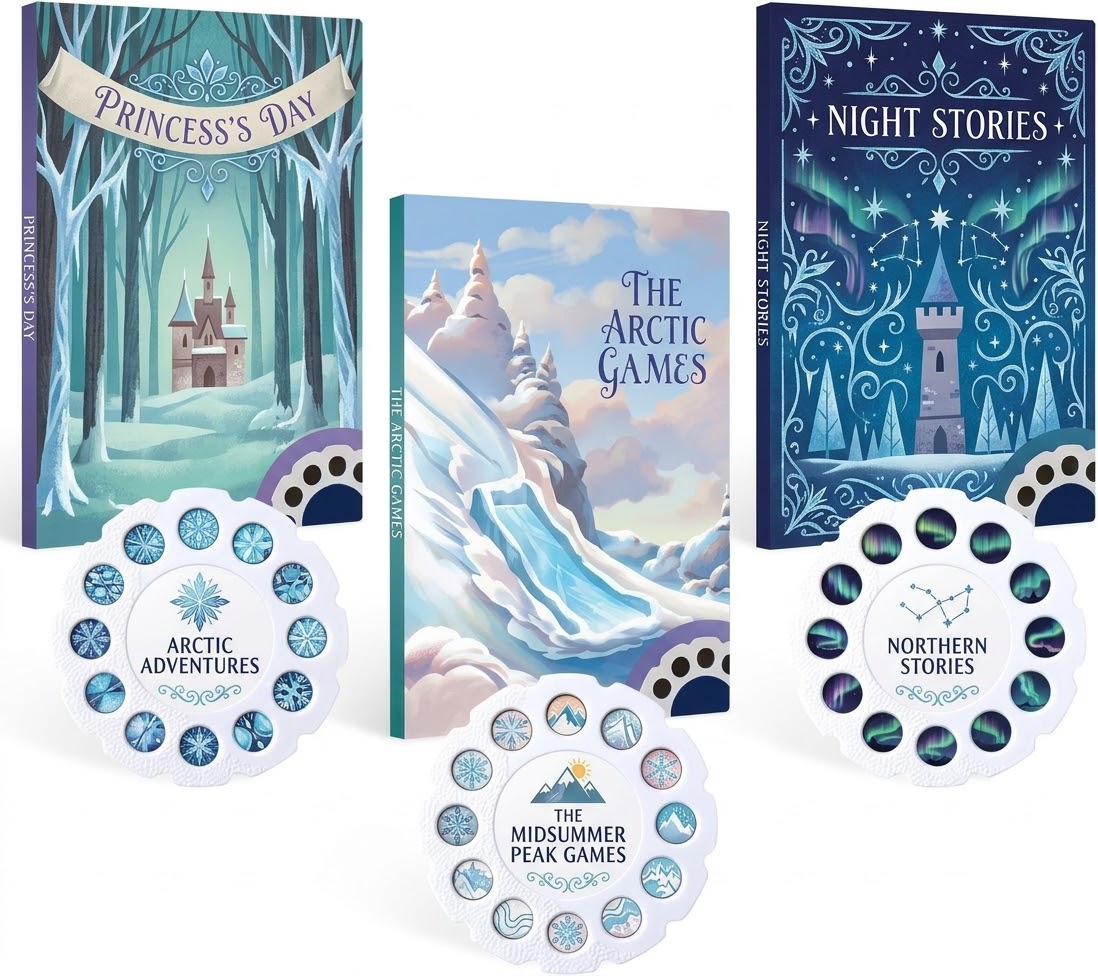
Moonlite Disney Frozen 3-Story Bundle (Projector Sold
Check Price on AmazonKnowing the original makes the connections—and the differences—easier to spot. Here’s what Andersen’s story is about, which parts appear in the movie, and why Elsa, Anna, and the other characters are not direct copies of the tale’s figures.
is disney frozen based on a fairy tale?
Yes, but loosely. Disney’s 2013 animated film Frozen draws inspiration from Hans Christian Andersen’s fairy tale The Snow Queen, first published in 1844. It borrows the idea of a powerful, icy queen and a journey connected to cold and emotional change, but its characters, plot, relationships, and ending are substantially different.
That distinction matters. Calling a movie “based on” a story can suggest that it follows the original plot. In this case, “inspired by” is more precise: Andersen’s tale provided a starting point, while Disney built a new story around sisters Elsa and Anna.
What happens in Hans Christian Andersen’s The Snow Queen?
The original tale centers on two children, Kay and Gerda, who are close companions. Its story begins with a magical mirror made by a wicked troll. The mirror distorts what people see: good things appear ugly, and ugly things seem even worse. When it breaks, fragments scatter across the world.
A shard enters Kay’s eye and another reaches his heart. The fragments affect how he sees and feels, making him harsh toward Gerda and his former life. The Snow Queen eventually takes him away to her icy palace. Gerda sets out to find him, facing a series of strange encounters and obstacles along the way.
Gerda’s journey occupies much of the fairy tale. She receives help from people and animals, including a crow, a princess, a robber girl, and a reindeer. Her determination and care for Kay remain central as she travels through unfamiliar places. The story ends when she reaches him and helps break the spell holding him in the frozen world.
Andersen presents the Snow Queen as a cold, mysterious figure, but she is not simply the same kind of villain as a conventional fairy-tale monster. The tale gives her less personal history and emotional explanation than a modern film might. Its main focus is Gerda’s journey and the contrast between coldness and human affection.
How the fairy tale and the film compare
The clearest connections are broad rather than exact. Both works feature a queen associated with ice, a person drawn into a cold realm, and a journey that tests emotional bonds. But the details differ enough that it is helpful to compare them directly.
| Story element | The Snow Queen | Frozen | Best way to understand the link |
|---|---|---|---|
| Central relationship | Gerda and Kay are childhood companions. | Anna and Elsa are sisters. | Both stories hinge on a bond tested by separation. |
| Icy figure | The Snow Queen takes Kay to her palace. | Elsa’s magic creates a winter crisis, but she is also a main character. | Elsa echoes the icy queen in broad imagery, not in her role or personality. |
| Reason for the cold | A mirror shard changes Kay and helps draw him into the Snow Queen’s world. | Elsa’s powers and fear lead to the winter affecting Arendelle. | The film replaces an external enchantment with a personal magical conflict. |
| Rescuer or seeker | Gerda travels to find Kay. | Anna goes after Elsa and tries to bring her home. | Both stories use a determined journey, but the relationships and goals differ. |
| Resolution | Gerda’s love and persistence help free Kay. | The sisters’ bond and an act of love resolve the crisis. | Affection matters in both, but the movie gives it a different plot role. |
Which parts of Frozen come from the fairy tale?
The image of an icy queen
The most visible connection is the presence of a queen linked to ice and snow. Andersen’s Snow Queen rules a frozen setting, while Elsa’s powers give the film its winter imagery and set its conflict in motion. This resemblance is easy to recognize, but it does not mean Elsa is a one-to-one adaptation of the Snow Queen.
In the fairy tale, the Snow Queen takes Kay away. In the film, Elsa is not a stranger who abducts someone. She is Anna’s sister, and her magic is part of her identity and the source of a crisis she struggles to control. That change shifts the story from a rescue mission against an outside figure to a family story about fear, distance, and repair.
A journey through a world of cold and magic
Both stories send a central character on a journey through an unusual world. Gerda crosses different places to reach Kay; Anna sets off from Arendelle to find Elsa. The journeys have different routes and events, yet both make the characters’ persistence visible.
The cold also does more than set the scene. In Andersen’s tale, it is connected to the Snow Queen’s domain and Kay’s separation from Gerda. In the film, winter becomes a visible sign of the danger Elsa’s powers can cause when fear takes control. The shared imagery helps link the works, while its meaning changes.
Love as a force that counters coldness
Warmth and care matter in both stories. Gerda’s devotion helps bring Kay back from the Snow Queen’s influence. In Frozen, love also plays a role in resolving the danger, but the film centers that love on the sisters’ relationship.
The movie’s version of love is not a simple copy of Gerda’s rescue. Anna and Elsa’s history, separation, and reunion shape the resolution. The film also makes the nature of the saving act part of its plot, so the emotional outcome is tied to what the sisters do for each other.
What Disney changed—and why those changes matter
Two sisters replace Gerda and Kay
Andersen’s tale follows Gerda’s search for Kay. Disney instead gives the main relationship to Anna and Elsa, who are sisters. That decision changes the emotional center of the story: the central question is not only whether one character can rescue another, but how a family can reconnect after fear and isolation create distance.
It also allows both sisters to have important roles. Anna drives much of the journey, while Elsa’s experience explains the conflict from the inside. Neither is simply a stand-in for Gerda or Kay. Their relationship is a new story choice, not a detail lifted from Andersen.
Elsa is not a straightforward villain
The Snow Queen is an imposing figure who removes Kay from his home. Elsa, by contrast, is a complex protagonist whose powers frighten her and the people around her. The movie gives her motives, relationships, and an inner struggle that the original tale does not give its icy queen in the same way.
This difference changes how viewers understand the danger. Elsa’s magic can cause harm, but the story does not frame her as a villain to defeat. The conflict involves learning how to respond to her powers and how the sisters can face the consequences together.
The mirror and the spell are replaced
Andersen’s broken mirror provides the cause of Kay’s altered perception and helps explain his separation from Gerda. The film does not use that mirror as its central plot device. Instead, it builds the conflict around Elsa’s magic, her fear of it, and the way the sisters are kept apart.
That substitution is more than a change in props. The mirror makes the fairy tale’s danger come from an external magical object. The movie’s conflict is closely tied to one character’s abilities and choices. It can therefore explore how fear affects a family, rather than following the same spell-breaking structure as Andersen’s story.
The ending serves a different emotional point
In the fairy tale, Gerda reaches Kay and helps free him from the Snow Queen’s influence. The film’s resolution is built around Anna and Elsa, and the value of their bond. The two endings both connect love with overcoming coldness, but the characters and events leading to that outcome are different.
That difference is why the film is better described as a reworking than a faithful adaptation. It carries forward a few themes and images while giving them new meaning within a contemporary family story.
Why the film is called an adaptation, even though the plot is different
Adaptations do not all follow their source in the same way. Some retell a story closely, keeping its main characters and events. Others borrow an idea, setting, image, or theme, then create a substantially new plot. Frozen fits the second pattern.
Its connection to The Snow Queen is meaningful, but it does not reproduce the tale scene by scene. A reader familiar with Andersen will recognize the icy queen and some broad story parallels, then see how extensively Disney changed the material. Someone who has not read the tale can still follow the movie on its own.
It also helps to separate a source from an inspiration. Saying a work is inspired by a fairy tale does not mean every major character has a direct counterpart or that the original’s plot is preserved. In this case, the source offers a useful point of comparison, not a script for the film.
Common misunderstandings about the connection
- “Elsa is the Snow Queen exactly.” Elsa has a clear resemblance in her connection to ice and her role as a queen, but she has a different character, family, and place in the plot.
- “Anna is simply Gerda.” Both go on a journey to reach someone important to them. Anna’s relationship with Elsa and her role in the film are not a direct copy of Gerda’s.
- “The movie retells Andersen’s whole plot.” It does not. The mirror shard, Kay’s abduction, and Gerda’s particular route are not the film’s story structure.
- “The Snow Queen is just another name for Elsa.” The name points to the literary inspiration, but the film develops its own character and conflict.
A useful way to describe it: say that Frozen is loosely inspired by The Snow Queen, rather than a faithful retelling. That wording recognizes the real literary connection without implying that the two plots match.
Is The Snow Queen worth reading after watching the film?
Yes, especially if you enjoy comparing adaptations with their sources. Andersen’s tale offers a different kind of journey, a distinct set of magical episodes, and a more direct focus on Gerda’s determination to find Kay. Reading it can make the film’s selective use of the source easier to appreciate.
Approach it as a separate story, not as a missing explanation for the movie. The fairy tale does not provide a hidden backstory for Elsa or Anna, and it does not contain the film’s family history. Its value is in showing the older story and the broad ideas Disney chose to reshape.
If you want to compare them, start with three points: who the central characters are, what causes the separation, and how the journey ends. Those questions make the relationship clear without expecting the film to reproduce every detail of Andersen’s work.
How to explain the connection in one sentence
Frozen is a Disney story loosely inspired by Hans Christian Andersen’s The Snow Queen, sharing its icy imagery and a journey to reach someone lost to the cold, while changing the characters, plot, and emotional center.
That short explanation answers the common question without overstating the link. The fairy tale helped inspire the film, but the movie stands as its own story about Elsa, Anna, and their relationship.
Yes, is disney frozen based on a fairy tale? The film is loosely inspired by Hans Christian Andersen’s The Snow Queen, but it changes the original characters, plot, and central relationship. The strongest links are the icy queen, the journey, and the role of love in overcoming coldness.
For a quick comparison, read Andersen’s tale with three questions in mind: who is separated, what causes the separation, and how is it resolved? That simple approach shows what Disney borrowed—and what it made new.