is disney frozen a book? How the story exists in print
Yes, Disney’s Frozen is available as a book, but the 2013 film did not begin as a book. Disney created the movie as an original animated musical, and later published books retelling its story and expanding on its characters.
This distinction matters if you are looking for the story that came first, a book version of the movie, or a tale for a young reader. Here’s how Frozen relates to Hans Christian Andersen’s “The Snow Queen,” what kinds of Frozen books exist, and how to choose one that fits the reader and occasion.
Is disney frozen a book, or did the movie come first?
The movie came first. Disney’s Frozen premiered as an animated film in 2013. It was developed as a movie, not adapted from a previously published Frozen novel or picture book. Books based on the film came afterward, including retellings for children and other licensed print editions.
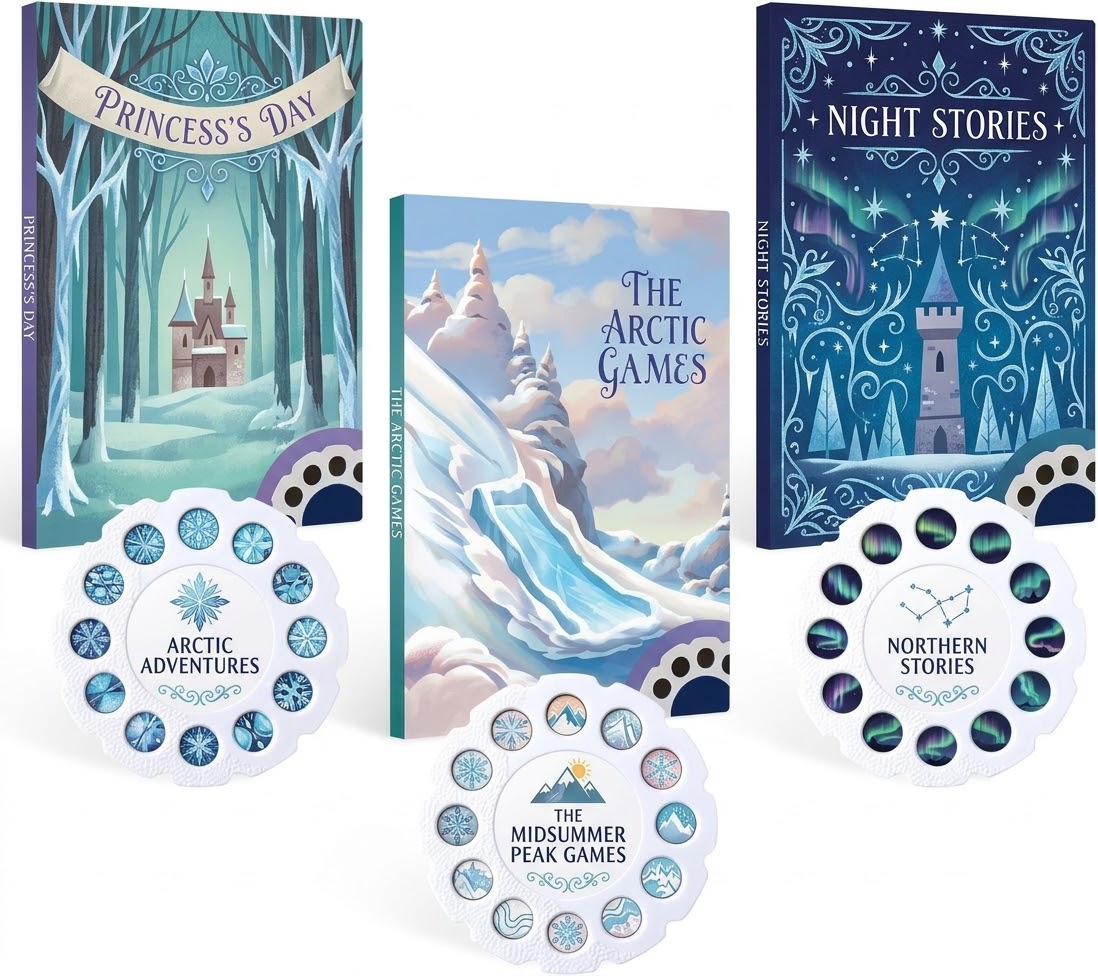
Moonlite Disney Frozen 3-Story Bundle (Projector Sold
Check Price on AmazonThat means the answer depends on what you mean by “a book.” Frozen is a film franchise, and it also has books that tell, adapt, or add to stories from that franchise. A book on a shelf with Anna and Elsa on the cover is not necessarily the original source of the movie’s plot.
If you want to read the same basic story as the first film, look for a Frozen storybook or a movie tie-in edition. If you are asking what inspired the film, look at Hans Christian Andersen’s fairy tale “The Snow Queen.” It is an important influence, but it is not the same story as Disney’s Frozen.
How Frozen relates to “The Snow Queen”
Disney’s Frozen draws inspiration from Andersen’s 1844 fairy tale “The Snow Queen.” The two stories share a wintry setting and the central idea of a powerful snow queen. But Frozen changes the characters, relationships, plot, and emotional focus substantially.
In Andersen’s tale, a boy named Kai is affected by fragments of a magical mirror, and a girl named Gerda sets out to find him. The story follows Gerda through a series of encounters on her journey. Disney’s movie instead focuses on sisters Anna and Elsa, Elsa’s snow-and-ice powers, and the strain those powers place on their relationship.
So, Frozen is best described as loosely inspired by “The Snow Queen,” rather than a direct retelling. The fairy tale does not contain Anna, Elsa, Olaf, Kristoff, or the kingdom of Arendelle. Nor does it tell the same sequence of events as the film.
This distinction can help you choose what to read. Andersen’s story gives you an older fairy tale that helped inspire the movie. A Frozen-branded book retells or extends Disney’s version, with its familiar characters and settings.
What kinds of Frozen books are available?
Frozen books come in several formats. Some tell the film’s story in a shortened form, while others provide a longer retelling or a new adventure. The format affects reading time, detail, and how much help a child may need.
| Book type | What it usually includes | Best for |
|---|---|---|
| Picture book | A short, illustrated retelling or a simple Frozen-themed story | Young children and shared reading |
| Storybook | A prose version of a film or a short adventure, often with illustrations | Readers who want the story in print without a long novel |
| Early reader | Short text, accessible vocabulary, and reading-level support | Children practicing independent reading |
| Chapter book or junior novelization | A longer prose version with more narration and scene detail | Confident young readers who want a longer retelling |
| Activity or novelty book | Puzzles, coloring pages, stickers, or interactive elements | Hands-on entertainment or a small gift |
| Companion or sequel story | A new or additional story using characters from the films | Fans who already know the movie plot |
These labels are useful guides, not guarantees. A “storybook” can be very short or fairly detailed, and a “reader” may be written for a particular stage of learning. Check the description, sample pages, and recommended reading age before buying.
How to choose the right Frozen book
Start with the reader’s age and reading confidence, then decide whether you want a retelling or a new story. A beautifully illustrated book may be ideal for a child who enjoys listening, while a chapter book may suit someone ready to read longer passages independently.
- Decide what the book should do. Choose a retelling if the reader wants the movie in book form. Choose a companion story if they want another adventure with familiar characters. Pick an activity book if drawing, puzzles, or stickers are the main attraction.
- Check the reading level and length. Look at the number of pages, amount of text, vocabulary, and any publisher age guidance. A child’s interest in Frozen does not automatically mean they are ready for a long novelization.
- Preview the illustrations and layout. Large pictures and short blocks of text help with shared reading and early independence. Longer paragraphs and fewer images make a book feel more like a novel.
- Confirm which movie or character the book covers. Some editions focus on the first Frozen film, while others draw on Frozen II or tell separate adventures. Cover art and product descriptions can make these differences clear.
- Check the edition and format before ordering. Listings may refer to a paperback, hardcover, ebook, or activity edition. Confirm the format, language, and condition so the book matches what you expect.
Practical tip: Read a sample page when one is available. The age label is only a starting point; a short sample gives a better sense of sentence length, vocabulary, and whether the style will hold the reader’s attention.
Does a Frozen book tell the exact same story as the movie?
Not always, and even a book advertised as a movie retelling may not reproduce every scene or line. Picture books need to condense a feature-length film into a small number of pages. They usually focus on the main characters and turning points, leaving out many details and side moments.
A longer novelization can include more narration than a picture book, but it may still shorten, rearrange, or simplify parts of the film. The book and movie are different formats, so the pacing and emphasis can change. A film can show a character’s expression or use music to convey emotion; a book needs words or illustrations to do that work.
Companion books may not retell the film at all. They can offer an additional adventure, a character-focused story, or an activity built around the Frozen setting. Read the description carefully if you want the original plot rather than a new story.
Another common mix-up is assuming every Frozen book is a novel. Many are picture books, early readers, coloring books, or activity books. If you need a traditional prose story, check that the edition is a storybook or novelization and not a puzzle or coloring title.
Is the Frozen book based on Frozen or Frozen II?
There are books connected to both films, as well as titles that use the characters in stories outside the movies’ main plots. Frozen II is the 2019 sequel to the first film. A book tied to it may include the later setting, characters, or events, so it will not necessarily work as a retelling of the original movie.

Disney Frozen Kids' Bezel Stainless Steel Time Teacher Analog Nylon Strap Watch
Check Price on AmazonFor a child who has not seen either film, check the book’s description before choosing. A book based on the sequel may assume the reader already knows who the characters are and what happened earlier. If you want a story that follows the first film, choose a title that specifically identifies Frozen, rather than Frozen II.
If the goal is simply an enjoyable story with Anna and Elsa, the exact film connection may matter less. In that case, a standalone companion adventure can be a good choice. The key is to avoid treating every book with the characters on its cover as a scene-by-scene retelling.
What age is a Frozen book for?
There is no single age range for all Frozen books. Picture books are often suitable for younger children when read aloud, while early readers are designed for children beginning to read on their own. Longer storybooks and chapter books generally ask for more sustained attention and reading skill.
Use the publisher’s age or reading-level guidance as a reference, then consider the individual child. A confident reader may enjoy a longer book earlier, while another child may prefer a picture book well beyond the suggested age. Interest, vocabulary, page layout, and willingness to read matter more than the character’s popularity.
For a shared bedtime read, choose a book with a manageable length and illustrations the child enjoys. For independent reading, look for familiar words, clear print, and chapters or sections that are not too long. When uncertain, preview a few pages together rather than relying only on the cover.
Can you read Andersen’s “The Snow Queen” instead?
Yes, but it will not give you the same plot as Disney’s Frozen. Andersen’s tale is a separate literary work and can be read as a source of inspiration or as a classic fairy tale in its own right. It is a good choice for readers interested in how an older story differs from a modern animated film.
Keep the reader’s age and tolerance for older storytelling in mind. The original tale has a different structure and style from a contemporary children’s movie tie-in. An illustrated adaptation may be easier for a young child to follow than a complete version of the older text.
If you want Anna and Elsa’s story, choose a Disney Frozen book. If you want the fairy tale that helped inspire the movie, choose “The Snow Queen.” They are related through inspiration, not interchangeable versions of one story.
Where to look for a Frozen book
Frozen books may be available through bookstores, libraries, and online retailers. A library is useful if you want to compare formats before buying or see whether a particular edition suits the reader. Book listings can also help you identify the author, publisher, format, age guidance, and which film or characters the title covers.
Search by the type of book you want, not just by the franchise name. Phrases such as “Frozen picture book,” “Frozen early reader,” or “Frozen II storybook” can narrow results. Then check the full title and description, because similar cover art can appear on books with very different purposes.
For a gift, consider whether the child already owns a storybook and would prefer a coloring or activity book. For a first introduction to the story, a picture-book retelling is often easy to share. For a reader who already knows the movies, a companion story may provide something new.
What to remember when you shop
The clearest way to think about the franchise is this: Frozen began as a Disney movie, and books came afterward. Those books can retell the films, adapt scenes for younger readers, offer activities, or add separate adventures.
The movie also has a literary connection to “The Snow Queen,” but it is not a direct screen version of Andersen’s tale. If you want Disney’s story, choose a book explicitly tied to Frozen or Frozen II. If you want the older fairy tale, look for “The Snow Queen” and check whether the edition is an adaptation or a full text.
Finally, match the format to the reader. A picture book, early reader, novelization, and activity book serve different needs. Checking the description and a sample page can prevent the most common mistake: buying a Frozen-branded book that is not the kind of reading experience you wanted.
So, is disney frozen a book? The movie came first, but there are many books based on its characters and stories. Frozen also takes loose inspiration from Andersen’s “The Snow Queen,” which is a separate tale with a different plot.
Before choosing a title, decide whether you want a movie retelling, a new adventure, or an activity book. Check the format and preview a page so the book suits the reader’s age and reading confidence.