what is the disney frozen theory? The Tarzan connection
what is the disney frozen theory? The best-known version says Anna and Elsa’s parents survived their shipwreck and later became Tarzan’s parents. It is a fan theory, not an established plot point in either film.
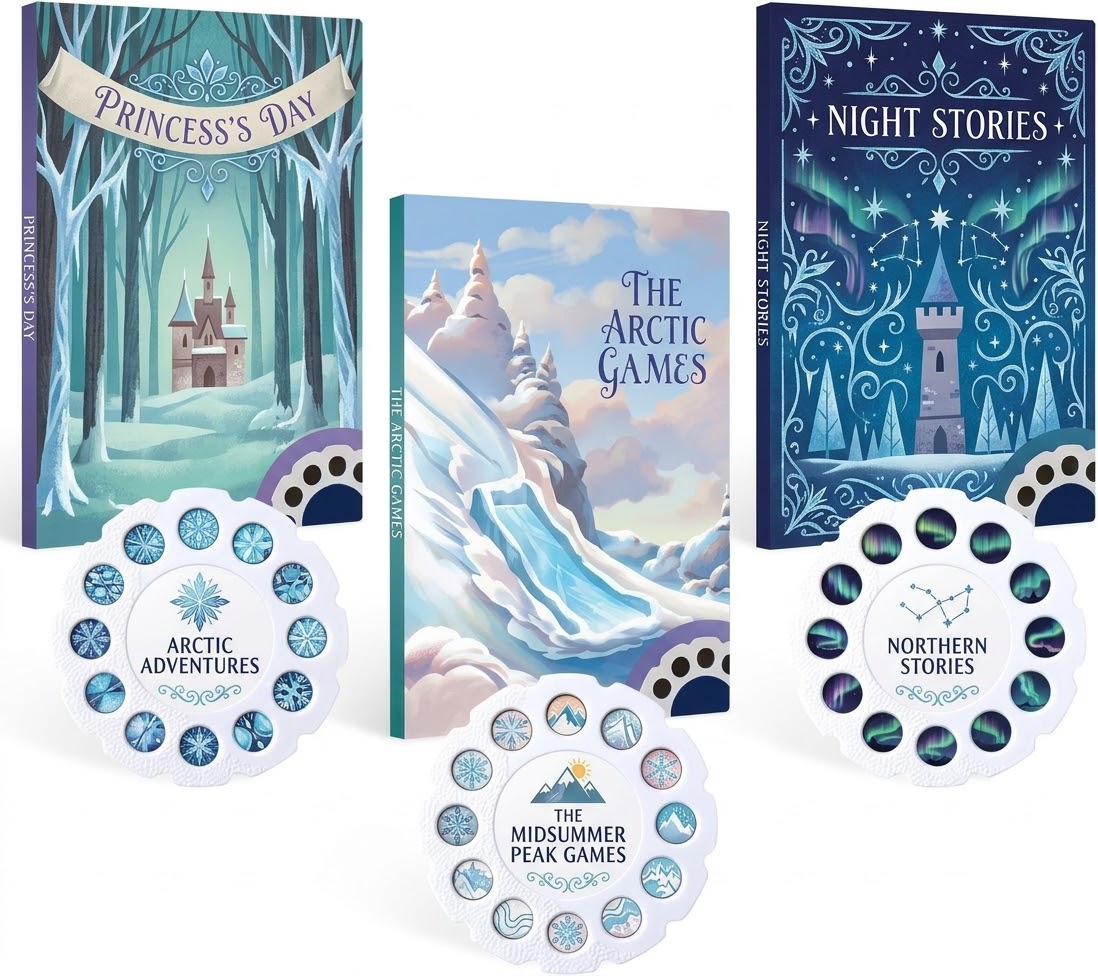
Moonlite Disney Frozen 3-Story Bundle (Projector Sold
Check Price on AmazonThe idea comes from a comment by Frozen co-director Chris Buck about his own imagined connection, plus similarities fans notice between the stories. There are also theories linking Frozen to Tangled, partly because Rapunzel appears at Elsa’s coronation. Here’s what each idea claims, what the movies actually support, and how to tell a playful fan interpretation from official Disney story canon.
What is the disney frozen theory?
The most famous Disney Frozen theory links Anna and Elsa’s parents to Tarzan. It proposes that the royal couple survived the shipwreck shown in Frozen, reached a tropical island, and eventually had another son: Tarzan. In this interpretation, the king and queen of Arendelle are the same people as Tarzan’s parents.
The idea is often called the Frozen–Tarzan theory. It is not confirmed by either movie. Its strongest source is a playful explanation from Frozen co-director Chris Buck, who also directed Tarzan. Buck described a personal version of events in which the parents survived, landed somewhere far away, and had a baby boy. He connected that imagined baby to Tarzan.
That distinction matters. A filmmaker sharing a personal idea can explain why a theory caught on, but it does not automatically make the idea part of a film’s official continuity. The movies themselves never identify Tarzan’s parents as Anna and Elsa’s parents, and no scene confirms that the stories share a timeline.
How the Frozen–Tarzan theory is supposed to work
Frozen begins with Anna and Elsa’s parents setting sail. Their ship is later found wrecked, and the sisters grow up believing their parents died during the voyage. Tarzan begins with an English family surviving a shipwreck and settling in a jungle. Their infant son is raised by gorillas after his parents are killed.
Fans connect those plot points and fill in the space between them. In the theory, the royal couple’s shipwreck does not kill them. They wash up on a remote island, build a home, and have a son. The parents later die, leaving the child to be raised by gorillas. That child grows up to be Tarzan.
The story is appealing because it turns two separate tragedies into one extended family tale. It also gives the audience a reason to imagine that Anna and Elsa had a brother. But the connection depends on events that Frozen never shows and Tarzan never explains in relation to Arendelle.
What evidence do fans point to?
- The shipwreck: Both films feature a family whose journey by sea ends in disaster.
- A child left without parents: Anna and Elsa lose their parents, while Tarzan loses his parents as a baby.
- Chris Buck’s comment: Buck shared a version of the connection as his own imagined story, which gave the theory a notable link to someone involved in both films.
- Similar visual storytelling: Both stories use forests, danger, and separation from family as important parts of their plots.
These details make the theory easy to tell, but they are not equally strong evidence. The shipwreck and Buck’s comment are the main reasons it persists. Forests and family loss are common story elements, so they do not prove a shared universe on their own.
What the movies actually confirm
Frozen establishes that the royal ship sank and that Anna and Elsa’s parents were presumed dead. It does not show them reaching land, having another child, or traveling to a jungle. Tarzan presents its parents as an English family whose ship is wrecked in an unfamiliar place. The film does not name them as royalty or connect them to Arendelle.
In other words, the proposed link is compatible with a fan’s imagination, but not confirmed by the films. The stories leave some details unexplained, yet an unanswered question is not proof of a particular answer. There are many possible ways to imagine what happened after the shipwreck, and the Tarzan version is just one.
The theory also asks viewers to accept several unstated steps: the royal couple survives, reaches the same island as Tarzan’s family, has a son, and dies there. Neither movie supplies those links. The interpretation works as a crossover idea because fans can connect the gaps, not because the plot spells them out.
Is the theory official Disney canon?
No—not as a confirmed plot fact. Disney’s released films do not state that Anna and Elsa’s parents are Tarzan’s parents. Buck’s personal version is often treated online as proof, but a director’s informal explanation of what he imagines is different from a scene or official story material that establishes the relationship.
“Canon” means the events and relationships officially established as part of a story. A fan theory may be clever, popular, or inspired by a filmmaker’s comment without becoming canon. If a future film or official story explicitly confirms the family connection, that could change. Until then, the careful description is that Buck shared a personal headcanon that supports the idea, not that Disney confirmed it.
It is also useful to separate a creator’s involvement from the authority of a statement. Directors can share behind-the-scenes thoughts, jokes, and imagined extensions of a story. Those comments offer context, but they do not always settle what happened in the fictional world. Look at what the film itself establishes, then label additional ideas accurately.
How the Tangled connection differs
A separate theory connects Frozen with Tangled. Rapunzel and Eugene appear among the guests at Elsa’s coronation, which visibly places characters from the two films in the same scene. Fans interpret the cameo as a sign that Arendelle and Corona occupy a shared Disney story world.
This is a more direct visual connection than the Tarzan theory because Rapunzel is recognizable on screen. Still, a cameo does not explain the whole relationship between the films. It may be a playful Easter egg—an intentional reference for viewers—rather than a promise that every event in both movies follows one coordinated timeline.
The distinction is simple: the Tangled cameo is visible, while the proposed family connection to Tarzan is inferred from parallel shipwreck stories and Buck’s personal idea. Neither detail, by itself, establishes a complete shared-universe timeline.
| Theory | What fans point to | What is actually shown | Best description |
|---|---|---|---|
| Frozen–Tarzan | Shipwrecks, orphaned children, and Buck’s personal story | No direct identification of Tarzan’s parents | A popular, unconfirmed headcanon |
| Frozen–Tangled | Rapunzel and Eugene at Elsa’s coronation | A recognizable character cameo | A clear crossover reference, not a full timeline |
Both ideas can be enjoyable without being treated as settled fact. The comparison helps keep the evidence in proportion: an on-screen cameo is a concrete reference, while a family relationship inferred from missing events remains speculation.
Why the Tarzan idea is so popular
The theory gives familiar scenes a new emotional angle. The shipwreck in Frozen can seem less like a closed tragedy and more like the beginning of another story. Tarzan’s isolation then becomes connected to the loss felt by Anna and Elsa, even though the sisters never learn about the supposed brother in either film.
It also has a neat storytelling structure. One film leaves the royal parents’ final moments off screen; another begins with parents lost at sea. The audience can imagine those plot threads meeting in the gap between movies. That kind of connection rewards close attention and invites fans to debate small details.
There is a practical reason the theory spreads, too: it can be explained in a few sentences. A shipwreck, a surviving couple, a baby, and a jungle create a memorable chain of events. The shorter version often leaves out the caveat that the chain is imagined, so online retellings can make a playful idea sound like confirmed lore.
What the theory cannot prove
A shared motif is not the same as a shared identity. Shipwrecks, absent parents, and children who grow up far from home appear in many adventure stories. Similar plot elements can inspire a theory, but they do not establish that characters are related.
The setting also requires a leap. Frozen takes place in the fictional kingdom of Arendelle, inspired by Scandinavian settings. Tarzan’s story centers on an English family and a jungle environment. A journey between those settings is imaginable, but the movies do not provide a route, a date, or a named island that ties them together.
Another common overstatement is that Buck’s comment makes every part of the theory official. His involvement gives the idea an unusual origin and makes it more than a random internet guess. Even so, a personal story idea is not the same as a confirmed event in the films. Use precise wording: he imagined the connection; the movies do not establish it.
How to judge Disney fan theories without overclaiming
When a theory sounds convincing, sort its clues by how directly they support the claim. This quick method helps distinguish a visible fact from an inference built on several assumptions.
- Start with what appears on screen. Note the dialogue, actions, objects, or character appearances that the film actually presents.
- Separate observation from interpretation. “A ship sinks” is an observation. “The royal family survives and reaches Tarzan’s island” is an interpretation.
- Check how many missing steps the idea needs. The more unseen events required, the more clearly the theory should be labeled as speculation.
- Read creator comments in context. Ask whether the person is explaining official story material, sharing a personal thought, or joking about a possible connection.
- Use a careful verdict. Say “the films confirm” only for details they establish. For the rest, say “fans theorize,” “the cameo suggests,” or “the director imagined.”
This approach does not make fan theories less fun. It makes discussion clearer. You can enjoy the Tarzan connection as a clever imagined backstory while still recognizing that it is not a plot fact viewers need to accept.
What to tell someone who asks about the theory
A short, accurate explanation is: fans think Anna and Elsa’s parents survived their shipwreck, reached a jungle, and became Tarzan’s parents. Chris Buck, who worked on both Frozen and Tarzan, shared a similar personal idea. However, neither movie confirms the connection, so it remains a fan theory rather than established Disney canon.
If the person means the Tangled connection, explain that Rapunzel and Eugene appear at Elsa’s coronation. That cameo is on screen, but it does not prove that all Disney films share one consistent timeline. Naming which theory you mean prevents two different ideas from getting mixed together.
The most useful takeaway is to keep three things separate: what a film shows, what a creator has personally imagined, and what fans infer. In this case, the shipwrecks are part of the movies, Buck’s version is a personal explanation, and the family link is an unconfirmed interpretation. That distinction gives the theory its proper context without taking away its appeal.
what is the disney frozen theory? Most often, it is the idea that Anna and Elsa’s parents survived their shipwreck and became Tarzan’s parents. Chris Buck shared a similar personal idea, but the films do not confirm it as canon.
Keep the distinction clear when you share the theory: the shipwrecks are on screen, while the family connection is imagined. If you’re comparing Disney theories, treat the Tangled coronation cameo as a separate, visible reference—not proof of one complete shared timeline.