is frozen 2 canon? How It Fits the Story
Yes, is frozen 2 canon has a clear answer: Frozen II is the official sequel to Disney’s Frozen and part of the same main story continuity. Its events follow Anna and Elsa as adults, build on the first movie’s history, and change the sisters’ roles in Arendelle.
That does not mean every Frozen book, short, game, or theme-park appearance fits into one precise timeline. Here’s how the sequel connects to the first film, where the official shorts fit, and how to think about side stories, apparent contradictions, and Elsa’s ending.
is frozen 2 canon? Yes, it is the official sequel
Frozen II is canon to the main Frozen movie continuity. It is a direct sequel to Frozen, not a remake, alternate-universe story, or unrelated spin-off. The film continues the lives of Anna, Elsa, Kristoff, Sven, and Olaf and expects viewers to know what happened in the first movie.
The sequel’s central events depend on the original film. Elsa is queen at the start, Anna and Kristoff are together, and Olaf is alive because Elsa’s magic sustains him. Their relationships and the consequences of Elsa’s powers carry forward rather than resetting.
In this context, canon means the story events treated as part of the franchise’s primary continuity. It does not automatically mean every licensed product is equally authoritative. A film, a short, a tie-in novel, and a game can have different relationships to the core story.
How Frozen II continues the first movie
Frozen II follows the sisters after the events of Frozen, with the sequel set three years after the first film. Anna and Elsa have settled into life in Arendelle, but Elsa hears a mysterious voice and begins to sense that something is wrong beyond the kingdom.
That call leads the group toward the Enchanted Forest, where they encounter the Northuldra people and elemental spirits. The journey reveals that the sisters’ family history is connected to a conflict between Arendelle and the Northuldra. It also explains more about Elsa’s magic and the source of her connection to nature.
These revelations add information to the story without making the first movie irrelevant. Frozen introduced Elsa’s powers and the sisters’ relationship; Frozen II gives some of those questions a larger history and a new consequence. The second film’s choices are meant to be read alongside the original, not in place of it.
What the sequel adds to the story
- Elsa’s powers have a purpose: Her magic is linked to the natural spirits and to a role between two communities.
- The family history becomes more complicated: The sisters learn that their parents’ past is tied to the forest and the Northuldra.
- Anna’s role changes: She becomes responsible for leading Arendelle after Elsa chooses a different path.
- The past has present-day consequences: The conflict that divided the forest and the kingdom must be addressed before either can move forward.
Where the Frozen shorts fit in the timeline
Disney’s official Frozen shorts are part of the franchise’s on-screen storytelling, but they are smaller stories rather than required chapters in the main plot. Frozen Fever and Olaf’s Frozen Adventure take place after the first movie and before Frozen II in the usual story order.
Frozen Fever centers on Anna’s birthday and Elsa’s effort to make the day special. Olaf’s Frozen Adventure follows Olaf as he looks for a holiday tradition for the family. Neither short changes the central outcome of Frozen, and you do not need to watch them to understand the sequel.
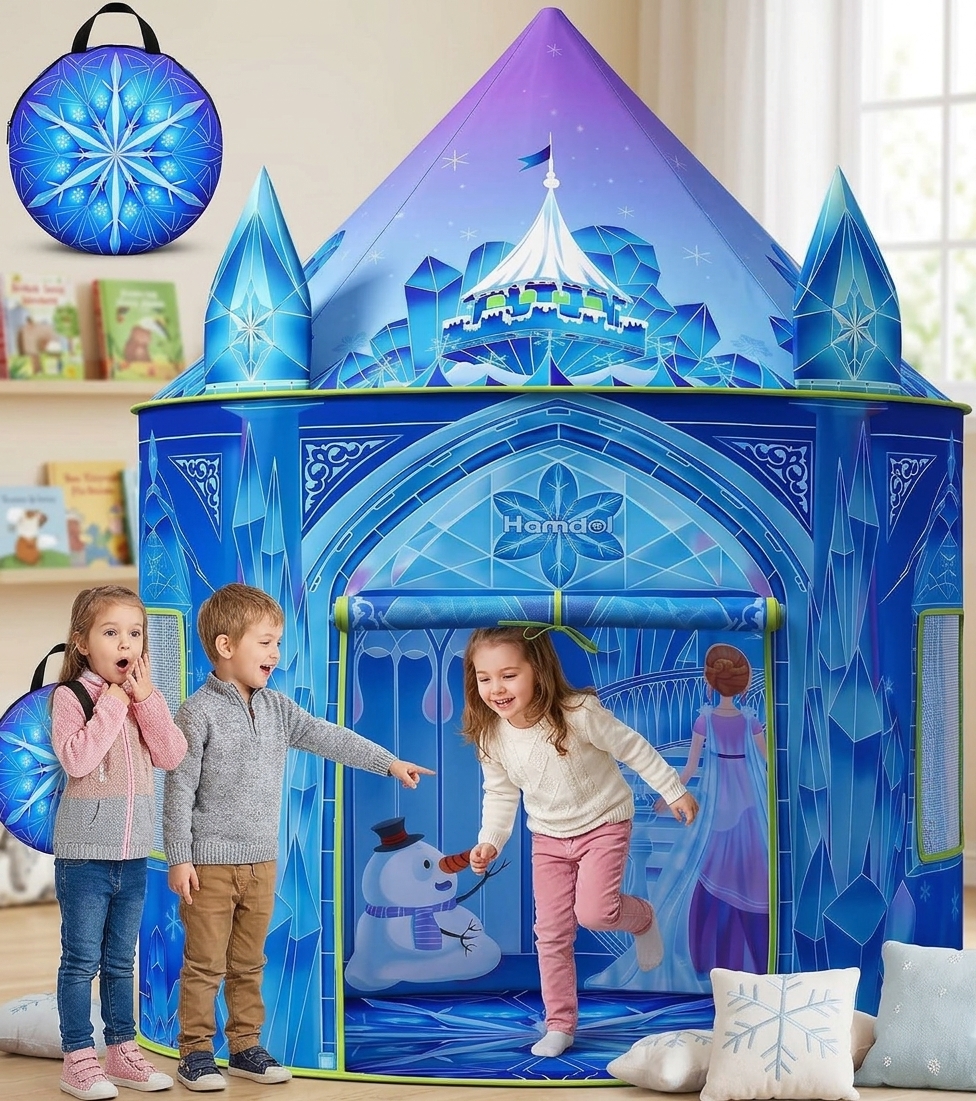
Princess Play Tent for Girls, Frozen Toy, Ice Castle Kids Playhouse for Indoor & Outdoor
Check Price on Amazon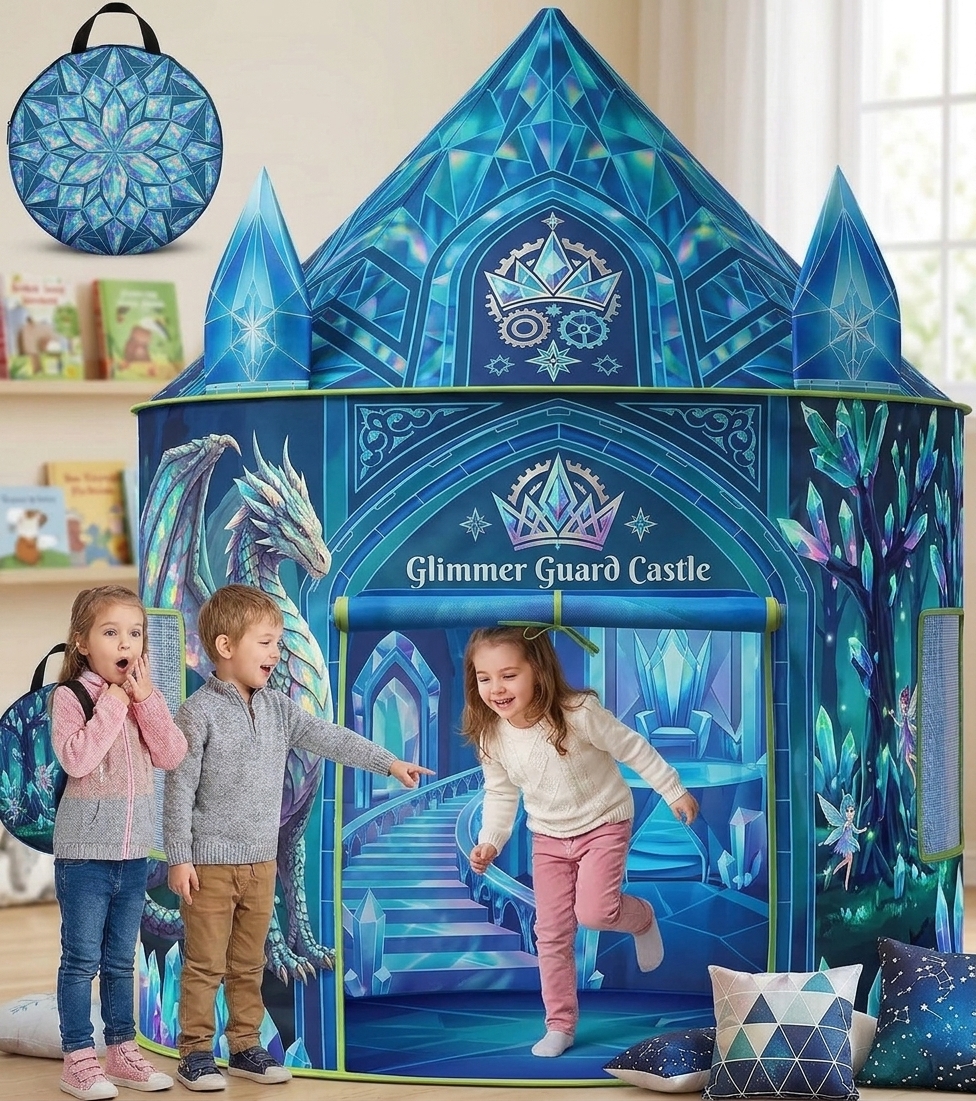
Princess Pop Up Play Tent, Frozen Toys for Girls
Check Price on Amazon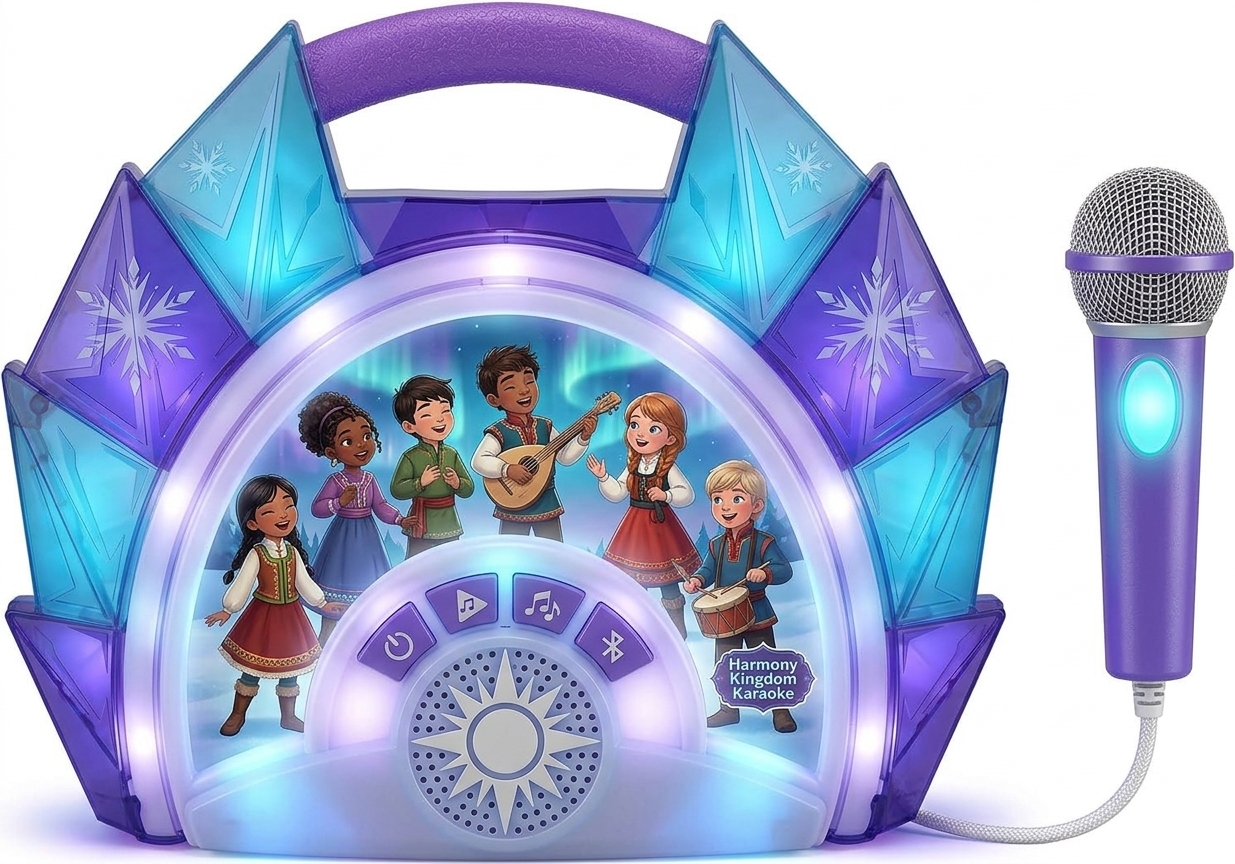
eKids Disney Frozen Karaoke Microphone with Bluetooth Speaker for Fans of Disney Toys
Check Price on AmazonFrozen Toys,Night Light Projector With 19 Films+15 Music,Girl Gifts For 2-6
Check Price on AmazonThe simplest viewing order is the release order below. It follows the franchise’s development and keeps the films and shorts in a straightforward sequence.
- Frozen (2013)
- Frozen Fever (2015)
- Olaf’s Frozen Adventure (2017)
- Frozen II (2019)
This is a practical order, not a claim that every detail in every accompanying product has been mapped onto a single official chronology. The main films provide the essential continuity.
Which Frozen stories count as main continuity?
Not every story with Frozen characters functions in the same way. A useful distinction is between the main movie continuity, official short films, and licensed or promotional material. The table shows how to treat each kind of story when you want to follow the plot.
| Story type | How it relates to canon | Best for |
|---|---|---|
| Main feature films | Core continuity; Frozen II directly follows Frozen. | Understanding the central plot and character changes. |
| Official animated shorts | Official additional stories, generally set between the films. | Seeing family moments and events not needed to follow the main plot. |
| Books and comics | Licensed stories may add detail, but do not assume every title overrides or defines film continuity. | Extra adventures and character-focused material. |
| Games and promotional content | Often designed for entertainment or promotion, not as essential plot chapters. | Interactive play, themed activities, and brief tie-ins. |
| Theme-park appearances and crossovers | Usually present characters for an attraction or event rather than extend the movie timeline. | Experiences that celebrate the characters outside the film story. |
The key test is whether a story is presented as a continuation of the movie plot or as a separate experience featuring familiar characters. If a tie-in seems to conflict with a film, the feature films are the safest guide to the main continuity.
Does Frozen II change or contradict Frozen?
Frozen II does revise what viewers know about Elsa’s powers and her parents’ history. That can feel like a contradiction if the first movie is treated as having already explained every mystery. But the original film left several questions open, including why Elsa had magic and how her family’s past related to it.
The sequel supplies new answers rather than undoing the first film’s central events. Elsa still caused harm when she lost control, Anna still helped bring her back, and the sisters’ bond remains the heart of both stories. The sequel changes the broader explanation around those events, not the fact that they happened.
Some viewers also question whether the second film’s ending reverses Elsa’s growth. In the first movie, she learns to live without hiding her powers; in the sequel, she leaves the throne and lives in the forest. Those choices are not the same as retreating from her identity. Elsa remains connected to Anna and Arendelle, but she decides that her abilities and responsibilities fit better beyond the palace.
Why the ending does not erase Anna’s importance
Anna becomes queen of Arendelle, while Elsa stays in the Enchanted Forest and serves as a link between the forest and the kingdom. The change gives each sister a different responsibility. Anna leads the people of Arendelle, and Elsa works with the spirits and the Northuldra.

Disney Frozen Kids' Bezel Stainless Steel Time Teacher Analog Nylon Strap Watch
Check Price on AmazonThe ending is a change in the sisters’ arrangement, not a break in their relationship. They continue to visit and communicate. The film presents their lives as connected even though they no longer share the same home or public role.
Is Elsa literally a spirit in Frozen II?
Frozen II identifies Elsa as the fifth spirit, a figure that connects people and the elemental spirits. That description refers to her role in the story and her relationship with the natural world. It does not mean she has died or stopped being a person.
Elsa remains Elsa: a character with family, memories, feelings, and choices. Her powers make her uniquely suited to the bridge role, while Anna’s human leadership matters just as much to the resolution. The film’s idea of a bridge is relational: one sister connects the forest and its spirits, and the other leads Arendelle toward repairing its relationship with them.
This distinction helps clear up a common misconception. Calling Elsa the fifth spirit does not turn the story into a tale about her becoming a separate supernatural being. It explains why she can communicate with the spirits and why she chooses to remain in the forest.
Do you need to watch Frozen before Frozen II?
Yes, watching Frozen first makes the sequel easier to follow and more emotionally satisfying. Frozen II gives context for Elsa’s powers and the family’s past, but it does not retell the full story of how Anna and Elsa became close again or how Elsa learned to accept her magic.
If you are short on time, the first film is the one essential watch before the sequel. The shorts add enjoyable details, especially about the sisters’ life in Arendelle, but they are optional. You can follow the main plot without them.
For a first-time watch, use this order:
- Watch Frozen to understand the sisters, Elsa’s powers, and Arendelle.
- Watch Frozen Fever and Olaf’s Frozen Adventure if you want extra stories between the films.
- Watch Frozen II for the continuation and the answers it gives about the forest and Elsa’s role.
For a rewatch focused only on the main story, watch the two feature films back to back. That gives you the full central arc without making the short films seem necessary to the plot.
What Frozen II means for future Frozen stories
Frozen II leaves Anna and Elsa with different roles and gives the franchise room for further stories. The film establishes that Elsa lives in the Enchanted Forest and that Anna is queen of Arendelle. Those are the starting conditions for any continuation that follows the movie’s events.
That does not mean every later appearance must show a new plot development. Characters can appear in a special, game, attraction, or promotional story without that appearance changing the movie timeline. Look at the format and presentation before treating a new piece of content as a major canon event.
For practical purposes, consider a story part of the central plot when it is an official feature-film continuation or is clearly framed as an in-universe narrative that fits the films. Treat tie-ins as optional unless they are needed to understand a specific movie. This keeps the continuity clear without dismissing the extra stories fans may enjoy.
How to tell canon stories from optional tie-ins
Franchises often use the word canon loosely, so a few simple checks can help. Start with the format: a sequel film carries more weight for the central storyline than a short promotional clip. Then ask whether the story changes the characters’ established circumstances or simply gives them a brief side adventure.
- Check how the story is presented. Is it described as a sequel, an episode, a short, or a promotional experience?
- Compare it with the films. Does it fit the characters’ established relationships and circumstances?
- Separate official from essential. An officially released story can be enjoyable without being necessary to understand the main plot.
- Give the films priority when details differ. The feature films set the clearest version of the central story.
One point people often miss is that official does not always mean essential. A licensed story can be genuine Frozen content while still having little impact on the movie continuity. That distinction lets you enjoy extra material without worrying that you have missed a required chapter.
is frozen 2 canon? Yes. Frozen II is the official continuation of the first movie, and its revelations and ending are part of the main story. The official shorts add optional stories, while tie-ins do not all carry the same weight in the movie continuity.
For the clearest story, watch Frozen before Frozen II; add the shorts if you want more time with the characters. Treat the feature films as your primary guide whenever a side story seems to conflict with them.