what frozen desserts are dairy free: easy options
Many frozen desserts can be dairy free, including fruit sorbet, Italian ice, granita, fruit pops, and plant-based ice cream. The safest choice is a product labeled dairy free whose ingredient list contains no milk, cream, butter, whey, or casein.
This guide explains what to look for in popular dessert types, how to read labels, and which ingredients can be easy to miss. You will also find a quick comparison of common options, tips for ordering at an ice cream shop, and simple ways to make frozen treats at home. That matters because a dessert that sounds fruit-based or vegan is not automatically suitable for every dairy-free diet or milk allergy.
what frozen desserts are dairy free
Frozen desserts made without milk or other dairy ingredients include sorbet, Italian ice, granita, fruit pops, and plant-based frozen desserts. These products use ingredients such as fruit, water, sugar, and plant-based milks instead of cow’s milk or cream.
However, a dessert’s name alone does not confirm that it is dairy free. Some sorbets contain egg white, some fruit bars have a yogurt coating, and some packaged treats are made on equipment shared with dairy products. Check the ingredient list and any allergen statement on the specific package.
It also helps to distinguish dairy free from lactose free. Lactose-free ice cream still contains milk proteins and is not dairy free. If you avoid dairy because of an allergy, look for a clear dairy-free label and check for milk ingredients and cross-contact warnings.
Common dairy-free frozen dessert options
These dessert styles are often available without dairy, but recipes vary by brand and shop. Use the descriptions below as a starting point, then verify the ingredients before eating.
| Dessert | Typical base | What to check | Best for |
|---|---|---|---|
| Sorbet | Fruit, water, and sugar | Milk ingredients, egg, and shared equipment | A bright, fruit-forward scoop |
| Italian ice | Water, flavoring, and sweetener | Milk-based toppings or mix-ins | A light, icy treat |
| Granita | Water, sugar, and fruit, coffee, or juice | Ingredients added during preparation | A coarse, refreshing dessert |
| Fruit pops | Fruit puree or juice, often with water | Yogurt coatings, milk, and added flavors | A portable fruit-based snack |
| Plant-based frozen dessert | Oat, coconut, soy, almond, or another plant ingredient | Milk cross-contact and the specific base | A creamy alternative to ice cream |
| Shaved ice | Shaved ice and flavored syrup | Condensed milk, cream, and toppings | A customizable treat, if toppings are checked |
Sorbet, Italian ice, and granita
Sorbet usually combines fruit or fruit puree with water and a sweetener. Its texture is smooth, but recipes can include other ingredients. A commercial sorbet may be made with equipment that also handles dairy, so people with milk allergies should review the package or ask the maker about precautions.
Italian ice and granita are generally water-based. Italian ice is often finely textured, while granita has larger ice crystals that are scraped or stirred as it freezes. Both can be good choices when made without milk-based additions. A scoop served with whipped cream, custard, or a dairy topping is no longer a dairy-free serving.
Fruit bars and popsicles
Many fruit bars are made from juice, fruit puree, water, and sweeteners. Others are creamy bars containing milk, yogurt, or a plant-based coating. Read the whole label rather than assuming a fruit picture or fruit flavor tells you what is inside.
Check coatings and fillings in particular. Chocolate, caramel, cookie pieces, and yogurt-style coatings may contain dairy. If the product is not packaged, ask whether the same utensils or dipping area are used for dairy-containing items.
Plant-based ice cream and frozen desserts
Plant-based frozen desserts are designed to replace the creamy texture of traditional ice cream. Their bases may include oat, coconut, soy, almond, cashew, or other plant ingredients. These options can contain dairy-free mix-ins such as fruit or dark chocolate, but the complete ingredient list still matters.
The base affects flavor and texture. Coconut can taste distinctly coconut-like, while oat often has a mild flavor. Nut and soy bases may be unsuitable for people with those allergies. Some products use a blend of plant ingredients, so check every listed allergen rather than relying on the front of the carton.
How to check a label for dairy
Start with the product’s dairy-free claim, then inspect the ingredients and allergy information. A claim on the front is useful, but checking the details helps you spot ingredients or warnings that matter for your needs.
- Read the ingredient list. Look for milk, cream, butter, milk powder, whey, casein, and other milk-derived ingredients. Ingredients can change, so check each time you buy.
- Check the allergen statement. In the United States, packaged foods identify milk as a major food allergen when it is present as an ingredient. A statement such as “may contain milk” signals possible cross-contact during production.
- Look for a dairy-free claim. This can make screening easier, but it does not replace checking the package if you have an allergy or need to avoid shared equipment.
- Check mix-ins and coatings. Cookie crumbs, chocolate pieces, caramel, and swirls can add dairy even when the main dessert base is plant-based.
- Recheck after a recipe or package change. Brands can update ingredients or manufacturing practices. Do not assume a product is unchanged just because the package looks familiar.
Common dairy ingredients include whey, casein, milk solids, and milk powder. Lactose is milk sugar, but a lactose-free claim does not mean a product contains no milk. If your reason for avoiding dairy is lactose intolerance, your needs may differ from those of someone with a milk allergy.
What “may contain milk” means
A “may contain milk” or similar warning generally indicates possible unintended contact, not that milk is necessarily a recipe ingredient. People with milk allergies should take that warning seriously and follow advice from their healthcare professional. Those avoiding dairy for preference or intolerance may make a different choice based on their own needs.
“Vegan” usually means the product contains no animal-derived ingredients, including dairy. Still, read the package, especially if you are managing an allergy. Vegan labels do not necessarily tell you whether the product was made on shared equipment.
Is dairy-free the same as vegan or lactose-free?
No. These terms answer different questions. Dairy free means the product is made without dairy ingredients. Lactose free means it contains little or no lactose, the sugar found in milk; it can still contain milk proteins. Vegan means it avoids animal-derived ingredients, which generally includes dairy but also covers eggs and other animal products.
For example, a sorbet may be dairy free but contain honey, so it may not be vegan. A lactose-free ice cream may be suitable for some people with lactose intolerance, but it is not suitable for someone avoiding milk proteins. Choose based on the reason you need to avoid dairy, not just on a product’s general “free-from” wording.
How to order a dairy-free frozen dessert safely
At a scoop shop, the recipe is only part of the picture. Shared scoops, tubs, counters, and toppings can introduce dairy after the dessert is made. If you have a milk allergy, ask staff how they handle allergens before ordering.
- Ask which flavors are made without milk, cream, butter, whey, or casein.
- Ask whether the flavor is stored or served with separate equipment.
- Ask if staff can use a clean scoop and a clean serving container.
- Check toppings, sauces, and cones separately. Waffle cones, chocolate sauces, and cookie toppings may contain dairy.
- If staff cannot confirm ingredients or handling, choose a sealed, labeled product instead.
For a preference-based dairy-free diet, you may be comfortable with a shop’s regular serving practices. For an allergy, the chance of cross-contact deserves more attention. A “dairy-free flavor” does not guarantee that the scoop and serving area are free from milk residue.

Framendino, 16 Pack Artificial Chicken Nuggets Fake Fried Food Models Props for Kitchen Decor
Check Price on AmazonWhat to consider when choosing a plant-based frozen dessert
Plant-based products vary in more than their main ingredient. Compare the base, texture, flavor, and allergen information to find a dessert that fits your needs.
- Base ingredient: Choose a base you enjoy and can safely eat. Options may include oat, coconut, soy, almond, or cashew.
- Texture: Some products are dense and creamy; others are lighter or icier. Churning style and added fats affect the texture.
- Sweetness and flavor: Fruit-based desserts tend to taste sharper and more refreshing. Creamy alternatives may be richer, especially when they include chocolate or nut-based ingredients.
- Allergens: Check for soy, tree nuts, wheat, and other allergens that may be present in the product or in shared production areas.
- Use and storage: Follow package directions. Plant-based desserts can soften quickly, and repeated thawing and refreezing can make their texture icy.
There is no single plant-based base that works best for everyone. If a nut allergy is a concern, do not assume an oat-based dessert is made in a nut-free facility. Check the label and contact the maker if the package does not provide enough information.
Make simple dairy-free frozen desserts at home
Homemade treats let you control the ingredients, but clean equipment still matters if you are cooking for someone with a milk allergy. Wash bowls, blender parts, molds, and utensils carefully before preparing the dessert.
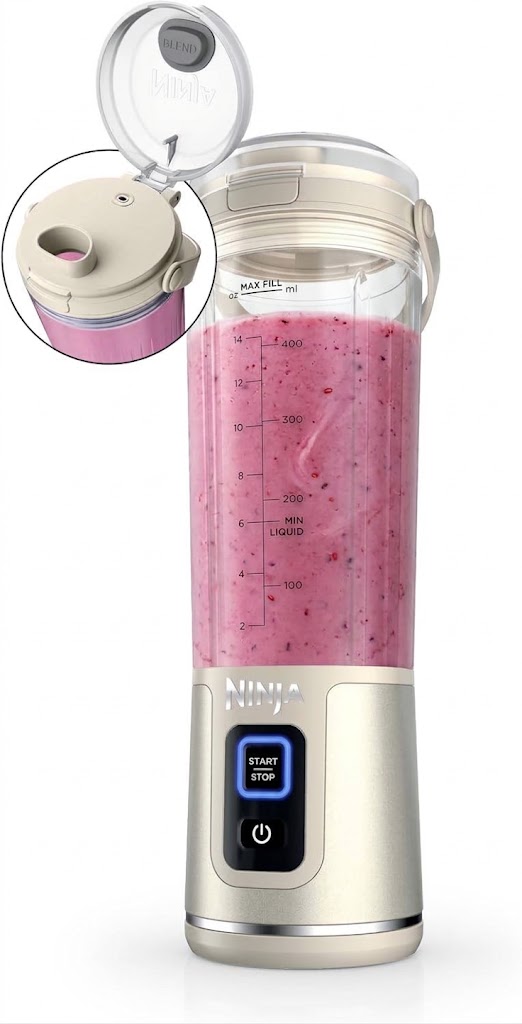
Ninja Blast Portable Blender, Cordless,18oz Vessel, Vanilla Bean
Check Price on AmazonEasy fruit pops
Blend ripe fruit with a little water or juice until smooth, pour it into clean pop molds, and freeze until solid. Add citrus juice for a sharper flavor or small pieces of fruit for texture. Avoid adding yogurt unless it is specifically dairy free and suitable for everyone eating the pops.
Quick granita
Stir fruit juice, coffee, or another chosen liquid with sugar to taste. Pour it into a shallow freezer-safe dish. Freeze it, scraping the mixture with a fork every 30 to 45 minutes until it forms loose ice crystals. The shallow dish and regular scraping help create the characteristic granular texture.
Simple fruit sorbet
Freeze chopped fruit in a single layer, then blend it with a small amount of water or juice until smooth. Serve it right away for a soft texture, or freeze it briefly for a firmer scoop. Very watery fruit may freeze harder, so a ripe banana or a small amount of plant-based milk can make the mixture smoother.
For any homemade recipe, check every packaged ingredient. Chocolate, flavor extracts, sweetened condensed milk alternatives, and toppings can have different ingredients across brands. Store the finished dessert in a sealed container to limit ice crystals and odors from other foods.
Common mistakes to avoid
Assuming fruit means dairy free: Fruit desserts can include yogurt, milk powder, cream, or a dairy coating. Check the package rather than judging by the flavor.
Confusing lactose free with dairy free: Lactose-free products may still contain milk proteins. They are not a safe substitute for a milk-free diet or milk allergy.
Trusting a flavor name: “Coconut,” “chocolate,” or “fruit” describes a taste, not necessarily the full recipe. Ingredient lists provide the useful details.
Ignoring toppings and serving tools: A dairy-free base can be topped with whipped cream or served with a scoop that touched dairy. Check the entire serving, not only the main flavor.
Forgetting other allergens: Replacing dairy with nuts or soy does not make a dessert allergen-free. Identify the specific ingredients and manufacturing warnings relevant to the person eating it.
Assuming vegan means allergy-safe: Vegan products avoid animal-derived ingredients, but they may still be made on shared equipment. For an allergy, check cross-contact information as well as ingredients.
Choosing the right option for your situation
If you want a naturally refreshing dessert, start with packaged Italian ice, granita, or a clearly labeled fruit pop. For a creamy scoop, look for a plant-based frozen dessert and choose a base that fits your taste and allergen needs. For a milk allergy, prioritize clear labeling and manufacturing information over a dessert’s name or appearance.
If you are ordering from a restaurant, ask about both ingredients and preparation. If the answer is uncertain, a sealed product with a full ingredient list is usually easier to assess. That practical distinction is easy to miss: the dessert can be dairy free by recipe but still carry a cross-contact risk.
Several frozen treats can be dairy free, including sorbet, Italian ice, granita, fruit pops, and plant-based frozen desserts. The exact ingredients and handling matter, so check the label and do not treat lactose-free as the same as dairy-free.
For your next purchase, inspect the ingredient and allergen statements, then check toppings and serving practices if you are eating out. If a milk allergy is involved and the details are unclear, choose a clearly labeled option with handling information you can confirm.
