is frozen yogurt dairy free? Check before you scoop
Usually, no: traditional frozen yogurt is made with yogurt or milk, so it contains dairy. Some products and shop offerings are plant-based, but you need to check the ingredients and preparation details rather than rely on the name.
This guide explains which ingredients signal dairy, how to tell dairy-free desserts from lactose-free ones, and what to ask at a frozen yogurt shop. You’ll also see how plant-based options compare, how toppings and shared equipment can affect your choice, and how to make a simple dairy-free version at home.
is frozen yogurt dairy free? The short answer
Most traditional frozen yogurt is not dairy free. It is typically made with milk, yogurt, or a combination of dairy ingredients. That means it can contain milk proteins and, depending on the recipe, lactose, the naturally occurring sugar in milk.
The name can be confusing because “frozen yogurt” describes a style of frozen dessert, not a guarantee about its ingredients. A product labeled plant-based or dairy-free may be made with coconut, oat, soy, almond, or another non-dairy base. Check the package or ask the shop to confirm that the specific flavor is made without milk ingredients.
If you avoid dairy because of an allergy, do not rely on a flavor name, a “vegan-style” topping, or a staff member’s guess. Read the full ingredient and allergen information, and ask about shared equipment and serving tools. Those details matter because dairy can be present through ingredients or cross-contact.
What frozen yogurt is usually made from
Conventional frozen yogurt starts with a dairy base. That base may include yogurt, milk, cream, or milk solids. Producers add sweeteners and flavorings, then freeze the mixture while mixing it to create a smooth, scoopable or soft-serve texture.
Some recipes use yogurt cultures, which are microorganisms used to ferment milk. Fermentation gives yogurt its characteristic tang, but it does not make the product dairy free. The milk remains part of the recipe, and its proteins can still matter to people with a milk allergy.
Recipes vary by brand and flavor. One plain flavor may have a shorter ingredient list than a cookie or cheesecake flavor, but a simple-looking flavor is not automatically dairy free. Always check the specific item, because mix-ins, flavor pastes, and coatings can add milk ingredients.
How to check whether a product contains dairy
Start with the ingredient list, not the front of the package. Look for milk and ingredients made from milk. In the United States, milk is a major food allergen, so packaged foods containing it generally identify milk in the ingredient list or a separate allergen statement. Still, read the whole label, especially if you have an allergy.
Common dairy ingredients to spot
- Milk, cream, and yogurt: Direct signs that the product contains dairy.
- Whey and whey protein: Components of milk often used in processed foods.
- Casein and caseinates: Milk proteins that may appear in flavorings or texture ingredients.
- Milk powder, nonfat dry milk, and milk solids: Concentrated milk ingredients used to add body or flavor.
- Butter, butterfat, and ghee: Dairy-derived ingredients, even though some contain less lactose than milk.
- Curds and cream cheese: Dairy ingredients that may occur in richer dessert flavors.
Ingredient names can be unfamiliar, so do not assume a product is dairy free because you do not see the word “milk” at first glance. If a label is unclear, contact the manufacturer or choose a product with a clear dairy-free statement that suits your needs.
What labels do and do not tell you
“Dairy free” indicates that a product is made without dairy ingredients, but people with serious allergies should also consider the manufacturer’s cross-contact information. “Vegan” generally means the product contains no animal-derived ingredients, including dairy. However, vegan labeling does not by itself explain how a product is handled around allergens.
“Non-dairy” can be less straightforward than it sounds. In some food-labeling contexts, the term has been used for products that still contain milk-derived ingredients, such as certain caseinates. Read the ingredient and allergen statements instead of treating “non-dairy” as a substitute for checking the full label.
“May contain milk” or “made on shared equipment with milk” is a precautionary statement about possible cross-contact. It does not mean milk is necessarily an ingredient, but it can be important for someone with a milk allergy. If you have an allergy, follow your clinician’s advice about precautionary statements and contact the manufacturer when needed.
Dairy-free, lactose-free, and vegan are different
These terms address different things. Dairy-free means no dairy ingredients, while lactose-free products may still be made from cow’s milk. Vegan products exclude animal-derived ingredients, including milk, but the label may not answer every question about allergen cross-contact.
| Label or description | What it generally means | Best for | What to check |
|---|---|---|---|
| Dairy-free | Made without dairy ingredients | People avoiding milk products | Allergen and cross-contact information if allergy is a concern |
| Lactose-free | Contains little or no lactose, often because the lactose has been broken down or removed | Some people who have difficulty digesting lactose | Whether it still contains milk proteins; it may not suit a milk allergy |
| Vegan | Made without animal-derived ingredients | People avoiding animal products | Shared equipment and allergen statements |
| Non-dairy | A product described as not being a conventional milk-based food | People comparing alternative dessert products | Full ingredient list; the wording alone may not settle whether it contains a milk-derived ingredient |
Lactose intolerance is not the same as a milk allergy. Lactose intolerance involves trouble digesting lactose. A milk allergy is an immune response to milk proteins and can be serious. A lactose-free frozen yogurt may still contain milk proteins, so it is not a safe stand-in for a dairy-free product for someone with a milk allergy.
How plant-based frozen yogurt compares
Dairy-free frozen desserts may be sold as frozen yogurt, plant-based frozen dessert, or another similar name, depending on the brand and local labeling rules. Their base affects flavor, texture, and which allergens to watch for. The table below describes common bases, but recipes vary by product.

Framendino, 16 Pack Artificial Chicken Nuggets Fake Fried Food Models Props for Kitchen Decor
Check Price on Amazon| Base | Typical qualities | Possible concern | Best for |
|---|---|---|---|
| Coconut | Rich texture and a noticeable or mild coconut flavor | Coconut is an allergen for some people; saturated fat can vary by recipe | People who want a creamy, dairy-free option and tolerate coconut |
| Oat | Often mild in flavor, with a smooth texture | Check for gluten cross-contact or certification if gluten avoidance matters | People seeking a neutral-tasting alternative without nuts |
| Soy | Can have a creamy texture and a more distinct flavor | Soy is a major allergen | People who want a plant-based option and tolerate soy |
| Almond | Often light, with a subtle nut flavor | Not suitable for people with almond or relevant tree-nut allergies | People who prefer a lighter-tasting nut-based option |
| Fruit-based | Can taste bright and refreshing, with texture depending on the recipe | May be closer to sorbet than yogurt; check for added dairy in flavors or mix-ins | People who want a fruit-forward frozen dessert |
A plant-based base does not guarantee that every flavor or topping is dairy free. Chocolate pieces, cookie crumbs, caramel, and flavor swirls may contain milk. Check each item separately, and do not assume a shop uses the same base for every flavor.
What to ask at a frozen yogurt shop
Shop menus do not always show complete ingredient lists. Self-serve machines, shared scoops, and toppings can also create cross-contact. If you are avoiding dairy for preference or intolerance, you may decide to accept a different level of risk than someone with a serious allergy. Be clear about your needs before ordering.
- Ask which flavors are made without dairy ingredients. Request the exact flavor name rather than asking only whether the shop has a dairy-free option.
- Ask to see the ingredient or allergen information. Staff may have product labels or manufacturer details available.
- Ask whether the machine and serving tools are shared. A dairy-free mix can be exposed to dairy through a shared nozzle, scoop, or container.
- Check the toppings separately. Granola, candy, sauces, cookie pieces, and chocolate can contain milk or be handled with shared utensils.
- Explain an allergy plainly. Ask whether staff can prepare the order with clean utensils and avoid shared surfaces. If they cannot provide reliable information, choose another option.
A helpful question is: “Does this flavor contain milk, and can it be served without contact with dairy?” That asks about both ingredients and handling. A “yes” to the first part alone may not answer the second.
Does frozen yogurt have less dairy or lactose?
Traditional frozen yogurt still contains dairy even if it tastes tangier or lighter than ice cream. The amount of lactose and milk protein depends on the recipe and serving, so the product name cannot tell you whether it will suit your dietary needs.
Some people with lactose intolerance can tolerate certain dairy foods, while others cannot. Individual tolerance varies, and frozen yogurt is not automatically a low-lactose choice. If lactose causes symptoms, check the product information and follow advice from a qualified health professional rather than assuming fermentation removes all lactose.
For a milk allergy, the key issue is milk protein, not lactose. Choosing a lactose-free dairy product does not remove all milk proteins. Avoid it unless a qualified medical professional has specifically advised that the product is appropriate for your situation.
Is frozen yogurt healthier than ice cream?
Not automatically. Frozen yogurt may be lower in fat than some ice creams, but nutrition depends on the recipe, serving size, and toppings. A product can still contain substantial added sugar, and a large serving can change the overall amount you eat.
Compare the Nutrition Facts labels for the serving size you expect to eat. Look at calories, added sugars, saturated fat, and protein, then compare similar portions. At a self-serve shop, the cup may hold more than one labeled serving, so the listed numbers may not match the amount you choose.
Plant-based frozen desserts also vary widely. Coconut-based versions may be rich, while fruit-based options may contain less fat but still have added sugar. Pick the option that fits your dietary needs and preferences rather than assuming that “dairy free” or “frozen yogurt” means healthier.
Can you make dairy-free frozen yogurt at home?
Yes. For an easy version, blend a plain, unsweetened dairy-free yogurt with frozen fruit and a sweetener if needed. Freeze the mixture briefly for a firmer texture, stirring once or twice, or serve it soon after blending for a softer result.
- Choose a base: Use a plant-based yogurt made from coconut, oat, soy, almond, or another suitable ingredient.
- Check the label: Confirm that both the yogurt and any flavorings meet your dietary needs.
- Blend with fruit: Add frozen berries, mango, or banana in small amounts until the mixture is smooth.
- Taste before sweetening: Fruit and flavored yogurt may already be sweet. Add a little sweetener only if needed.
- Serve or freeze: Eat it right away for a soft texture, or freeze it briefly and stir to limit hardening.
Homemade versions can become very firm after extended freezing because they lack some stabilizers and texture ingredients used in commercial products. Let the dessert soften briefly before scooping. For an allergy, clean the blender, containers, and utensils thoroughly and avoid ingredients that could cause cross-contact.
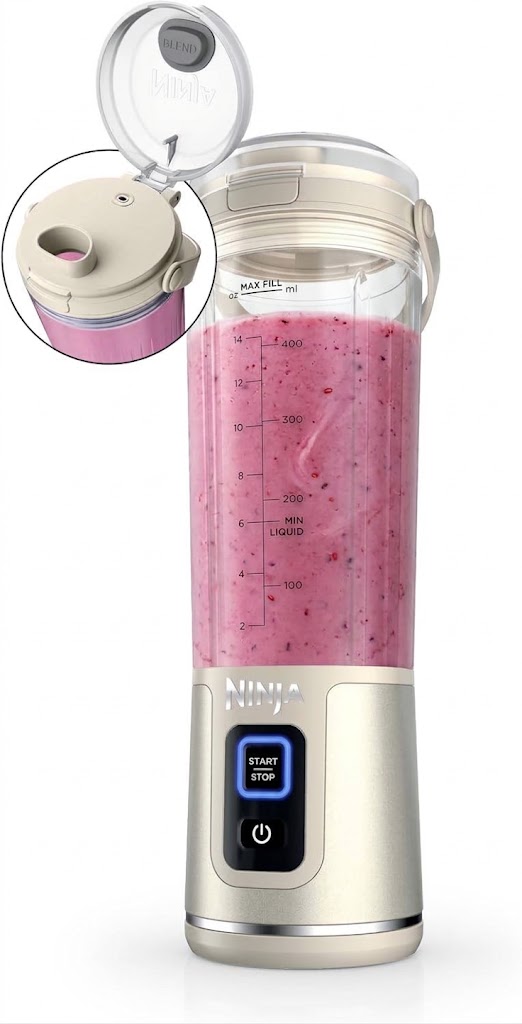
Ninja Blast Portable Blender, Cordless,18oz Vessel, Vanilla Bean
Check Price on AmazonCommon mistakes to avoid
- Assuming “yogurt” means dairy-free: Regular yogurt is usually made from milk, and freezing it does not change that.
- Treating lactose-free as dairy-free: Lactose-free products may still contain milk proteins.
- Trusting the flavor name: Plain, fruit, or chocolate flavors can still use a dairy base or contain dairy mix-ins.
- Checking only the frozen dessert: Toppings, sauces, cones, and serving utensils can add dairy or create cross-contact.
- Assuming vegan automatically means safe for an allergy: Ingredients may be animal-free even when production equipment is shared with milk.
- Using “non-dairy” as the only test: Read the ingredient and allergen information, especially if you need to avoid milk proteins.
A useful rule: Treat every flavor, topping, and serving setup as a separate check. A dairy-free base is only one part of the order; preparation and add-ons matter too.
Most traditional frozen yogurt contains milk, so the name alone does not mean it is dairy free. Look for clear ingredient information, and distinguish dairy-free products from lactose-free ones, which may still contain milk proteins.
Before you buy or order, check the specific flavor, toppings, and handling practices. If you have a milk allergy and the shop cannot confirm its ingredients and preparation, choose a clearly labeled packaged option instead. That is the safest practical answer to is frozen yogurt dairy free.
