can i have frozen yogurt while pregnant: safe tips
Yes, you can usually have frozen yogurt while pregnant if it is made with pasteurized milk and handled safely. The main concerns are unpasteurized ingredients and contamination from poorly cleaned equipment or toppings—not the fact that the yogurt is frozen.
Here’s how to choose between packaged, scoop-shop, and soft-serve options, what to check about ingredients and hygiene, and which toppings are sensible choices. You’ll also find practical guidance on sugar, calcium, and frozen yogurt if you have gestational diabetes.
Can i have frozen yogurt while pregnant?
Usually, yes. Frozen yogurt is generally a reasonable pregnancy choice when it is made from pasteurized dairy and prepared and stored cleanly. Pasteurization is a heat treatment that reduces harmful germs in milk and other dairy products.
The important detail is that freezing does not make unsafe food safe. Freezing slows or stops the growth of many germs, but it does not reliably kill them. Frozen yogurt made with unpasteurized milk, or contaminated after production, can still carry a risk.
So check the source and handling rather than relying on the word “frozen.” Commercial packaged products are often straightforward because their labels identify ingredients and the product stays sealed until serving. At a shop, pay attention to cleanliness, refrigeration, and how toppings are handled.
Why pasteurization and clean handling matter
During pregnancy, foodborne infections deserve extra care because some infections can cause complications for you or the developing baby. Listeria is one concern associated with certain contaminated foods. It can grow at refrigerator temperatures, and freezing does not reliably destroy it.
Pasteurized milk or yogurt lowers the risk of germs that may be present in raw dairy. But pasteurization is not a guarantee against contamination later. A product can be exposed to germs during storage, transport, serving, or contact with unclean equipment.
That is why “made with pasteurized milk” is an important check, but it is not the only check. A clean serving area and proper temperature control also matter. If a shop cannot answer whether its dairy base is pasteurized, choose a clearly labeled packaged option or ask for another dessert.
Packaged, scoop-shop, and soft-serve options compared
Frozen yogurt comes in several forms. None is automatically safe or unsafe just because of its format; the ingredients and handling make the difference.
| Type | What to check | Best for |
|---|---|---|
| Sealed packaged frozen yogurt | Check the label for pasteurized dairy, keep it frozen, and avoid damaged or partly thawed containers. | A clear ingredient label and more control over handling. |
| Scooped frozen yogurt | Choose a clean shop with covered containers, clean utensils, and staff who avoid mixing flavors with the same scoop. | People who want a portion served by staff rather than using a self-serve station. |
| Soft-serve frozen yogurt | Ask whether the dairy base is pasteurized and whether machines are cleaned and maintained on schedule. Avoid a machine or counter that looks dirty. | A freshly served treat from a reputable, well-maintained location. |
| Homemade frozen yogurt | Start with pasteurized yogurt, clean equipment, and fresh ingredients that have been washed and stored safely. | People who want to choose the ingredients and portion size. |
Soft serve is not automatically off-limits. The practical concern is that a dispensing machine can be difficult to clean thoroughly and may be handled frequently. If cleanliness is uncertain, skip it. A sealed product or a freshly opened container gives you more information and control.
How to choose frozen yogurt at a shop
Use these checks before ordering. They are quick, and they focus on the parts that can change the risk.
- Ask about the dairy base. Confirm that the milk or yogurt is pasteurized. If staff do not know, choose another item with a clear label.
- Look around the serving area. Counters, nozzles, containers, and utensils should appear clean. Avoid a shop where food is spilled, equipment looks neglected, or toppings are uncovered and exposed to customers.
- Check whether staff use clean utensils. A scoop should not be shared between flavors if it can transfer food or allergens. For soft serve, the nozzle should not be visibly dirty or touch customers’ cups.
- Choose toppings that have been protected. Covered containers and clean serving spoons are preferable to open bins that many customers handle.
- Order a fresh serving and eat it promptly. Do not leave it sitting warm for a long time, then refreeze it. If it has melted substantially or been held at room temperature, discard it rather than saving it.
A busy shop can have fresh product, but customer volume alone does not prove safe handling. Clean equipment and clear answers about ingredients are more useful signals than a long line.
Which toppings are sensible during pregnancy?
Most ordinary toppings can fit into a pregnancy diet when they are clean and stored properly. Toppings do not become safer simply because they sit on a frozen dessert, so use the same care you would with other ready-to-eat foods.
- Fresh fruit: Choose fruit that looks fresh and has been washed. Avoid cut fruit that has been sitting out, looks dried out, or is stored in an unclean container.
- Nuts and seeds: These are generally fine if fresh and handled with clean utensils. They can add texture and nutrients, but they may trigger allergies or cross-contact with allergens.
- Commercial sauces and sprinkles: These are usually convenient choices when kept covered and served with clean tools. Check the label if you have an allergy or need to limit a particular ingredient.
- Homemade sauces or mousse: Ask about ingredients if they may contain raw or undercooked eggs. Choose versions made with pasteurized egg products or thoroughly cooked ingredients.
- Unpasteurized dairy toppings: Avoid toppings made from raw milk or unpasteurized cheese. Ask if the ingredient is unclear.
Self-serve bars deserve particular attention. Shared handles, utensils, and open topping bins can spread germs or allergens. If the setup looks messy or toppings have been exposed for a long time, skip them or order a plain serving.
Frozen yogurt, sugar, and nutrition
Frozen yogurt can provide calcium and protein, especially when it contains a substantial amount of yogurt. The amount varies by product, so do not assume that every frozen yogurt has the same nutritional value as a serving of plain yogurt. Some products are more like a sweet dessert, with added sugar and relatively little protein.

Framendino, 16 Pack Artificial Chicken Nuggets Fake Fried Food Models Props for Kitchen Decor
Check Price on AmazonCheck the nutrition label for the serving size, added sugars, and protein. A cup can hold more than one labeled serving, particularly at self-serve shops. Toppings such as candy, cookie pieces, and sweet sauces can add sugar quickly. A smaller portion with fruit or nuts may make it easier to enjoy the treat without turning it into a very large dessert.
Frozen yogurt is not a substitute for prenatal supplements or a balanced meal. If you want calcium from dairy, compare the label with plain yogurt, milk, or other calcium-rich foods. The better choice depends on your overall diet and what you enjoy eating.
What if you have gestational diabetes?
Frozen yogurt is not automatically forbidden if you have gestational diabetes, but its carbohydrate content can affect blood glucose. The amount and type of carbohydrate, your portion, and what else you eat all matter. Follow the meal plan and glucose targets provided by your prenatal care team.
Look at the total carbohydrate per serving on the label, not just the words “low fat” or “sugar free.” A product can contain less added sugar but still provide carbohydrates from milk or other ingredients. Shop servings can be difficult to estimate, so ask for a small portion or choose a labeled single-serving package when that makes portion planning easier.
If you monitor your blood glucose, use your care team’s instructions for checking how particular foods affect you. A topping-heavy bowl may contain considerably more carbohydrate than plain frozen yogurt. If you are uncertain how to count a particular product, ask your dietitian, doctor, or diabetes care team rather than guessing.
Can homemade frozen yogurt be a safer choice?
Homemade frozen yogurt can give you more control, but it still needs safe ingredients and clean preparation. Use yogurt made from pasteurized milk. Wash your hands, clean the blender or mixing bowl, and use fruit that has been rinsed under clean running water.
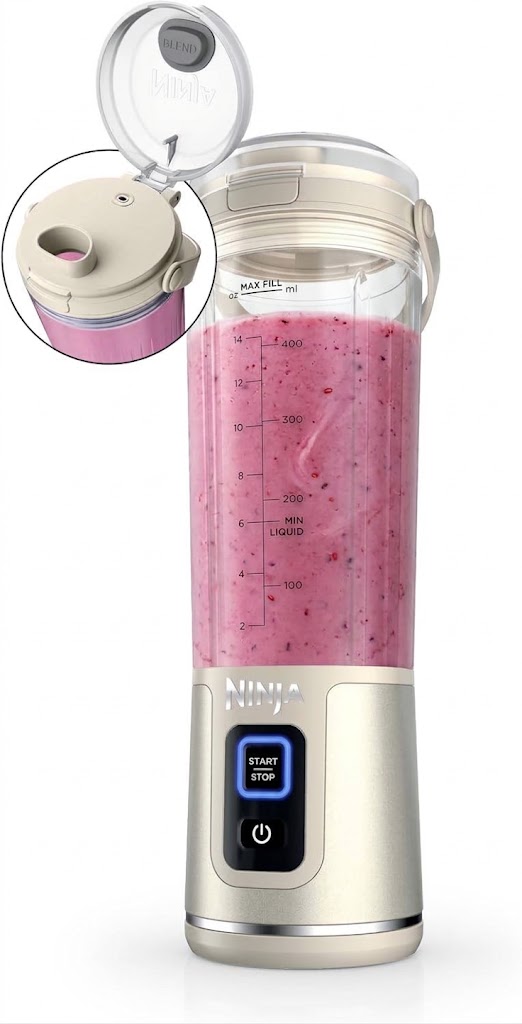
Ninja Blast Portable Blender, Cordless,18oz Vessel, Vanilla Bean
Check Price on AmazonFreeze the mixture in a clean, covered container. Avoid letting it sit out while you prepare other food, and do not keep refreezing portions that have melted and warmed up. If you add eggs to a recipe, use pasteurized eggs or a recipe that cooks them thoroughly; many simple frozen yogurt recipes do not need eggs at all.
Keep in mind that homemade does not automatically mean safer. A clean kitchen and safe ingredients matter, and commercially sealed products may be a simpler choice when you cannot confirm the source of homemade dairy.
Common mistakes to avoid
- Assuming freezing kills every germ. It does not. Frozen foods can still be unsafe if the ingredients were contaminated or the product was handled poorly.
- Assuming every frozen yogurt is made with pasteurized dairy. Check the label or ask. Do not treat “frozen” or “yogurt” as proof of pasteurization.
- Ignoring the machine because the shop looks polished. A clean-looking counter does not tell you how often equipment is cleaned. Ask if you are unsure, and choose a different option if the answer is unclear.
- Leaving a serving out and saving it later. A dessert that has melted and sat warm should not be refrozen for later. Buy a portion you can eat promptly.
- Thinking “probiotic” means risk-free. Some frozen yogurt contains live cultures, but that does not make an unpasteurized or contaminated product safe. Probiotic claims do not replace food-safety checks.
- Overlooking allergens and cross-contact. Shared scoops and topping utensils can transfer ingredients such as nuts. Tell staff about allergies and ask how they prevent contact.
When should you ask your prenatal care team?
If you ate frozen yogurt and feel well, there is usually no reason to panic. A single serving does not mean you will become ill. Keep the product label or note where you bought it if you later learn that it was recalled or linked to contamination.
Contact your healthcare provider if you develop symptoms that concern you after eating a potentially unsafe product, especially fever or flu-like symptoms. Your provider can advise you based on your symptoms, pregnancy, and exposure. Seek urgent care for severe symptoms or if your clinician has told you to act quickly for a specific condition.
Ask your prenatal care team for individual guidance if you have a high-risk pregnancy, a weakened immune system, a dairy allergy, or gestational diabetes. They can tailor advice to your medical needs and help you fit treats into your eating plan.
Yes, can i have frozen yogurt while pregnant? In most cases, you can, provided it is made with pasteurized dairy and handled cleanly. Freezing alone does not eliminate food-safety risks, so ingredient information and shop hygiene matter.
Before you order, check the dairy source, look for clean equipment and covered toppings, and choose a portion that suits your needs. If you have gestational diabetes or a medical concern, follow your prenatal care team’s specific advice.
