can you eat frozen yoghurt? Safety and storage
Yes, can you eat frozen yoghurt? You can eat it safely if it was made with safe ingredients and kept frozen or properly chilled according to its label. Freezing preserves food, but it does not kill every harmful germ.
That means storage and handling matter as much as the date printed on the tub. A dessert that has melted, sat warm, or been served with unclean utensils may not be safe, even if it looks normal.
Here’s how to judge store-bought, homemade, and self-serve varieties, what to do after thawing, and which changes point to a quality problem rather than a safety risk.
Can you eat frozen yoghurt safely?
Usually, yes. Frozen yoghurt is safe to eat when it was prepared with safe ingredients, handled hygienically, and kept at the temperature directed on its package. If it stayed continuously frozen, it can remain safe for a long time, although its taste and texture may decline.
Freezing slows the growth of many bacteria, but it does not sterilize food. Some germs can survive freezing and become active again as the product warms. So a tub that was contaminated before freezing, or left warm for too long after thawing, can still pose a food-safety risk.
Check the label first. Keep the product frozen if the package says to do so, and follow any instructions for thawing or serving. If it is sold refrigerated rather than frozen, treat it like another chilled dairy product and keep it cold.
When you cannot tell how long it was warm, or it may have been exposed to unsafe conditions, the safest choice is to discard it. Smell and appearance can reveal some problems, but they cannot prove that food is safe.
What kind of frozen yoghurt do you have?
The name can describe products made and sold in different ways. Some come in sealed tubs from a grocery store. Others are dispensed from a soft-serve machine, sold as a packaged bar, or made at home. Their ingredients and handling risks differ, so use the right checks for the product in front of you.
| Type | What to check | Best safety approach |
|---|---|---|
| Sealed grocery-store tub | Intact packaging, label instructions, and a firm frozen texture | Keep frozen and use a clean scoop |
| Soft-serve or self-serve | Clean equipment, cold product, and tidy serving area | Choose a well-maintained dispenser and eat it promptly |
| Homemade batch | Milk, yoghurt, and other ingredients; cleanliness during preparation | Use pasteurized dairy and clean equipment |
| Thawed product | How long it was warm and whether it stayed safely chilled | Follow package directions; discard if it was left out too long |
| Frozen yoghurt bar or sandwich | Wrapper condition and storage instructions | Keep frozen until serving and avoid damaged or unsealed packs |
Packaged tubs and bars
Choose a package that is sealed and undamaged. If the tub is soft, leaking, or surrounded by signs of thawing and refreezing, select another one. A little frost on the package is not proof of danger, but heavy ice buildup inside can indicate temperature changes that affect quality.
Once home, put the product in the freezer promptly. Store it in the main freezer compartment rather than in the door, where temperatures can fluctuate more as the door opens. Close the lid firmly after serving so the surface is less exposed to air and freezer odors.
Soft-serve and self-serve
Soft-serve products need extra attention because they are dispensed from machines that must be cleaned and maintained. Look for a visibly clean counter, tidy toppings area, and staff who use clean utensils. If the machine appears dirty, the product is unusually runny, or the serving area is not being kept clean, choose something else.
At a self-serve station, use a fresh cup and a clean spoon. Do not let a used spoon touch shared toppings or go back into a topping container. Keep toppings separate if you have a food allergy, since serving tools and bins can transfer small amounts of other ingredients.
How to store it at home
For a frozen product, the freezer should be set to 0°F (-18°C) or colder. This temperature keeps food frozen and slows quality loss. Follow the package’s directions if they are more specific, especially for products intended to be refrigerated after opening.
- Bring it home promptly. Put frozen groceries away as soon as possible. If your trip is long, an insulated bag can help keep them cold.
- Keep the freezer cold. Avoid leaving the tub on the counter while you prepare toppings or serve other food.
- Use a clean scoop. A spoon that has touched someone’s mouth or another food can transfer germs into the container.
- Limit warm exposure. Scoop the portions you want, then return the tub to the freezer without delay.
- Close and protect the package. Press the lid on securely. If the original lid is missing, use a clean, freezer-safe cover.
These habits help prevent contamination and reduce ice crystals. They also protect flavor: air exposure can dry the surface and make it taste stale or absorb odors from other frozen foods.
For a refrigerated product, keep it at 40°F (4°C) or colder. Don’t assume that every product with “frozen yoghurt” in its name should be stored in the freezer; read the package. Storage instructions reflect how that particular product was made and packaged.
What if it melts or thaws?
A brief softening while you serve a portion does not automatically make the whole container unsafe. The important questions are how warm it became, how long it stayed that way, and whether it was handled cleanly. If it is still cold and has not been left out for long, return it to the freezer promptly if the package directions allow.
For perishable food, a useful household safety rule is to discard it if it has been above 40°F (4°C) for more than two hours. If the surrounding temperature is above 90°F (32°C), use a one-hour limit. These limits are especially important at picnics, in hot cars, or during a power outage.
Refreezing does not undo time spent warm. It may also make the texture grainy or icy as water separates and freezes again. If you know a tub thawed in the refrigerator and stayed cold, consult its package instructions; if it sat warm for an unknown period, don’t taste-test it to decide whether it is safe.
During a power outage, keep the freezer door closed as much as possible. A full freezer generally stays cold longer than a partly full one, but the condition of the food matters more than guessing how many hours have passed. If the product has thawed and you cannot confirm it remained at a safe temperature, discard it.

Framendino, 16 Pack Artificial Chicken Nuggets Fake Fried Food Models Props for Kitchen Decor
Check Price on AmazonHow to tell whether it has gone bad
Look for several warning signs, but remember that no single sign can confirm safety. Discard the product if its package is swollen, leaking, badly damaged, or no longer sealed. Also throw it away if it has an unusual sour or rancid odor, visible mold, or a color change that is not part of the product.
Separation, a watery layer, or a coarse, icy texture can result from thawing and refreezing. Those changes often indicate poor quality rather than automatically proving that the product is unsafe. Still, they are a reason to check its storage history carefully. If you cannot establish that it stayed cold, discard it.
Do not taste a questionable product as a safety test. Harmful germs may not change its smell, appearance, or flavor. When the history is uncertain, especially after a power outage or a long period on the counter, throwing it away is safer than taking a chance.
Is homemade frozen yoghurt safe?
Homemade batches can be safe when you start with ingredients that are safe to eat and keep everything clean. Use pasteurized milk and yoghurt. Pasteurization is a heat treatment that reduces harmful germs in dairy; freezing raw milk does not replace that treatment.
Wash your hands and clean the bowl, blender, ice-cream maker, and serving tools before use. Keep ingredients refrigerated while preparing the mixture, and return the finished batch to the freezer promptly. If a recipe includes raw egg, use pasteurized egg or choose a recipe that does not require raw egg.
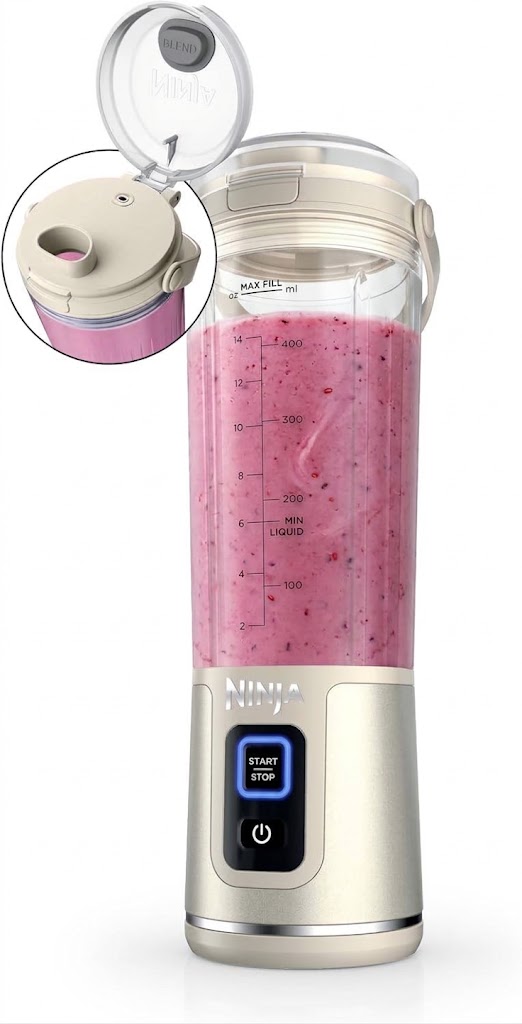
Ninja Blast Portable Blender, Cordless,18oz Vessel, Vanilla Bean
Check Price on AmazonHomemade batches may freeze harder or develop ice crystals because they lack some of the stabilizers and processing used in commercial products. That is mainly a texture issue. Store the batch in a clean, covered, freezer-safe container and label it with the date it was made so you can keep track of it.
Do not serve a homemade batch that has been left at room temperature for an extended period. Also avoid repeatedly taking the container out to soften it and putting it back. Scoop a serving and return the rest to cold storage rather than allowing the whole batch to warm.
Who should be extra cautious?
People who are pregnant, very young, older, or have a weakened immune system can face greater consequences from foodborne illness. For them, safe ingredients and careful handling deserve particular attention. Choose products made with pasteurized dairy and avoid anything with an uncertain storage history.
Food allergies and intolerances are separate concerns from food spoilage. Frozen yoghurt may contain milk, and some products include nuts, eggs, soy, or other ingredients. Read the ingredient and allergen statements each time, since recipes and manufacturing conditions can differ between products.
People with lactose intolerance may tolerate some yoghurt products differently from milk, but freezing does not remove lactose. If lactose causes symptoms, check the label for a lactose-free option or follow advice from a health professional who knows your needs.
Common mistakes that create confusion
Assuming freezing kills all germs
Freezing is a way to preserve food, not a way to make unsafe food safe again. It can stop or slow growth while the food is frozen, but some organisms survive and can grow again after thawing. Start with safe ingredients and keep the product cold throughout storage and serving.
Treating the date as the only safety test
A date on a package is useful, but it cannot tell you whether the tub was kept cold after purchase. A product within its date can still be unsafe if it was mishandled. Conversely, a continuously frozen product may remain safe after its best-quality date, though its texture and taste may suffer. Follow the label and use storage history as well as dates.
Using smell to settle every question
A bad smell is a clear reason to discard food, but a normal smell is not proof that it is safe. Some germs do not create obvious changes. If it was left warm too long, don’t rely on appearance or a small taste.
Refreezing without considering the time warm
Putting a melted tub back in the freezer does not reset the clock or remove contamination. It can hide the evidence of thawing by making the product firm again. Think about how long it was warm and whether it stayed safely chilled before deciding what to do.
Quick checks before you serve a portion
- Is the product meant to be frozen, and have you followed its label?
- Was it kept frozen or properly refrigerated, rather than left warm?
- Is the package intact, with no sign of leakage, mold, or an unusual odor?
- Will you use a clean scoop and return the tub to the freezer promptly?
- Are ingredients and allergen information suitable for everyone eating it?
If those checks are reassuring, serve a portion and keep the rest cold. If the storage history is unclear or the product may have been warm beyond safe limits, discard it rather than taking a risk.
Yes, can you eat frozen yoghurt? It is generally safe when made with safe ingredients and kept frozen or properly chilled, but freezing does not kill every harmful germ. Storage history matters more than a normal smell or appearance.
Before serving, check the package, consider whether it may have thawed, and use a clean scoop. If it sat warm too long or you cannot tell how it was handled, throw it out.
