can you eat yogurt that was frozen? What to expect
Yes. If you are asking, “can you eat yogurt that was frozen,” it is generally safe as long as it was fresh when frozen and stayed cold. Freezing can change the texture, but it does not automatically make yogurt unsafe.
How you thaw it matters, too. Learn how to check its safety, what to expect from different types, how to store it, and practical ways to use yogurt that turns grainy or separates after thawing.
can you eat yogurt that was frozen: is it safe?
Usually, yes. Yogurt that was frozen while fresh and kept continuously frozen is generally safe to eat after thawing. The main change is often quality: it may become watery, grainy, or less creamy because freezing disrupts the structure of the yogurt.
Freezing slows the growth of most microbes, but it does not sterilize food or remove bacteria that may already be present. It also does not make spoiled yogurt safe again. If the yogurt was left out too long, smelled or looked spoiled before freezing, or thawed in unsafe conditions, discard it rather than relying on the freezer to fix the problem.
For the safest result, thaw yogurt in the refrigerator, keep it cold, and check the container before eating. If it smells normal and has no signs of spoilage, a change in texture alone is usually not a reason to throw it away.
How freezing changes yogurt
Yogurt is a mixture of water, proteins, fat, and live cultures. When it freezes, water forms ice crystals. Those crystals can push the other ingredients apart, so the yogurt may not return to its original smooth consistency after thawing.
You might notice a layer of liquid on top, a slightly sandy or curdled feel, or a thinner texture. That liquid is usually whey, a naturally occurring part of yogurt. Stirring can bring it back into the mixture, though it may not become as creamy as it was before freezing.
Texture changes are more noticeable in some products than others. Yogurt with a high water content may seem thinner, while a thick product can become grainy or lumpy. Products with stabilizers may hold their texture better, but results vary by brand and recipe.
Freezing can also affect flavor and aroma. The taste may seem less fresh after a long time in the freezer, especially if the package was not sealed well and the yogurt picked up freezer odors. A slightly altered texture or mild change in flavor is a quality issue; a foul smell, mold, or damaged packaging is a reason to discard it.
How to freeze yogurt properly
Freeze yogurt while it is still fresh, not after it has sat in the refrigerator for an uncertain amount of time. Check the package date and condition first. If it is already past its date or has signs of spoilage, freezing is not a safe way to extend its life.
- Choose a suitable container. Keep yogurt in its original sealed tub if it is freezer-safe and has room for expansion. Otherwise, transfer it to a clean, airtight freezer container. Leave a little space at the top because the contents may expand.
- Freeze individual portions if convenient. Divide yogurt into small containers or freezer-safe portions. Smaller servings thaw faster, and you can take out only what you need.
- Label the package. Write the freezing date on the container. This helps you use older portions first and judge how long they have been stored.
- Put it in a cold part of the freezer. Keep it away from the door if possible, where temperatures can fluctuate more often. A freezer set to 0°F (−18°C) or below helps keep food frozen.
- Protect it from air and odors. Close the lid tightly. If the original tub is open or does not seal well, place it inside a freezer bag or a second airtight container.
For best quality, use frozen yogurt within a couple of months. It can remain safe longer if it stays continuously frozen, but its texture and flavor may decline over time. The date is a quality guide, not a guarantee that yogurt will remain pleasant to eat indefinitely.
How to thaw frozen yogurt safely
The refrigerator is the best place to thaw yogurt because it keeps the food cold while it softens. Set the container on a shelf rather than leaving it on the counter. Depending on the portion size, thawing may take several hours or overnight.
- Move only the amount you plan to use from the freezer to the refrigerator.
- Keep the lid on while it thaws to limit contamination and prevent the yogurt from absorbing other food odors.
- Stir it after thawing to mix in any separated liquid. If it remains lumpy, whisk it or blend it for a smoother result.
- Use it promptly and keep it refrigerated between servings. Do not leave it out while you decide how to use it.
A microwave can warm yogurt unevenly and may make the texture worse, so it is not the preferred thawing method. If you need a portion quickly, add frozen yogurt directly to a smoothie or blend it into a recipe rather than trying to thaw the entire tub at room temperature.
Do not thaw yogurt on the counter for hours. Perishable food should not sit at room temperature for more than two hours, or more than one hour when the temperature is above 90°F (32°C). If it has been out longer than those limits, discard it. A warm room can allow harmful bacteria to grow even if the yogurt still looks normal.
How different types of yogurt freeze
Most yogurt types can be frozen, but they do not all thaw the same way. The table below gives a practical expectation for common varieties. The exact result depends on the product’s ingredients, fat level, and packaging.
| Yogurt type | What may happen after thawing | Best for |
|---|---|---|
| Plain regular yogurt | May separate and become thinner or slightly grainy | Smoothies, sauces, and baking |
| Greek yogurt | Often stays thick, though it can become grainy or release liquid | Smoothies, marinades, and cooked dishes |
| Flavored or fruit yogurt | Fruit or syrup may separate from the yogurt base | Blended drinks or recipes where texture is less important |
| Drinkable yogurt | May thaw unevenly and need thorough shaking or blending | Smoothies after mixing |
| Yogurt cups with mix-ins | Crunchy toppings can soften; separate pieces may become soggy | Eating frozen as a treat, if the product is suitable |
| Dairy-free yogurt | Texture varies widely; some products separate more than dairy yogurt | Blended recipes after checking the texture |
Best practical choice: Freeze plain yogurt in small portions if you plan to cook or blend with it later. If you want to eat yogurt by itself with a smooth, creamy texture, freezing may disappoint, so keep that portion refrigerated instead.
Can frozen yogurt be refrozen?
If yogurt thawed in the refrigerator and remained cold, it can generally be refrozen from a food-safety standpoint. However, each freeze-and-thaw cycle can make the texture less appealing. Refreeze it only if it was handled safely and you are comfortable using it in a recipe where a change in texture will not matter.
Do not refreeze yogurt that thawed on the counter or stayed warm for too long. Also avoid refreezing yogurt if you are unsure how long it has been thawed or whether the refrigerator kept it cold. When the handling history is unclear, throwing it away is the safer option.
If the yogurt still has ice crystals and has remained cold, it may not have fully thawed. You can return it to the freezer, though its quality may still change. For better results, freeze individual servings at the start so you do not have to thaw and refreeze a large container.
How long does frozen yogurt last?
Yogurt kept continuously frozen at 0°F (−18°C) or below can remain safe for a long time, because freezing prevents microbial growth while the food stays frozen. That does not mean its quality stays the same. Flavor, aroma, and texture can deteriorate, particularly if the container is opened often or exposed to air.
For the best eating quality, plan to use it within a couple of months. If it has been frozen longer but stayed solidly frozen in a well-sealed package, inspect it after thawing. Freezer burn—dry, pale patches caused by air exposure—usually affects quality rather than making food unsafe, but it can make the yogurt unpleasant.
Follow any specific freezing or storage instructions on the package. If the freezer lost power, consider how long the yogurt was thawed and whether it stayed cold. Yogurt that remained cold or still contains ice crystals may be handled differently from yogurt that became warm; discard it if it spent too long above refrigerator temperature.

Framendino, 16 Pack Artificial Chicken Nuggets Fake Fried Food Models Props for Kitchen Decor
Check Price on AmazonSigns frozen yogurt should be discarded
Use your senses and the storage history together. A texture change by itself is common after freezing. These signs, however, call for caution:
- Mold: Fuzzy spots or unusual colored growth mean the yogurt should be discarded. Do not scoop off the visible area and eat the rest.
- Strong off odor: A rancid, rotten, or otherwise sharply unpleasant smell is not the same as a mild change in aroma from freezer storage.
- Damaged or leaking packaging: A broken seal, leaks, or a container that cracked may expose the food to contamination.
- Unsafe thawing: Yogurt that sat at room temperature beyond the recommended time should be thrown away, even if it looks fine.
- Unclear storage history: If you cannot tell whether it stayed cold, do not taste it to test its safety.
Never taste questionable food to decide whether it is safe. Some harmful bacteria do not cause an obvious smell, taste, or appearance change. When in doubt about how the yogurt was stored, discard it.
Can you freeze yogurt in its original container?
Often, yes, if the container is intact and suitable for freezer storage. Check the packaging and leave some headspace if the tub is nearly full. Yogurt can expand as it freezes, so a completely full or brittle container may crack or push the lid open.
For glass jars, use only containers labeled as freezer-safe and leave room at the top. Ordinary glass may crack as the contents expand or as temperatures change. A sturdy, airtight plastic container or freezer bag is often a simpler choice for portions.
If you opened the package, transfer the yogurt to a clean container with a tight-fitting lid. Do not freeze it in a container that previously held raw meat or another food unless it has been thoroughly cleaned. Sealing matters because it helps limit freezer odors and drying.
Best ways to use yogurt after freezing
Thawed yogurt works best in dishes where a perfectly smooth texture is not essential. Stir it well first. If the mixture is still grainy, a quick blend can improve it, but blending will not always recreate the original consistency.
- Smoothies: Add frozen yogurt straight to a blender with fruit and liquid. It adds a tangy, creamy element and can help chill the drink.
- Baking: Use thawed yogurt in recipes for muffins, quick breads, pancakes, or cakes that call for yogurt. Follow the recipe’s amount and ingredient instructions.
- Marinades: Plain yogurt can help form a flavorful coating for chicken or vegetables. Keep the marinade refrigerated and avoid reusing it as a sauce unless it has been safely cooked.
- Sauces and dips: Stir it into cooked or blended sauces. If you need a smooth, cold dip, strain watery yogurt or whisk it thoroughly before seasoning.
- Frozen yogurt bites: Freeze small spoonfuls or portions as a snack. Expect a firm, icy texture rather than the soft texture of commercial frozen yogurt.
- Oatmeal or porridge: Stir a small amount into warm food after cooking. Avoid boiling it for a long time, which can make the texture separate further.
For recipes that depend on yogurt being thick and smooth, such as a cold topping or a simple yogurt bowl, thawed yogurt may not be the best choice. You can drain some excess whey through a clean fine strainer in the refrigerator, but this will make the remaining yogurt thicker and reduce the amount you have.
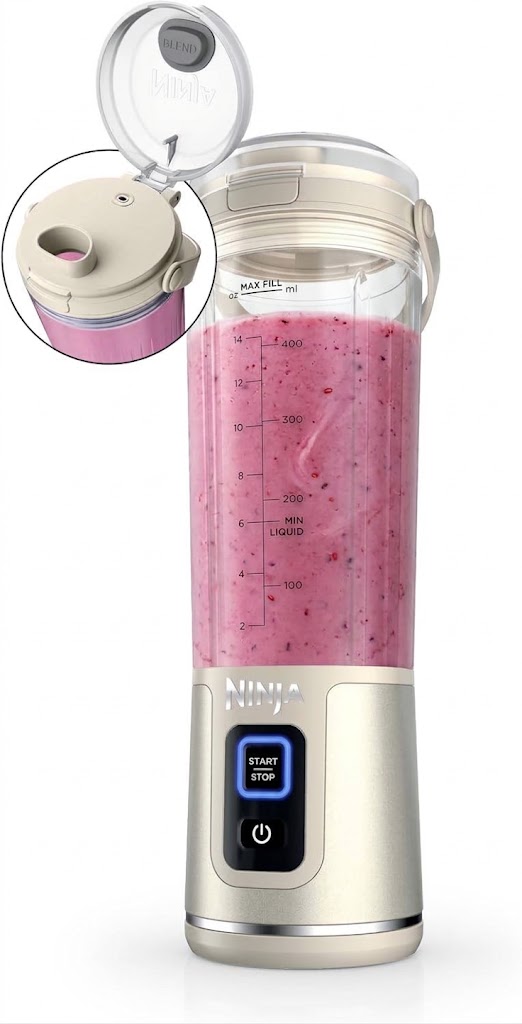
Ninja Blast Portable Blender, Cordless,18oz Vessel, Vanilla Bean
Check Price on AmazonDo live cultures survive freezing?
Some live yogurt cultures may survive freezing, but freezing can reduce the number of viable cultures, and the amount remaining varies by product and storage conditions. Thawing does not reliably restore any cultures that were lost. For that reason, frozen and thawed yogurt should not be treated as a guaranteed source of a particular number of live cultures.
Freezing does not make yogurt harmful simply because its cultures have changed. If the yogurt was handled safely, it can still be used as food, even if its texture is different. If you choose yogurt for a specific dietary or health reason, check the label and do not assume freezing preserves a particular benefit.
Common mistakes when freezing yogurt
Freezing yogurt that is already old: The freezer slows spoilage; it does not reverse it. Freeze yogurt while it is fresh and properly stored.
Expecting it to thaw perfectly smooth: Separation and graininess are normal quality changes. Plan to blend it, stir it, or use it in cooking instead of expecting its original texture.
Leaving the container open: Air can cause drying and let the yogurt absorb odors. Seal it well, and divide it into portions before freezing if you will use it gradually.
Thawing it on the counter: This saves little time and can allow the yogurt to warm into an unsafe range. Thaw it in the refrigerator or use it frozen in a blended recipe.
Assuming frozen means safe forever in every situation: Continuous freezing preserves food, but it cannot make yogurt safe if it was contaminated or mishandled before freezing. Storage history still matters.
Throwing it away just because liquid separated: A little whey on top is common. Stir it in and check for other warning signs before deciding the yogurt is spoiled.
Quick safety check before eating
Before you use a container, ask three practical questions: Was the yogurt fresh when it went into the freezer? Did it stay frozen, then thaw in the refrigerator? Does it have normal packaging and no mold or strong off odor? If the answers support safe handling, a texture change alone is usually not a reason to discard it.
If you are serving someone at higher risk from foodborne illness, such as a young child, an older adult, or a person with a weakened immune system, be especially careful about storage and thawing. Do not serve yogurt with uncertain handling history or any clear spoilage signs. When the safety history is doubtful, choose a fresh, properly refrigerated product instead.
Yes, you can eat yogurt that was frozen if it was fresh when frozen and stayed cold. Expect possible separation or graininess; those texture changes are common and do not automatically mean the yogurt is spoiled.
Thaw it in the refrigerator, stir it well, and use it in a smoothie or recipe if the texture is not appealing. Check the storage history and look for spoilage signs before eating, and discard it if it was left warm too long or you are unsure it stayed safe.
