what happens when yogurt is frozen: texture and uses
When yogurt is frozen, it becomes solid, and its texture often turns grainy or separates after thawing. It is generally still usable if it was fresh, handled safely, and kept frozen.
Freezing changes yogurt’s consistency more than its basic role in recipes. This guide explains what happens to its water, protein, and live cultures, how to freeze and thaw it well, and which uses work best afterward.
You’ll also learn when to eat it frozen, how different yogurt types respond, and why frozen yogurt from a shop is not simply a tub of yogurt put in the freezer. A few simple choices can help you avoid waste and get better results.
what happens when yogurt is frozen
Yogurt freezes as the water in it forms ice crystals. Those crystals push against the yogurt’s network of proteins and other solids, which gives fresh yogurt its smooth, spoonable texture. Once thawed, that structure may not return to its original state.
The result is often thinner, grainier, or slightly separated yogurt. A watery layer may appear on top. That liquid is whey, a naturally occurring part of yogurt, and its presence alone does not mean the yogurt has spoiled. Stir it back in if the texture suits your recipe.
Freezing does not automatically make yogurt unsafe. It slows the growth of most bacteria while the food remains frozen, but it does not reliably kill harmful microbes. Start with yogurt that has been stored properly, freeze it before it spoils, and thaw it safely in the refrigerator.
Yogurt’s flavor may also seem a little different after thawing. The change is usually most noticeable in plain yogurt eaten by itself. In a smoothie, sauce, batter, or cooked dish, the texture change is often less important.
Why yogurt separates after thawing
Yogurt is a gel: its milk proteins form a loose structure that holds water in place. Ice crystals disrupt that structure during freezing. As the yogurt thaws, some water can escape instead of being held evenly throughout the mixture.
Freezing speed and storage conditions affect the result. A container that freezes slowly may form larger ice crystals, which can cause more noticeable texture damage. Repeated thawing and refreezing can make the separation and graininess worse.
Higher-fat yogurt may feel richer after thawing, but fat does not prevent all texture changes. Low-fat and nonfat varieties can seem thinner because they have less fat to soften the perception of ice crystals. Greek yogurt can also separate, even though it starts out thick.
Does freezing affect yogurt’s nutrition and live cultures?
Freezing generally preserves much of yogurt’s nutritional content, including its protein and minerals, though the exact amounts depend on the product and how it is used. Freezing is not a way to improve yogurt or make it last indefinitely. For best quality, use it while it still tastes and smells normal.
Many yogurts contain live cultures, which are beneficial bacteria used in fermentation. Some cultures may survive freezing, but freezing and later thawing can reduce the number that remain active. The amount varies by product, storage time, and handling, so frozen yogurt should not be treated as a guaranteed source of a particular number of live cultures.
If live cultures are a priority, check the product label and follow the manufacturer’s storage advice. Freezing may be practical for reducing food waste, but refrigerated yogurt kept as directed is the more predictable choice for enjoying the product as sold.
How to freeze yogurt for better results
Choose fresh yogurt that has been kept cold and is still within its use-by guidance. Freezing does not reset its storage history or rescue yogurt that has already spoiled. If the package is damaged, the yogurt smells off, or you see unexpected mold, discard it rather than freezing it.
- Decide how you will use it. Freeze single portions for smoothies or snacks, or larger portions for baking and cooking. Small portions freeze and thaw more conveniently.
- Use a freezer-safe container. Leave a little room at the top because the contents can expand as they freeze. If using the original package, check that it is suitable for freezer storage and follow its instructions.
- Seal it well. A tight lid helps limit freezer odors and surface drying. Mark the container with the date so you can use older portions first.
- Freeze it promptly. Place the container in a consistently cold part of the freezer rather than in the door, where temperatures can fluctuate more.
- Use it for quality while it remains at its best. Yogurt kept continuously frozen may remain safe longer than it stays pleasant to eat. For the best flavor and texture, plan to use it within about one to two months.
Practical tip: Freeze yogurt in an ice cube tray if you mainly add it to smoothies. Once the portions are solid, transfer them to a sealed freezer bag or container. This makes it easy to take out just what a recipe needs and avoids repeatedly thawing a large tub.
For frozen snacks, spoon yogurt into small mounds or molds, add fruit if desired, and freeze until firm. Keep the pieces in a covered container afterward. These bites are a cold snack, not the same product as churned frozen yogurt.
How to thaw frozen yogurt safely
The simplest method is to thaw yogurt in the refrigerator. Put the sealed container on a plate or in a bowl to catch any leaks, and allow time for it to soften. The amount of time depends on the portion size, so check it periodically rather than relying on a fixed schedule.
Once thawed, stir the yogurt thoroughly. This can redistribute some separated whey, although it may not restore the original smoothness. If the texture remains uneven, use it in a blended or cooked recipe instead of serving it plain.
For a smoothie, you usually do not need to thaw yogurt first. Add frozen portions directly to the blender with the other ingredients. This can make the drink thicker and colder without watering it down with extra ice.
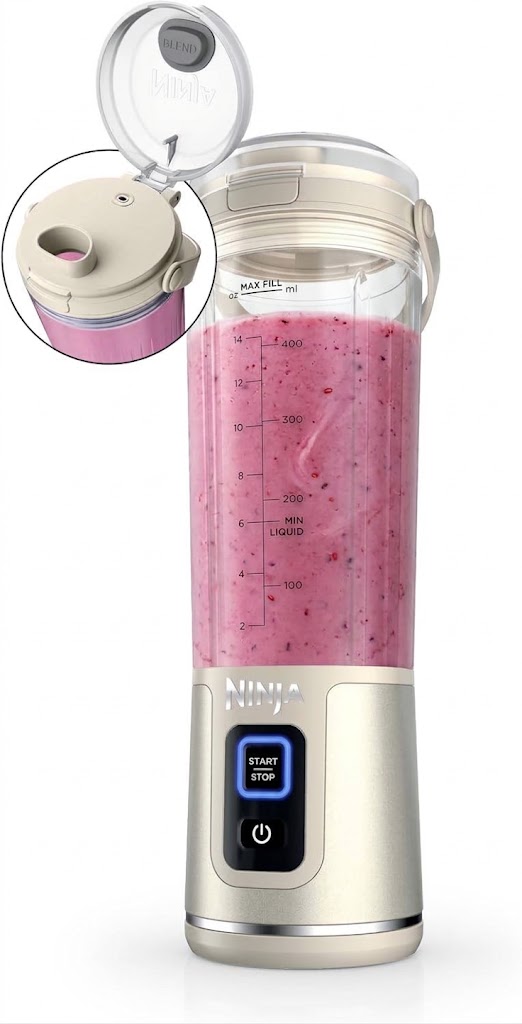
Ninja Blast Portable Blender, Cordless,18oz Vessel, Vanilla Bean
Check Price on AmazonAvoid thawing yogurt on the counter. Perishable foods should not sit at room temperature for more than two hours, or more than one hour when the temperature is above 90°F. Do not refreeze yogurt that has been thawed and held warm. If it has been kept safely cold, refreezing is possible, but each freeze-thaw cycle can further damage its quality.

Framendino, 16 Pack Artificial Chicken Nuggets Fake Fried Food Models Props for Kitchen Decor
Check Price on AmazonWhich kinds of yogurt freeze best?
No type is entirely immune to texture changes, but the best choice depends on how you plan to use it. The table below compares common options after thawing.
| Yogurt type | What to expect | Best for |
|---|---|---|
| Plain whole-milk yogurt | May separate, but can retain a fuller mouthfeel | Smoothies, marinades, baking, and sauces |
| Plain low-fat or nonfat yogurt | Can seem thinner or more grainy after thawing | Blended recipes and baked goods |
| Greek yogurt | Often remains thick, but may release whey or turn grainy | Smoothies, dips, and cooking after stirring |
| Flavored or fruit-on-the-bottom yogurt | Fruit and sweeteners may thaw unevenly or release liquid | Frozen bites or blended drinks |
| Drinkable yogurt | Can separate noticeably, though shaking may help | Smoothies or recipes that will be mixed |
These are general expectations, not guarantees. Brands use different ingredients and processing methods, so two products with the same fat level can behave differently. If appearance matters, test a small amount before freezing a full container.
Can you eat yogurt while it is still frozen?
Yes, you can eat yogurt while it is frozen if it was handled safely and is suitable for freezing. It will be firm and icy rather than creamy, especially if it was frozen in a large tub. Letting a portion soften briefly can make it easier to scoop, but do not leave it out for an extended period.
Frozen yogurt in a cup is also different from commercial frozen yogurt. The latter is formulated and often churned to create a smoother, more scoopable dessert. A frozen cup of ordinary yogurt can be a convenient snack, but it may have a harder, icier texture.
For a smoother homemade treat, blend yogurt with fruit and a little sweetener, then freeze the mixture in shallow portions. Stirring during freezing can help limit large crystals, though a home freezer still will not reproduce the texture of a churned dessert. Let the mixture soften slightly before serving.
How to use yogurt after it has thawed
Thawed yogurt works best in recipes where a perfectly smooth texture is not essential. Its tangy flavor remains useful, and stirring or blending can make separation less noticeable.
- Smoothies: Blend it with fruit, milk, or juice. Frozen yogurt portions can go straight into the blender.
- Baking: Add it to muffins, quick breads, pancakes, or cakes when the recipe calls for yogurt. The batter will mix the yogurt with other ingredients.
- Marinades: Use it in a marinade for chicken or vegetables. Its acidity and thick consistency help coat the food; keep the marinade refrigerated.
- Dips and dressings: Stir or blend it with herbs, spices, and other ingredients. If the result seems too thin, adjust the recipe rather than assuming the yogurt is spoiled.
- Cooked sauces: Add it gently and avoid vigorous boiling, which can make dairy-based mixtures look curdled. A smoother fresh yogurt is preferable when the sauce’s appearance is important.
For recipes that rely on yogurt as a topping or a smooth layer, thawed yogurt may disappoint. Use a fresh container when appearance and creamy texture matter most.
When frozen yogurt should be discarded
Texture changes alone are common after freezing, but signs of spoilage are different. Discard yogurt if it develops mold, an unusual or rotten smell, a swollen or leaking package, or an unexpected color change. Do not taste suspicious yogurt to decide whether it is safe.
Normal separation produces a watery layer that may be stirred back in. Mold is not a harmless surface defect on soft yogurt; do not scrape it off and eat the rest. Discard the entire container.
Also consider what happened before freezing. Yogurt left unrefrigerated too long, stored in a warm car, or repeatedly exposed to room temperature may be unsafe even if it later freezes. Freezing slows microbial growth, but it cannot undo unsafe handling.
Common mistakes that affect quality
Expecting the original texture to return
Stirring can reincorporate whey, but it cannot always rebuild the protein structure disrupted by ice crystals. Use thawed yogurt in a blended or cooked recipe if it stays grainy.
Freezing a large container for occasional use
A large block is slow to thaw and encourages repeated freeze-thaw cycles. Divide yogurt into portions before freezing so you only thaw what you need.
Assuming frozen means permanently safe
Food can remain frozen and still lose flavor or develop freezer damage. More importantly, unsafe handling before freezing remains a concern. Keep yogurt cold before freezing and thaw it in the refrigerator.
Confusing frozen yogurt with an ice cream substitute
Ordinary yogurt does not necessarily freeze into a soft, creamy dessert. The amount of water, fat, sugar, and air affects texture. If you want a scoopable treat, use a recipe designed for freezing or choose a product made as a frozen dessert.
Throwing away every separated container
A watery layer after thawing is often a quality change, not a safety warning. Check for spoilage signs and consider the storage history. If both are fine, stir it in or put the yogurt in a recipe that can accommodate the texture.
what happens when yogurt is frozen is mainly a change in texture: ice crystals can disrupt its structure, leaving it grainy or separated after thawing. It can still be useful in smoothies, baking, marinades, and other recipes when it has been handled safely.
For a better result, freeze fresh yogurt in small, sealed portions and thaw it in the refrigerator. Start with one portion, stir it well, and use it in a recipe if the texture is not pleasant on its own.
