can you make frozen yogurt by just freezing it? Here’s why
can you make frozen yogurt by just freezing it? Not really: plain yogurt freezes into a hard, icy block rather than the smooth, scoopable dessert most people expect. Churning and the right balance of sweetener and other ingredients help create a softer texture.
You can still make a tasty frozen yogurt at home without an ice cream maker. This article explains why a tub of yogurt freezes poorly, how to improve the texture with simple methods, and which ingredients work best. You’ll also find tips for storing it safely, serving it at the right softness, and fixing common problems.
Can you make frozen yogurt by just freezing it?
Freezing yogurt alone does not usually make smooth frozen yogurt. It makes frozen yogurt in the literal sense, but the result is often very firm, icy, and difficult to scoop. A standard freezer is much colder than the temperature at which a creamy frozen dessert is served, and still freezing lets water form larger ice crystals.
Commercial frozen yogurt is made by mixing ingredients and freezing them while air is incorporated. That movement breaks up ice crystals and gives the dessert a lighter texture. Homemade recipes can get closer by stirring repeatedly during freezing, blending the mixture, or using an ice cream maker.
There is an important distinction between freezing a container of yogurt and freezing a prepared frozen-yogurt mixture. The first is a storage method. The second involves adjusting the mixture and its freezing process to make a dessert you can scoop.
Why plain yogurt turns hard and icy
Yogurt contains a large amount of water. When it freezes, some of that water becomes ice. Without enough sugar or other dissolved ingredients to soften the mixture, and without movement to break up ice crystals, the frozen yogurt can become dense and brittle.
Yogurt also contains protein and, depending on the type, fat. These affect the body and creaminess of the finished dessert, but they do not prevent ice crystals from forming. A low-fat yogurt with little added sugar is especially likely to freeze firm.
What sugar does besides add sweetness
Sugar contributes more than flavor. It lowers the freezing point of the mixture, so it stays softer at freezer temperatures. Honey, maple syrup, and some other liquid sweeteners can have a similar softening effect, though each changes the taste and may change how much sweetener you need.
Simply adding a large amount of sugar is not a good fix. Too much can leave the mixture overly sweet or soft. Start with a tested recipe or add a modest amount, then taste the mixture before freezing. It should taste slightly sweeter than you want the final dessert to taste because cold dulls sweetness.
Why stirring matters
Churning or stirring during freezing disrupts growing ice crystals. Smaller crystals feel smoother on the tongue. A machine does this continuously, while a no-churn method uses a blender or repeated mixing by hand.
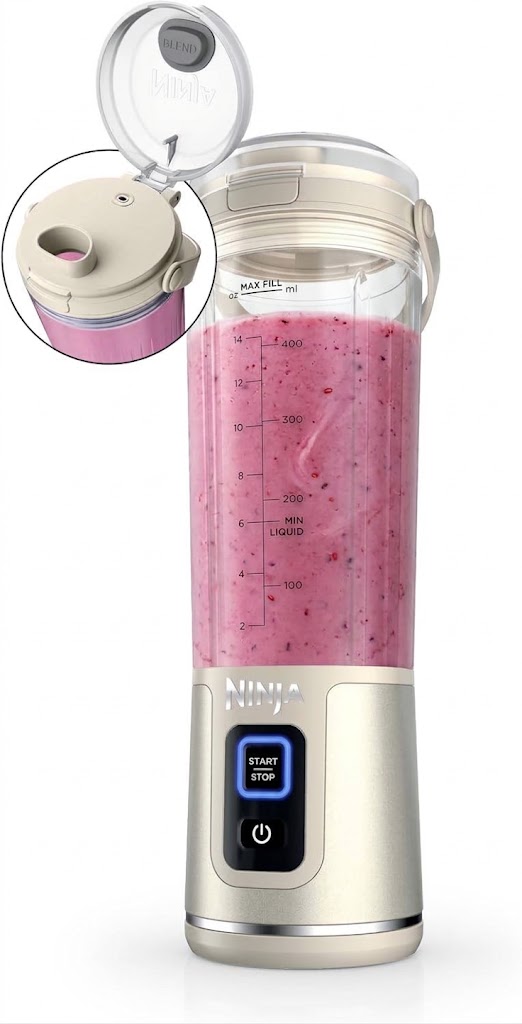
Ninja Blast Portable Blender, Cordless,18oz Vessel, Vanilla Bean
Check Price on AmazonStirring is helpful, but it cannot completely compensate for a mixture that has too much water and too little sugar or fat. For the best texture, use a suitable base and a freezing method that keeps the mixture moving as it firms.
Choose a yogurt base that suits your method
Different yogurts bring different amounts of water, protein, and fat. Greek yogurt is strained, so it is thicker than many regular yogurts. That thickness can make a dense, tangy frozen dessert, though it may need extra sweetener or a little cream for a softer result.
Regular plain yogurt has a looser texture and often contains more water. It can work, but it may freeze icier unless you strain it or use a recipe that balances the moisture. Full-fat yogurt generally gives a richer mouthfeel than nonfat yogurt, but all styles can be used with the right adjustments.
| Yogurt base | Likely texture | Useful adjustment | Best for |
|---|---|---|---|
| Greek yogurt | Thick and tangy | Add sweetener; loosen with a little cream if needed | Dense, high-protein-style desserts |
| Regular plain yogurt | Lighter but more watery | Strain first or follow a recipe with added dairy solids | Easy mixing and mild flavor |
| Full-fat yogurt | Richer and smoother | Use a measured amount of sweetener | Creamier results without much adjustment |
| Nonfat yogurt | Lean and more prone to firmness | Use a recipe with enough sweetener and a thickening ingredient | A lower-fat option when texture is not the only priority |
| Flavored yogurt | Varies by brand and recipe | Check sweetness before adding anything | A quick shortcut when its flavor fits |
Check the ingredient label if you are using flavored yogurt. It may already contain sugar, fruit, or stabilizers, so extra sweetener may not be necessary. If fruit pieces are present, they can freeze harder than the yogurt around them.
How to make a smoother no-churn version
A no-churn method works best when you prepare a balanced mixture and give it some attention as it freezes. This basic approach is flexible, but a specific recipe is more reliable if you want consistent results. Use clean utensils and a shallow, freezer-safe container.
- Start with thick yogurt. Use Greek yogurt or strain regular plain yogurt through a clean cloth or fine sieve in the refrigerator until some liquid drains away. Thicker yogurt has less excess moisture to turn into ice.
- Sweeten and flavor before freezing. Mix in sugar, honey, or another sweetener gradually. Add vanilla, citrus zest, or a smooth fruit puree if desired. Taste the mixture while it is still soft; cold will reduce how sweet it seems.
- Add richness only if the texture needs it. A small amount of cream can make the mixture richer. A little cream cheese can add body, but it should be blended until fully smooth. Keep additions measured so the yogurt flavor remains clear.
- Chill the mixture. Refrigerate it until cold before freezing. A cold base spends less time warming the freezer and begins to firm more evenly.
- Freeze it in a shallow container. A wide, shallow layer chills more evenly than a deep tub. Cover the container to limit exposure to air and prevent the surface from drying out.
- Stir as it firms. Check the mixture after it has started to freeze around the edges. Scrape the frozen parts into the center and beat or stir thoroughly. Repeat every 30 to 45 minutes for the first few hours, until the mixture is thick and uniformly frozen. Freezer strength and container size affect the timing.
- Serve when scoopable. If it has become too hard, leave it in the refrigerator or at room temperature briefly until a spoon can move through it. Avoid leaving it out for an extended period.
For an even quicker method, blend a prepared yogurt mixture with frozen fruit and serve it right away as a soft, spoonable dessert. This is closer to a thick smoothie bowl than a firm frozen dessert, but it avoids a long freeze and can have a smooth texture if the fruit is well blended.
Using an ice cream maker
An ice cream maker is the most straightforward way to keep a mixture moving as it freezes. Follow the machine’s instructions, especially for preparing and chilling its bowl. If the bowl is not cold enough, the mixture may stay runny or freeze unevenly.
Chill the prepared yogurt mixture before churning. Pour in only the amount recommended for your machine; the mixture needs room to move and expand. Churn until thick, then transfer it to a covered container if you prefer a firmer consistency.
Homemade frozen yogurt may still harden in the freezer after churning. That does not mean the machine failed. Home freezers are very cold, and homemade mixtures often have fewer ingredients that keep commercial desserts soft. Let the container sit briefly before scooping.
Can you freeze a store-bought yogurt cup?
Yes, you can freeze a sealed cup of yogurt, but it will not necessarily have the texture of frozen yogurt sold as a dessert. After thawing, the yogurt may separate or become grainy. Stirring can improve its appearance, but it may not restore its original texture.
Freezing an individual yogurt cup can be useful as a cold snack or as an ice pack for a lunch bag, provided the cup is suitable for freezing and has room for expansion. For a spoonable treat, freeze it until firm but not solid, or let it soften before eating. Do not assume that a frozen cup will scoop like churned frozen yogurt.
For a smoother snack, spoon yogurt onto a lined tray in small portions, add toppings, and freeze the pieces. These yogurt bites are convenient to eat frozen, but they are still solid snacks rather than a creamy scoop. Small portions soften faster than a full tub.

Framendino, 16 Pack Artificial Chicken Nuggets Fake Fried Food Models Props for Kitchen Decor
Check Price on AmazonHow to prevent common texture problems
If the frozen yogurt is too hard
First, let it soften briefly before serving. For the next batch, use a thicker yogurt base, include enough sweetener for the recipe, and stir during the early freezing stage. A deeper container can also make the center freeze at a different rate from the edges, so try a shallower one.
A hard result is not always caused by the yogurt itself. A recipe designed to be eaten immediately may become very firm after overnight storage. Plan a short softening period before serving rather than repeatedly warming and refreezing the whole container.
If it is icy or grainy
Excess water is a common cause. Strain runny yogurt, drain watery fruit, and avoid adding large amounts of juice. If you use fruit, puree it and blend it into the base rather than adding large frozen chunks that can make the texture uneven.
Stir the mixture thoroughly during freezing, scraping down the sides and bottom where ice forms first. If using an ice cream maker, confirm that the bowl is fully prepared according to its instructions and that the base is cold before churning.
If it tastes too sour
Yogurt has a natural tang, and freezing does not remove it. Add sweetener a little at a time and taste before freezing. Vanilla, ripe fruit, or a small amount of jam can round out the flavor without requiring a large amount of sugar.
Very tart yogurt can overwhelm delicate flavors. Choose a milder plain yogurt or pair it with fruit that has a strong, naturally sweet flavor. Do not rely on frozen fruit alone to sweeten the entire mixture; taste the blended base before it goes into the freezer.
If fruit or chocolate becomes hard
Large pieces of fruit and chocolate freeze solid. Cut fruit into small pieces, puree it, or use a smooth sauce swirled through the base. Finely chopped chocolate is easier to eat than large chunks, though it will still be firm straight from the freezer.
Adding toppings after the yogurt has softened can also help. That way, you can choose a texture that suits the person eating it instead of making every bite contain hard pieces.
Storage and food-safety tips
Transfer homemade frozen yogurt to a clean, freezer-safe container with a tight-fitting lid. A shallow container helps it freeze evenly, while a secure cover limits contact with air. For better texture, press a piece of freezer-safe wrap against the surface before putting on the lid.
Keep the dessert frozen between servings and take out only the amount you plan to eat. Repeated warming and refreezing can create more ice crystals and make the texture less pleasant. It can also make safe handling harder if the food sits out for too long.
Freezing does not reliably kill harmful bacteria; it mainly slows their growth. Make the dessert with clean hands, clean utensils, and ingredients that have been stored properly. If yogurt has been left at room temperature for an extended period or smells and looks spoiled before freezing, do not try to make it safe by freezing it.
Homemade recipes vary in water and sugar content, so there is no single freezer life that guarantees ideal quality for every batch. Use a well-sealed container, label it with the date, and eat it while its flavor and texture remain appealing. Discard it if it has been handled unsafely or shows signs of spoilage after thawing.
What most people get wrong about freezing yogurt
The biggest misconception is that the word frozen means the result will be creamy. Creaminess depends on the mixture and how it freezes, not just on placing yogurt in a freezer. A plain yogurt cup can freeze solid even if it is thick and tastes rich when chilled.
Another common mistake is judging the sweetness only while the mixture is warm. Cold dulls sweetness, so a base that tastes perfectly sweet in the bowl may seem bland after freezing. Taste it before freezing, but aim for a little more sweetness than you would want in chilled yogurt.
It is also easy to overwork the recipe with too many add-ins. Large amounts of fruit, juice, or low-sugar toppings introduce water, which can make the dessert harder and icier. Add flavor in concentrated forms, keep the base thick, and make small batches until you find a combination you like.
Finally, a very hard batch does not need to be thrown away. Let a portion soften enough to stir, then blend it briefly until smooth and serve it promptly. This can improve the texture for immediate eating, though it will firm up again if returned to the freezer.
Which method should you use?
Choose the method based on the result you want and the equipment you have. If you want a true scoopable dessert, an ice cream maker or repeated mixing gives you a better chance than freezing plain yogurt untouched. If you want a fast snack, frozen fruit blended with yogurt is simpler.
| Method | Effort | Expected result | Best for |
|---|---|---|---|
| Freeze plain yogurt untouched | Very low | Firm and potentially icy | Cold portions or frozen snack bites |
| Freeze and stir by hand | Moderate | Smoother than an untouched tub | Small homemade batches without a machine |
| Churn in an ice cream maker | Low after preparation | More evenly frozen and easier to scoop | A classic frozen-yogurt texture |
| Blend yogurt with frozen fruit | Low | Soft, thick, and ready to eat | A quick dessert or smoothie-bowl-style snack |
For a first attempt, start with thick yogurt, add a measured sweetener, and freeze a small batch in a shallow container. Stir as it firms, then note whether the result needs more sweetness, less moisture, or a richer base. A small test makes it easier to adjust the next batch without wasting ingredients.
So, can you make frozen yogurt by just freezing it? You can freeze yogurt, but plain yogurt usually turns hard and icy rather than smooth and scoopable. A thick base, enough sweetener, and churning or repeated stirring improve the texture.
For your next batch, start with Greek yogurt, use a tested recipe, and freeze it in a shallow container while stirring as it firms. Let it soften briefly before serving, and keep leftovers covered in the freezer.
