how to do frozen yoghurt at home: creamy and simple
You can make frozen yoghurt at home by sweetening plain yogurt, then churning it until smooth or freezing it while stirring regularly. A few simple choices—especially the yogurt’s fat content and the amount of sugar—make a big difference to whether it scoops easily or freezes hard.
This guide gives you a reliable base recipe, clear steps for churned and no-churn versions, and practical flavor ideas. You’ll also learn how to adjust the mixture, solve icy or overly tart results, and store your batch so it stays pleasant to serve.
How to do frozen yoghurt at home
For a creamy result, start with thick, plain, full-fat yogurt, add sugar and flavoring, and chill the mixture before churning. If you do not have an ice cream maker, freeze the mixture in a shallow container and stir it often as it sets. Both methods work, though churning usually makes a smoother dessert.
Here is a simple base that makes about four modest servings:
- 2 cups plain, full-fat Greek yogurt
- ⅓ to ½ cup granulated sugar, adjusted to taste
- 1 teaspoon vanilla extract
- A small pinch of salt
- 1 teaspoon lemon juice, optional
Greek yogurt is a practical starting point because it is thick and contains less free liquid than many regular yogurts. Less water means fewer large ice crystals. The sugar does more than sweeten the dessert: it also helps keep the frozen mixture softer, so do not remove it entirely if scoopability matters.
Whisk the ingredients until the sugar dissolves. Taste the mixture while it is still liquid, then adjust the sweetness or vanilla. Chill it until very cold before freezing. Cold mixture freezes more evenly and spends less time in the temperature range where larger ice crystals can form.
Choose the right yogurt and sweetener
The yogurt sets the flavor and texture. Plain yogurt gives you control over sweetness, while pre-sweetened or flavored varieties can work if you reduce or omit additional sugar. Check the label first, since brands differ in sweetness and thickness.
Greek, regular, and low-fat yogurt
Full-fat Greek yogurt is a dependable choice for a rich, thick base. Regular whole-milk yogurt can also work, but its extra liquid may produce a less dense result. To thicken it, strain it through a clean, fine-mesh strainer lined with cheesecloth in the refrigerator until it reaches a spoonable consistency.
Low-fat and nonfat yogurt can be used, but the finished dessert is more likely to feel icy or firm. Fat contributes a smoother, richer texture. If low-fat yogurt is what you have, use a churner if possible, keep the mixture thick, and serve it soon after it reaches a scoopable consistency.
Some yogurt contains gums or other stabilizers, which help it stay thick. They are not required for a homemade batch. Avoid assuming that every product labeled Greek is equally thick; compare the texture in the container and choose one that holds its shape on a spoon.
Sugar, honey, and other sweeteners
Granulated sugar dissolves predictably and has a mild flavor. Honey adds its own taste and can help keep the mixture softer, but it is sweeter than sugar, so start with less and taste. Other liquid sweeteners can work, too, though they may change the flavor and texture.
Do not rely on a sugar substitute as a direct one-for-one replacement without checking its instructions. Some substitutes sweeten well but do not affect freezing in the same way as sugar. A batch made with little or no sugar often freezes much harder, even if it tastes sweet enough before freezing.
If you want a less sweet dessert, reduce the sugar in small steps rather than removing it all at once. Keep in mind that cold dulls the perception of sweetness. A mixture that tastes slightly sweeter than you prefer at room temperature may taste balanced once frozen.
Make a churned batch step by step
An ice cream maker constantly moves the mixture as it freezes. That motion breaks up ice crystals and adds a little air, which is why churned frozen yogurt is usually smoother than a still-frozen batch.
- Mix the base. Whisk the yogurt, sugar, vanilla, and salt until smooth. If using lemon juice or another liquid flavoring, mix it in now.
- Taste and adjust. Add a little more sugar if the base tastes too tart. Keep additions modest, especially with sweetened yogurt or flavored extracts.
- Chill thoroughly. Cover the bowl and refrigerate the mixture until cold. If the bowl or mixture is warm, the machine takes longer to freeze it.
- Prepare the machine. Follow the maker’s directions. If its bowl needs pre-freezing, make sure it is frozen solid before you start.
- Churn until thick. Pour in the cold base and churn according to the machine instructions. Stop when it resembles soft-serve and holds its shape; exact timing varies by machine and mixture.
- Serve soft or firm it up. Eat it right away for a soft texture, or transfer it to a freezer-safe container for a firmer scoop. Press a piece of baking parchment against the surface before closing the lid.
Do not wait for the mixture to become completely hard in the machine. Churning is meant to freeze it while it remains movable. A final rest in the freezer firms it up without asking the machine to work against a solid block.
Make frozen yoghurt without an ice cream maker
A no-churn version is straightforward, but it needs regular attention. Without movement during freezing, water forms larger ice crystals. Stirring breaks them up and keeps the dessert more uniform.
- Prepare the base and chill it well.
- Pour it into a shallow, freezer-safe metal or glass container. A shallow layer freezes more evenly than a deep bowl.
- Freeze until the edges begin to firm while the middle remains soft. Check it periodically rather than relying on one exact time.
- Scrape the frozen edges into the center and whisk or stir vigorously. Return the container to the freezer.
- Repeat the stirring as the mixture continues to freeze, paying close attention to the corners and sides.
- When it is thick and evenly frozen, cover the container and let it firm. If it becomes too hard to scoop, give it a short rest in the refrigerator or at room temperature before serving.
A hand mixer or immersion blender can break up ice more effectively than a spoon, but use it only while the mixture is still soft enough to blend safely. Avoid blending a solid frozen block, which can strain equipment and leave uneven chunks.
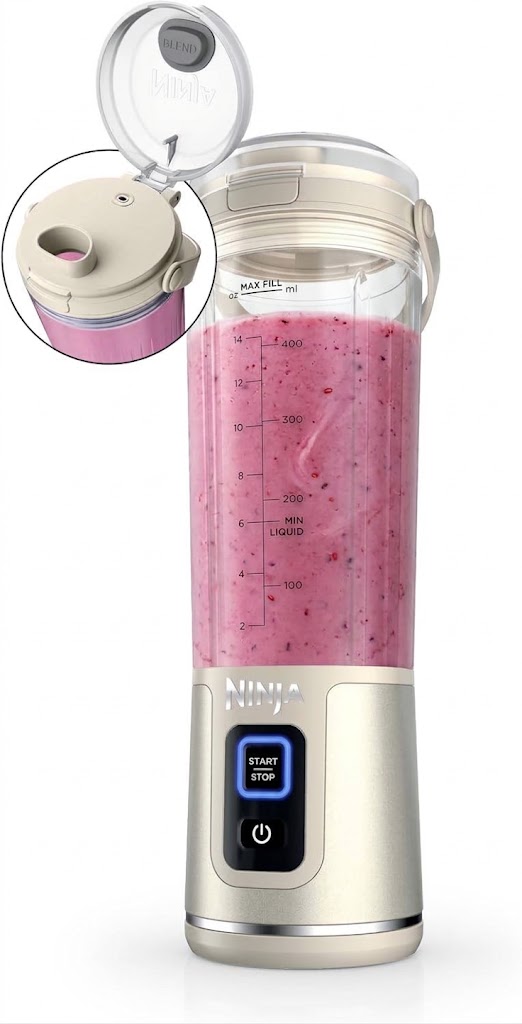
Ninja Blast Portable Blender, Cordless,18oz Vessel, Vanilla Bean
Check Price on AmazonFor an even quicker treat, blend frozen fruit with thick yogurt and serve it immediately. This makes a soft, spoonable dessert rather than a traditional churned batch. Frozen berries or banana work well; add fruit gradually so the mixture stays thick instead of turning into a drink.
Compare the main methods
Choose the method that fits your equipment and the texture you want. The ingredients can be nearly identical, but the way the mixture freezes changes the result.
| Method | What you need | Texture | Best for |
|---|---|---|---|
| Ice cream maker | Churner and chilled base | Generally the smoothest and easiest to scoop | Regular batches and a classic frozen-yogurt texture |
| Shallow-container stirring | Freezer-safe dish and repeated stirring | Good when carefully stirred, but often firmer or less smooth | Making a batch without special equipment |
| Frozen-fruit blending | Blender or food processor | Soft, thick, and best eaten right away | A quick single serving or fruit-forward treat |
The best method depends on the result you want, not just the equipment you own. For a make-ahead dessert, churn or stir the base and allow it to firm. For an immediate snack, blend yogurt with frozen fruit and serve straight away.

Framendino, 16 Pack Artificial Chicken Nuggets Fake Fried Food Models Props for Kitchen Decor
Check Price on AmazonAdd flavor without making the base watery
Flavor the yogurt before freezing, but watch how much liquid you add. Too much juice, coffee, or other watery ingredient can create a harder, icier batch. Concentrated flavorings, zest, and thick fruit preparations usually add flavor with less extra water.
Fruit and fruit swirls
Fresh fruit can release water as it freezes. For a more consistent texture, use thick fruit puree or cook chopped fruit briefly into a compote, then cool it completely. A small amount of jam also makes an easy swirl. Fold it in gently after churning so you keep visible ribbons rather than coloring the whole batch.
For whole pieces, cut fruit small and pat it dry if it has been rinsed. Add delicate pieces near the end of churning or fold them into the finished mixture. Large pieces freeze hard and can make scooping awkward.
Chocolate, nuts, and spices
Cocoa powder can make the base taste dry or bitter if added in excess. Whisk it with the sugar first, then blend it into the yogurt so it disperses evenly. Chocolate chips and chopped nuts are best folded in near the end; adding them too early can leave them at the bottom of the machine.
Cinnamon, cardamom, and citrus zest add flavor without much extra moisture. Start with a small amount, taste the base, and increase gradually. Strong extracts also need a light hand because their flavor can become more noticeable as the mixture chills.
Fix icy, hard, or overly tart frozen yogurt
Homemade frozen yogurt can freeze harder than commercial versions. Commercial products may use carefully controlled processing and ingredients that help maintain a smooth texture. At home, you can improve the result by managing water, sugar, fat, and storage.
- If it is icy: Use thicker yogurt, strain regular yogurt, and churn or stir the mixture as it freezes. Avoid adding large amounts of juice or watery puree.
- If it is too hard: Add an appropriate amount of sugar or honey to the next batch, and serve it after a brief softening period. A freezer that is very cold can also make the dessert firm quickly.
- If it tastes too tart: Add sugar in small increments before freezing, or use a milder plain yogurt. Fruit toppings can balance the flavor at serving time.
- If it tastes too sweet: Mix in a little more plain yogurt before freezing, then rebalance the vanilla or a touch of lemon. Do not add a large volume of liquid.
- If it has a grainy texture: Make sure the sugar dissolves before freezing, and avoid freezing the mixture slowly without stirring.
- If it separates: Whisk the base until smooth before chilling. Stirring during the no-churn method can bring a slightly separated mixture back together while it is still soft.
A useful point many recipes overlook: taste the base before freezing, but judge its sweetness with the cold dessert in mind. Chilling reduces how sweet food seems. Also, a thinner base does not become creamier just because it contains more yogurt; excess water still freezes into ice.
Another common mistake is using a deep container for a no-churn batch and stirring only once. The outside can freeze solid while the center stays liquid. A shallow dish and repeated scraping of the edges produce a more even texture.
Store and serve your batch well
Transfer finished frozen yogurt to a clean, freezer-safe container with a close-fitting lid. Press parchment or plastic wrap directly onto the surface before putting on the lid. This limits contact with air, which can dry the surface and contribute to freezer odors.
For the best texture, serve the batch while it is freshly churned or after it has firmed to your liking. A homemade batch can become very hard in the freezer because it may lack the stabilizers and processing used in many store-bought products. Let it soften briefly before scooping, and use a sturdy scoop rather than forcing a utensil through a frozen block.
Keep the container covered and return it to the freezer promptly after serving. Repeated warming and refreezing can worsen texture and increase the chance of contamination from serving utensils or hands. If the dessert has been left out for an extended period or its storage conditions are uncertain, use food-safety judgment and discard it when in doubt.
For easier serving later, freeze the mixture in small, shallow portions instead of one deep tub. Individual portions soften faster and reduce the need to temper the full batch each time. Label the container with the flavor and date so older batches do not get forgotten.
Common questions about homemade frozen yogurt
Can regular yogurt replace Greek yogurt?
Yes. Regular yogurt works, but it is usually thinner, so the result may be less creamy. Strain it in the refrigerator to remove some liquid, or use it as is and expect a softer or icier texture.
Can you make it without added sugar?
Yes, but expect a firmer and potentially icier dessert. Sweet fruit can make the flavor pleasant, but it does not always replace sugar’s effect on texture. If avoiding added sugar is important, plan to serve the mixture soft or let it soften before scooping.
Does frozen yogurt need an ice cream maker?
No. A machine makes the smoothest result with the least hands-on effort, but a shallow container and repeated stirring can work. Blending yogurt with frozen fruit is another option when you want a soft dessert immediately.
Can you use flavored yogurt?
Yes. Taste it before adding anything else, since it may already contain sugar and flavorings. A thick product is easier to work with, and adding less extra sweetener helps prevent an overly sweet result.
A thick yogurt base, enough sweetener, and movement during freezing are the main ingredients for a smoother homemade dessert. Churning usually gives the easiest texture, while frequent stirring makes a no-churn batch work well.
To try how to do frozen yoghurt at home, start with the simple Greek-yogurt recipe and taste it before freezing. Chill the base, choose your method, and keep the first batch plain so you can adjust sweetness and texture before adding more flavors.
