how to make frozen yoghurt at home without machine: creamy
To make frozen yoghurt at home without machine, mix thick yoghurt with sugar, a little vanilla, and a pinch of salt, then freeze it in a shallow pan while stirring regularly. The repeated stirring breaks up ice crystals, giving you a smoother scoop without special equipment.
This method works with Greek or strained yoghurt, and you can add fruit, chocolate, or other flavorings. The choice of yoghurt and sweetener makes a noticeable difference to the final texture, so the guide below covers what to use, how often to stir, and what to do if the mixture freezes too firm.
How to make frozen yoghurt at home without machine
Use thick, cold yoghurt and enough sugar to soften the mixture as it freezes. Spread the mixture in a shallow freezer-safe pan, then stir and scrape it every 30 to 45 minutes until it is thick and scoopable. The exact freezing time depends on your pan, freezer, and recipe, so use the texture as your guide rather than relying only on the clock.
This recipe makes about four small servings. It uses a simple vanilla base that is easy to customize.
Ingredients
- 3 cups (about 720 g) plain Greek yoghurt or well-strained plain yoghurt
- 1/2 cup (about 100 g) granulated sugar, or to taste
- 1 teaspoon vanilla extract
- A small pinch of salt
- 1 teaspoon lemon juice, optional
For a sweeter or fruitier batch, adjust the sugar or add a fruit puree before freezing. Start with the quantities above, taste the mixture while it is still unfrozen, and make small changes. Frozen desserts taste less sweet once cold, so the unfrozen base should taste a little sweeter than your preferred final result.
Method
- Prepare the yoghurt. If it looks watery, strain it in a fine-mesh sieve lined with cheesecloth or a clean, thin kitchen towel. Set the sieve over a bowl and refrigerate it until some liquid drains away. Thick yoghurt contains less free water, which helps limit icy crystals.
- Mix the base. Stir the yoghurt, sugar, vanilla, salt, and optional lemon juice in a bowl until the sugar is evenly distributed. Taste it and adjust the sweetness. If the sugar feels gritty, let the mixture rest in the refrigerator for 10 to 15 minutes, then stir again.
- Chill the mixture. Cover the bowl and refrigerate the base for at least 1 hour if it is not already cold. A cold mixture freezes more evenly and spends less time warming the freezer compartment.
- Choose a shallow pan. Pour the base into a metal loaf pan or another shallow, freezer-safe container. A wide, shallow layer freezes more evenly than a deep bowl. Leave a little space at the top because the mixture can expand slightly.
- Freeze and stir. Put the pan on a level freezer shelf. After 30 to 45 minutes, check the edges. Scrape the firmer parts into the center and stir well with a sturdy fork or spatula. Repeat every 30 to 45 minutes, scraping the corners and sides each time.
- Stop when it is thick. Continue stirring until the yoghurt is thick, evenly frozen, and holds soft mounds. Depending on the freezer and pan, this can take roughly 3 to 5 hours. If you want a firmer result, cover it and freeze it longer before serving.
- Soften briefly before scooping. If the finished yoghurt is very firm, leave it at room temperature for about 5 to 10 minutes. Scoop it once it yields slightly to a spoon; avoid leaving it out until it becomes runny.
Use a clean utensil each time you stir. Return the pan to the freezer promptly, and keep it covered between checks to limit freezer odors and surface drying.
Choose yoghurt that freezes well
The yoghurt sets the dessert’s flavor and texture. Plain, full-fat Greek yoghurt is a reliable starting point because it is thick and has less watery liquid than many regular yoghurts. Low-fat yoghurt can work, but it often produces a harder, icier result. The recipe still freezes safely; the difference is mainly in the texture and richness.
Regular yoghurt is also an option. Strain it first if it is loose or watery. To strain, spoon it into a lined sieve set over a bowl and refrigerate it until it thickens. The draining liquid is whey. Discard it or save it for another use rather than pouring it back into the frozen-yoghurt base.
| Yoghurt choice | What to expect | Best for |
|---|---|---|
| Full-fat Greek yoghurt | Thick, creamy base with little preparation | A dependable first batch |
| Regular plain yoghurt, strained | Mild flavor; thickness depends on how long it drains | Using yoghurt already in the fridge |
| Low-fat yoghurt | Can freeze harder and feel more icy | A lighter-style dessert, with careful stirring |
| Sweetened or flavored yoghurt | Already contains sugar and flavorings, which affect the final taste | A quick base, after tasting before adding more sugar |
Read the ingredient label if you are using a flavored product. Some contain fruit pieces, gums, or added sweeteners, so you may need less sugar or a different stirring schedule. For the clearest control over sweetness and flavor, start with plain yoghurt.
Why sugar and fat affect the texture
Yoghurt contains water, and water forms ice crystals as it freezes. Sugar lowers the freezing point of the mixture, which means it can remain softer and easier to scoop. It also adds sweetness. Too little sugar can make a batch freeze very hard, while too much can leave it loose and overly sweet.
Fat contributes richness and a smoother mouthfeel, but a high-fat base is not a substitute for stirring. A thick, full-fat yoghurt still benefits from breaking up ice as it freezes. Likewise, adding a little honey does not guarantee a soft result if the base is watery or left undisturbed in a deep container.
Granulated sugar works well when it dissolves fully. If you can still feel grains, mix longer or let the base rest in the refrigerator before freezing. Powdered sugar can dissolve readily, but check its label for added starch, which may slightly change the texture. Honey or maple syrup can replace some sugar, though each adds its own flavor and may make the mixture softer. Add liquid sweeteners gradually and taste as you go.
Do not cut the sweetener drastically on the first attempt if scoopability matters. Make a small test batch before changing the recipe substantially. A less sweet mixture may be appealing, but it will usually freeze firmer and may need more time to soften before serving.
How to make it smoother without a churn
Stirring is the most important part of the no-machine method. As ice crystals form at the cold edges and bottom, scraping them into the softer center breaks them into smaller pieces. This creates a more even texture than freezing the base untouched. A fork works for a small batch, but a sturdy spatula makes it easier to scrape a loaf pan’s corners.
Keep the mixture in a shallow layer and check it regularly. If the edges are firm but the center is still liquid, that is a good time to stir. If the whole pan is already frozen solid, stirring will be difficult; let it sit briefly until the edges loosen, then work it thoroughly before returning it to the freezer.
For a slightly smoother result, you can use a food processor or blender once the mixture is partially frozen. Break it into chunks and pulse briefly until smooth, then return it to the freezer in a covered container. This is optional kitchen equipment, not a requirement. Avoid processing a fully solid block if your appliance is not designed to handle it.
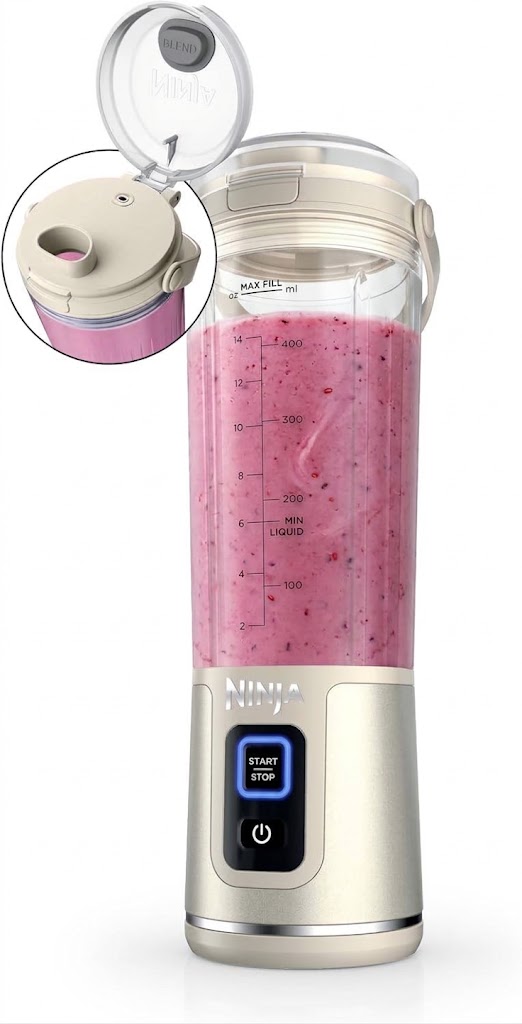
Ninja Blast Portable Blender, Cordless,18oz Vessel, Vanilla Bean
Check Price on AmazonAnother useful option is a pre-frozen metal pan. Metal transfers cold efficiently, which can help the mixture freeze more evenly. Use a freezer-safe pan and handle it carefully, since its edges may become very cold.
Add fruit and other flavors without making it icy
Fruit adds flavor and color, but fresh fruit can also add water. Too much water makes a frozen dessert harder and more prone to ice crystals. For a fruit-flavored base, use a thick puree rather than a large quantity of juice. Mash or blend the fruit, then drain excess liquid or cook the puree gently until it thickens. Cool it completely before mixing it into the yoghurt.
Banana is naturally thick and can make a soft, sweet mixture. Berries are flavorful but often watery, so use a modest amount of well-drained puree. If adding chopped fruit, cut it into small pieces and fold it in when the base is partly frozen. Large frozen pieces can become hard and difficult to eat.

Framendino, 16 Pack Artificial Chicken Nuggets Fake Fried Food Models Props for Kitchen Decor
Check Price on AmazonChocolate chips, toasted nuts, and small cookie pieces are best added near the end of the stirring process. That helps distribute them without letting them sink to the bottom. For a swirled effect, fold in thick jam or fruit puree with only a few gentle strokes after the base has thickened. Extensive mixing will blend the swirl into the whole batch.
Flavorings such as cocoa powder, cinnamon, citrus zest, or a small amount of nut butter can be mixed into the base before freezing. Add strong ingredients gradually, and taste the mixture before it goes into the pan. Cold dulls some flavors, but a large addition can still overpower the yoghurt.
Common problems and how to fix them
The frozen yoghurt is too hard
A hard batch often has too little sugar, too much water, or too little stirring. Let it soften at room temperature for a few minutes before scooping. For your next batch, use thicker yoghurt, follow the sweetener quantity more closely, and scrape the pan more often while it freezes. Do not expect a homemade mixture to stay as soft as commercial frozen desserts, which may use carefully controlled formulations.
The texture is icy
Watery yoghurt, juicy fruit, a deep container, and long stretches without stirring can all create a coarse texture. Strain loose yoghurt, drain or thicken fruit, use a shallow pan, and stir the edges into the center on schedule. If the batch is already icy, a brief pulse in a food processor can help break up larger crystals before you refreeze it.
The mixture is too soft
Give it more time in the freezer and make sure the container is level and covered. A very high amount of honey, syrup, or fruit puree can also keep the mixture soft. If it remains loose after several hours, freeze it longer and reduce liquid additions next time.
The sugar feels gritty
Granulated sugar may not dissolve in a very cold, thick mixture. Stir the base thoroughly and let it rest in the refrigerator before freezing. You can also use a fine-grained sugar or powdered sugar, adjusting the amount to taste.
Storage, serving, and food safety
Transfer the finished frozen yoghurt to a clean, airtight freezer-safe container if it is not already in one. Press a piece of parchment or food-safe wrap against the surface before putting on the lid. This helps reduce surface drying and the formation of icy patches. Label the container with the date so you can keep track of how long it has been stored.
For the best texture, serve it soon after making it. Homemade frozen yoghurt can become firmer and less smooth during longer storage because ice crystals continue to change in the freezer. If it has been frozen hard, soften it briefly in the refrigerator or on the counter, then scoop only what you plan to eat. Avoid repeated cycles of warming and refreezing, which can make the texture worse.
Keep the mixture frozen when it is not being served, and do not leave it out for an extended period. Use clean bowls and serving utensils, especially if the dessert will be shared. Freezing does not make food sterile, and the presence of live cultures in the original yoghurt does not guarantee a particular probiotic effect in the finished dessert.
Frequently asked questions
Can you make frozen yoghurt with regular yoghurt?
Yes. Plain regular yoghurt works, but strain it first if it is thin or watery. The thicker base usually makes a smoother result and reduces the amount of ice that forms.
Can you freeze yoghurt without stirring it?
You can, but it will generally freeze into a harder, icier block. Stirring during freezing breaks up crystals as they form. If you cannot check it regularly, use a thick base and expect to soften it before serving.
How long does homemade frozen yoghurt take to freeze?
Plan for roughly 3 to 5 hours when using a shallow pan and stirring periodically. The actual time varies with freezer temperature, pan material, mixture depth, and how often the freezer door is opened. Check its thickness rather than treating the estimate as an exact timer.
Can you use frozen fruit?
Yes. Thaw it enough to blend or mash, then drain excess liquid or cook the puree until thick. Cool it before adding it to the yoghurt. Adding frozen fruit directly can make the base freeze unevenly and produce firm fruit pieces.
Is homemade frozen yoghurt the same as ice cream?
No. Frozen yoghurt is made with yoghurt, so it has a tangier flavor. Its texture depends on the yoghurt, sweetener, and freezing method; it will not necessarily match the smoothness of churned ice cream.
For how to make frozen yoghurt at home without machine, the essentials are thick yoghurt, enough sweetener, a shallow pan, and regular stirring as the mixture freezes. Those steps help limit large ice crystals and make the dessert easier to scoop.
Start with the vanilla recipe, strain the yoghurt if it is watery, and check the pan every 30 to 45 minutes. Once you have the texture you like, adjust the flavor with fruit or other mix-ins in your next batch.
