how to make frozen yoghurt in an ice cream maker: easy
To make frozen yoghurt in an ice cream maker, sweeten and chill a yogurt base, then churn it until thick and softly frozen. A little sugar and the right yogurt help keep the finished dessert creamy rather than hard or icy.
This guide gives you a dependable base recipe, clear churning steps, and practical ways to adjust the flavor. You’ll also learn which yogurt works best, when to add fruit or mix-ins, and how to store leftovers without losing too much softness.
Frozen yogurt is often firmer after time in the freezer than it is straight from the machine. A few simple serving and storage choices make a noticeable difference.
How to make frozen yoghurt in an ice cream maker
For a creamy batch, use thick, full-fat yogurt, add enough sugar to balance its tang, and chill the mixture before churning. The cold base freezes more evenly, while sugar helps limit the formation of large ice crystals. The method works with most home ice cream makers, but follow your machine’s instructions for preparing its bowl or compressor.
This recipe makes about one quart, depending on how much air your machine incorporates. It is a useful starting point rather than a fixed formula: taste the base before churning and adjust the sweetness or flavor while it is still liquid.
Ingredients
- 3 cups (about 720 g) plain, full-fat Greek yogurt
- ⅔ cup (about 135 g) granulated sugar
- 1 teaspoon vanilla extract
- 1 tablespoon lemon juice, optional
- A small pinch of salt, optional
Greek yogurt is strained, so it contains less liquid than many standard yogurts. That thicker consistency helps reduce iciness. If using regular plain yogurt, drain it through a fine sieve lined with cheesecloth in the refrigerator until it thickens. The amount of time depends on the yogurt and how thick you want it.
Churning steps
- Prepare the machine. If your model uses a freezer bowl, freeze it for the amount of time specified in its manual. The bowl must be fully frozen or the base may stay soupy. Compressor models do not need a pre-frozen bowl, but still benefit from a cold base.
- Mix the base. Whisk the yogurt, sugar, vanilla, lemon juice, and salt until the sugar is mostly dissolved. Avoid whipping in lots of air; smooth and evenly combined is the goal.
- Taste before chilling. The mixture should taste a little sweeter than you want the finished dessert to taste. Cold dulls sweetness, so a base that seems just right at room temperature can taste less sweet once frozen.
- Chill thoroughly. Cover the mixture and refrigerate it until cold, ideally for several hours. If time is short, set the covered bowl in an ice bath and stir occasionally. Do not pour a warm base into the machine.
- Churn. Start the machine, then pour in the chilled base according to the manufacturer’s directions. Churn until it thickens to a soft-serve consistency. The exact time varies by machine, bowl temperature, and recipe, so use texture rather than a specific minute count as your guide.
- Serve or firm up. Serve immediately for a soft texture, or transfer the mixture to a shallow, freezer-safe container. Press parchment or plastic wrap against the surface, cover, and freeze until scoopable.
Use a container that leaves little empty space above the dessert. Less air exposure helps prevent freezer odors and dry, icy patches. For the best texture, let a firm batch sit at room temperature briefly before scooping.
Which yogurt makes the creamiest frozen dessert?
The yogurt you choose affects both texture and flavor. Thick yogurt brings less water into the mix, which helps the dessert freeze smoothly. Plain, unsweetened yogurt also lets you control the sweetness instead of having to account for added sugar or fruit flavoring.
| Yogurt type | Texture and taste | Best for |
|---|---|---|
| Full-fat Greek yogurt | Thick, rich, and tangy; usually gives the creamiest result | A simple, reliable base |
| Full-fat regular yogurt | Smoother and thinner, with more moisture | Use after draining for a thicker base |
| Low-fat or nonfat yogurt | Lighter, often more tart and prone to a firmer, icier freeze | A lower-fat version when texture is less important |
| Flavored or sweetened yogurt | Sweetness and thickness vary by product | A quick shortcut, with sugar adjusted to taste |
| Plant-based yogurt | Varies widely by brand and ingredients | A dairy-free batch; choose a thick, unsweetened option |
Full-fat Greek yogurt is the easiest choice for a thick base, but it is not the only option. If you use a thinner yogurt, draining it concentrates the solids and removes some excess liquid. Set a sieve over a bowl, line it with clean cheesecloth or a coffee filter, add the yogurt, cover, and refrigerate until it reaches the consistency you want.
Plant-based yogurt can work, but different varieties freeze differently. Coconut-based products may taste strongly of coconut, while some oat or soy yogurts are thinner. Check the ingredient list and choose a plain variety with a thick consistency. If the base seems loose, drain it where possible or reduce other liquid ingredients.
Why sugar matters for texture
Sugar adds sweetness, but it also helps keep frozen yogurt from becoming rock-hard. It lowers the freezing point of the mixture, so the dessert stays softer and easier to scoop. Cutting the sugar too much can change texture as well as taste.
If you prefer a less sweet dessert, reduce the sugar modestly rather than removing it entirely. Then serve the batch soon after churning, when it is naturally softer. If you plan to store it for several hours or overnight, expect a lower-sugar version to freeze quite firm.
Liquid sweeteners such as honey or maple syrup can add flavor and soften the frozen mixture. Because they are liquids, they also change the balance of the base. Start by replacing only part of the granulated sugar, then taste and adjust. Avoid adding a large amount of syrup without accounting for its extra moisture.
Artificial or alternative sweeteners do not all behave like sugar in a frozen dessert. Some add sweetness without providing the same softening effect. If using one, follow its package guidance for frozen recipes when available, and expect the texture to differ from a sugar-based batch.
Flavor ideas and when to add them
Vanilla makes a flexible base, but the mixture can take many flavors. Add liquid flavorings before chilling so they blend evenly. Add pieces or swirls near the end of churning, when the yogurt is thick enough to hold them without letting them sink.
- Berry: Mash or blend fresh or thawed berries, then strain out seeds if you prefer a smooth texture. Fruit adds water, so use a moderate amount or cook it briefly into a thicker sauce and chill it before adding.
- Chocolate: Whisk cocoa powder into the sugar before mixing it with the yogurt. This helps prevent dry clumps. A small splash of milk can help make a smooth paste before you stir it into the full base.
- Citrus: Add finely grated zest and a little lemon or orange juice. Use juice sparingly because extra liquid can make the result icier.
- Honey and nut: Stir honey into the base, then add chopped toasted nuts during the final minutes of churning. Toasting deepens the nuts’ flavor, and adding them late helps keep them crisp.
- Cookie or chocolate pieces: Chop them into small pieces and add them near the end. Large chunks can make scooping awkward and may not distribute evenly.
For a fruit ripple, spoon a chilled, thick fruit sauce into the storage container in layers after churning. Fold it gently once or twice with a knife or spatula. Mixing too thoroughly turns the whole batch into one color and can loosen the texture.
Keep add-ins modest, especially when they contain water. Large quantities of fresh fruit, juice, or watery sauces can freeze into hard bits or make the base icy. A concentrated, cooled puree is usually easier to work with than a thin fruit mixture.
How to get a smooth, scoopable result
Cold ingredients, a fully prepared machine, and a thick base are the main tools for better texture. They help the mixture freeze before large ice crystals have time to form. Good storage matters too, because air and temperature changes can degrade a batch after churning.

Framendino, 16 Pack Artificial Chicken Nuggets Fake Fried Food Models Props for Kitchen Decor
Check Price on AmazonChill the base and equipment
Put the base in the refrigerator before churning, and make sure a freezer-bowl machine is ready according to its manual. A bowl that is not cold enough may fail to freeze the mixture properly. If the bowl warms while you prepare other ingredients, return it to the freezer before starting.
Stop when the texture is right
Look for a thick, creamy consistency similar to soft serve. Churning longer does not guarantee a better result. If the mixture stays liquid, the bowl may not be cold enough, the base may have started too warm, or the recipe may contain too much moisture.
Use a shallow container for storage
A shallow container helps the dessert freeze more evenly than a deep tub. Press a sheet of parchment or plastic wrap directly onto the surface before putting on the lid. This limits contact with air and helps reduce the dry, icy layer that can form on top.
Allow time to soften before scooping
Homemade frozen yogurt often firms up more than commercial products because it may contain less air and fewer texture-stabilizing ingredients. If it is too hard to scoop straight from the freezer, leave it at room temperature briefly. Do not leave it out long enough to melt, and return unused portions to the freezer promptly.
Common problems and practical fixes
| Problem | Likely reason | What to change |
|---|---|---|
| Hard or difficult to scoop | Too little sugar, a long storage time, or a cold freezer | Allow a short softening period; next time, keep some sugar in the recipe |
| Icy or grainy texture | Too much water, a warm base, or slow freezing | Use thicker yogurt, chill the base well, and limit watery add-ins |
| Base does not thicken in the machine | Freezer bowl is not fully frozen, or the base is too warm | Re-freeze the bowl as directed and thoroughly chill the base |
| Too tart | The yogurt is naturally tangy or the base is under-sweetened | Adjust sugar before churning, or serve with sweeter fruit or sauce |
| Very sweet | Sweetened yogurt or sweet add-ins were used without reducing sugar | Start with plain yogurt and taste the base before it goes into the machine |
One common misconception is that a longer churn will fix a base that is not freezing. It usually will not. If the machine’s bowl is too warm or the mixture is too warm, extra churning can strain the machine without producing a firm dessert. Stop, chill the bowl and base as needed, and try again once both are cold.
Another easy mistake is adding fruit before considering its water content. Frozen fruit can release liquid as it thaws, and fresh fruit can add enough moisture to change the texture. Drain thawed fruit, cook a puree until thick, or use small pieces as a late mix-in instead.
Can you make it without an ice cream machine?
Yes, but the texture is usually less smooth because the mixture is not stirred continuously as it freezes. Put the chilled base in a shallow freezer-safe container and freeze it. Stir vigorously with a fork or whisk every 30 minutes, scraping the frozen edges into the center, until it is too firm to stir.
This method takes attention and may produce more ice crystals than churning. A high-powered blender can sometimes smooth a partly frozen mixture, but avoid overfilling it and follow the appliance instructions. Return the blended mixture to the freezer briefly if it becomes too soft to serve.
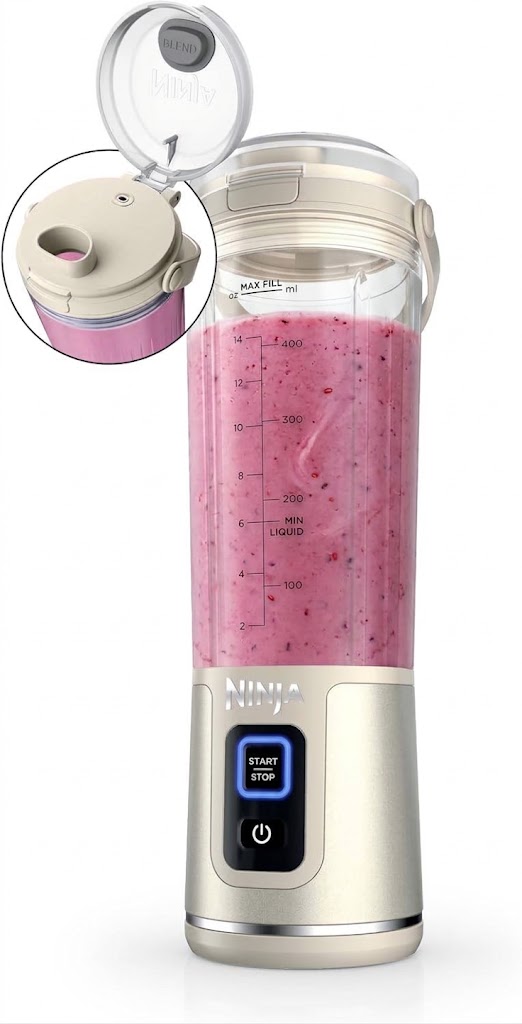
Ninja Blast Portable Blender, Cordless,18oz Vessel, Vanilla Bean
Check Price on AmazonIf you have a food processor, another option is to freeze the base in a shallow layer or in small portions, then process it until creamy. Work in batches if needed. The result can soften quickly, so serve it soon after processing.
Serving and storing homemade frozen yogurt
For the softest texture, serve the dessert as soon as it reaches a thick, churned consistency. Add toppings at the table so crunchy ingredients stay crisp. Fresh fruit, a small amount of jam, toasted nuts, or chocolate shavings can add contrast without changing the base itself.
To store leftovers, transfer them promptly to a clean, freezer-safe container, cover the surface, and close the lid tightly. Keep the container in the back of the freezer, where the temperature is more consistent than near the door. Repeated thawing and refreezing encourages ice crystals and can make the texture rough.
Homemade frozen yogurt does not stay at its best indefinitely. Use it while it still smells fresh and has a pleasant texture; discard it if it develops an off smell, unusual discoloration, or signs of contamination. Do not taste food that appears spoiled to check whether it is safe.
If the stored batch becomes very firm, let it soften briefly before serving rather than trying to scoop it with force. For future batches, note how the yogurt, sugar level, and add-ins affected the texture. Small adjustments are more useful than changing every part of the recipe at once.
A creamy batch starts with thick yogurt, a well-chilled base, and enough sugar to support a soft texture. Churn until the mixture reaches a soft-serve consistency, then serve it right away or store it with the surface covered.
For your next batch, begin with the recipe above and use plain full-fat Greek yogurt. Taste the base before churning, then adjust sweetness or flavor before it goes into the machine.
That simple approach is the most dependable way to make frozen yoghurt in an ice cream maker at home. Keep watery add-ins modest, and let stored portions soften briefly before scooping.
