what is acai frozen yoghurt: a simple guide
what is acai frozen yoghurt? It is a chilled dessert made with a yogurt base and acai, a deep-purple berry from South America, or acai puree. Its taste is usually tangy and fruity, with sweetness that varies by recipe.
This guide explains what goes into it, how it compares with other frozen desserts, and what to check on a package or menu. You will also find simple serving ideas, storage advice, and a practical way to make a version at home. The key detail: the name alone does not tell you how much acai, yogurt, sugar, or live cultures a serving contains.
what is acai frozen yoghurt?
Acai frozen yoghurt is a frozen or semi-frozen dessert made from yogurt and acai fruit or puree. The yogurt contributes a creamy texture and a mild tang, while acai gives the mixture a berry-like flavor and a purple color. Recipes may also contain sweeteners, milk ingredients, fruit, stabilizers, or other flavorings.
Acai, also spelled açaí, is a small, dark-purple fruit that grows on a palm native to parts of Central and South America. Its flavor is often described as earthy, tart, and mildly fruity rather than strongly sweet. In a dessert, the yogurt and added sweetener can soften that earthy taste.
There is no single standard recipe. A shop may blend yogurt with frozen acai puree and serve it like soft-serve. A packaged product might use yogurt, acai powder, or a fruit preparation. Some recipes combine acai with other berries, banana, or juice, so the taste and texture can differ considerably.
The word “yoghurt” is a spelling variant of “yogurt.” In the United States, product labels and menus commonly use “yogurt,” while “yoghurt” is also used in other English-speaking regions. Either spelling can describe the same general kind of dessert.
What gives it its flavor, color, and texture?
The finished dessert’s character depends on the ratio of yogurt to fruit, the type of acai ingredient, and the amount of sweetener. A yogurt-forward recipe tends to taste tangier and creamier. A fruit-forward blend may taste more intense and have a deeper color, though added ingredients can change both.
Acai puree, powder, and flavored preparations
Frozen acai puree is a common choice for homemade bowls and blended desserts. It provides fruit flavor and color, and it can help make a thick mixture when blended while still frozen. Some puree products are unsweetened; others already contain sugar or another sweetener. Check the package before adding more.
Acai powder is a dried ingredient that can be stirred into yogurt. It is convenient to store and portion, but it does not supply the same water or texture as puree. A small amount may color and flavor a serving, while too much can make the mixture taste earthy or chalky.
Some commercial products use an acai-flavored fruit preparation instead of a large amount of whole-fruit puree. The ingredient list can help you tell what the product contains. If acai appears near the end of a long list, it may be present in a smaller amount than the name or color suggests.
Why the texture varies
Yogurt contains water, proteins, and, depending on the type, fat. When a mixture freezes, ice crystals form. Churning or blending can break up those crystals and create a smoother texture; fat and ingredients such as stabilizers can also affect how creamy a commercial product feels.
A homemade mixture without an ice cream maker may freeze harder than shop-style soft-serve. That does not mean the recipe failed. Letting it soften briefly at room temperature and stirring it can make it easier to scoop, but avoid leaving it out for an extended period.
How it compares with other frozen desserts
The names on a menu can sound similar, but the ingredients and serving styles are not always the same. “Frozen yoghurt” generally points to a yogurt-based dessert, while an acai bowl may be a thick fruit blend served with toppings. Either can contain added sugar, and neither label alone guarantees a particular nutrition profile.
| Option | Typical base | Common texture and taste | Best for |
|---|---|---|---|
| Acai frozen yoghurt | Yogurt with acai or acai flavoring | Creamy, tangy, fruity; sweetness varies | A spoonable dessert with both yogurt and berry notes |
| Plain frozen yogurt | Yogurt, often with sweetener | Tangy and smooth, without acai flavor | Adding your own fruit or choosing a simple base |
| Acai bowl | Blended acai and fruit, sometimes with yogurt | Thick enough for a bowl, often served with toppings | A fruit-focused meal or snack with customizable toppings |
| Acai sorbet | Fruit or fruit puree, water, and sweetener | Usually fruit-forward and dairy-free, depending on ingredients | A dairy-free choice when the label confirms it |
| Acai ice cream | Milk or cream with acai or flavoring | Rich and creamy, often less tangy | A richer dessert with a dairy-cream base |
These are general descriptions, not strict legal definitions for every market or brand. Recipes vary, and names may be used differently by individual sellers. If you have an allergy or dietary requirement, rely on the ingredient and allergen information rather than the product name.
Is it healthy, and does it contain probiotics?
It can be one option among desserts, but “acai” and “yogurt” do not automatically make a product low in sugar, high in protein, or especially nutritious. The nutrition depends on the portion, recipe, toppings, and how much sweetener is added. A large bowl with sweet sauces and crunchy toppings can differ substantially from a small serving of plain yogurt blended with fruit.
Acai contributes fruit ingredients, but a product’s color or acai branding does not reveal how much fruit it contains. Check the ingredient list and nutrition facts if you want to compare products. Look at serving size as well: a label’s figures apply to the listed portion, which may be smaller than what you would serve yourself.
Probiotics are not guaranteed. Some yogurt is made with live cultures, which are beneficial microorganisms used in fermentation. Freezing does not necessarily destroy all cultures, but the number that remain can depend on the product and how it was handled. Processing and storage also matter. Look for a clear live-culture statement on the label if this is important to you; do not assume every frozen yogurt contains active cultures at the time you eat it.
For a quick comparison, check these details:
- Added sugars: Compare products using the same serving size. Sweetened puree, sauces, and toppings can all add sugar.
- Protein: Yogurt types vary in protein, and added fruit or sweetener does not necessarily increase it meaningfully.
- Fat and calories: These depend on the yogurt base, portion size, and additions. “Frozen” does not mean a food is automatically lighter.
- Allergens: Yogurt-based products typically contain dairy. Check the label for milk and any other declared allergens.
- Dietary suitability: A product may not be vegan, dairy-free, or suitable for a specific diet just because it contains fruit.
A useful misconception to clear up is that a bold purple color proves a product contains a large amount of acai. Color can come from a small amount of fruit, other berries, or added coloring. The ingredient list is a more dependable way to see what is included.

Framendino, 16 Pack Artificial Chicken Nuggets Fake Fried Food Models Props for Kitchen Decor
Check Price on AmazonHow to choose a product at a shop or grocery store
Start with the kind of dessert you want. If you prefer a tangy, creamy taste, choose a product where yogurt is prominent in the ingredients. If you want a stronger fruit flavor, look for acai puree or acai among the earlier ingredients, while remembering that ingredient order does not tell you an exact percentage unless one is stated.
At a frozen-yogurt shop, ask what the base contains and whether the acai flavor is mixed into the yogurt or offered as a separate fruit blend. If the staff cannot confirm an ingredient or allergen, choose another option when that detail matters for your health or diet. Toppings are often served separately, so you can control how much you add.
For packaged products, compare like with like. Look at the serving size, ingredients, added sugars, and allergen statement. A product marketed as a bowl base may have a different texture and serving size from a small cup of frozen dessert, making direct nutrition comparisons misleading unless you adjust for the amount you plan to eat.
If you want a dairy-free option, verify that the product uses a non-dairy base and that other ingredients meet your needs. Acai puree itself is fruit, but a prepared acai dessert may contain yogurt, milk, or ingredients processed alongside allergens. A product’s front label is not a substitute for its ingredient and allergen information.
How to make acai frozen yoghurt at home
A home version needs only a few ingredients, and you can adjust the sweetness and thickness to suit your taste. Use plain yogurt and unsweetened acai puree if you want more control over the added sugar. If you have sweetened puree, taste the mixture before adding honey, syrup, or another sweetener.
- Choose the base. Add plain yogurt to a blender or food processor. Greek-style yogurt makes a thicker, more substantial base; regular yogurt can produce a softer mixture.
- Add acai. Use thawed puree according to its package directions, or add a modest amount of acai powder. If using frozen puree, break it into pieces so the machine can blend it more evenly.
- Adjust the flavor. Blend in a little banana or a handful of berries for extra sweetness and fruit flavor. Add sweetener gradually, tasting as you go.
- Blend until smooth. Stop to scrape down the sides if needed. If the mixture is too thick for your blender, add a small spoonful of yogurt or milk rather than pouring in a large amount at once.
- Serve soft or freeze. Eat it immediately for a soft, thick texture. For a firmer dessert, spread the mixture in a shallow freezer-safe container and freeze it until scoopable.
- Soften before scooping. If it freezes firm, let it stand briefly, then stir or scrape it. Homemade recipes without commercial stabilizers can become harder and icier during storage.
For a bowl-style serving, spoon the blend into a bowl and add a small amount of fresh fruit, nuts, seeds, or granola. For a simpler dessert, serve it plain or with one topping. Toppings can quickly change the sweetness and texture, so add them based on the flavor you want rather than covering the base completely.
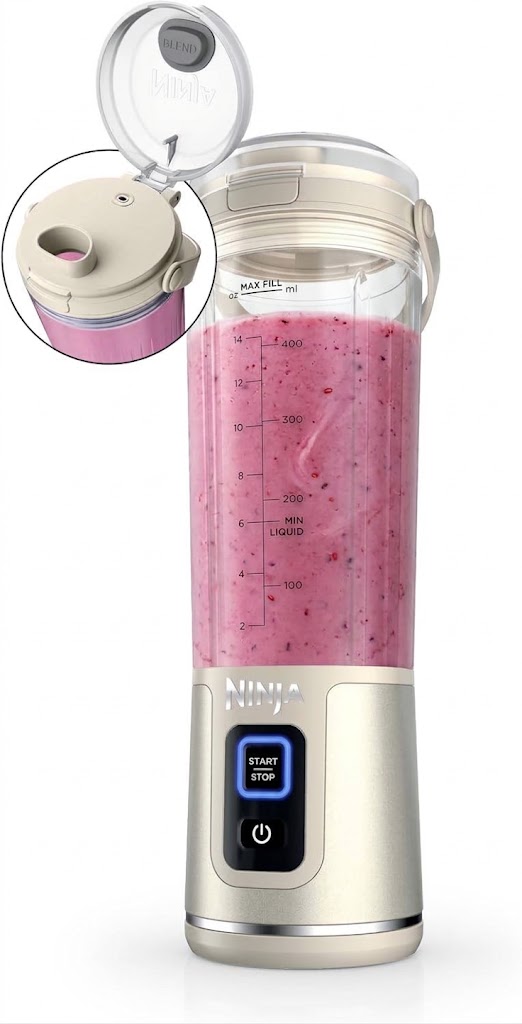
Ninja Blast Portable Blender, Cordless,18oz Vessel, Vanilla Bean
Check Price on AmazonEasy ways to adjust the recipe
If the mixture tastes too tart, add a little ripe banana or sweetener. If it tastes too earthy, use less acai and add a mild fruit such as banana or strawberry. If it is too loose, use thicker yogurt or reduce added liquid. If it is too thick to blend, add liquid in small amounts.
For a dairy-free preparation, use a non-dairy yogurt that blends well and check that the acai product has no dairy ingredients. The result will taste and set differently depending on the yogurt alternative. Follow the same gradual approach with liquids and sweeteners.
Serving ideas and toppings that work well
Acai’s tart, earthy flavor pairs well with ingredients that add freshness, sweetness, or crunch. Fresh strawberries, blueberries, and sliced banana complement the berry notes. Granola, chopped nuts, and seeds add texture, while a small drizzle of honey or nut butter can make the bowl richer.
Keep the base in balance. If the yogurt is already sweetened, try fresh fruit or a few nuts before adding syrup. If the mixture is tart, a small amount of banana may soften the taste without making the serving as sweet as several toppings together.
Consider texture as well as flavor. A thick base holds heavier toppings better than a soft, drinkable blend. Add crunchy ingredients just before serving so they remain crisp. If preparing bowls ahead, keep toppings separate and add them at the last minute.
Storage and food-safety basics
Keep packaged products frozen according to the storage instructions on the label. At home, place leftover homemade mixture in a clean, covered freezer-safe container and return it to the freezer promptly. A shallow container can help it freeze more evenly than a deep, full container.
Homemade frozen yogurt may become firm or develop ice crystals as it sits. This is common because a home recipe may not have the stabilizers or churning used in commercial products. Let a portion soften briefly and stir it to improve the texture. Avoid repeatedly thawing and refreezing the full container, which can worsen texture and make temperature control harder.
Do not leave dairy-based desserts at room temperature for long periods. If a product has thawed substantially, follow its package guidance and use sensible food-safety practices rather than assuming it is fine to refreeze. When serving a group, scoop only what is needed and keep the remaining dessert cold.
Common mistakes to avoid
- Assuming the product is low in sugar: Acai and yogurt can both appear in a sweetened dessert. Check the nutrition panel and account for toppings.
- Adding too much liquid: A loose blend can be hard to freeze into a scoopable dessert. Add liquid in small increments only when blending requires it.
- Expecting every recipe to taste like sweet berries: Acai can have earthy and tart notes. Balance it with yogurt, banana, or other fruit to suit your palate.
- Assuming all frozen yogurt has live cultures: Cultures vary by product and processing. Check for an explicit statement if live cultures are a priority.
- Judging fruit content by color: A deep-purple appearance does not establish the amount of acai. Read the ingredient list.
- Freezing a homemade blend without a plan: A basic yogurt mixture can set hard. Serve it soft, or allow time for it to soften before scooping.
One practical tip that often gets overlooked: taste the base before adding toppings. The fruit puree may already be sweetened, and yogurt can vary from mild to quite tangy. A quick taste at this stage helps you avoid an overly sweet bowl and lets the acai flavor come through.
what is acai frozen yoghurt? It is a frozen dessert that combines a yogurt base with acai fruit or an acai ingredient. Its flavor, sweetness, texture, and live-culture content vary by recipe, so the name alone does not tell you exactly what is inside.
For your next serving, check the ingredients and serving size, then choose toppings that suit the sweetness of the base. To make it at home, start with plain yogurt and acai, blend in small adjustments, and taste before adding sweetener.
