should greek yogurt be refrigerated or frozen: storage tips
Should greek yogurt be refrigerated or frozen? Keep it refrigerated for everyday storage; freeze it only if you need to keep it longer or want portions for smoothies and cooking. Cold storage slows spoilage, while freezing can make the texture grainy or watery after thawing.

Framendino, 16 Pack Artificial Chicken Nuggets Fake Fried Food Models Props for Kitchen Decor
Check Price on AmazonThis guide explains safe fridge and freezer temperatures, what to do with an opened tub, and how to freeze and thaw yogurt with less mess. You’ll also learn how to judge quality, handle leftovers, and avoid a common mistake: assuming freezing makes old yogurt fresh again. For the best results, the package’s storage instructions should guide your decisions.
Should greek yogurt be refrigerated or frozen?
Refrigerate Greek yogurt for normal use. Keep it at 40°F (4°C) or colder, and return it to the refrigerator promptly after serving. Freezing is an option for longer storage, but it often changes the smooth, thick texture that makes Greek yogurt appealing.
Choose the refrigerator if you expect to eat the yogurt within the period stated on its package. Choose the freezer if you will not use it in time, or if you want measured portions for recipes. Frozen yogurt can still be useful, but it may not be as pleasant to eat plain after thawing.
Neither storage method makes yogurt immune to mishandling. Refrigeration slows the growth of many harmful bacteria; it does not stop all spoilage. Freezing pauses most microbial growth while the food stays frozen, but it does not reliably kill harmful microbes or reverse spoilage that happened beforehand.
Why Greek yogurt belongs in the refrigerator
Greek yogurt is a perishable dairy food. It needs steady refrigeration to limit bacterial growth and preserve its flavor and texture. The refrigerator should be set to 40°F (4°C) or below, rather than relying on how cold a shelf feels.
Keep the tub in the main body of the refrigerator, not in the door. Door temperatures rise and fall more often as it opens. A middle or lower shelf usually offers steadier cold than the door, though the appliance’s layout can vary.
Put yogurt away soon after shopping and after each serving. Do not leave it on the counter while preparing a long meal. Perishable food should generally not sit at room temperature for more than two hours, or more than one hour when the temperature is above 90°F (32°C). If it has been out longer, discard it rather than trying to make it safe by freezing it.
How unopened and opened tubs differ
An unopened tub is protected from repeated exposure to air, utensils, and crumbs. Keep it refrigerated and use the date and storage directions on the package. A printed date can relate to quality as well as safety, so it is not a substitute for proper refrigeration or a reason to ignore signs of spoilage.
Once you open the tub, keep it covered and return it to the refrigerator promptly. Use a clean spoon each time. A spoon that has touched your mouth, a cutting board, or another food can introduce microbes and shorten the yogurt’s useful life.
There is no single after-opening time that applies to every brand and every household. Follow the manufacturer’s instructions, especially if the label gives a period for use after opening. If no guidance is provided, keep it cold, use it promptly, and discard it if you notice mold, an unusual smell, or another clear change.
A small amount of clear liquid on top can be whey, a natural part of yogurt. It may separate during storage, and stirring it back in is usually fine if the yogurt has been handled properly and has no other signs of spoilage. Separation alone does not prove that it has gone bad.
Refrigerator, freezer, or single portions?
The right choice depends on when you plan to use the yogurt and how much texture matters. Freezing is most useful when you can use the thawed yogurt in a blended or cooked dish, where a slight change in texture is less noticeable.
| Storage choice | What it does well | What to expect | Best for |
|---|---|---|---|
| Refrigerator | Maintains the usual creamy texture when kept cold | Must stay at 40°F (4°C) or below; follow the package date and directions | Eating plain, topping food, and regular daily use |
| Freezer | Holds yogurt for later use when kept continuously frozen | Thawing can cause graininess, extra liquid, or a softer consistency | Smoothies, sauces, baking, and preventing avoidable waste |
| Small frozen portions | Makes it easy to take out only what a recipe needs | Requires a little prep and a freezer-safe tray or container | Measured smoothie servings or small recipe amounts |
How to refrigerate Greek yogurt safely
- Check the package first. Follow any instructions about refrigeration, opening, or use-by dates. If the container is damaged, leaking, or has lost its seal before opening, do not assume its contents are safe.
- Put it away promptly. Return it to a refrigerator set to 40°F (4°C) or colder. If you are unsure about your appliance’s temperature, use a refrigerator thermometer.
- Keep the lid closed. A tight cover limits exposure to odors and contaminants. If the original lid no longer seals well, transfer the yogurt to a clean, covered container.
- Use a clean utensil. Scoop out the amount you need, then put the container back in the refrigerator. Avoid eating directly from a tub you plan to keep.
- Watch time and condition. Note when you opened it if that helps you follow the label’s instructions. Discard yogurt that has been left out too long or shows signs of spoilage.
Do not store yogurt next to raw meat or seafood if leaking packages could drip onto it. Keep raw foods sealed and on a lower shelf. This simple arrangement helps prevent cross-contamination, meaning germs from one food reaching another.
How to freeze Greek yogurt with less mess
Freezing works best when the yogurt is still fresh and has been kept refrigerated. Do not use the freezer to rescue yogurt that has sat warm, smells off, or already shows mold. Freezing does not undo unsafe handling.
- Choose a freezer-safe container. Use the original tub only if its packaging is suitable for freezing. Otherwise, transfer the yogurt to a sealed freezer container or bag. Leave a little room at the top because contents can expand as they freeze.
- Freeze useful portions. Divide a large tub into amounts you can use in one go. For small smoothie servings, spoon yogurt into an ice cube tray, freeze until firm, and move the pieces to a labeled freezer bag.
- Label the container. Write the contents and freezing date on the package. This helps you use older portions first and avoids guessing what is in an unmarked container.
- Freeze promptly. Place the portions in a freezer set to 0°F (-18°C) or colder. Keep them sealed and away from the door if that area warms whenever the freezer opens.
- Plan for quality. Freezing can preserve food safely while it remains at a steady 0°F (-18°C), but flavor and texture can decline over time. For the best quality, use it while it still looks and smells normal after thawing.
A useful detail many people miss: freezing a whole tub is not always the easiest option. If you only need a few spoonfuls at a time, portioning it before freezing saves you from repeatedly thawing and refreezing a large amount, which can hurt quality and make handling less predictable.
What freezing does to the texture
Greek yogurt gets its thick consistency partly from its composition and how it is made. As it freezes, water forms ice crystals. Those crystals can disrupt the smooth structure, so thawed yogurt may look separated, feel grainy, or seem thinner than it did before freezing.
This is usually a quality change, not automatic proof that the yogurt is unsafe. Stirring can bring some of the separated liquid back into the yogurt, though it may not restore the original texture. A blender can make thawed yogurt smoother for a drink, dip, or sauce.
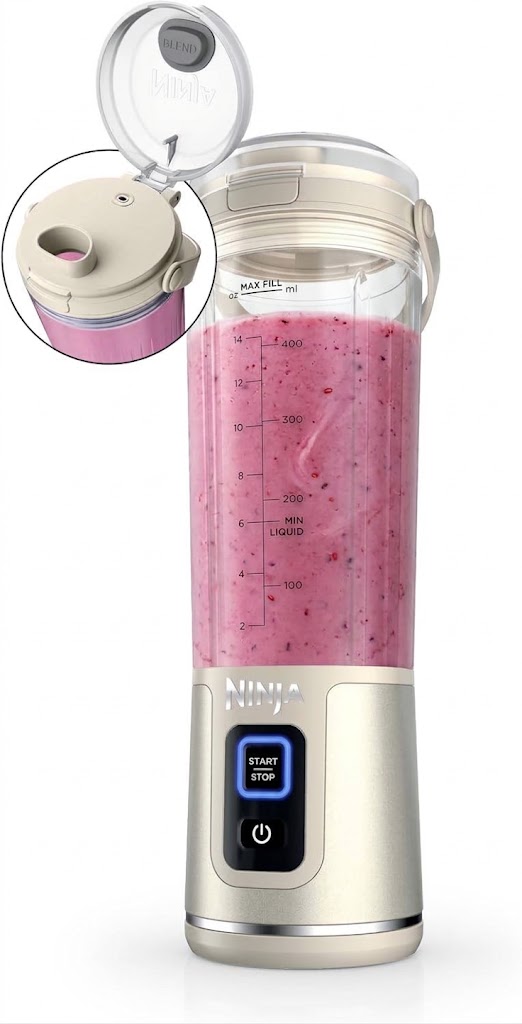
Ninja Blast Portable Blender, Cordless,18oz Vessel, Vanilla Bean
Check Price on AmazonPlain yogurt generally gives you more flexibility than a variety with fruit or mix-ins, since added pieces may soften or release liquid. Sweetened and flavored products can also have different textures after freezing. If appearance matters for a dish, test a small portion before freezing a full supply.
How to thaw and use frozen yogurt
Thaw yogurt in the refrigerator. Move the portion you need from the freezer to the fridge and let it soften while staying cold. A small portion may thaw sooner than a full container, so check it rather than leaving it out on the counter.
After thawing, stir it thoroughly. If it remains too loose or grainy to enjoy by the spoonful, use it in a recipe where texture matters less. Suitable options include smoothies, pancake or muffin batter, marinades, and cooked sauces. Add it to hot dishes gently; high heat can make dairy separate, especially if it boils.
Take out only what you plan to use. If thawed yogurt has stayed cold and you still need to refreeze it, food safety depends on how it was handled, but the texture may worsen further. For simpler, better-quality storage, freeze small servings and thaw only the amount needed.
Do not thaw it on the counter for hours, in warm water, or in a hot car. These methods can warm the outside while the middle remains frozen. That uneven warming creates avoidable food-safety risks.
When should you throw Greek yogurt away?
Discard yogurt if you see mold, notice a distinctly unpleasant or unusual smell, or find a package that is swollen, leaking, or otherwise damaged. Do not taste it to check whether it is safe. If mold appears, throw out the whole container rather than scraping the visible spot away.
Also discard yogurt that has spent too long at room temperature. A normal appearance or smell cannot reliably prove that food is safe after improper storage. When the handling history is unclear, choosing a new container is safer than taking a chance.
Watery separation by itself is different. Clear liquid can be whey, and it may be stirred in when the yogurt has been kept cold and has no other warning signs. Color changes, mold, or an off odor call for a different response: discard it.
Common storage mistakes to avoid
- Leaving the tub on the counter during a meal. Put it back in the refrigerator after serving, especially on a warm day.
- Using the printed date as the only safety test. Storage temperature and handling matter too. Follow package guidance, but discard food that has clear signs of spoilage.
- Freezing yogurt after it has gone bad. Cold storage cannot reverse spoilage or make previously mishandled food safe.
- Freezing in a tightly filled glass jar. Liquid expands as it freezes, which can crack glass. Use a freezer-safe container and leave expansion room.
- Thawing and refreezing the whole tub repeatedly. Repeated temperature changes can make texture worse and complicate safe handling. Freeze single-use portions instead.
- Assuming a separated surface means it must be spoiled. Check for other signs and consider how it was stored; a little whey can be normal.
Quick answers about storing Greek yogurt
Can Greek yogurt be frozen in its original container?
Sometimes, but check the packaging and leave room for expansion. If the tub is not labeled or designed for freezer use, transfer the yogurt to a freezer-safe container. Small portions are often easier to thaw and use.
Does freezing kill the good bacteria in Greek yogurt?
Freezing can reduce the number of live cultures, and the effect varies by product and conditions. It does not make yogurt sterile. If live cultures are important to you, check the label and choose refrigerated yogurt for regular eating rather than relying on frozen yogurt for that purpose.
Can you eat Greek yogurt after its date?
A date on a package can indicate freshness or quality, and it does not replace safe handling. Follow the manufacturer’s guidance, keep the yogurt cold, and discard it if it shows spoilage or was stored improperly. Do not use smell alone to confirm safety.
Can you freeze Greek yogurt for smoothies?
Yes. Freeze it in measured portions or use an ice cube tray, then add the frozen pieces directly to a blender. This is a convenient use because blending hides many of the texture changes that show up after thawing.
For everyday use, keep Greek yogurt refrigerated at 40°F (4°C) or colder and follow the package’s storage directions. Freezing is a practical backup, but thawed yogurt may be grainier or more watery than fresh yogurt.
If you have more than you can use soon, divide it into recipe-sized portions, seal and label them, then freeze promptly. Thaw only what you need in the refrigerator, and discard yogurt that has been left warm too long or shows signs of spoilage.
Should greek yogurt be refrigerated or frozen? Refrigerate it for the best everyday texture; freeze fresh portions when you need longer storage or plan to blend or cook with them.
