where was frozen disney filmed: Norway’s real influence
where was frozen disney filmed? The 2013 Disney film was not filmed in a real location: it is animated, and its kingdom of Arendelle is fictional. Disney artists drew inspiration from Norway, especially its fjords, architecture, and decorative folk art.
The distinction matters if you are hoping to visit a filming site. There was no live-action set or single real town that served as Arendelle. This guide explains where the movie was made, which Norwegian places and traditions help explain its look, how the sequel differs, and what you can realistically visit for a similar sense of place.
where was frozen disney filmed? The short answer
Frozen was created as an animated feature by Walt Disney Animation Studios, whose production headquarters are in Burbank, California. Its scenes were drawn and computer-animated; the film was not shot on location in Norway or anywhere else. There is no real Arendelle set to visit.
Norway is the strongest real-world reference for the film’s visual design. Disney artists studied Norwegian scenery, buildings, clothing, and decorative art to create a convincing northern European setting. That research informed the movie, but it does not mean the story takes place in a named Norwegian town.
So the clearest answer is: the film was made in an animation studio, while Norway inspired much of its fictional setting. A real place may resemble a scene without being the scene’s actual filming location.
Where is Arendelle supposed to be?
Arendelle is a made-up kingdom, not a real municipality or historical country. The story places it in a northern European environment, but the film does not identify a precise real-world location. Its mountains, water, village, and royal buildings combine visual cues rather than reproduce one town exactly.
The name and details of the kingdom belong to the story. Norway provides a useful cultural and visual reference, but it is better to describe Arendelle as Norway-inspired than to call it a fictional version of Bergen or another specific place. That distinction helps avoid a common misconception: a recognizable reference is not proof that the setting is a one-to-one copy.
The movie’s setting also supports its fairy-tale mood. Steep mountains and a sheltered fjord make the kingdom feel isolated, while the compact town and castle give the sisters’ family story a clear center. These are storytelling choices, not a map of a real Norwegian region.
How Norway influenced the animated film
Disney’s creative team researched Norway to give Arendelle a distinct visual identity. The country offered references for the film’s natural scenery as well as its architecture and craft traditions. Those elements were adapted for animation, where the artists could shape them to fit the story and the film’s dramatic scenes.
Fjords, mountains, and water
Norwegian fjords are long, narrow stretches of sea bordered by steep land. Their combination of water, cliffs, and mountain views helps explain the dramatic geography around Arendelle. The film uses that kind of setting to make the kingdom feel both beautiful and enclosed.
Norway has many fjords, so no single one should be treated as the confirmed filming location or exact model for the animated kingdom. Places such as Geirangerfjord and Nærøyfjord are real examples of the country’s striking fjord scenery. They can help you picture the broader inspiration, but the movie’s views are artistic combinations rather than literal travel photographs.
Wooden buildings and stave churches
Traditional Norwegian wooden architecture is another visual reference. A stave church is a historic wooden church built around upright timber posts, or staves. Its carved details and layered rooflines offer a very different look from stone churches common in many other parts of Europe.
Arendelle’s buildings draw on this broader architectural vocabulary. Look for steep roofs, timber details, carved ornament, and a strong connection between the town and its natural surroundings. The design creates a sense of place without claiming that the royal castle is a precise copy of a particular church or historic building.
Rosemaling and folk-art details
Rosemaling is a Norwegian decorative painting tradition known for flowing floral patterns and curved shapes. The film’s artists used folk-art references to make interiors, costumes, and objects feel rooted in a specific cultural world. These small details matter because they give the setting character beyond snow and mountains.
Costumes and decorative motifs also help distinguish the kingdom from a generic fairy-tale village. They are stylized for the screen, though, rather than exact historical dress. The film blends research with fantasy, so a design may echo a real tradition without serving as a museum-accurate example.
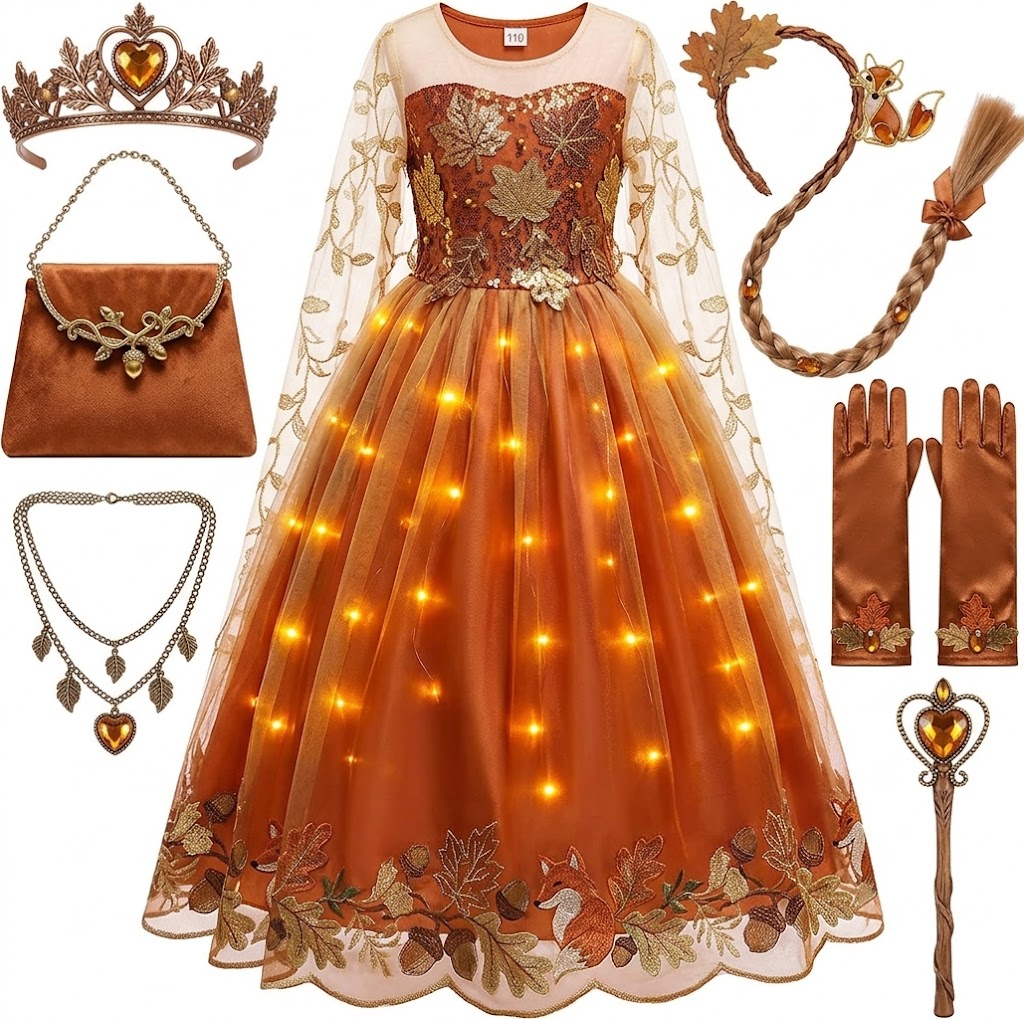
Princess Dresses for Girls Light Up Princess Costume for Christmas Halloween Toddler Princess Dress Up Clothes
Check Price on AmazonReal places that can evoke Arendelle
No town is Arendelle, but some Norwegian destinations offer parts of the visual experience. A fjord cruise, a historic wooden church, or a walk through a colorful harbor district can connect you with the kinds of scenery and design that informed the film’s look.
| Real place or feature | What it shares with the film | Best for |
|---|---|---|
| Geirangerfjord | High cliffs, deep water, and mountain scenery | Visitors seeking dramatic fjord views |
| Nærøyfjord | A narrow fjord framed by steep mountains | Seeing a classic western Norwegian fjord setting |
| Bergen’s historic Bryggen district | Close-set wooden buildings and a historic harbor atmosphere | Architecture and a walkable urban stop |
| Norwegian stave churches | Timber construction and carved architectural details | Learning about historic wooden architecture |
| Arendelle itself | A fictional combination of visual references | Enjoying the story, not planning a real-world visit |
The table gives examples, not a list of confirmed scene locations. Bryggen, for instance, is a real historic district in Bergen, but it is not the town used to film the movie. Likewise, visiting a Norwegian fjord can give you a sense of the scenery without placing you at an actual production site.
Practical tip: If you are planning a trip around the film’s inspiration, choose destinations for the real experiences they offer. Check transport, seasonal conditions, opening times, and access to historic buildings before you go. Don’t rely on a tour label that calls a place an official filming site unless it explains that the film was animated and identifies the specific design connection.
Was Frozen filmed in Norway?
No. The original Frozen was not filmed in Norway because it is an animated movie, not a live-action production. Norway influenced the art direction, but the landscapes and buildings were created by Disney’s artists.
People sometimes use “filmed” loosely to ask where a movie was made. In that sense, the production was made by Walt Disney Animation Studios in California. In the literal sense of cameras recording actors and scenery on location, there was no Norwegian filming.
This is a useful distinction for other animated films, too. Research trips, photographs, and cultural references may inform a movie’s design, but they do not turn the places studied into filming locations. The finished setting exists in the artwork and animation.
How Frozen II draws on other Nordic references
The sequel, Frozen II, also uses Nordic cultural and natural references, but it expands beyond the first film’s Norwegian-inspired kingdom. Its story introduces the Enchanted Forest and Northuldra, a fictional Indigenous community connected to the plot. The film’s creators consulted Sámi representatives during development, an important step when a story draws on a living culture.
It is still important to separate fictional storytelling from real geography and identity. The Northuldra are fictional characters, and the film is not a documentary account of Sámi history. Consultation can inform creative choices, but it does not make the story a factual depiction of every Sámi community or tradition.
The sequel’s northern setting includes visual influences associated with Norway, Finland, and Iceland. As in the first movie, these references are brought together for the story rather than copied into a single exact location. If a question refers to the sequel, the answer remains the same in one key respect: it is animated, not a live-action film shot at a real Nordic site.
What visitors can see in Norway
You can visit real places that share some of the film’s references, but there is no official Arendelle attraction in Norway. A trip can focus on fjord scenery, historic architecture, local museums, or Norwegian decorative arts. Those experiences offer a more accurate connection to the country than searching for a nonexistent movie set.
For natural scenery, look into established fjord destinations and choose a route that fits your time and mobility. Some viewpoints require a hike or a drive on steep roads, while others can be reached by boat or from a town. Check current local travel information before setting out, especially in winter or during periods of poor weather.
For architecture, research the opening arrangements and visitor rules for individual stave churches. These are historic religious buildings, not theme-park sets, and some have limited access or active services. Respect signs and local guidance, and avoid touching fragile historic surfaces.
In Bergen, Bryggen is a real historic harbor area with wooden buildings, shops, and museums. It is a rewarding stop for architecture and local history, but it should not be presented as the place where scenes were filmed. Treat the connection as visual inspiration, not a production credit.
Common mistakes about the movie’s location
- Calling Norway the filming location: Norway influenced the visuals, but the animated film was not shot there.
- Calling Arendelle a real town: Arendelle is fictional, even though its design draws on recognizable Nordic references.
- Assuming one fjord is the exact model: The movie combines artistic choices; no single fjord is established as the complete real-world match.
- Treating a similar building as a movie set: A stave church or historic harbor may share design features without appearing as a photographed location.
- Mixing up the original and the sequel: The first film and Frozen II use related but not identical cultural and visual references.
The biggest point people miss is that inspiration is not the same as location. A place can help artists imagine a fictional world without appearing in the finished film as a recorded setting. Keeping that distinction in mind makes travel research more accurate and helps you appreciate the real places on their own terms.
How to describe the connection accurately
If you are writing a caption, planning a trip, or answering a child’s question, a clear explanation can be short: the movie is animated, Arendelle is fictional, and Norway inspired much of its look. That wording avoids suggesting that the film crew shot scenes in a Norwegian village.
- Identify which film you mean. The original and its sequel have related but distinct settings and references.
- Separate production from inspiration. The animation was created by Disney artists; Norway and other Nordic influences informed the design.
- Name real places as examples, not sets. A fjord or historic district may evoke the movie without being a confirmed production location.
- Check the details before booking. Verify transport, seasonal access, and opening arrangements for the specific place you want to visit.
That approach is useful because movie-location claims are often repeated without explaining whether a work was animated or live-action. For an animated film, saying “inspired by” is usually more precise than saying “filmed in.” It also gives travelers a realistic reason to visit: the actual scenery, history, and culture of Norway.
where was frozen disney filmed? The original movie was animated by Walt Disney Animation Studios, not filmed on location. Arendelle is fictional, while Norway’s fjords, architecture, and folk-art traditions helped shape its appearance.
If you want to experience that visual inspiration, plan around real Norwegian destinations such as fjords, Bergen’s historic harbor, or stave churches. Treat them as places that evoke the film, not as confirmed filming sites.