why olaf is the best: Frozen’s Warmest Heart
why olaf is the best comes down to more than his jokes: he brings kindness, optimism, and emotional honesty to Frozen. Olaf can make a tense moment funny, then remind the people around him what matters.
His appeal rests on a memorable mix of childlike wonder and surprising wisdom. He is also more than comic relief: his bond with Anna and Elsa helps express the films’ themes of love, change, and family.
Here’s what makes Olaf stand out, how his humor works, and why his sweetest moments carry real meaning. You’ll also find a spoiler-aware comparison with other characters and a look at what makes his character so easy to remember.
why olaf is the best: the short answer
Olaf is one of Frozen’s most lovable characters because his humor comes with genuine warmth. He is curious without being cynical, affectionate without demanding attention, and cheerful even when he does not fully understand the situation. That combination makes him entertaining and emotionally important.
He also brings out different sides of Anna and Elsa. With Anna, he shares an open, playful connection. With Elsa, he represents a happy memory from their childhood and a reminder that her magic can create something joyful. His place in the family gives his jokes a deeper purpose.
Calling him the best is a matter of taste, of course. But if you value a character who can make you laugh, express the story’s central ideas, and feel sincere rather than overly polished, Olaf makes a strong case.
His comedy is funny because it fits his character
Olaf’s jokes work because they grow naturally from how he sees the world. He is a snowman with a child’s enthusiasm and limited experience, so ordinary things can seem wonderfully strange to him. The humor comes from that mismatch, not from a steady stream of unrelated punchlines.
His interest in summer is the clearest example. Olaf imagines warm weather as something delightful, without understanding what heat means for a snowman. The audience recognizes the danger before he does, creating comic tension while keeping his innocent outlook intact.
That setup also makes the joke useful to the story. It gives the audience a funny glimpse of Olaf’s personality, while the characters around him react to the obvious problem. His optimism is not simply a gag; it is part of what makes him feel distinct.
Olaf’s physical comedy adds another layer. As a snowman, he can rearrange his body in ways a human character cannot. His head, arms, and other pieces can move independently, turning a simple gesture into a visual joke. The animation makes those moments easy to follow and gives the comedy a clear character-specific style.
Most importantly, Olaf is not written as a fool who exists only to be laughed at. His innocence can be amusing, but the story treats his feelings seriously. That balance lets viewers enjoy the jokes without losing their affection for him.
He brings out the best in Anna and Elsa
A memorable supporting character changes the scenes around him. Olaf does that by responding to Anna and Elsa with trust and affection, rather than fear or suspicion. His presence helps make the sisters’ shared history feel close, even after years of distance.
Anna welcomes Olaf as a friend, and their easy rapport gives her moments of uncomplicated joy. She can laugh with him, listen to him, and share the adventure. This helps show Anna’s warmth through action instead of relying only on dialogue that tells the audience what she is like.
Olaf also connects Elsa to her childhood. Elsa’s magic once helped create the snowman she and Anna played with, and Olaf becomes a living reminder of that happier time. His existence lets the story show that Elsa’s powers can bring connection and delight, not only fear and conflict.
That link matters because Elsa’s story includes a struggle to understand and control her abilities. Olaf does not solve that struggle for her, but he offers a gentle counterpoint to the idea that her magic is only dangerous. He is both a character in his own right and a symbol of a bond that survived separation.
He does not replace the sisters’ relationship or take over their story. Instead, he gives them a shared friend who can help make tenderness visible. That supporting role is one reason his presence feels meaningful rather than distracting.
His kindness has emotional weight
Olaf’s most affecting moments come when his affection becomes more than cheerful talk. He cares about the people around him and responds to their needs. That quality gives his kindness weight: he is not merely pleasant when things are easy; he is willing to offer comfort when someone is hurting.
His statement that “some people are worth melting for” captures that idea in a few words. The line is memorable because it is simple, but it also reflects what Olaf has learned about love. Caring for someone can mean accepting risk or discomfort for their sake.
The line does not turn Olaf into a grand, serious hero. It works because it comes from the same character who makes silly observations and approaches the world with wide-eyed excitement. His sincerity feels earned by the contrast, not added as a separate personality.
Olaf also helps make the film’s themes accessible to younger viewers. Love, sacrifice, and family can be difficult ideas to explain directly. A character who expresses them in plain, heartfelt language can make those ideas easier to grasp without reducing them to a lecture.
For older viewers, his kindness can be just as appealing. His care is direct and uncomplicated, a reminder that support does not always require a clever speech. Sometimes a friend helps by staying present, offering comfort, or saying something honest.
Olaf turns optimism into a story theme
Optimism is not the same as pretending that nothing bad can happen. Olaf often sees the bright side first, but the films let that trait exist alongside real danger and sadness. This keeps his positivity from feeling like a denial of the story’s problems.
His summer dream is funny because the audience knows it is risky. Later, his warmth toward others has emotional stakes because the story shows that love can involve loss. Olaf’s cheerful nature does not erase those risks; it gives the story a way to meet them with hope.
This is one reason he appeals to children and adults differently. Children may respond to his playful behavior and jokes. Adults may notice how he offers comfort and how his hopeful outlook gives the story room to breathe during tense scenes.
Olaf’s optimism is also active. He asks questions, shares what he thinks, and keeps engaging with the people around him. He does not need to understand every detail before he can be kind or curious. That willingness to participate makes him more than a cheerful background presence.
A common mistake is to assume that a positive character must be shallow. Olaf shows how optimism can be part of a character’s emotional strength. His cheerfulness is most effective when the story places it beside uncertainty, rather than using it to pretend uncertainty does not exist.
What makes Olaf different from other Frozen characters?
Frozen has several characters with strong personalities, and each serves a different purpose. Olaf’s particular strength is the way he combines comic relief with a direct expression of the story’s emotional themes. Comparing him with Anna, Elsa, and Kristoff helps clarify why he stands out without suggesting that one character has to replace the others.
| Character | What stands out | Story role | Best for |
|---|---|---|---|
| Olaf | Playful humor and open-hearted kindness | Brings warmth, comedy, and a link to the sisters’ childhood | Viewers who enjoy funny characters with emotional sincerity |
| Anna | Determination and warmth | Drives the effort to reconnect with Elsa and protect their family | Viewers drawn to active, relationship-focused heroes |
| Elsa | Powerful magic and a search for self-understanding | Anchors the story’s conflict around identity, fear, and responsibility | Viewers interested in transformation and self-acceptance |
| Kristoff | Practical loyalty and dry humor | Supports Anna’s journey while bringing a grounded perspective | Viewers who like dependable, understated companions |
The comparison shows that Olaf’s appeal is not based on doing what the other characters do. Anna takes action, Elsa confronts questions about her powers, and Kristoff offers grounded support. Olaf adds a different kind of value: he makes affection and humor part of the group’s everyday dynamic.
He is also particularly effective in scenes where the story needs a lighter touch. That does not mean his role is less important. A change in tone can help an audience absorb an emotional scene, and a well-placed joke can make the next serious moment feel more affecting.

Disney Frozen Kids' Bezel Stainless Steel Time Teacher Analog Nylon Strap Watch
Check Price on AmazonHe is more than comic relief
Comic relief is a character or moment that eases tension with humor. Olaf does provide that relief, but the label alone misses how closely he is tied to Frozen’s relationships and themes. His jokes are part of his personality, while his love for Anna and Elsa gives him a role beyond making people laugh.
His connection to the sisters makes him a bridge between their past and present. He is associated with a childhood they shared, and his presence helps keep that history alive. This makes him relevant to the emotional core of the story, even when he is delivering a punchline.
He also helps the films shift tone without making those shifts feel abrupt. A funny scene can soften the pressure of a tense sequence. A sincere moment can then deepen the audience’s attachment to him. Because both sides belong to the same character, the changes feel natural.
To see why this matters, imagine removing all of Olaf’s serious moments and leaving only the jokes. The character would still be funny, but his relationship with the sisters would carry less meaning. Now imagine keeping only the tender moments. He would lose much of the playful energy that makes those tender moments surprising. The mix is the point.
That balance makes Olaf a useful example of strong supporting-character writing. A character can be funny without being disposable. The key is to give the humor a connection to personality, relationships, or story themes.
His childlike wonder makes the world feel fresh
Olaf notices everyday experiences as though they are new. That curiosity gives familiar parts of the story a fresh angle. Instead of treating the world as background, he reacts to it with open interest, which can make the audience pay attention too.
His wonder is not the same as a lack of intelligence. He may misunderstand a practical detail, but he can still recognize affection and respond to emotional needs. This distinction keeps him from feeling like a one-note joke about being naive.
There is also an important difference between wonder and immaturity. Olaf’s innocent perspective allows him to ask simple questions and express excitement, but his capacity for care gives him emotional depth. He can be playful and compassionate at the same time.
For writers and viewers alike, this is a helpful detail to notice. A character’s distinctive worldview can generate humor, but it becomes more compelling when the character also has clear values. Olaf’s curiosity draws attention; his kindness gives that attention a reason to last.
How Frozen uses Olaf across the films
In the first Frozen film, Olaf is closely tied to the sisters’ shared childhood and the story’s shift from separation toward reconnection. His humor brings lightness to the adventure, while his affection supports the film’s focus on love and family.
In Frozen II, he remains a source of humor while responding to a story concerned with change and uncertainty. His experience as a snowman gives the film a natural way to explore how people and circumstances can change. He does not need to deliver a complicated explanation; his own questions and reactions help make the theme approachable.
This continued role helps his character feel consistent without simply repeating the same joke. He remains curious and affectionate, but the situations around him change. Good character continuity does not require a person to act identically in every scene. It means the audience can recognize their values even as they face something new.
Viewers who want to avoid plot details can enjoy both films without focusing on major story turns. The useful point is that Olaf’s role grows with the stories: he remains funny, but the emotions and questions around him become more substantial.
Why Olaf stays memorable after the jokes end
A character can be popular because of a catchy line or a funny scene, but lasting affection usually needs more. Olaf has a clear visual design, a distinctive way of speaking, and a personality the audience can recognize quickly. Those details make him easy to remember.
His emotional clarity matters just as much. Olaf cares about his friends and says so plainly. He does not hide his feelings behind a complicated performance. That directness makes his kind moments understandable across ages and helps his jokes feel personal rather than generic.
His design also supports his character. As a snowman, he looks playful and can take part in physical comedy that would not suit a human character. The visual idea and the personality reinforce each other, so his appearance is not just decorative.
Most of all, he leaves the audience with a simple impression: laughter and kindness can belong to the same person. That is a strong reason to remember him beyond any single gag. His humor invites viewers in, and his warmth gives them a reason to care.
What viewers often get wrong about Olaf
The most common misconception is that Olaf is only there to entertain younger children. His jokes are accessible to kids, but his role is not limited to them. He supports the sisters’ relationship, reflects the films’ themes, and creates moments of comfort that viewers of different ages can read in their own way.
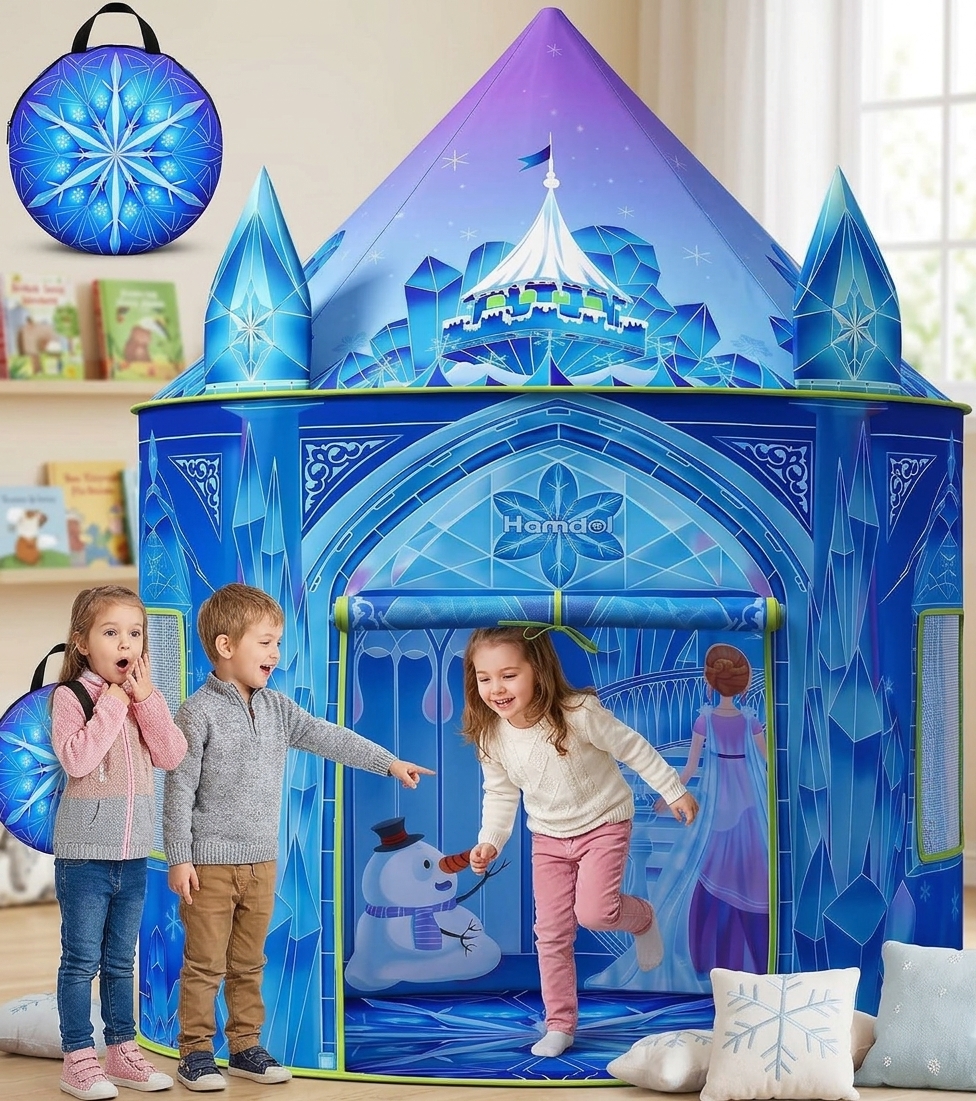
Princess Play Tent for Girls, Frozen Toy, Ice Castle Kids Playhouse for Indoor & Outdoor
Check Price on Amazon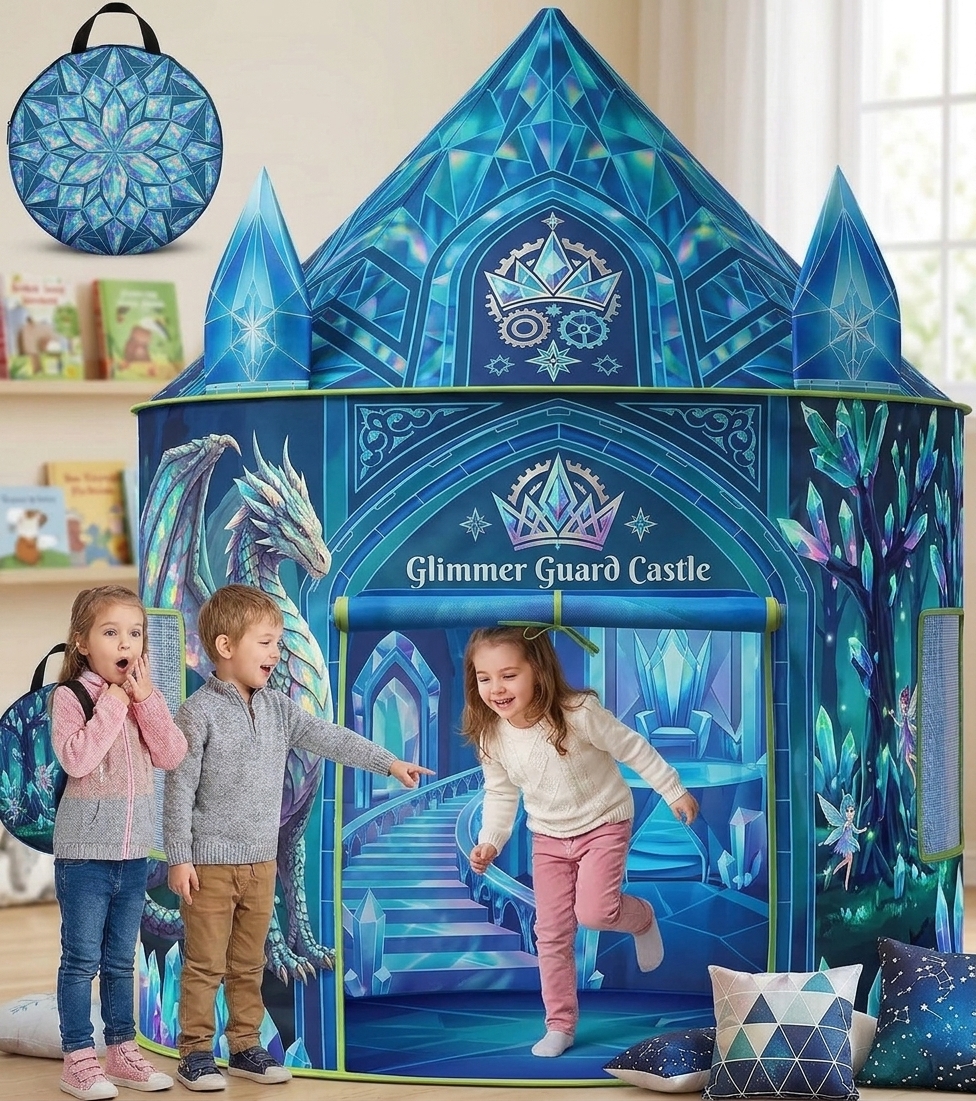
Princess Pop Up Play Tent, Frozen Toys for Girls
Check Price on Amazon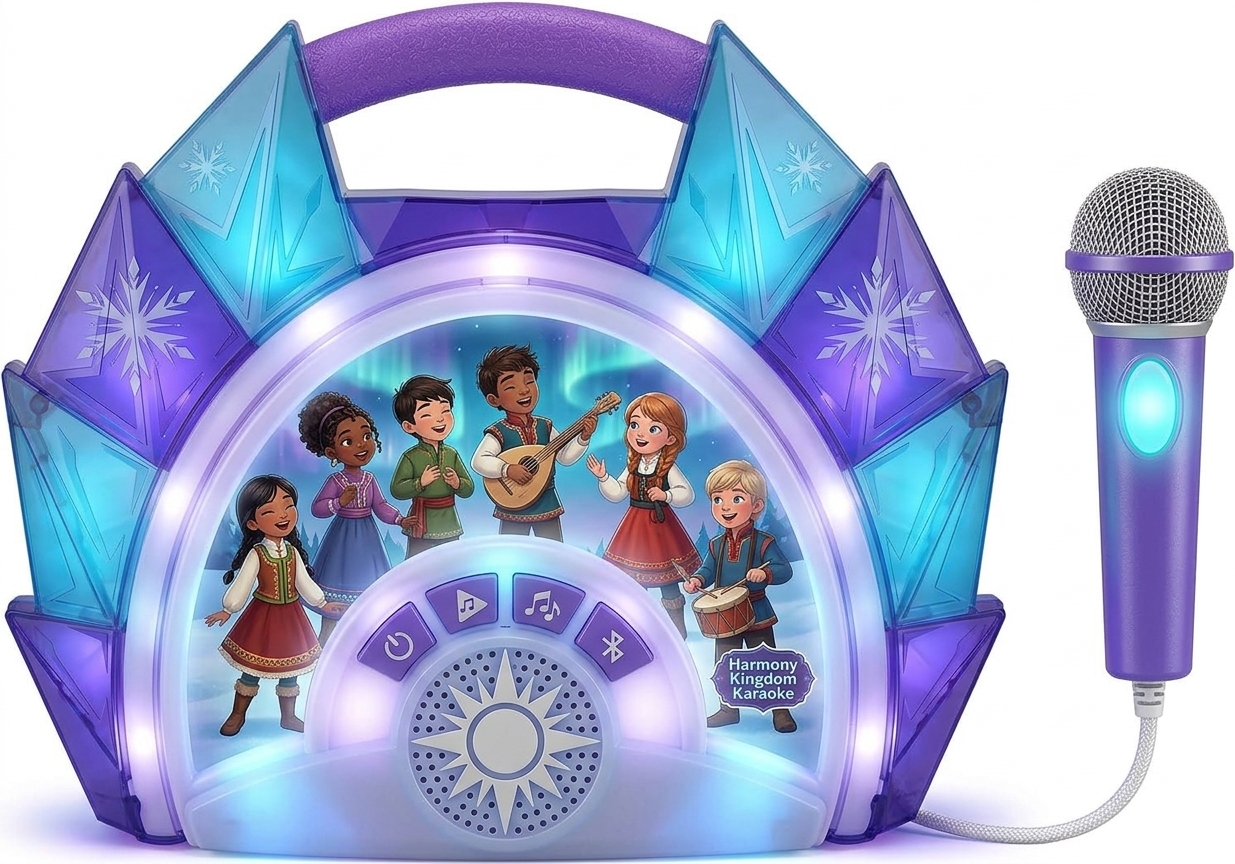
eKids Disney Frozen Karaoke Microphone with Bluetooth Speaker for Fans of Disney Toys
Check Price on AmazonFrozen Toys,Night Light Projector With 19 Films+15 Music,Girl Gifts For 2-6
Check Price on AmazonAnother easy mistake is to treat his optimism as proof that he does not understand difficult feelings. A cheerful personality does not mean a character is incapable of care or insight. Olaf can be playful in one scene and deeply kind in another because both qualities are part of his character.
It can also be tempting to rank Frozen’s characters as if only one can matter most. A better question is what each character contributes. Olaf may be the best choice for someone who values humor and warmth, while Anna or Elsa may be more compelling to a viewer who prefers a central hero’s journey.
Finally, do not confuse simple dialogue with simple writing. Olaf often expresses ideas in plain language, but that simplicity can be carefully effective. A short, sincere line may land more strongly than a long speech if it reflects the character and fits the moment.
Why Olaf is the best choice for a favorite character
If you want a character who combines humor with genuine affection, Olaf is an easy favorite. His comedy comes from his personality, his kindness connects him to the emotional center of the films, and his optimism offers a counterweight to their more difficult moments.
He is not necessarily the most complex character in every sense, and he does not need to be. His strength is his clear, distinctive role. He can make a scene lighter without making it meaningless, and he can express love without turning into a different character.
That combination is why people remember him. Olaf makes the Frozen stories feel warmer, not by replacing their serious themes, but by giving those themes a playful and heartfelt companion. For many viewers, that is exactly what makes him the best.
why olaf is the best is that his humor and kindness work together. He adds laughter, strengthens the bond between Anna and Elsa, and gives the films’ themes a warm, memorable voice.
For a quick way to see his appeal, watch how a funny Olaf moment leads into a scene of care or connection. That mix—not the jokes alone—is what makes him such a strong favorite.