when is disney frozen set: A clear timeline
When is Disney Frozen set? The story takes place in the fictional kingdom of Arendelle, in a world modeled on 19th-century Scandinavia. Disney has not given the first film a firmly established calendar year, so the often-cited 1840s setting is a reasonable estimate, not a confirmed date.
The timeline is easier to pin down within the story: the events of Frozen II happen three years after the first film. Here’s what the films establish, what their costumes and architecture suggest, and why popular attempts to connect Arendelle to real places or other Disney movies should be treated as theories rather than settled facts.
when is disney frozen set? The short answer
Frozen is set in Arendelle, a fictional Scandinavian-inspired kingdom, during a period resembling the 19th century. The film does not identify a specific year on screen. The 1840s are often suggested because of the clothing, buildings, ships, and other period details, but that date is an informed estimate rather than a clear date stated in the movie.
That distinction matters. A film can have a recognizable historical style without taking place in a precisely dated real-world past. Arendelle is an invented place, and the story combines historical design influences with fantasy elements, including Elsa’s ice magic. It is more accurate to call the setting 19th-century-inspired than to assign it an exact year as though Disney had confirmed one.
The sequel provides a firmer relative date. Frozen II takes place three years after the events of Frozen. That tells you the gap between the films, but it does not supply a calendar year for either one.
What the films establish about the timeline
The movies give viewers some clear events and intervals, even though they leave the calendar date open. The first film centers on Elsa’s coronation and the changes that follow when her powers are revealed. The sequel returns to Anna and Elsa after a three-year interval, with the sisters living together in Arendelle before they set out to investigate the enchanted forest.
| Question | What the story indicates | How certain is it? |
|---|---|---|
| Where does the story happen? | Arendelle, a fictional kingdom with Scandinavian influences | Clear in the films |
| What historical period does it resemble? | Mostly a 19th-century European setting | Strong visual inference, not an exact date |
| What year is the first film set? | No specific calendar year is firmly given onscreen | Not confirmed |
| How much time passes before Frozen II? | Three years | Established for the sequel |
| Is Arendelle a real country? | No; it is fictional | Clear in the story |
In the first movie, Anna and Elsa are adults when the main events unfold. Elsa is 21 at her coronation, while Anna is 18. Those ages help explain their roles and the family history, but they still cannot establish the year. A character’s age only gives a calendar date when the story also supplies a dated birth or another reliable year marker.
The sisters’ childhood and their parents’ voyage are part of the backstory, not proof of a real historical date. The films do not present a calendar that lets viewers count backward to a precise year. Treat any detailed year-by-year timeline as an interpretation unless it is explicitly supported by the movies or official accompanying material.
Why viewers place the story in the 1840s
The mid-19th-century estimate comes from the look and technology of the setting. The characters wear formal dresses, coats, uniforms, and traditional-inspired garments that evoke European styles of the 1800s. The kingdom’s transport and everyday objects also feel pre-industrial: horses and sailing ships matter, while modern cars, electric lighting, and contemporary communication are absent.
These details give the story a historical frame without making it a documentary recreation. Costumes in an animated fantasy can blend shapes and decoration from different periods. A design may borrow from historical clothing while changing its cut, color, or function to make a character recognizable and support the story.
That is why “around the 1840s” is best presented as a plausible range or shorthand. It helps describe the intended visual period, but it should not be repeated as a confirmed date. The safer wording is that the story has a 19th-century European feel, with many viewers and reference materials placing it around the middle of that century.
Technology offers clues, not a precise clock
Technology can narrow down a fictional setting’s general era, but it rarely identifies one exact year on its own. A sailing ship, horse-drawn carriage, or candlelit room may fit many decades. In a fantasy film, the filmmakers can also choose which inventions suit the atmosphere instead of following a strict historical timeline.
Arendelle’s world feels older than the modern era because travel is slow, royal power shapes daily life, and people rely on human or animal labor. Those clues support a pre-modern, 19th-century-inspired setting. They do not distinguish, for example, 1840 from 1850.
What Arendelle borrows from Scandinavia
Arendelle is fictional, but its design draws heavily on Scandinavian references, especially Norwegian architecture, clothing, and decorative traditions. The kingdom’s fjord setting, steep-roofed buildings, and wooden construction help create a northern European identity. These influences make the location feel grounded, even though no real map places the kingdom there.
One recognizable architectural reference is the Norwegian stave church: a medieval wooden church style known for its upright timber construction. Arendelle’s buildings and interiors also use decorative patterns that recall Norwegian folk art. The film’s visual team used cultural research to build a coherent setting rather than simply copying one real town.
Clothing provides another clue to the inspiration. Anna and Elsa’s outfits include shapes and decorative details associated with Scandinavian dress, while their formal royal clothing is designed for a fairy-tale kingdom. The result is a mix of regional influence and fantasy costume design. It suggests where the artistic references came from, not that the story happens in historical Norway.
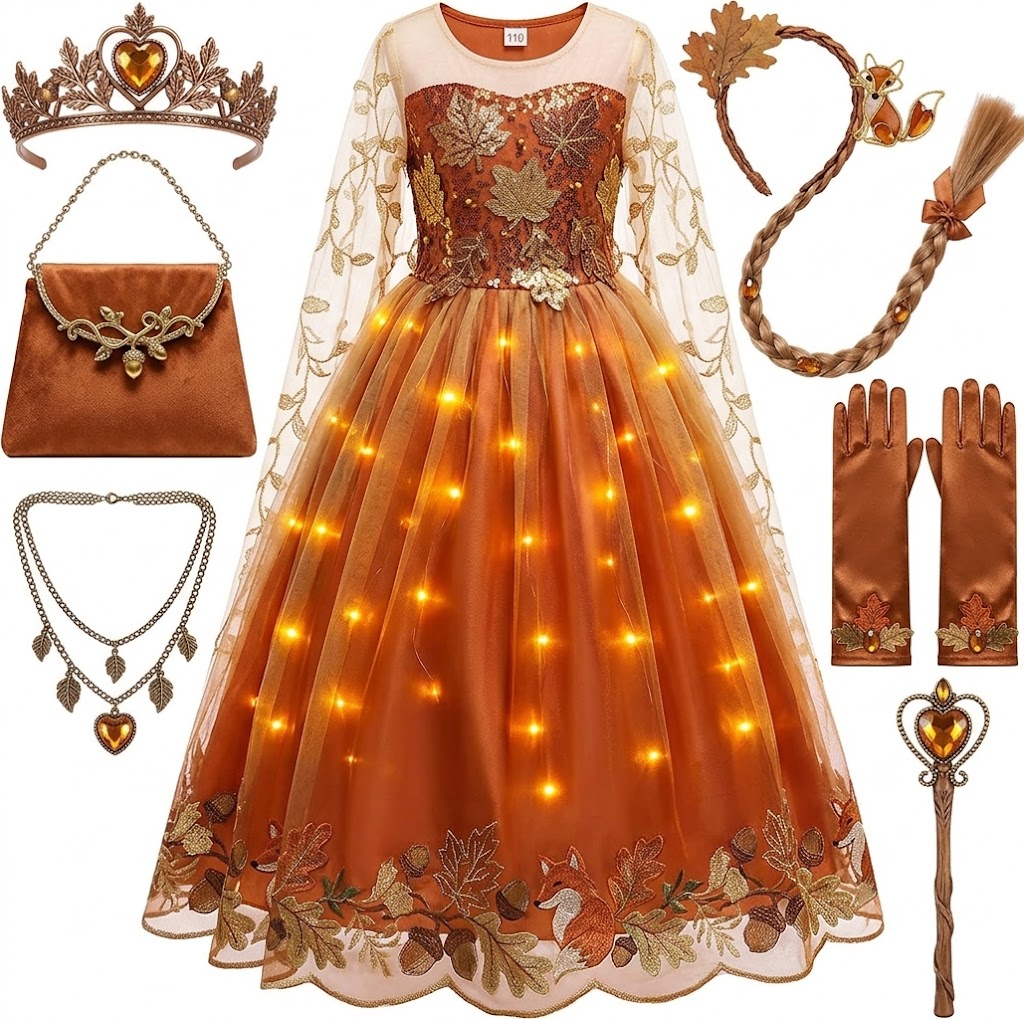
Princess Dresses for Girls Light Up Princess Costume for Christmas Halloween Toddler Princess Dress Up Clothes
Check Price on AmazonSo, if you are looking for Arendelle on a real-world map, the closest useful answer is that it is a fictional kingdom inspired by Norway and the broader Nordic region. Real Norwegian scenery and buildings may resemble parts of the movie, but the characters and events belong to Disney’s invented world.
How long after Frozen does Frozen II happen?
Frozen II is set three years after the first movie. The time jump gives Anna and Elsa a period of relative stability after the events that changed their family and kingdom. At the start of the sequel, the sisters are together in Arendelle, and the story moves forward from that new status quo.
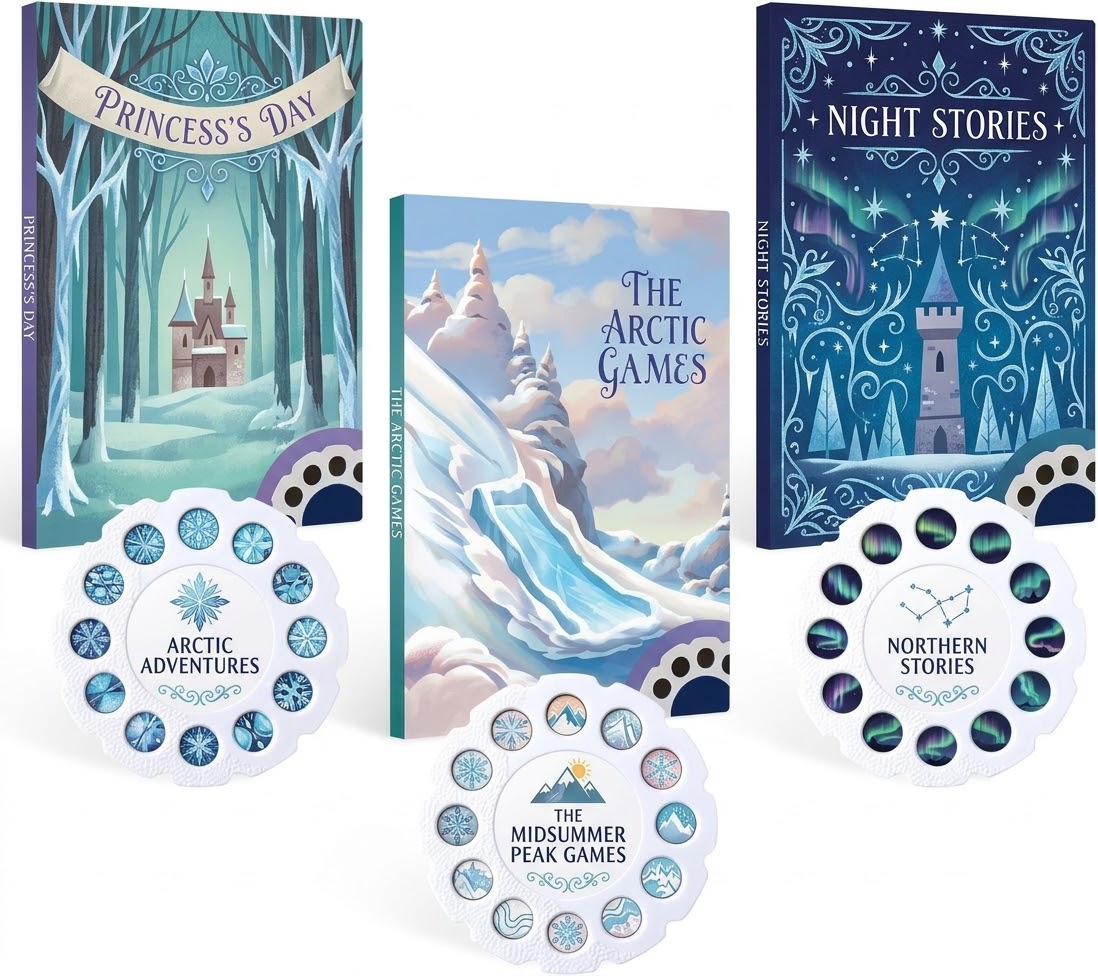
Moonlite Disney Frozen 3-Story Bundle (Projector Sold
Check Price on AmazonThis three-year gap is a relative date: it measures time between two story events. It does not mean the sequel has a confirmed year such as 1843 or 1845. To calculate an absolute date, viewers would first need a reliable calendar year for the first movie, and the film does not provide one.
There can also be differences between the time a movie was released and the time its story takes place. Frozen premiered in 2013, but that release date is not the year of the story. The same principle applies to the sequel: its release year does not set the events in Arendelle’s calendar.
Is Frozen connected to real history or another Disney film?
Frozen borrows visual cues from real cultures and historical styles, but its central setting and plot are fictional. Arendelle is not presented as a real Norwegian kingdom, and the story does not claim that Elsa or Anna were historical figures. The film’s fairy-tale roots and fantasy magic are essential parts of its world.
A popular fan theory links the shipwreck in Frozen to the ship associated with the parents of Ariel in The Little Mermaid. The idea relies on visual similarities and a proposed timeline, rather than a clear statement in either movie that the vessels or royal families are connected. It can be fun to discuss, but it should not be treated as confirmed Disney history.
Another source of confusion is the temptation to combine clues from different Disney stories into one exact timeline. Shared visual motifs, references, or fan interpretations do not automatically establish that two films happen in the same place or year. Unless a film or reliable official material makes the connection clear, keep the theory separate from what the story actually confirms.
How to describe the setting accurately
If you need a concise answer for a conversation, school assignment, or trivia question, use wording that separates fact from interpretation. This prevents a commonly repeated estimate from sounding more certain than it is.
- Name the place: The story takes place in Arendelle, a fictional kingdom.
- Describe the influences: Its setting and design draw on Norway and wider Scandinavian culture.
- Give the broad period: It resembles 19th-century Europe, often estimated around the 1840s.
- State the caveat: Disney does not give the first film a firm calendar year onscreen.
- Explain the sequel: Frozen II happens three years after the first film.
This phrasing is useful because it answers both parts of the question: the general era and the limits of the available evidence. It also avoids presenting an estimate as an official date.
Common mistakes about the Frozen setting
Confusing the movie’s release year with its story year
The first film was released in 2013, but that tells you when audiences could watch it, not when its fictional events happen. Animated stories often use settings that are centuries earlier, entirely imaginary, or deliberately left undated. Keep release information separate from the story’s chronology.
Treating 1840 as confirmed canon
The 1840s estimate fits the film’s period look, but the movie does not state that exact decade as a definitive year. Repeating the date without qualification can make an interpretation seem official. Say “often estimated to be around the 1840s” or “19th-century-inspired” instead.
Assuming Scandinavian inspiration means Norway is the setting
Norwegian design influences are not the same thing as a real Norwegian location. Arendelle has its own royal family, history, and geography. Its scenery may recall Norwegian fjords, but it remains a fictional kingdom.
Using the three-year jump to calculate an exact date
The sequel’s three-year interval is useful only if the first film’s date is known. Since the original has no firm calendar year, adding three years cannot produce a confirmed year for Frozen II. It gives a story interval, not an absolute date.
Quick answer for trivia and schoolwork
A careful one-sentence answer is: Frozen takes place in the fictional, Scandinavian-inspired kingdom of Arendelle, in a 19th-century-style setting often estimated around the 1840s, though Disney has not confirmed an exact year. If the question includes the sequel, add that Frozen II occurs three years after the first movie.
For a more detailed explanation, mention that the films use Norwegian architectural and cultural influences while creating an original fantasy kingdom. This shows why viewers associate the story with Scandinavia without mistakenly claiming that Arendelle is a real place or that the story has a confirmed historical date.
Frozen takes place in fictional Arendelle, a Scandinavian-inspired kingdom with a 19th-century feel. The 1840s are a reasonable estimate, not a confirmed year; the clearest timeline detail is that Frozen II follows three years later.
For a quick, accurate answer, describe the period as 19th-century-inspired and mention that the exact year is unknown. That wording gives useful context without turning a popular estimate into supposed canon.
