is healthy choice frozen meals healthy reddit: quick check
is healthy choice frozen meals healthy reddit? Often, yes: many Healthy Choice meals can fit into a balanced diet, but the nutrition varies by product and portion. The label matters more than a Reddit comment or the brand name.
This guide shows you how to assess sodium, protein, fiber, calories, and ingredients on the package. You’ll also get a practical way to compare meal types, improve a meal that seems light, and decide when another option may suit your needs better.
is healthy choice frozen meals healthy reddit? Start with the label
There is no single answer for every meal. A frozen entrée can be a useful, nourishing choice if its nutrition fits your needs and the rest of your day. A product with plenty of vegetables and a satisfying amount of protein may work well for lunch or dinner. Another meal from the same brand may be high in sodium, low in fiber, or too small to keep you full.
Check the Nutrition Facts panel for the serving size and the amounts of calories, sodium, saturated fat, protein, and fiber. Look at the full package, too: if it contains more than one serving, the listed values may not describe what you plan to eat. Frozen entrées are usually sold as individual meals, but the label is the reliable way to confirm.
Then consider the meal in context. A meal that is lower in calories is not automatically healthier, and a higher-calorie meal is not automatically a poor choice. Your appetite, activity, medical needs, and other food that day all matter. The useful question is whether the meal provides enough nourishment and suits your overall eating pattern.

Framendino, 16 Pack Artificial Chicken Nuggets Fake Fried Food Models Props for Kitchen Decor
Check Price on AmazonReddit threads can offer opinions about taste, portion size, and convenience. They cannot tell you whether a specific product is a good choice for your health needs. People may have different goals or medical conditions, and product recipes can change. Use online comments as personal experiences, not as nutrition evidence.
How to check the nutrition facts
Sodium: pay attention to the whole day
Sodium helps preserve flavor and food quality, so frozen meals can contain a substantial amount. The recommended Daily Value on US Nutrition Facts labels is 2,300 milligrams per day. That figure is a general reference, not a personal target for everyone. If a meal provides a large share of that amount, you may want to balance it with lower-sodium foods during the rest of the day.
Compare similar meals by the sodium amount per package, not just by the front-of-box claims. Terms such as “light” or “healthy” do not replace the panel. If a clinician has advised you to limit sodium, follow that advice and compare specific products carefully.
Protein and fiber: useful clues about fullness
Protein and fiber can make a meal more satisfying. Protein may come from chicken, beans, fish, tofu, cheese, or another ingredient. Fiber often comes from beans, whole grains, and vegetables. A meal with very little of either may leave you hungry sooner, especially if it is meant to be your full lunch or dinner.
Check the grams listed per package and the ingredient list to see where they come from. A serving of vegetables is helpful, but vegetables alone do not necessarily make a meal filling. If the entrée is short on protein or fiber, you can add an easy side rather than rejecting it outright.
Saturated fat, calories, and serving size
Saturated fat is one factor to compare, particularly if you are choosing among similar products. The US Daily Value is 20 grams on a 2,000-calorie reference diet; your personal needs may differ. Calories are also best interpreted in context. They describe energy, not overall nutritional quality.
Read the serving size before comparing two packages. If the servings differ, a direct comparison can mislead you. When both are single meals, compare the whole-meal amounts and decide which one better matches your appetite and needs.
How common frozen meal types compare
Healthy Choice sells different kinds of frozen meals, and recipes vary within each style. The table below compares broad meal formats rather than making claims about every product. Use it to decide what to inspect on the package.
| Meal format | What to check | Possible advantage | Best for |
|---|---|---|---|
| Entrée with a grain and vegetables | Protein, fiber, sodium, and portion size | May combine several food groups in one package | A convenient standalone lunch or dinner, if filling enough |
| Bowl-style meal | Protein source, vegetable amount, sauce, and sodium | Easy to customize with extra vegetables or beans | People who want a flexible base for a larger meal |
| Pasta or sauced entrée | Sodium, saturated fat, protein, and fiber | Can provide a satisfying comfort-food option | Those choosing a familiar meal and checking the full label |
| Lower-calorie or lighter-style entrée | Whether the portion provides enough food, protein, and fiber | May suit someone wanting a smaller meal | A lighter appetite or a meal paired with a nourishing side |
A product’s marketing category is not a guarantee of quality. Two bowls can differ in ingredients and nutrition, just as two pasta meals can. Compare the actual package labels, and choose based on what you need from that meal.
How to make a frozen meal more satisfying
If the meal looks small or lacks a food group you want, add a simple side. This can turn a convenient entrée into a more substantial meal without requiring a complicated recipe. Choose additions that address what is missing rather than adding extras automatically.
- For more vegetables: add frozen broccoli, peas, or mixed vegetables. Microwave them separately or stir them in if the package directions allow.
- For more protein: pair the meal with beans, plain yogurt, an egg, or another suitable protein food.
- For more fiber: add beans, fruit, or a whole-grain side, depending on what complements the entrée.
- For a larger appetite: add a side that makes the overall meal more satisfying rather than choosing a meal based only on a low calorie number.
Keep food safety in mind when adding ingredients. Cook the packaged meal according to its directions, and heat any additions safely. If you combine food in the same container, make sure the entire meal reaches a safe temperature; follow package instructions and use a food thermometer when appropriate.
One useful point people often miss: a side can change the nutrition of the whole meal. Adding vegetables or beans can improve variety and fiber, but adding a salty sauce or processed side can raise sodium. Judge the meal you actually eat, not just the entrée as sold.
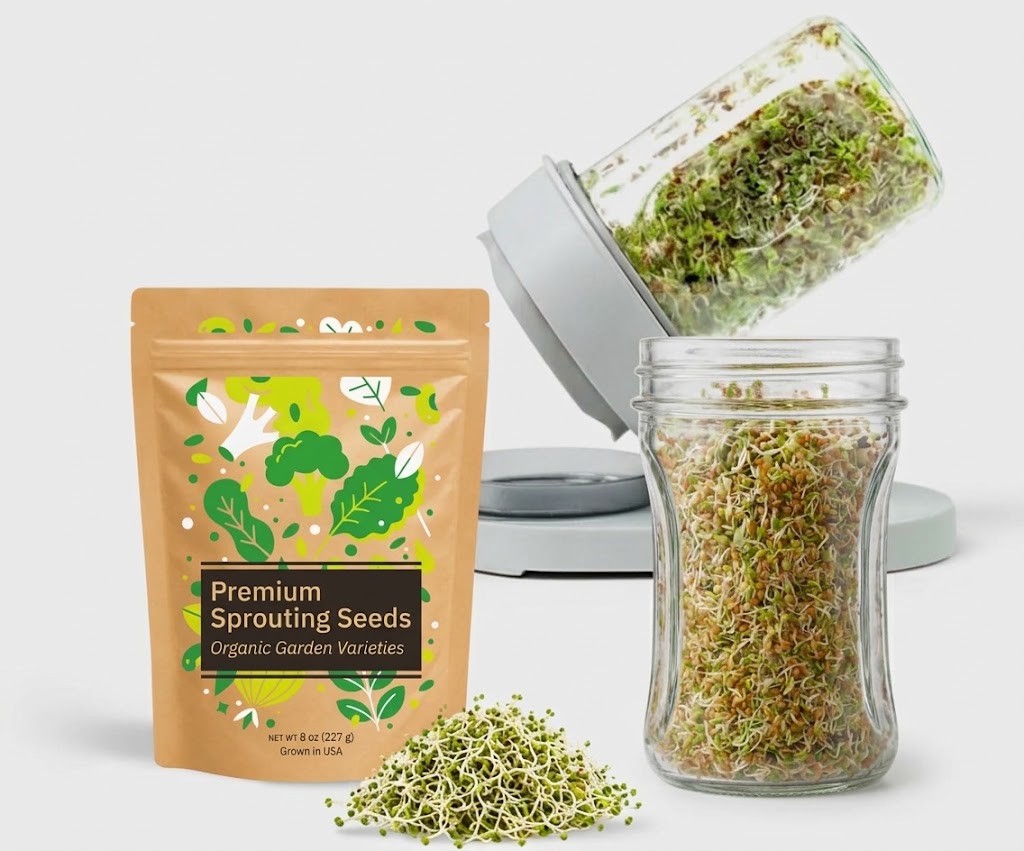
Jar Sprouting Kit with 8oz Broccoli Sprout Seeds
Check Price on AmazonA quick method for choosing a meal
- Choose your meal occasion. Decide whether you need a light lunch, a full dinner, or a quick meal before comparing labels. The right portion depends partly on how hungry you are.
- Check servings and calories. Confirm whether the nutrition information applies to the whole package. Use calories as one measure of portion and energy, not as a complete health score.
- Compare sodium and saturated fat. If you have several similar options, look for one that fits your needs and leaves room for the rest of your diet.
- Look for protein and fiber. Check the amounts and identify their sources in the ingredients. If either is low for your needs, plan a suitable addition.
- Scan the ingredient list. Notice the main ingredients, vegetables, grains, sauces, and allergens. The list can clarify what the meal contains, but a long list alone does not prove that a food is unhealthy.
- Consider taste and convenience. A nutritious option only helps if it works for your routine and you are willing to eat it. Choose one you enjoy and can prepare safely.
This process takes less time than debating a brand name. If you buy the same meal often, check the package each time you shop because recipes and labels can change.
Common misconceptions about Healthy Choice meals
“Healthy” on the package settles the question
A product name or marketing phrase cannot account for your individual health needs, portion, or the foods you eat alongside it. Treat the name as branding, then inspect the Nutrition Facts and ingredients. This also applies to any frozen-food brand.
All frozen meals are highly processed and unhealthy
Freezing is a way to preserve food; it does not by itself determine whether a meal is nutritious. Frozen meals can include vegetables, grains, and protein, while some may also have substantial sodium or less fiber than you want. The specific ingredients and nutrition facts matter more than the frozen format.
A low-calorie meal is always the better choice
A small meal may not provide enough food to satisfy you. If it leaves you hungry, you may need a more substantial entrée or a balanced side. Consider your appetite and overall needs instead of treating the lowest calorie number as the automatic winner.
Online ratings can answer a nutrition question
Reviews can help you learn whether people enjoy the flavor or find a portion convenient. They cannot replace product-specific nutrition information or professional advice for a health condition. People’s comments may also refer to an older recipe or a different product with a similar name.
Who may want to be more selective
Most people can compare frozen meals using the package, but some needs call for closer attention. If you have high blood pressure or have been told to limit sodium, look carefully at the sodium per package. If you manage diabetes, compare carbohydrate amounts and serving sizes according to your care plan. If you have kidney disease, heart disease, food allergies, or another condition that affects diet, general online advice may not fit your situation.
For a diagnosed condition, use guidance from your clinician or registered dietitian when choosing packaged meals. They can help you interpret labels against your specific plan. If you have a food allergy, read the allergen statement and ingredient list every time; manufacturing and formulations can change.
Also consider how often you rely on ready meals. Convenience can be valuable, especially on busy days, but variety across the week helps you include different foods and nutrients. Frozen entrées can be one part of that pattern rather than the only kind of meal you eat.
How to store and heat frozen meals safely
Keep the meal frozen until you are ready to prepare it, and follow the package’s cooking directions. Microwave ovens vary, so the specified time may not heat every meal evenly. Observe any direction to stir, vent, or let the meal stand after cooking.
Check that the center is hot, especially if the meal contains meat or poultry. A food thermometer is a reliable way to verify safe heating when needed. Do not assume that a warm container means the middle is hot enough.
Use only containers labeled for microwave use if transferring food from its original packaging. Do not reuse a tray in a way the packaging does not permit. If leftovers remain, refrigerate them promptly in a suitable container rather than leaving them at room temperature.
What to take from Reddit comments
Reddit discussions may point you toward products people enjoy, mention a small portion, or flag a taste issue. Those are useful shopping clues, but they are subjective and may not match your priorities. A person focused on sodium may reach a different conclusion from someone focused on convenience or flavor.
When a post makes a specific nutrition claim, check the current label for the exact meal and package size. If someone says a product is “healthy,” ask what they mean: lower sodium, more protein, fewer calories, more vegetables, or simply a meal they like. That simple distinction makes online advice much easier to evaluate.
is healthy choice frozen meals healthy reddit? Many can fit into a balanced diet, but there is no brand-wide yes or no. Compare the specific meal’s sodium, protein, fiber, serving size, and ingredients against your needs.
Next time you shop, choose two meals you might buy and compare their labels per package. If your preferred entrée needs more vegetables, protein, or fiber, add a simple side and follow the heating directions.
