are healthy choice frozen meals good for diabetics?
Are healthy choice frozen meals good for diabetics? They can fit into a diabetes eating plan, but the brand name alone does not tell you whether a meal suits your needs. Check the nutrition label, especially total carbohydrates, serving size, fiber, and sodium.
Healthy Choice offers different meals, and their ingredients and nutrition can vary. This guide shows you how to compare options, adjust a meal if needed, and use your own blood glucose response to make a practical choice. You’ll also find common label-reading mistakes and tips for heating frozen meals safely.
Are healthy choice frozen meals good for diabetics?
Sometimes, yes. A Healthy Choice meal may work for someone with diabetes if its carbohydrate amount, portion, and overall nutrition fit that person’s care plan. There is no single frozen meal that is automatically right for everyone with diabetes.
Meals in the same brand can differ substantially. One may include a grain, sauce, and vegetables, while another may have different ingredients or a different portion. Check the label on the exact product you plan to eat instead of relying on the brand name or the front-of-package claims.
Carbohydrates have a direct effect on blood glucose, though the amount and timing of that effect vary. A meal’s total carbohydrate number is a useful starting point. Your medication, activity, meal timing, and personal glucose response also matter.
If you use insulin or another medicine that can cause low blood glucose, do not make major changes to your usual carbohydrate intake without discussing them with your clinician. A registered dietitian or diabetes care professional can help set meal targets that fit your treatment and daily routine.
How to read the nutrition label on a frozen meal
Turn the package over and use the Nutrition Facts panel for the entire meal you expect to eat. Start with serving size, then check total carbohydrates, fiber, added sugars, protein, and sodium. These details give you a more useful picture than a “healthy” claim on the front.
Start with total carbohydrates
Total carbohydrate includes starches, sugars, and fiber. For planning a meal, use the total carbohydrate line unless your diabetes care professional has given you another method. Do not look only at “total sugars”: a meal can contain starch from rice, pasta, potatoes, or other ingredients even if its sugar number is low.
Compare that total with the amount of carbohydrate you have been advised to eat at a meal. There is no universal number that works for everyone. A target depends on your medication, glucose patterns, appetite, activity, and personal plan.
Consider fiber and added sugars
Fiber is a type of carbohydrate that the body does not digest in the same way as starch or sugar. It supports digestive health and can make a meal more filling. When comparing similar meals, a product with more fiber may be a helpful choice, but still account for the total carbohydrate shown on the label.
Added sugars are listed separately on many labels. They can be worth checking, particularly in meals with sweet sauces, but they are only one part of the carbohydrate picture. A low added-sugar number does not automatically mean the meal is low in carbohydrates.
Check sodium and serving size
Frozen meals can contain a notable amount of sodium, which matters especially if you have high blood pressure, kidney disease, or a sodium limit from your care team. Compare the sodium amount between options and consider the rest of your day’s food. A lower-sodium choice may be useful, but it does not replace checking carbohydrates.

Framendino, 16 Pack Artificial Chicken Nuggets Fake Fried Food Models Props for Kitchen Decor
Check Price on AmazonServing size can also trip you up. The nutrition information applies to the quantity stated on the label. If the package contains more than one serving and you eat the whole package, multiply the listed amounts accordingly. Most individual frozen entrées are intended as one meal, but confirm the panel rather than assuming.
Compare meal types before choosing
Healthy Choice products are not all alike, and recipes can change. Use this table as a way to compare meal styles, not as a claim about the current nutrition of a specific product. The package label is the source to use for the meal in your hand.
| Meal style | What to check | Possible consideration | Best for |
|---|---|---|---|
| Grain or pasta bowl | Total carbohydrates, portion, fiber, sauce | Grains and pasta contribute carbohydrates; sauces can add sugar or sodium. | Someone who wants a familiar entrée and can fit its carbohydrate amount into a meal plan. |
| Protein-and-vegetable entrée | Carbohydrates in sides and sauce, protein, sodium | Vegetables and protein can make a satisfying base, but sauces and starches still count. | Someone looking for a meal to pair with an additional vegetable or other planned food. |
| Cauliflower or vegetable-based bowl | Total carbohydrates, fiber, portion, added ingredients | A vegetable-based substitute may differ from a grain bowl, but the label still decides the count. | Someone comparing alternatives to a rice- or pasta-centered meal. |
| Sweet or glazed entrée | Total carbohydrates, added sugars, sodium | A sweet-tasting sauce may contribute sugars, while starches can also add carbohydrates. | Someone who enjoys a sweeter flavor and has checked how the portion fits their plan. |
There is no need to choose a meal solely because a package highlights protein, vegetables, or a lower-calorie count. Those features may help with your goals, but they do not show how the meal affects your blood glucose. Compare the full panel and the ingredient list.
How to decide whether a meal fits your plan
- Read the meal’s serving size. Confirm whether the nutrition numbers cover the full tray or only part of it. If you eat a different amount, adjust your estimate.
- Compare total carbohydrates with your personal target. Use the approach recommended by your clinician or dietitian. If you count carbohydrates, record the amount you actually eat.
- Review the rest of the label. Look at fiber, added sugars, sodium, and protein. These details can help you compare otherwise similar meals and account for other health needs.
- Decide whether you need to add anything. If the entrée is small or lacks a food you want, add an item that fits your plan rather than choosing a second portion automatically.
- Notice your response if you monitor glucose. Follow the testing schedule your care team recommends. A pattern over several meals is usually more informative than one reading alone.
That last step is particularly useful because two people can respond differently to the same meal. Your glucose reading can also be affected by medication timing, stress, sleep, illness, and recent activity. Do not assume one high or low result proves that a food is always unsuitable.
Ways to make a frozen entrée more balanced
A frozen entrée can be the center of a meal, but some packages may not provide the combination or amount of food you prefer. If you need more volume or variety, build around the meal instead of automatically adding another entrée.
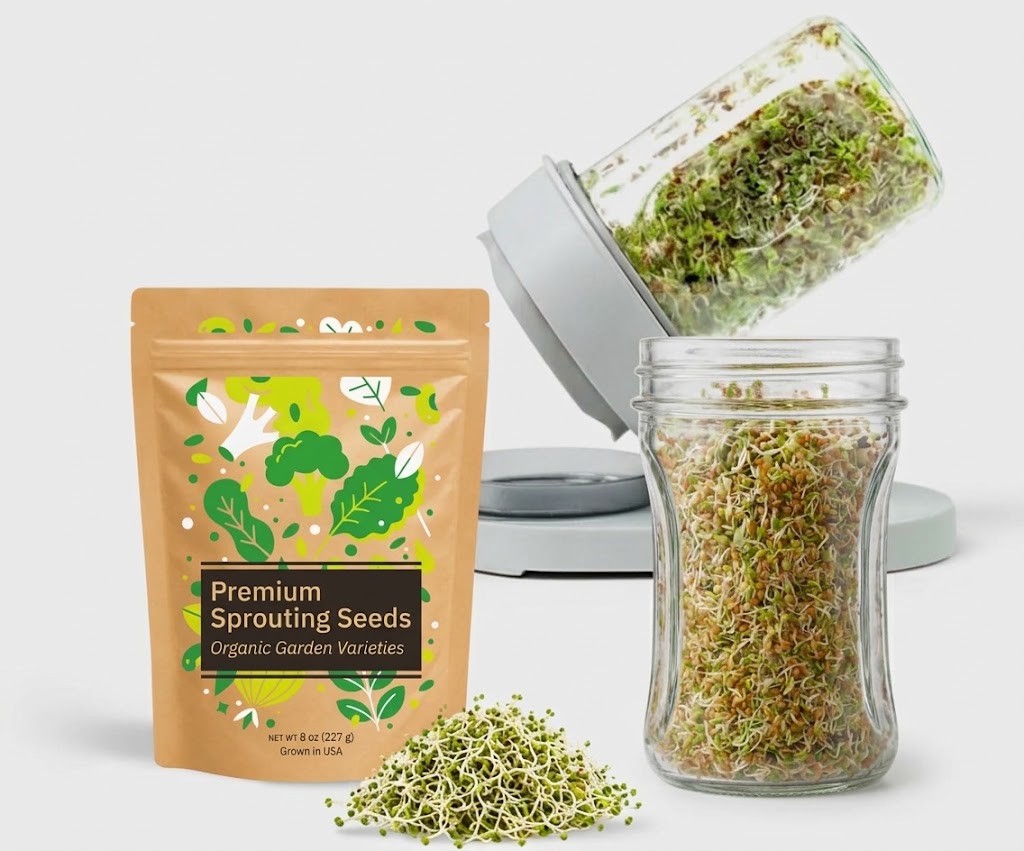
Jar Sprouting Kit with 8oz Broccoli Sprout Seeds
Check Price on Amazon- Add nonstarchy vegetables, such as a side salad, green beans, broccoli, or peppers. They can add color and volume; check sauces and dressings because they may contain sodium or carbohydrates.
- Use a planned protein addition if the entrée is light on protein and your meal plan allows it. Options such as an egg, plain yogurt, or a portion of lean protein may suit some meals and health needs.
- Include a carbohydrate intentionally if the meal does not satisfy your plan or appetite. Fruit, beans, or whole grains can contribute useful nutrients, but count their carbohydrates as part of the meal.
- Choose water or an unsweetened drink if you want to avoid adding sugar from a beverage.
These are options, not mandatory add-ons. If the entrée already fits your appetite and meal plan, it may be enough on its own. The goal is a satisfying meal that works for your needs, not a rule that every frozen meal must be modified.
What to know about low-carb claims and “healthy” packaging
Words such as “healthy,” “protein,” or “cauliflower” do not tell you the meal’s exact carbohydrate amount. They describe or promote particular features, but the nutrition panel is where you can check the total carbohydrates and serving size.
Another common mistake is subtracting fiber from total carbohydrates automatically. Some meal-planning approaches use “net carbs,” calculated by subtracting certain carbohydrates from the total. That approach is not appropriate for every person or every product. Unless your clinician has specifically recommended it, use total carbohydrates for a consistent starting point.
It is also easy to compare calorie numbers and miss other priorities. Calories may matter for some goals, but blood glucose planning often requires attention to carbohydrate amount, portion, medication, and timing. Sodium may matter for heart or kidney health. Choose according to your care plan rather than a single front-label claim.
How to check your personal glucose response
If your care team has asked you to monitor blood glucose, use the schedule and target range they provided. Record the meal, how much you ate, and any relevant details such as medication timing or activity. This gives you context for interpreting a result.
Look for repeatable patterns rather than reacting to one reading. If a meal repeatedly leads to readings outside your individual target, talk with your clinician or dietitian. They can help determine whether the portion, ingredients, timing, or another factor is involved.
Do not change prescribed medication to compensate for a frozen meal unless your treatment plan specifically tells you how to adjust it. If you use insulin-to-carbohydrate dosing, follow your established instructions and ask your care team when the label or portion is unclear.
Heating and storage matter, too
Follow the package directions for microwave or oven preparation. Frozen centers can heat unevenly, so use the stated cooking time, let the meal stand if directed, and stir or check it when the instructions call for that. Take care when removing film or opening the tray because hot steam can cause burns.
Do not rely on a meal looking hot on top to judge whether it is heated throughout. If you use a food thermometer, follow food-safety guidance and the package directions for reheating. Refrigerate leftovers promptly, and do not refreeze or store them in ways the package does not recommend.
Heating instructions are not a diabetes-specific issue, but they matter for safe, dependable meals. A meal prepared as directed also makes it easier to repeat the same portion and compare your glucose response over time.
When to ask for individual advice
Ask a registered dietitian or diabetes care professional for help if you are unsure how many carbohydrates to aim for, take insulin, have frequent low blood glucose, or need to limit sodium, potassium, or other nutrients. Kidney disease, pregnancy, and other medical conditions can change food recommendations.
Bring the package or a clear photo of its nutrition label to an appointment. A clinician can help you interpret the serving size and carbohydrate amount in the context of your medication and meal plan. That is more useful than relying on a general “diabetic-friendly” label or a one-size-fits-all online target.
Are healthy choice frozen meals good for diabetics? They can be a convenient option when the specific meal’s portion and total carbohydrates fit your individual plan. Check fiber, sodium, added sugars, and serving size too, since recipes and nutrition vary across products.
Next time you choose one, compare the full Nutrition Facts panel with your meal target and note how much you eat. If you monitor glucose, follow your care team’s testing plan and use repeated patterns—not one reading—to guide questions for your clinician.
