which frozen fruit is best for weight loss: Smart Picks
Which frozen fruit is best for weight loss? Unsweetened berries are a strong everyday choice because they add sweetness, fiber, and volume without requiring a large portion. But no single fruit causes weight loss; your overall eating habits and portions matter more.
This guide compares common frozen fruits, explains what to check on the package, and shows how to build satisfying meals and snacks. You’ll also find practical serving ideas and ways to avoid extras that can quietly add calories. Frozen fruit can be a convenient, nutritious option, whether you blend it, thaw it, or eat it straight from the freezer.
Which frozen fruit is best for weight loss?
Unsweetened berries—such as strawberries, raspberries, blueberries, and blackberries—are often the most practical choice. They work in many meals, bring natural sweetness, and can help make a modest serving feel more satisfying. Raspberries and blackberries are especially useful if you want a fruit with a relatively high amount of fiber per serving.
That does not make other frozen fruit a poor choice. Peaches, cherries, mango, pineapple, and bananas can all fit into a weight-loss eating pattern. The best option is the one you enjoy, can portion comfortably, and eat without adding lots of sugar or calorie-dense toppings.
Weight loss depends on your overall pattern of eating over time, not a special property in one food. Frozen fruit can support that pattern by offering a convenient way to add fruit to meals and snacks. It does not burn fat or cancel out other foods.

Framendino, 16 Pack Artificial Chicken Nuggets Fake Fried Food Models Props for Kitchen Decor
Check Price on AmazonHow to compare common frozen fruits
Fruit varies in sweetness, texture, and fiber. These differences can help you choose a variety that fits your appetite and the way you plan to eat it. Nutrition also varies by fruit and serving size, so use the package label when you want a precise comparison.
| Frozen fruit | What it offers | Best for | Watch for |
|---|---|---|---|
| Raspberries and blackberries | Distinct flavor and a notably fiber-rich profile | Oatmeal, yogurt, or a filling snack | Seeds and tartness may not suit everyone |
| Strawberries | Sweet-tart flavor and flexible texture | Smoothies, yogurt, or thawed portions | Check for added sugar or syrup |
| Blueberries | Easy to measure and mix into meals | Oats, cottage cheese, and smoothies | They are easy to pour generously into a bowl |
| Cherries | Rich flavor and a convenient frozen form | Yogurt bowls or a sweet snack | Choose pitted fruit and check for sweeteners |
| Peaches | Soft texture and gentle sweetness when thawed | Breakfast bowls or blended drinks | Some packs include sweetened slices |
| Mango or pineapple | Strong sweetness and tropical flavor | Adding flavor to yogurt or a smoothie | Portion them rather than free-pouring |
| Banana | Creamy texture when blended or partially thawed | Smoothies and blended bowls | It is easy to use a large amount in a drink |
The table is a guide to use and taste, not a ranking of foods that make weight loss happen. Choose whole fruit most often, then consider what you will pair it with. A bowl of berries with plain yogurt may be more filling than fruit blended into a drink that you finish quickly.
Why berries are a practical starting point
Berries make an easy default because they pair well with foods that add protein and help turn fruit into a more complete snack or meal. Their flavor works with plain yogurt, oatmeal, and cottage cheese, so you can add sweetness without relying on syrup or sweetened toppings. Their small pieces also make it straightforward to add a measured amount.
Fiber is the part of plant foods that your body does not fully digest. It can support regular digestion, and fiber-rich foods may help meals feel satisfying. That does not mean fiber works like an appetite switch or guarantees weight loss. It is one helpful feature in an overall eating pattern.
Frozen berries are also easy to keep on hand. They are ready to portion, and you can use a small amount without worrying that fresh fruit will spoil quickly. If you enjoy a different fruit more, though, choosing that fruit may be more useful than forcing yourself to eat berries.
What to look for on a frozen fruit package
Start with the ingredient list. For plain frozen fruit, it should generally name the fruit, or the fruits in a blend, without added sweeteners. The nutrition facts can help you compare serving sizes and see whether sugar has been added.
- Choose unsweetened fruit. A label that says “no added sugar” or “unsweetened” can help, but still read the ingredients and nutrition panel.
- Check for syrup and juice concentrates. These can add sweetness and change the nutritional profile compared with plain fruit.
- Look at the serving size. Packages may list nutrition for a specific weight or cup measure. Compare products using the same amount rather than relying on the front label.
- Check for add-ins. Smoothie blends may include sweetened fruit, juice, or other ingredients. A plain fruit blend gives you more control over what goes into the meal.
- Buy fruit you will use. A large bag is not a bargain if you dislike the contents or leave it freezer-burned.
Fruit naturally contains sugar. That is not the same as a manufacturer adding sugar or syrup, and it is not a reason to avoid fruit. For weight management, the whole meal, the serving, and your usual habits matter more than treating natural fruit sugar as a problem by itself.
How to portion frozen fruit without overthinking it
Frozen fruit can be easy to eat quickly, especially in a smoothie or a large blended bowl. That makes it useful to choose a portion before adding toppings or blending. Follow the serving information on the package as a practical starting point, then adjust to fit your meal and appetite.
- Decide how you will eat it. A fruit topping for oatmeal may need less than fruit used as the main part of a snack.
- Measure or scoop a starting portion. Use a measuring cup or a bowl rather than pouring directly from a large bag. You do not need to weigh every serving.
- Add something that makes the meal more satisfying. Plain yogurt, milk, or a modest amount of nuts or seeds can add protein or fat, depending on your needs.
- Pause before adding more. Eat at a comfortable pace and decide whether you are still hungry. Frozen fruit is nutritious, but large portions and rich add-ons can make a snack more substantial than intended.
The point is not to restrict fruit to a tiny amount. It is to make the serving visible and build a snack or meal that suits your hunger. If a portion leaves you unsatisfied, adjust the whole combination rather than assuming fruit itself is the problem.
Easy ways to use frozen fruit in meals
Make a filling yogurt bowl
Put plain yogurt in a bowl and add a serving of thawed berries, peaches, or cherries. If you want crunch, add a small amount of nuts, seeds, or unsweetened cereal. Keep sweetened granola, honey, and other toppings in mind because several small additions can change the total energy of the bowl.
Top oatmeal with fruit
Stir frozen berries or sliced peaches into oatmeal while it cooks, or spoon thawed fruit over a finished bowl. The fruit adds flavor and texture without needing a large pour of sweetener. If you add nut butter, dried fruit, or syrup, use an amount that fits the meal you want.
Blend a smoothie you can count
Use a measured serving of frozen fruit and a liquid such as milk or an unsweetened alternative. Add plain yogurt or another suitable protein source if you want a more substantial drink. A smoothie can be convenient, but it is not automatically lighter than a meal: several servings of fruit, juice, sweetened yogurt, and nut butter can add up.
Thaw fruit for a quick snack
Place a portion in the refrigerator to thaw, or let it sit briefly at room temperature. Eat it with yogurt or another snack component if fruit alone does not keep you satisfied. Thawing can make fruit easier to eat slowly and gives you a clearer view of the portion.
Make a simple fruit topping
Warm frozen berries or peaches in a small pan or microwave until soft, then spoon them over plain yogurt, oats, or whole-grain toast. You usually do not need to add sugar because heating brings out the fruit’s sweetness. Add spices such as cinnamon if you like, but keep sweet toppings separate so you can control the amount.
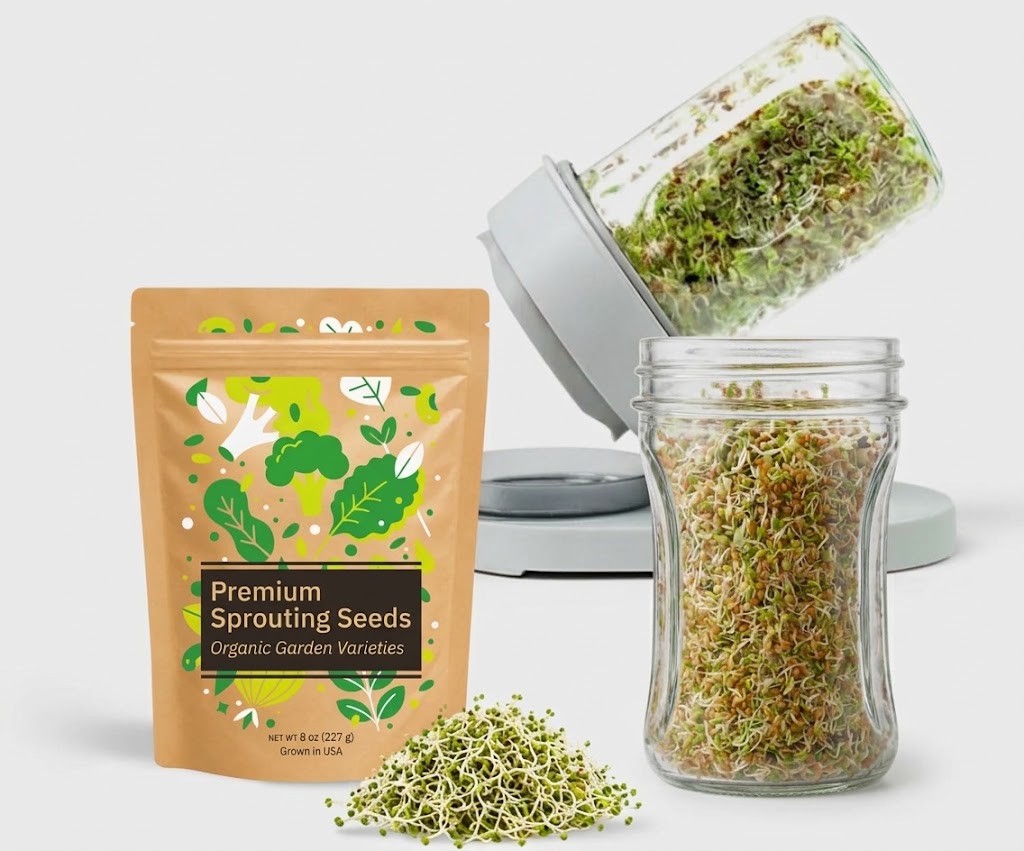
Jar Sprouting Kit with 8oz Broccoli Sprout Seeds
Check Price on AmazonFrozen fruit versus fresh fruit for weight management
Frozen fruit can be just as useful as fresh fruit for everyday meals. It is often picked and frozen near harvest, and freezing helps preserve it for later use. Fresh fruit may suit you better for a crisp snack or when you want fruit without thawing it. Neither form is inherently better for weight loss.
| Option | Advantages | Possible drawback | Best for |
|---|---|---|---|
| Plain frozen fruit | Convenient, easy to store, and ready for blending or cooking | Can be less pleasant to eat before thawing | Meal prep, smoothies, and keeping fruit available |
| Fresh fruit | Ready to eat and often firm or crisp | May spoil before you finish it | Portable snacks and meals where texture matters |
| Fruit canned in water or its own juice | Convenient and shelf-stable until opened | Texture and sweetness can differ; check the label | Pantry storage and quick meals |
| Fruit canned in syrup | Sweet and ready to serve | Added syrup changes the product | Occasional preference, if it fits your plan |
For any form, pay attention to added ingredients and portion size. A fresh fruit smoothie can contain more than you intended, just as a large serving of frozen fruit can. The practical difference is often convenience and texture, not a special weight-loss effect.
Common mistakes that can make fruit snacks less satisfying
Assuming every frozen bag is plain fruit
Some products are sweetened or mixed with sauces and other ingredients. The package name or bright fruit picture does not tell you everything. Read the ingredient list, especially if you want to keep added sugar under control.
Drinking a large smoothie without noticing the portion
Blending several fruit portions makes them quick to consume, and the drink may not feel as filling as a meal you chew. That does not make smoothies bad. Measure the ingredients, include a protein source when appropriate, and treat the drink as a snack or meal based on what is in it.
Adding several calorie-dense toppings
Nuts, seeds, granola, nut butter, honey, and sweetened yogurt can all taste good with fruit. But piling on several can turn a light snack into a much larger meal. Choose the toppings you enjoy most and use a deliberate amount.
Believing one fruit has a fat-burning effect
No frozen fruit selectively burns body fat or overrides your overall eating pattern. Berries are a handy choice, not a shortcut. A varied diet, satisfying portions, and habits you can maintain matter more than choosing a supposedly perfect fruit.
Eating fruit you do not enjoy
A plan based on foods you dislike is difficult to keep up. If you prefer mango or cherries to berries, use those and pay attention to the serving and package ingredients. Variety can also make meals more appealing over time.
Storage and food-safety tips
Keep frozen fruit in the freezer and follow the storage directions on the package. Close the bag firmly or transfer the contents to a suitable sealed container to limit exposure to air and moisture. This helps protect texture and reduce freezer burn.
Take out the amount you need and return the rest promptly. If fruit has thawed, follow package guidance for handling and avoid leaving it at room temperature for an extended period. Thawing in the refrigerator is a convenient approach when you plan ahead.
Freezer burn can make fruit dry or change its texture, but it does not by itself mean the food is unsafe. Use your judgment, check for unusual odors or signs of spoilage after thawing, and discard anything that seems questionable. Avoid refreezing fruit that has been handled or held in conditions that raise food-safety concerns.
Choosing the best fruit for your own routine
If you want one simple starting choice, buy an unsweetened bag of mixed berries. Use it in a breakfast or snack you already enjoy, and see whether the flavor and texture work for you. A mixed bag also lets you find out which varieties you prefer without buying several large packages.
Then use these questions to personalize your choice:
- Do you want more texture? Try whole strawberries, cherries, or peach slices after thawing.
- Do you want a tart taste? Raspberries or blackberries may suit you better than mango or banana.
- Do you need fruit for blending? Berries, banana, mango, and pineapple blend easily; measure the amount before adding liquid and toppings.
- Do you need an easy breakfast option? Choose fruit that pairs well with oatmeal or plain yogurt.
- Does the product have added sweetener? If you prefer plain fruit, choose a different bag or compare labels.
A useful tip many shoppers miss is that frozen fruit does not need to be used only in smoothies. Thawed fruit can top oatmeal, soften into yogurt, or be warmed into a sauce. Using it in meals you already eat can make it easier to keep fruit on hand without turning every serving into a drink.
When to ask for individualized nutrition advice
General food guidance may not fit every medical need. If you have diabetes, food allergies, digestive concerns, or a health condition that affects your diet, ask a qualified health professional how to include fruit in a way that suits you. They can help account for your medications, meal pattern, and individual needs.
If weight loss is your goal, a registered dietitian or clinician can also help you create a realistic plan without cutting out nutritious foods unnecessarily. A sustainable approach should fit your health, preferences, budget, and daily life.
Unsweetened frozen berries are a practical starting point because they pair easily with meals and snacks, but no single fruit causes weight loss. Peaches, cherries, mango, pineapple, and other plain frozen fruit can fit too; portion size and added ingredients matter more than a magic fruit choice.
For your next shop, choose a bag of fruit you enjoy, check that it has no unwanted sweeteners, and portion some into a meal you already eat. Try it with plain yogurt or oatmeal, then adjust the serving and toppings to match your hunger and routine.
