what fruits can you buy frozen: best picks and uses
You can buy many fruits frozen, including berries, mango, pineapple, peaches, cherries, and mixed fruit blends. Most are sold plain, either whole or cut, so you can use them in smoothies, baking, sauces, and snacks without peeling or chopping fresh fruit.
The exact selection depends on the store and season. This guide explains which fruits are easiest to find, how their frozen forms differ, what to check on the package, and which choices work best for different recipes. You’ll also get practical thawing and storage tips to help avoid mushy fruit and freezer burn.
What fruits can you buy frozen?
The most widely available frozen fruits are strawberries, blueberries, raspberries, blackberries, mango, pineapple, peaches, and cherries. Stores often sell them individually and in mixed bags. You may also find sliced bananas, grapes, papaya, dragon fruit, avocado, or less common tropical fruits, though selection varies by retailer.
Frozen fruit may be sold whole, sliced, diced, or in chunks. Berries are often left whole, while larger fruits such as mango and peaches are usually cut into pieces. Mixed bags combine several fruits, commonly berries or tropical varieties, for convenient use in smoothies and other recipes.
Most plain frozen fruit contains one ingredient: the fruit itself. Some products have added sugar, syrup, juice, or other ingredients. Read the label if you want unsweetened fruit or need to avoid a particular ingredient.
Common frozen fruit and how it is sold
- Berries: Strawberries, blueberries, raspberries, and blackberries are often sold whole or in berry blends.
- Tropical fruit: Mango, pineapple, papaya, and sometimes dragon fruit are usually sold in chunks or mixed packs.
- Stone fruit: Peaches, cherries, and occasionally plums or apricots are sold sliced, pitted, or chopped.
- Other options: Bananas, grapes, and avocado may be available in some stores, often cut into pieces.
Availability can change from one store to another. If a fruit is missing from the freezer aisle, look for it in a smoothie blend or a mixed-fruit package.
How to choose a frozen fruit that fits your recipe
Pick the fruit based on what you are making, not just what looks appealing on the bag. Frozen fruit softens as it thaws, and some varieties release more liquid than others. That difference matters in baked goods, toppings, and recipes that need a firm texture.
Berries are handy for smoothies, oatmeal, sauces, and baking. Mango and pineapple add a sweet, tropical flavor to blended drinks and fruit bowls. Peaches and cherries suit cobblers, compotes, and warm toppings. For a simple snack, choose fruit you enjoy plain and check whether it has added sweeteners.
Frozen fruit at a glance
| Fruit | Typical form | Works especially well for | Best for |
|---|---|---|---|
| Strawberries | Whole or sliced | Smoothies, sauces, baking | A familiar all-purpose berry |
| Blueberries | Whole | Muffins, oatmeal, smoothies | Easy portioning with little prep |
| Raspberries and blackberries | Whole | Sauces, desserts, smoothies | A tart, strongly flavored addition |
| Mango | Chunks | Smoothies, bowls, salsas | Convenient peeled fruit |
| Pineapple | Chunks | Smoothies, baking, cooked dishes | Sweet-tart flavor in ready-cut pieces |
| Peaches | Slices or chunks | Cobblers, oatmeal, compotes | Warm fruit toppings and desserts |
| Cherries | Usually pitted | Pie filling, sauces, smoothies | Recipes that benefit from a richer fruit flavor |
| Mixed berries | Whole blend | Smoothies, yogurt, sauces | Several berry flavors in one bag |
| Tropical blend | Mixed chunks | Smoothies, fruit bowls | Variety without buying several bags |
Package names can be broad, so check the ingredient list to see exactly which fruits are included. A bag labeled tropical fruit may contain a different combination from another brand’s blend.
Which frozen fruits are best for smoothies?
Nearly any frozen fruit can go into a smoothie, but berries, mango, pineapple, and banana are especially convenient. Their pieces blend readily in most home blenders, and using them frozen can make a drink thick and cold without adding ice. A mixed bag is useful if you want several flavors without opening multiple packages.
Start with a modest amount of liquid, then add more if the blender struggles. Frozen fruit varies in size and moisture, so a recipe may need small adjustments. If your smoothie is too tart, balance it with a sweeter fruit or another ingredient you already use, rather than assuming the bag contains added sugar.
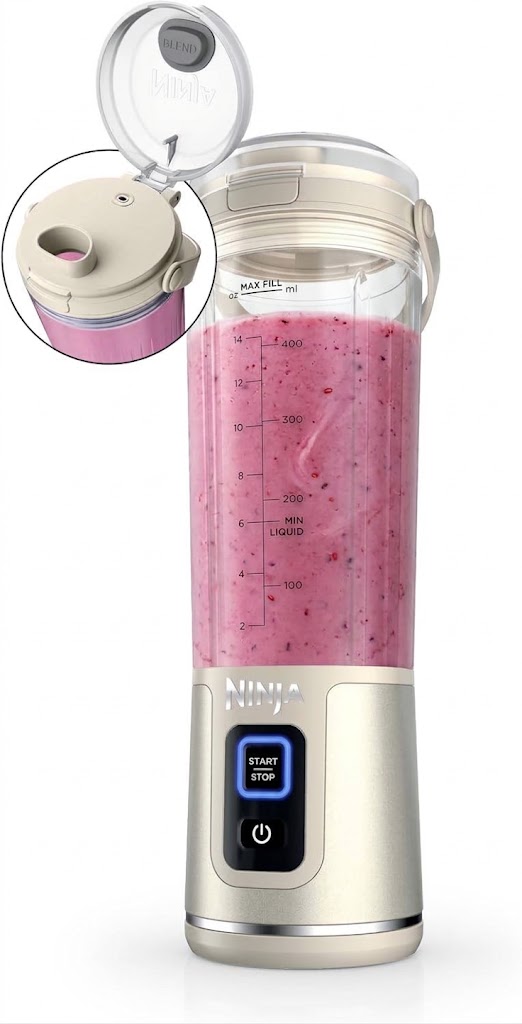
Ninja Blast Portable Blender, Cordless,18oz Vessel, Vanilla Bean
Check Price on AmazonFor a less icy texture, let the fruit stand briefly while you prepare the other ingredients. Avoid leaving it out for a long time, especially in a warm room. You can also blend frozen fruit with yogurt, milk, or another liquid that suits your recipe.
Can you use frozen fruit in baking and cooking?
Yes. Frozen fruit works in muffins, quick breads, pies, cobblers, pancakes, sauces, and cooked toppings. In many recipes, you can add it while frozen. This is often more convenient than thawing first, and it can help keep fruit pieces intact as you mix them into batter.
Extra moisture is the main thing to plan for. Frozen fruit releases liquid as it warms, which can make a batter or filling wetter than expected. Follow the recipe’s directions if it specifically says to thaw, drain, or coat fruit. If there are no directions, avoid squeezing the fruit dry; doing so can crush it and remove flavor along with the liquid.
Make small adjustments for better results
- Check the recipe first. Some recipes are written for fresh fruit and may need a longer bake or a small moisture adjustment when frozen fruit is used.
- Keep pieces cold until you are ready. Add them near the end of mixing so they do not thaw completely in the bowl.
- Expect color to spread. Raspberries, blackberries, and cherries can streak batter. Fold them in gently if you want more distinct pieces.
- Use fruit juices sensibly. For a filling or sauce, the released liquid can add flavor. If the result is too thin, cook it longer or use the thickening method specified by the recipe.
For sauces and compotes, frozen fruit can go straight into a saucepan. Heat it until it softens and releases juice, then follow your recipe for sweetening or thickening. This approach works particularly well for berries, cherries, and peaches.
Are frozen fruit options sweetened?
Some are, but many bags contain plain fruit with no added sweetener. Check the ingredient list rather than judging by the package photo or words such as “ripe” and “sweet.” If the ingredients list only fruit, that product has no added sugar listed.
Fruit naturally contains sugars. The nutrition label’s total sugars can include those naturally present in the fruit, while the added sugars line identifies sugars added during processing. If you are comparing products, look at both the ingredients and the nutrition panel.
Sweetened fruit can suit a dessert or topping where extra sweetness is wanted. For everyday use in smoothies, sauces, or cooking, plain fruit gives you more control over sweetness and seasoning.
Is frozen fruit as nutritious as fresh fruit?
Frozen fruit can be a nutritious, practical alternative to fresh fruit. It is commonly frozen after harvest, and freezing helps preserve it for storage. The exact nutrients vary by fruit, how it was handled, and how long it has been stored, so no single comparison applies to every bag and every fresh option.
Choose fruit that fits your meals and check the label for added sweeteners if that matters to you. Frozen fruit can make it easier to keep fruit on hand, reduce preparation, and use only the portion a recipe needs. It does not need to replace fresh fruit; both can be useful choices.

Upright Freezer Organizer Bins, Freezer Baskets for 14, 15 cu.ft Standup Freezer, Wire Storage Baskets with Built-in Handles for Frozen Foods,
Check Price on AmazonA useful detail many shoppers overlook is that frozen fruit is not always ready to eat straight from the bag. Follow the package instructions, especially if the fruit will be served uncooked. If the label gives preparation or heating directions, do not assume that thawing alone meets them.
How to thaw and store frozen fruit
Keep frozen fruit in the freezer until you need it. For recipes that call for thawed fruit, transfer the amount you need to a covered container and thaw it in the refrigerator. This slower method helps keep the fruit cold while it softens.
If you are adding fruit to a smoothie or cooking it into a sauce, you can often use it directly from frozen. Check the recipe and package directions first. Thawed berries and other soft fruit can be juicy and delicate, so handle them gently if you want recognizable pieces.
Seal the bag tightly after opening, or move the fruit to a freezer-safe container. Keep it away from the freezer door if that area warms whenever the door opens. Frequent temperature changes can affect texture and encourage icy buildup.
Reduce freezer burn and waste
- Remove extra air: Press air out of a resealable bag before closing it.
- Take only what you need: Pour a portion into a bowl rather than repeatedly thawing the full package.
- Close the package promptly: Return the remaining fruit to the freezer before it begins to soften.
- Label opened packages: Note when you opened them so older bags are easier to use first.
Freezer burn is dry, pale, or icy damage caused by exposure to air. It can make fruit less pleasant in texture, although it does not automatically mean the fruit is unsafe. For the best quality, use opened packages while the fruit still looks and smells normal and has been kept frozen.
Common mistakes to avoid when buying frozen fruit
Assuming every bag is unsweetened. Many plain options are, but some products include sugar or syrup. Read the ingredients if you want fruit without added sweeteners.
Choosing a blend without checking its contents. The balance of fruit can differ across products. If you dislike a particular fruit or need a specific one for a recipe, inspect the ingredient list before buying.
Thawing more than you need. Soft fruit can be harder to portion and may release a lot of juice. Take out the amount required for the recipe and leave the rest frozen.
Expecting thawed fruit to stay firm. Freezing can damage some of the fruit’s cell structure, so thawed pieces are often softer than fresh ones. Use thawed fruit in smoothies, sauces, oatmeal, or baking when texture matters less.
Using a large piece in a recipe that needs small pieces. Frozen fruit can be difficult to cut cleanly after it softens. Buy the size you need, or chop it while still firm if the package and recipe allow.
How to pick the right bag at the store
Start with the ingredient list, then consider the form and intended use. Whole berries are easy to scoop into a blender or muffin batter. Cut mango and pineapple save peeling and chopping time. Pitted cherries are more convenient for baking than fruit that still contains pits.
Check that the package is sealed and the fruit is still solidly frozen. A bag with a large, hard clump may have thawed and refrozen, though clumping can also happen if pieces freeze together. If the package is damaged, wet, or visibly leaking, choose another one.
Compare package sizes with how quickly you expect to use the fruit. A large bag may be economical only if you have enough freezer space and can reseal it well. For a recipe that uses a small amount, a smaller bag or a multi-fruit blend may leave less unused fruit behind.
For the most versatile supply, keep one berry option and one fruit you enjoy in smoothies or cooked dishes. Berries offer tartness and work in many recipes, while mango, peaches, or pineapple provide a different flavor and texture. Choose plain varieties when you want to control the final sweetness yourself.
Many fruits are available frozen, from familiar berries to mango, pineapple, peaches, and cherries. The best choice depends on how you plan to use it, and checking the ingredients helps you spot added sweeteners or unexpected fruit in a blend.
For your next purchase, choose one plain fruit that suits a recipe you make often. Keep it sealed in the freezer, portion only what you need, and follow the package directions when serving it uncooked.
Knowing what fruits can you buy frozen makes it easier to keep convenient options ready for smoothies, baking, sauces, and snacks.
