does trader joe’s have frozen fruit: what to expect
Yes—if you’re asking, “does trader joe’s have frozen fruit,” Trader Joe’s generally carries it, though the selection can vary by store and change over time. You may find single fruits or blends, but no assortment is guaranteed at every location.
This guide explains what kinds to look for, where to find them, and how to check availability before shopping. You’ll also get tips for choosing frozen fruit for smoothies, baking, and snacks, plus advice on storage and thawing. Treat any examples as possibilities rather than a promise: local stock can shift, so a quick check with your store is the safest way to plan a specific recipe.
Does trader joe’s have frozen fruit?
Yes, Trader Joe’s generally sells frozen fruit. The freezer section may include familiar options such as berries, mango, cherries, or mixed fruit, depending on the store and what is currently in stock. A store may carry several choices one week and a different selection later.
That changing assortment is the main reason to avoid planning around a particular package until you confirm it is available. Frozen fruit is a regular type of grocery item at Trader Joe’s, but the exact varieties, blends, and package sizes are not guaranteed at every location.
Look in the freezer cases, often near frozen vegetables, meals, and other fruit or dessert items. If you do not see what you want, ask a store employee whether it is available or expected in a future delivery. Calling your local store before making a special trip is a practical step when a recipe depends on one specific fruit.
Frozen fruit is usually sold ready to use, with no peeling or chopping needed for many varieties. Check the package label for ingredients and preparation directions. Some products contain only fruit, while blends or fruit-based items may include additional ingredients.
What kinds of frozen fruit might be available?
The assortment can change, but these are useful categories to look for. They help you choose an alternative if your first pick is not on the shelf.
| Type | Common uses | Best for |
|---|---|---|
| Single-fruit berries | Smoothies, oatmeal, sauces, and baking | Recipes that call for one clear fruit flavor |
| Mango or tropical fruit | Smoothies, fruit bowls, and blended drinks | A naturally sweet, soft texture after blending |
| Cherries or other pitted fruit | Sauces, desserts, and baking | Recipes where a richer fruit flavor is useful |
| Mixed fruit blends | Smoothies, yogurt, and quick snacks | Convenience when you want several fruits together |
| Organic varieties | Any use that suits the fruit | Shoppers who specifically prefer certified organic fruit |
This table describes broad types, not a confirmed current product list. A blend’s ingredients can also differ from what you expect, so read the package rather than relying on its name or front image. Check whether a berry mix includes the fruits your recipe needs, and confirm that a pitted-fruit package is suitable for the dish you plan to make.
Single fruit or a blend?
Single-fruit packages give you more control over flavor and proportions. They are a good fit for a recipe that calls for strawberries, blueberries, or another particular fruit. They can also be more useful if someone in your household avoids one ingredient in a mixed package.
A blend saves prep time when you want variety without buying several bags. It works well in smoothies and breakfast bowls, where a precise fruit ratio is less important. If you are baking or making a sauce, a single fruit is often easier to measure and adjust.
Does the fruit come sweetened?
Many plain frozen-fruit products contain fruit without added sweeteners, but do not assume every package is the same. Read the ingredient list. If it lists only fruit, you can add sweetness yourself and control how much goes into a smoothie or dessert.
Also check whether the product is fruit alone or a prepared fruit dessert. Those are different purchases: a dessert may include ingredients beyond fruit and may not work as a direct substitute in a recipe. The nutrition panel and ingredient list give you a faster, more dependable answer than the package’s flavor description.
How to check what your local store has
Store-level availability is more useful than a general product mention when you need a particular fruit. Use this simple process before shopping:
- Choose a first and backup option. If your recipe calls for berries, decide which other berry or fruit would work if that variety is missing.
- Contact the store you plan to visit. Ask whether the specific fruit or blend is currently in the freezer section. A general question about “frozen fruit” may not identify the package you need.
- Ask about substitutions or timing. If the item is unavailable, ask whether another similar option is on hand or whether staff can suggest a likely restock window. Treat timing as an estimate, not a guarantee.
- Check the shelf before choosing a recipe. If you are already shopping, confirm the ingredients and size on the actual package before counting on it.
Do not rely only on an old photo, review, or product mention online. Store assortments can change, and a listing may not tell you whether a particular location has a package today. For a routine grocery trip, choosing a flexible recipe is usually easier than making several trips for one exact fruit.
Useful planning tip: If you need fruit for a special occasion or a recipe with no easy substitute, check availability close to the day you shop. Checking well in advance can tell you whether the store has carried that type, but only a recent confirmation can help with current stock.
How to choose frozen fruit for the way you’ll use it
Think about texture, flavor, and whether the fruit needs to hold its shape. Freezing changes the texture of fruit: ice crystals can soften its cells, so thawed fruit is often softer than fresh fruit. That usually matters less in a blender than it does in a fruit salad.
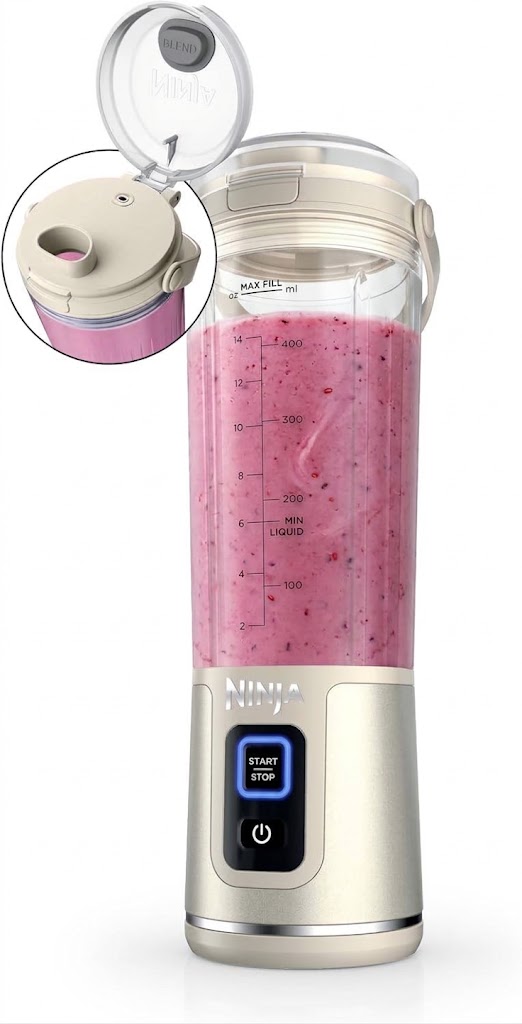
Ninja Blast Portable Blender, Cordless,18oz Vessel, Vanilla Bean
Check Price on AmazonFor smoothies and blended drinks
Most frozen fruit can go straight into a blender. The frozen pieces chill the drink and make it thicker, so you may need more liquid than you would with fresh fruit. Add liquid gradually until the blender moves the fruit smoothly, rather than pouring in a large amount at once.
For a less sweet smoothie, use plain fruit and balance sweeter varieties with unsweetened yogurt, milk, or another liquid. If the drink is too tart, add a small amount of sweetener after blending. This makes it easier to control the final flavor.
For oatmeal, yogurt, and breakfast bowls
You can stir frozen berries into hot oatmeal and let the warmth soften them. For yogurt or a cold bowl, thaw fruit first if you want a softer texture and less icy crunch. Frozen fruit can release colored juice as it thaws, which may tint yogurt or cereal.
To thaw a portion, place it in a covered container in the refrigerator. If you are eating it right away, a short time at room temperature may work, but avoid leaving perishable food out for extended periods. Use the package instructions when they give specific guidance.

Framendino, 16 Pack Artificial Chicken Nuggets Fake Fried Food Models Props for Kitchen Decor
Check Price on AmazonFor baking and sauces
Frozen fruit often works well in muffins, pies, cooked sauces, and compotes. It may release more liquid than fresh fruit, so follow a recipe written for frozen fruit when possible. If adapting a fresh-fruit recipe, expect a softer filling and avoid adding extra liquid unless the recipe needs it.
Some recipes call for fruit to remain frozen until it goes into the batter. That can help limit excess juice and keep the pieces from breaking down during mixing. Check the recipe directions before thawing the whole package.
For eating as a snack
Frozen fruit can be eaten while still firm, but the experience depends on the fruit and your preference. Small pieces may be easier to snack on than large frozen chunks. Let a serving soften briefly if it is too hard to bite comfortably.
Do not refreeze fruit that has thawed at room temperature for a long time. If you thaw more than you need, refrigerate the unused portion promptly and follow the package guidance for storage and use.
How to store it and avoid freezer problems
Keep frozen fruit cold on the way home. If your trip includes several stops or a long drive, put frozen groceries in an insulated bag or cooler. This helps limit thawing before the fruit reaches your freezer.
At home, put the package in the freezer promptly and follow its storage directions. Keep it sealed between uses so the fruit is less exposed to air and odors from other foods. If the original bag does not reseal well, place it in a tightly closed freezer-safe container or bag.
Freezer burn is dry, pale, or toughened areas that can develop when food loses moisture in the freezer. It is mainly a quality problem, not proof by itself that the fruit is unsafe. A well-sealed package helps protect flavor and texture, though fruit that has been stored too long may still lose quality.
Use a clean, dry spoon to remove a portion instead of leaving the bag open on the counter. Return the rest to the freezer promptly. Repeatedly warming and refreezing a package can make the fruit mushier and affect quality.
If the fruit has thawed completely, assess how it was handled and follow the package directions. Food that has been held warm for an extended period should not be treated as safe just because it can be frozen again. When in doubt about how long it has been out, discard it rather than taking a risk.
Frozen fruit versus fresh fruit
Frozen fruit is convenient because it is washed or prepared to varying degrees, portionable, and ready for many recipes. It can be a sensible choice when fresh fruit is out of season, likely to spoil before you use it, or needed for a cold smoothie. Fresh fruit is often preferable when you want a crisp bite, an attractive garnish, or pieces that keep their shape.
| Consideration | Frozen fruit | Fresh fruit | Best fit |
|---|---|---|---|
| Texture after thawing | Usually softer | Often firmer and crisp | Fresh for fruit salads; frozen for blending |
| Prep work | Often ready to portion | May need washing, peeling, or cutting | Frozen for quick recipes |
| Storage | Needs freezer space | Needs suitable pantry or refrigerator storage | Choose based on your available space and timing |
| Recipe flexibility | Good for cooked or blended uses | Good where shape and firmness matter | Match the fruit to the dish |
Neither form is automatically the better choice for every meal. Frozen fruit can be a practical way to keep fruit available for smoothies and baking, while fresh fruit can provide a firmer texture for snacking. Compare package ingredients and the way you plan to use the fruit instead of choosing by form alone.
Common shopping mistakes to avoid
- Assuming every store has the same selection. Availability can vary, so confirm the specific fruit you need.
- Expecting thawed fruit to stay firm. Freezing can soften texture; choose fresh fruit for dishes that depend on crisp pieces.
- Skipping the ingredient list. Check for added ingredients if you want plain fruit or have dietary requirements.
- Buying a blend without checking its contents. Read the fruit list so the mix suits your recipe.
- Thawing the entire bag for one serving. Portion out what you need while the fruit is still frozen, then return the rest to the freezer.
- Leaving frozen groceries in a warm car. Keep them cold during the trip home, especially if you have other stops.
One common misconception is that all frozen fruit is interchangeable with fresh fruit in equal amounts and with the same result. The fruit may measure differently after thawing and release liquid into a batter or filling. For a dependable result, use a recipe that specifies frozen fruit or adjust for softness and extra juice.
Is Trader Joe’s frozen fruit a good buy?
It can be a useful purchase if the fruit you want is in stock, the package ingredients suit your needs, and you have room in the freezer. The main advantages are convenience and a longer period for using portions compared with fresh fruit that must be eaten quickly. A bag may also reduce prep when the fruit is already cut or ready for blending.
Value depends on the package size, price at your store, and how much you will actually use. Compare the cost per ounce with alternatives if price matters, and consider waste as well as the shelf price. A larger package is not a bargain if it stays in the freezer unused.
For a first purchase, choose a package that fits one or two planned uses. Try it in a smoothie, breakfast, or recipe before buying more. This lets you judge the flavor and texture for yourself without committing freezer space to a fruit you may not enjoy.
Yes, does trader joe’s have frozen fruit? Trader Joe’s generally carries it, but the types and blends available can vary by store and over time. Check the package ingredients and choose fruit based on whether you plan to blend, bake, or eat it thawed.
Before a trip for a specific variety, contact your local store to confirm current availability. Then portion what you need and return the rest to the freezer promptly.