can babies have frozen fruit: safe serving tips
Yes, babies can have frozen fruit once they are ready for solid foods, usually around 6 months. Serve it fully thawed, softened, and prepared in a texture your baby can manage—never as hard frozen chunks.
Frozen fruit can be a convenient way to offer fruit, but safe preparation matters. This guide explains when to start, how to thaw and serve different fruits, what choking hazards to watch for, and how to handle leftovers. It also clears up a common misconception: freezing preserves food, but it does not make fruit sterile or safe to serve straight from the freezer.
can babies have frozen fruit safely?
Yes. Frozen fruit can be part of a baby’s diet after your baby is ready for solids, generally at about 6 months. The important points are to thaw it completely, prepare it to a safe texture, and supervise your baby while eating.
Babies are not ready for solid foods simply because they reach a certain age. Look for signs of readiness: your baby can hold their head steady, sit upright with support, bring objects to their mouth, and swallow food rather than pushing it straight back out. If you are unsure whether your baby is ready, ask their health care provider.
Do not offer fruit while it is still frozen solid. Hard pieces can be difficult to bite or mash, and may create a choking hazard. Even after thawing, some fruits remain slippery, stringy, or firm. Check the texture yourself and adjust it before serving.
Frozen fruit can be nutritious and convenient, much like fresh fruit. Freezing does not remove the need to handle food safely, though. Germs can survive freezing, so clean hands, utensils, and preparation surfaces still matter.
How to prepare frozen fruit for a baby
Use these steps whether you are making a smooth puree or offering soft pieces. The right texture depends on your baby’s feeding skills, not just their age.
- Wash your hands and equipment. Clean your hands, cutting board, knife, blender, and serving dish. Use clean utensils each time you handle the fruit.
- Choose plain fruit. Check the package for added sugar, syrup, or other ingredients. Plain, unsweetened fruit makes it easier to control what your baby eats.
- Thaw it safely. Thaw fruit in the refrigerator, or use a microwave if you will serve it promptly. If microwaving, stir thoroughly and check several spots for hot areas before feeding it to your baby.
- Prepare the texture. Mash, puree, or cut the fruit into a shape and softness your baby can handle. Remove pits, stems, tough skins, and any hard or fibrous parts.
- Check before serving. Make sure the fruit is fully thawed and not hot. Press a piece between your fingers; it should be soft enough for your baby to mash with their gums if you are serving pieces.
- Seat and supervise your baby. Keep your baby upright in a high chair and stay close while they eat. Do not feed them in a moving car, stroller, or while they are lying down.
Thawing fruit on the counter may seem quicker, but it can leave food at room temperature for longer than necessary. For safer handling, thaw it in the refrigerator or use the microwave immediately before serving. Never leave a baby alone with food, even if the pieces seem soft.
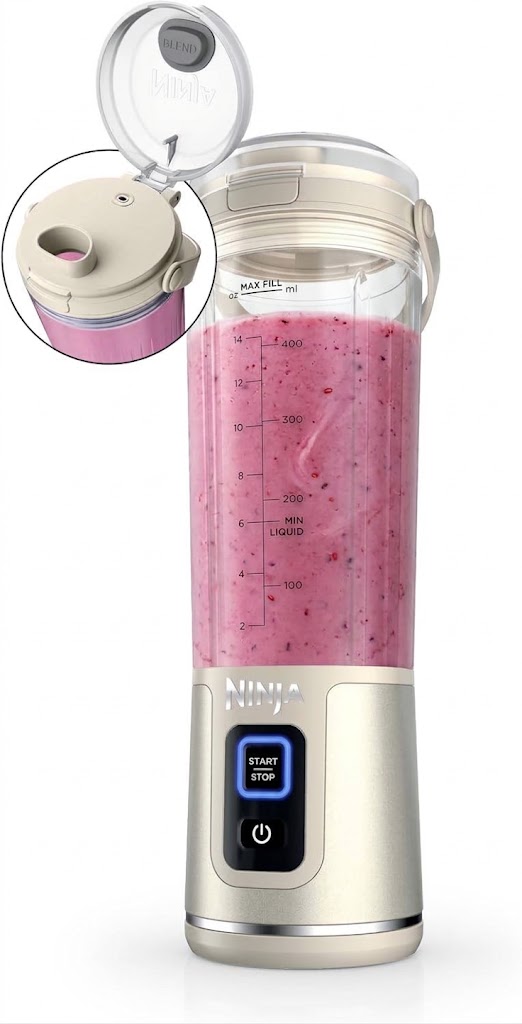
Ninja Blast Portable Blender, Cordless,18oz Vessel, Vanilla Bean
Check Price on AmazonWhich frozen fruits work best, and how should you serve them?
Many plain frozen fruits can work, but they do not all become the same texture after thawing. Berries may collapse and turn juicy; mango can become slippery; pineapple can remain fibrous. Prepare each fruit according to its texture and your baby’s ability to manage food.
| Fruit | What to watch for | Safer preparation | Best for |
|---|---|---|---|
| Blueberries | Small, round berries can be a choking hazard, and the skins may stay firm. | Thaw fully, then mash or flatten each berry. For younger eaters, mix the mash into a soft food. | Purees and mashed fruit |
| Strawberries | Thawed pieces can be slippery, and larger pieces may be hard to manage. | Remove the leafy top, thaw, and mash or cut into a suitable soft shape. | Mash, puree, or soft pieces |
| Mango | Soft pieces can be slippery, and larger cubes may be difficult to grip. | Thaw until soft; mash or cut into a shape suited to your baby’s feeding skills. | Puree or soft finger food |
| Peaches | Pieces may have skin or firm sections that are harder to chew. | Thaw, remove any tough skin if needed, and mash or cut soft pieces. | Mash or soft pieces |
| Pineapple | Fibrous strands can be difficult for a baby to manage. | Puree or finely mash soft fruit; remove stringy pieces. | Purees or mixtures with other soft foods |
| Mixed berries | Different berry sizes and skins create uneven textures. | Thaw, inspect, and mash well; do not assume every berry has softened equally. | Well-mashed fruit or puree |
This table is a starting point, not a rule that every baby must eat fruit in one specific form. A baby who is learning to swallow smooth puree may need a different texture from a baby who handles soft finger foods comfortably. If pieces are hard to squish between your fingers, make them softer or mash them further.
Choose the texture for your baby’s feeding stage
There is no single texture that fits every baby of a particular age. Some babies begin with smooth foods, while others manage thicker mashed foods or soft finger foods as they learn. Follow your baby’s skills and any feeding guidance from a health care provider.
For early solid-food eaters
Thawed fruit can be mashed with a fork or blended into a smooth puree. Add a little water, breast milk, or formula if needed to make the texture easier to swallow. Use only enough liquid to reach a consistency your baby can handle, and serve it from a spoon or in another safe way recommended for your feeding approach.
Purees need not be extremely thin if your baby can manage thicker food. You can gradually offer more texture as your baby becomes comfortable. Move at a pace that suits your baby rather than trying to reach a particular texture by a deadline.
For babies learning to self-feed
Offer fruit that is soft enough to squash and cut or shape it in a way your baby can pick up and manage. The correct shape depends on the baby’s development and the fruit itself. For example, whole blueberries are round and small, so mashing or flattening them is safer than serving them intact.
Always remove pits, hard stems, and tough pieces. If your baby has difficulty picking up slippery fruit, you can mash it onto a preloaded spoon or combine it with a thicker food. Keep the eating area calm, seat your baby upright, and watch closely.
For older babies and toddlers
As chewing and handling skills develop, your child may manage larger pieces, but frozen fruit still needs to be thawed and checked. Continue to cut foods that are round, firm, or slippery into safe shapes. Age alone does not guarantee that a food is safe in every form.
Frozen fruit safety: choking, temperature, and food handling
Choking prevention is the main reason not to serve frozen fruit straight from the freezer. A frozen piece is hard, and a baby cannot easily mash it with their gums. Thawing helps, but you still need to check the fruit’s final texture and shape.

Framendino, 16 Pack Artificial Chicken Nuggets Fake Fried Food Models Props for Kitchen Decor
Check Price on AmazonChoking and gagging are different. Gagging is a common protective response as babies learn to eat; it may involve coughing, making noise, or pushing food forward. Choking can be silent and may involve trouble breathing. Take an infant first-aid course if possible, and make sure caregivers know how to respond to choking. Never put your fingers into a baby’s mouth to search blindly for food, because that can push it farther back.
Other practical safety steps include:
- Keep your baby upright. Feed in a secure high chair or other suitable seat, not while walking, playing, or reclining.
- Stay within reach. Active supervision matters even when your baby has eaten similar food before.
- Check for uneven thawing. A microwave can heat some spots while leaving others cold. Stir, wait briefly, and test the fruit before serving.
- Use clean utensils. Do not put a spoon that has been in your baby’s mouth back into the storage container.
- Discard food from the eating bowl. Saliva can introduce bacteria, so do not save a serving your baby has already eaten from.
One often-missed detail: freezing is not a way to disinfect fruit. If fruit was contaminated before freezing, freezing may not eliminate the germs. Follow the package’s handling instructions, keep frozen food frozen until you prepare it, and wash fresh fruit before cutting or serving it.
How to thaw and store frozen fruit
For a planned meal, thaw only the amount you expect your baby to eat in the refrigerator. Keep the remaining fruit frozen, and avoid thawing and refreezing the same portion repeatedly. If you need to serve fruit right away, microwave a small amount, stir it well, and check that it has no hot spots.
Once thawed, handle fruit as a perishable food. Keep it refrigerated if you are not serving it immediately, and follow the package’s instructions for storage after opening. Food should not sit at room temperature for more than two hours; if the room is very hot, the safe window is shorter. When in doubt about how long fruit has been out or how it was stored, throw it away rather than serving it to your baby.
For homemade puree or mashed fruit, use a clean, covered container and refrigerate it promptly. Serve a portion into a separate dish instead of feeding directly from the storage container. This prevents saliva from contaminating food you plan to keep. If you prepare more than your baby needs, freeze portions promptly in clean, labeled containers and thaw only what you will use.
Packaging and product types vary, so follow the storage directions on the fruit package. Do not rely on smell or appearance alone to decide that food is safe. Some harmful bacteria do not change a food’s smell or look.
Can you mix frozen fruit with other baby foods?
Yes, once the fruit has been safely thawed and prepared, you can combine it with foods your baby already eats. Try mashed fruit with plain yogurt, oatmeal, or another soft food that is suitable for your baby’s age and feeding skills. Check the ingredients in prepared products, since some contain added sugar or other ingredients you may not want to offer.
Fruit does not need to be sweetened. Avoid adding sugar, honey, or syrups. Do not give honey to a child younger than 12 months, including honey mixed into puree or another food, because it can cause infant botulism. Also avoid using juice as a routine substitute for whole fruit; mashed or pureed fruit provides its natural fiber.
Some families offer foods one at a time when starting solids so it is easier to notice a reaction or identify which food a baby dislikes. There is no need to add several new ingredients at once. If your baby has a known allergy, a medical condition, or a history of a reaction, ask their health care provider before introducing foods that raise concerns.
Common mistakes to avoid when serving frozen fruit
- Serving it partially frozen. A cold, firm center can remain difficult to chew even if the outside looks soft. Thaw the fruit completely and inspect it.
- Assuming all thawed fruit is soft enough. Skins, seeds, fibers, and uneven pieces can still be challenging. Mash or remove troublesome parts.
- Serving whole round berries. A small, round shape can block the airway. Flatten or mash berries for babies who are not ready to manage them whole.
- Adding fruit to a bottle. Keep bottles for breast milk or formula unless a health care provider gives specific instructions. Offer solids in a safe, supervised way.
- Using a feeder to avoid checking texture. A mesh or silicone feeder does not replace safe food preparation or supervision. Clean the feeder carefully and do not place hard frozen pieces inside.
- Saving leftovers from a used bowl. Once your baby has eaten from a serving, saliva may contaminate what remains. Discard it.
- Pressuring your baby to finish. Offer a small amount and let your baby show signs of fullness. Eating solids is a learning process, and appetite varies.
When to ask a health care provider
Ask your baby’s health care provider if you are unsure whether your baby is ready for solids, has trouble swallowing, coughs or chokes frequently during meals, or has a medical condition that affects feeding. A feeding specialist can help if your baby struggles with textures or consistently refuses foods.
Seek urgent help if your baby has signs of a severe allergic reaction, such as difficulty breathing, swelling of the tongue or throat, or sudden widespread symptoms. For immediate breathing problems, contact emergency services. If a reaction is mild but concerning, contact your health care provider for advice before offering that food again.
Most babies can enjoy fruit in a form suited to their skills. The goal is not to avoid frozen fruit, but to make it soft, manageable, and safely handled every time.
Babies can eat frozen fruit once they are ready for solids, provided it is fully thawed and prepared to a safe texture. Mash small round berries, remove tough or hard parts, and supervise every meal.
For your next serving, thaw a small portion in the refrigerator, test that it is soft, and offer it while your baby sits upright. With those simple steps, can babies have frozen fruit becomes an easy question to answer safely.