will frozen fruit thaw in yogurt? What to expect
Yes, will frozen fruit thaw in yogurt? It will soften as it sits, but the time depends on the fruit’s size, the yogurt’s temperature, and how much you use. Small berries may become tender sooner than large frozen chunks.
You can stir frozen fruit straight into yogurt for a quick bowl or let the mixture rest in the refrigerator for a softer texture. Either way, expect some juice to escape and color to spread, especially with berries.
Here’s how to choose a thawing method, manage extra liquid, keep the yogurt safely chilled, and get the texture you want.
Will frozen fruit thaw in yogurt?
Yes. Frozen fruit will gradually thaw in yogurt, particularly when you stir the two together and leave them in the refrigerator. The fruit warms from frozen toward the yogurt’s temperature, so small pieces usually soften before larger or denser chunks.
There is no single thawing time that works for every bowl. A few small berries mixed into a serving may soften noticeably within a couple of hours. A large quantity of whole fruit or big pieces can take longer, and some centers may still feel icy after a short rest. For an overnight bowl, expect the fruit to be much softer.
Thawing does not mean the fruit will keep its original fresh texture. Freezing forms ice crystals inside the fruit, which can damage its cell structure. Once the ice melts, the fruit may feel softer and release juice. That is normal, not a sign that it has spoiled.
For the quickest snack, stir the fruit in and eat it while it is still partly frozen. For a softer, more evenly flavored bowl, mix it in ahead and chill the covered bowl. If you want firm fruit with little color or juice in the yogurt, thaw it separately and drain it first.
What changes as the fruit thaws?
The main changes are softness, liquid, and flavor. As frozen fruit warms, moisture that was held inside its tissues becomes easier to release. Stirring can break up the softened pieces and spread their juice through the yogurt.
Texture depends on the fruit
Small berries, such as blueberries, can soften without falling apart if you stir gently. Raspberries and blackberries are delicate and may collapse quickly, especially if they have thawed and you mix them vigorously. Sliced strawberries often become soft and juicy. Mango, peach, and pineapple pieces may hold their shape better, though they can still turn tender.
Fruit pieces that are large or frozen in a solid clump take longer to warm through. If a bag contains fruit frozen together, break off only the amount you need. Avoid crushing it into the yogurt while it is still hard; that can leave icy chunks and make the mixture uneven.
Juice can thin and color the yogurt
Fruit juice mixes into yogurt and can make the bowl thinner, sweeter, or more tart. Berries may tint plain yogurt pink, purple, or blue. This color spreading is expected and does not mean the yogurt has gone bad.
Some liquid may also gather at the surface. That can be fruit juice, or it can be whey, the thin liquid that sometimes separates from yogurt. Stir it back in for a looser consistency, or spoon it off if you prefer thicker yogurt. For a less watery result, drain separately thawed fruit before adding it.
Choose a thawing method that fits your plans
You can add frozen fruit directly to yogurt, thaw it in the refrigerator first, or use a brief countertop rest before mixing. The best method depends on how soon you plan to eat and whether you care more about convenience or a neater, thicker bowl.
| Method | What to do | Texture and best for |
|---|---|---|
| Mix in frozen | Stir a small portion into yogurt and eat right away, or chill it to soften. | Partly icy at first; best for a quick bowl or a cold, slushy texture. |
| Thaw in the refrigerator | Let fruit soften in a covered container, then mix it in or drain it. | More even thawing; best for meal prep and controlling extra juice. |
| Brief countertop rest | Set out a small portion only long enough to take the hard chill off. | Faster softening; best when you are eating immediately, not storing it warm. |
| Thaw and drain separately | Collect the fruit juice, drain the fruit, then fold it into the yogurt. | Thicker yogurt with less color bleed; best for parfaits and toppings. |
How to thaw frozen fruit in yogurt step by step
- Choose a manageable portion. Use only the amount you plan to eat. A smaller amount of fruit will soften more evenly than a large frozen mass, and you will not need to thaw extra fruit and refreeze it.
- Break up any frozen clumps. If the pieces are stuck together, loosen them while they are still in the bag or container. Do not force a knife through a hard block; let the clump sit in the refrigerator until it separates more easily.
- Stir gently into the yogurt. Fold the pieces through rather than mashing them. Gentle mixing helps preserve their shape and gives the cold fruit better contact with the yogurt.
- Cover and refrigerate if you want softer fruit. Leave the bowl chilled until the pieces are as tender as you like. Small pieces may soften sooner, while large pieces need more time. Check the texture rather than relying on a fixed timer.
- Adjust the consistency before serving. Stir in any juice for a fruitier, thinner bowl, or drain some liquid for a thicker one. Add crunchy toppings just before eating so they stay crisp.
If you are making several portions, prepare them in separate covered containers. That makes serving easy and helps avoid repeatedly warming and cooling one large bowl.
How long does frozen fruit take to thaw in yogurt?
Thawing time varies with piece size, fruit quantity, and the temperature of both ingredients. Small pieces can begin softening within a couple of hours in the refrigerator, while larger chunks or a heavily loaded bowl may need several hours or an overnight rest. Treat those times as estimates, not guarantees.
If you want fruit to remain partly frozen, stir it in just before eating. If you prefer a soft texture, prepare the bowl ahead and check it after a few hours. For the most predictable result, thaw fruit on its own in the refrigerator, then decide how much juice to add to the yogurt.
There is no need to warm the yogurt to speed things up. Heating yogurt can affect its texture, and leaving a perishable dairy food at room temperature for a long time is not a safe shortcut. Keep the mixture refrigerated when you are not eating it.

Framendino, 16 Pack Artificial Chicken Nuggets Fake Fried Food Models Props for Kitchen Decor
Check Price on AmazonHow to keep the bowl from becoming watery
Some liquid is part of thawing, so a perfectly dry result is not always realistic. You can still limit how much it affects the yogurt.
- Thaw fruit separately. Put it in a covered container in the refrigerator, then drain off the liquid before mixing. Save the juice if you want to stir in a little for flavor.
- Add fruit shortly before serving. This gives it less time to release juice into the yogurt. It works well when you want distinct pieces and a thicker base.
- Use thicker yogurt. Greek-style yogurt is strained to remove some whey, so it tends to have a thicker starting texture. Juice will still loosen it, but it may remain spoonable.
- Fold, do not mash. Rough stirring breaks up soft fruit and releases more juice. Fold gently, especially with raspberries and sliced strawberries.
- Layer instead of mixing. Place yogurt and fruit in separate layers if appearance matters. Add the fruit on top shortly before serving to reduce color bleeding.
Chia seeds or oats can absorb some moisture if mixed in ahead, but they change the texture and should not be treated as a way to prevent all separation. If using them, allow time for them to soften and adjust the amount to suit the consistency you like.
Can you prepare frozen fruit and yogurt overnight?
Yes. You can combine them the night before and keep the covered bowl in the refrigerator. By morning, the fruit will usually be softer and its juice may have blended into the yogurt. The result is convenient, but it may be thinner and more uniformly colored than a bowl mixed just before eating.
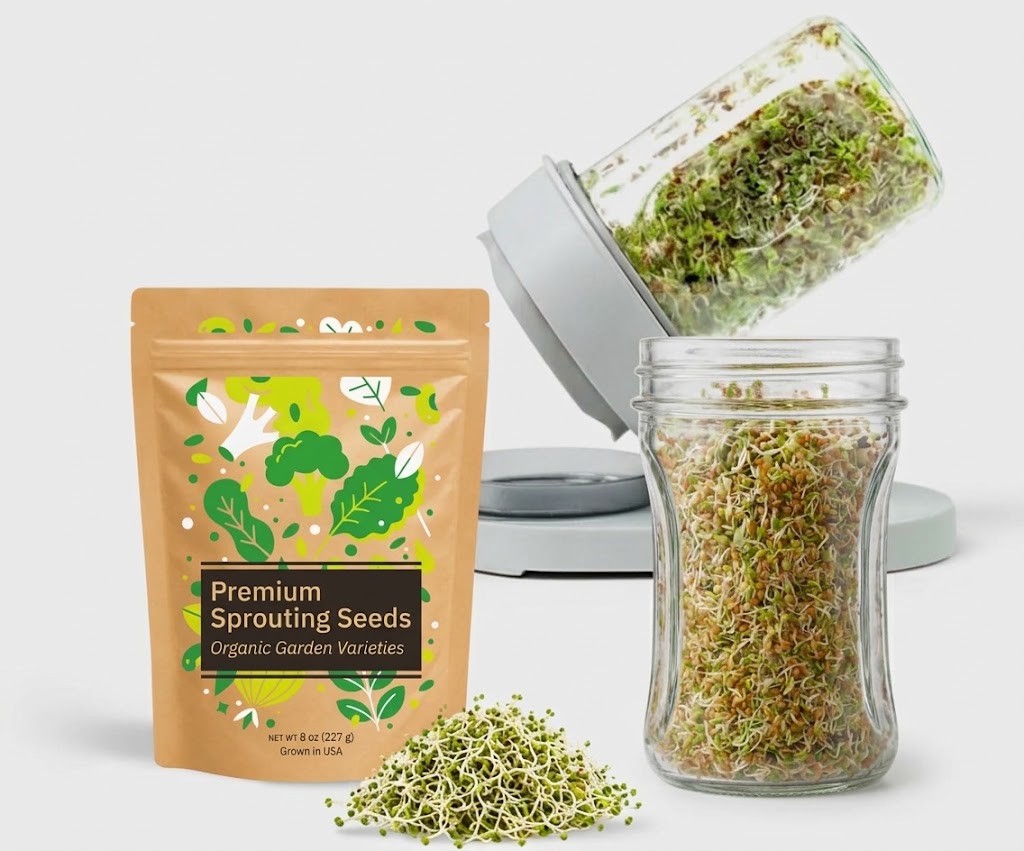
Jar Sprouting Kit with 8oz Broccoli Sprout Seeds
Check Price on AmazonKeep the bowl continuously refrigerated rather than leaving it on a counter overnight. Use a clean spoon when serving, and refrigerate any portion you are saving. If the mixture has been left at room temperature for more than two hours, discard it; in temperatures above 90°F, the limit is one hour. Do not rely on smell or appearance alone to determine whether food left warm is safe.
For meal prep with better texture, store the yogurt and fruit in separate containers. Thaw the fruit in the refrigerator, drain it if needed, and combine the portions shortly before serving. This also keeps toppings such as granola from becoming soggy.
Does the type of frozen fruit matter?
Yes. Different fruits vary in size, water content, firmness, and how well they hold their shape after freezing. The following comparisons are general; the exact result depends on how the fruit was cut and frozen.
| Fruit | What to expect in yogurt | Helpful approach | Best for |
|---|---|---|---|
| Blueberries | Small berries soften fairly evenly; skins may remain noticeable. | Stir in gently and let them rest if you want less icy centers. | Quick bowls and overnight portions. |
| Strawberries | Slices often soften and release noticeable juice and color. | Thaw and drain first for thicker yogurt. | Saucy fruit flavor and layered bowls. |
| Raspberries or blackberries | Soft berries can break apart and tint the yogurt. | Fold gently or use them as a topping. | People who like a jam-like texture. |
| Mango or peach | Chunks can stay distinct but may feel soft after thawing. | Cut large pieces smaller before freezing or allow extra time. | Chunky bowls and smoothies. |
| Mixed fruit | Small pieces thaw before large ones, so textures can vary. | Separate unusually large pieces or thaw the mix in advance. | Convenient variety without selecting each fruit. |
Fruit labeled sweetened may add more sugar to the bowl, and fruit packed with syrup can release a sweeter liquid. Check the package if you are watching added sugars or want to know whether the fruit contains anything beyond fruit.
Common mistakes that lead to poor texture
Expecting frozen fruit to stay crisp
Fruit that has been frozen and thawed usually will not have the same crisp bite as fresh fruit. Ice crystals alter its structure, so softness is normal. If crispness matters, use fresh fruit for the topping and save frozen fruit for cooking, blending, or mixing into a softer bowl.
Adding too much fruit at once
A large amount of frozen fruit can make the yogurt very cold and leave some pieces hard while others soften. It can also release enough liquid to make the bowl runny. Start with a modest amount, then add more after checking the texture.
Thawing the whole package
Repeatedly thawing and refreezing fruit can affect quality and create more opportunities for unsafe handling. Take out the portion you need and keep the rest frozen. If you thaw more than planned, refrigerate it and use it promptly rather than returning it to the freezer as though it had never thawed.
Using heat to rush the process
A microwave may soften fruit quickly, but it can also create hot spots and make delicate berries collapse. Warm fruit can heat the yogurt unevenly when mixed in. For a cold yogurt bowl, refrigerator thawing or a small portion added directly from the freezer gives better control.
Practical tips for a better bowl
Match the method to the way you plan to serve it. For a thick breakfast bowl, thaw and drain juicy berries separately. For a cold snack, stir in frozen blueberries and eat while they are still firm. For a smooth fruit flavor, let the mixture rest overnight and stir before serving.
Keep crunchy ingredients separate until the last moment. Granola, nuts, and toasted seeds absorb moisture and lose their crunch when left against thawing fruit and yogurt. Pack them in a separate container if you are taking breakfast to go.
If the bowl tastes too tart after adding unsweetened fruit, adjust it with a small amount of honey, maple syrup, or another sweetener you enjoy. Taste after the fruit has softened, because its juice may change the flavor. You can also add vanilla, cinnamon, or citrus zest without making the yogurt much thinner.
For a smoothie-like texture, stir in the fruit juice or blend the thawed fruit with yogurt. For distinct pieces, avoid blending and keep the fruit separate until serving. The key is to decide whether you want the fruit to be a topping, a mix-in, or part of the yogurt itself.
When should you thaw fruit separately?
Thaw fruit on its own when you need control over juice, color, or portion size. This is especially useful for layered parfaits, packed lunches, and recipes where a thick yogurt base matters. Set the fruit in a covered container in the refrigerator, then drain it if the liquid would make the dish too loose.
Separate thawing also helps when the pieces vary greatly in size. You can remove smaller pieces as they soften and give larger chunks more time. If you are serving guests, this approach lets you add fruit at the last minute and keep each bowl looking distinct.
For everyday eating, separate thawing is optional. Mixing fruit straight into yogurt is simple and safe when the bowl stays chilled. A little juice is a normal trade-off for convenience.
Yes, will frozen fruit thaw in yogurt? It softens as it sits, though the timing and final texture depend on fruit size and type. Expect some juice and color, especially from berries.
For a quick snack, stir in fruit while frozen and eat it partly icy. For a thicker bowl, thaw and drain the fruit separately, then combine it just before serving.
Keep the yogurt covered and refrigerated while it rests. Try one small portion first, then adjust the thawing time and amount of fruit to get the texture you prefer.
