how frozen fruits are made: From Farm to Freezer
how frozen fruits are made comes down to a careful sequence: fruit is harvested, cleaned, prepared, and frozen quickly, then packed and kept cold. The exact steps depend on the fruit and whether it is frozen whole, sliced, or in pieces.
Knowing the process helps you understand why frozen fruit can taste fresh, why some pieces stick together, and how to choose a product for smoothies, baking, or snacks. This guide follows fruit from the field to the freezer, explains the main freezing methods, and covers the quality checks and home-handling tips that matter most.
How frozen fruits are made: the main steps
Commercial frozen fruit is generally made by harvesting ripe fruit, sorting and cleaning it, preparing it for its intended use, and freezing it before storage and distribution. The goal is to slow quality loss by bringing the fruit to a low temperature quickly and keeping it frozen.
Freezing does not make fruit sterile, and it does not improve fruit that was already spoiled or badly damaged. Good raw fruit, careful handling, and a reliable cold chain—the series of refrigerated steps between processing and sale—all contribute to the quality in the bag.
- Harvest at a suitable stage. Growers and processors select fruit based on the variety, its condition, and the product being made. Fruit destined for freezing is often picked when it has developed the flavor and color needed for its intended use. It may be processed soon after harvest, but timing varies by fruit, location, and production schedule.
- Sort and inspect. Workers or sorting equipment separate out damaged, moldy, underripe, or otherwise unsuitable pieces. Removing poor-quality fruit matters because freezing preserves condition; it does not repair bruises or restore flavor.
- Wash and prepare. Fruit is washed with potable water using procedures suitable for the facility and product. Depending on the fruit, it may be peeled, hulled, pitted, cored, sliced, diced, or left whole. Preparation gives buyers a convenient product and helps pieces freeze and cook more consistently.
- Apply any fruit-specific treatment. Some fruits receive a treatment to help limit browning or protect texture and color. Others may be blanched briefly, but blanching is much more common for vegetables than for fruit. Processing choices depend on the fruit and the product’s intended use.
- Freeze the prepared fruit. The pieces pass through a commercial freezer until they are frozen throughout. A fast, controlled freeze helps limit the size of ice crystals that form inside the fruit, which can affect its texture after thawing.
- Pack and store. Frozen pieces are packaged in materials designed for frozen food, then held and transported at consistently cold temperatures. Preventing temperature swings helps protect texture and limit ice buildup.
Not every producer uses the same machinery or exact sequence. Whole berries, sliced peaches, and fruit prepared for a blended product have different handling needs, so the process is adjusted accordingly.

Framendino, 16 Pack Artificial Chicken Nuggets Fake Fried Food Models Props for Kitchen Decor
Check Price on AmazonHow freezing methods affect the fruit
Freezing slows the activity of microorganisms and the natural processes that cause food quality to decline. It does not instantly stop every change, and it does not kill all microorganisms. For fruit, the way freezing happens can influence whether pieces remain distinct or freeze into a solid mass.
Many commercial processors use individual quick freezing (IQF). In this method, separated pieces move through a rapid-freezing system, often using very cold moving air. Because the pieces freeze individually, they are easier to pour and portion from the package. IQF describes a process and result, not one single kind of machine.
Other systems freeze fruit in containers or packages. This can work well for products meant to be used together, such as a block of fruit for cooking or a puree. The pieces may freeze into a larger mass, so you may need to thaw or break off part of the package.
| Method or format | What happens | Best for |
|---|---|---|
| IQF pieces | Separated pieces freeze individually, commonly in a rapid air freezer. | Smoothies, portioning, toppings, and recipes that need separate pieces. |
| Frozen in a container or pack | Fruit freezes together in the shape of its package or container. | Purees, cooking, or recipes that use the whole pack at once. |
| Frozen puree | Prepared fruit is crushed or blended, then frozen in a suitable pack. | Sauces, drinks, baking, and recipes that do not need whole pieces. |
Quick freezing is useful because it limits the time fruit spends forming ice crystals as it cools. It does not mean every piece will have exactly the same texture as fresh fruit. Once thawed, fruit can be softer because freezing and thawing affect its structure and release juice.
What happens before the fruit enters the freezer?
Choosing ripe, sound fruit
Ripeness affects sweetness, aroma, color, and firmness. Processors choose fruit according to the product they plan to sell. A berry intended to stay whole may need to be firm enough to handle, while fruit for puree can be prepared differently.
Harvesting and processing conditions also affect results. Bruising, long delays, and poor temperature control can reduce quality before freezing begins. This is one reason a frozen product’s final quality depends on more than the freezer itself.
Cleaning and trimming
Washing removes dirt and other surface material, while trimming removes parts that are not intended for the finished product. Berries may be hulled; stone fruit may be pitted; apples may be cored and sliced. The cut size is chosen for convenience and the food’s expected use.
Cut fruit has more exposed surface area than whole fruit. That can make it more vulnerable to color changes and moisture loss before it freezes. Processors manage this through the speed of handling, suitable equipment, and fruit-specific preparation.
Preventing browning and protecting appearance
Some cut fruits, such as apples and peaches, can darken when their exposed surfaces react with oxygen. A processor may use a food-grade ingredient or another approved handling method to help protect color. The exact approach depends on the fruit and product, and any ingredients used should be listed on the package.
Color treatments do not replace good-quality fruit or careful processing. They are one part of preserving appearance. If you have an ingredient sensitivity or dietary concern, read the label rather than assuming every bag contains fruit alone.
Why some fruit is blanched and most is not
Blanching means briefly heating food, often in hot water or steam, before cooling it. It is commonly used for vegetables because it can slow enzymes that affect color, flavor, and texture during frozen storage. It is not a standard step for most plain frozen fruit, since heat can soften fruit and alter its fresh flavor.
Some fruit products may receive a brief heat treatment for a specific purpose, and prepared fruit may contain added ingredients. The method depends on the product. A plain bag of frozen berries and a sweetened fruit topping are not necessarily processed the same way, so check the ingredient list and product description.
Do not blanch fruit at home before freezing unless a reliable recipe specifically calls for it. For many fruits, washing, drying, preparing, and freezing them in a single layer is a better way to keep pieces separate and preserve their usual flavor.
How quality and food safety are managed
Commercial plants use procedures to keep food clean and control hazards throughout processing. This includes sanitation, suitable water, equipment maintenance, worker hygiene, and temperature control. Specific requirements and monitoring practices vary by product and facility.
Freezing slows microbial growth while food remains frozen, but it is not a substitute for safe handling. Some microorganisms can remain alive during freezing and may become active again as food thaws. Frozen fruit should therefore be handled according to its package directions and the needs of the recipe.
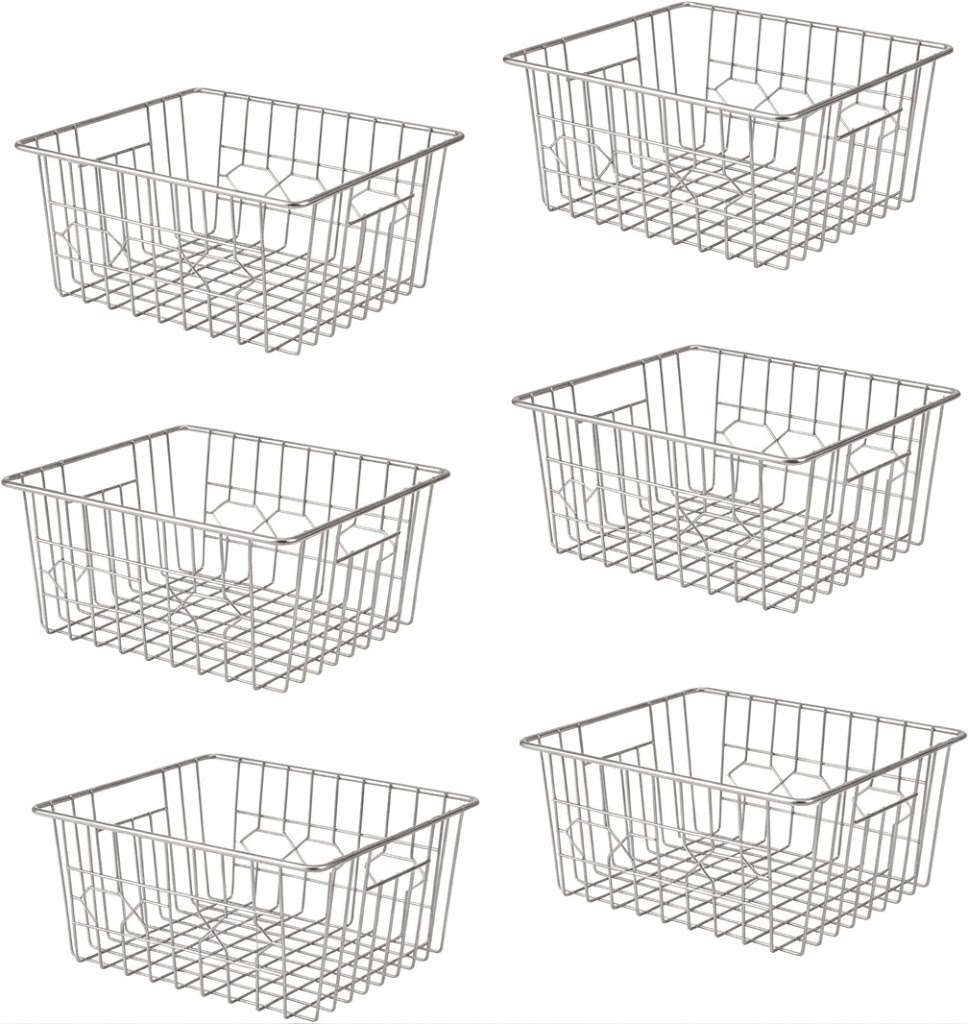
Upright Freezer Organizer Bins, Freezer Baskets for 14, 15 cu.ft Standup Freezer, Wire Storage Baskets with Built-in Handles for Frozen Foods,
Check Price on AmazonManufacturers also check product quality. Depending on the fruit and operation, checks may address size, color, visible damage, foreign material, package seals, and storage temperature. The aim is to make a product that meets its specification and remains protected during transport.
Once fruit leaves the plant, keeping it cold matters. If it partially thaws and refreezes, the pieces may clump together and develop more ice on their surface. That can hurt texture even if the fruit is still suitable to use. Follow package instructions and avoid leaving frozen food warm for extended periods.
Why frozen fruit can be soft after thawing
Fruit contains a great deal of water. As it freezes, water forms ice crystals and the fruit’s internal structure can be damaged. When the fruit thaws, some juice escapes, so the pieces may feel softer than fresh fruit.
Rapid freezing can reduce the size of ice crystals and help limit texture damage, but it cannot guarantee that thawed fruit will be crisp. Variety, ripeness, piece size, freezing conditions, storage, and thawing all play a role. A soft texture is often normal and does not by itself mean the fruit is unsafe.
Use thawed fruit where a tender texture works well: blend it into a smoothie, stir it into oatmeal, cook it into a sauce, or add it to baked goods. If you want distinct pieces in a recipe, use the fruit frozen or thaw it only as much as the recipe requires.
How to freeze fruit at home for a similar result
A home freezer cannot usually reproduce a commercial IQF line, but you can freeze fruit in separate pieces for easier use. Start with fruit that is fresh and in good condition. Freezing preserves the quality you have; it will not make old or damaged fruit taste better.
- Wash and dry the fruit. Rinse it under clean running water and remove dirt. Dry it well with a clean towel or let it air-dry. Excess surface water can form ice and make pieces stick together.
- Remove inedible parts and cut as needed. Hull berries, pit stone fruit, or slice larger fruit into portions you are likely to use. Keep pieces reasonably similar in size so they freeze and thaw at a similar pace.
- Arrange pieces in one layer. Spread them on a tray with a little space between pieces. This lets them freeze separately rather than forming one solid block.
- Freeze until firm. Place the tray flat in the freezer and leave the fruit until the pieces are solid. The time depends on the freezer, fruit, and piece size, so check the fruit rather than relying on a fixed time.
- Transfer to a freezer-safe container. Pack the frozen pieces into a suitable airtight bag or container. Remove as much excess air as practical, label the package with the fruit and date, and return it promptly to the freezer.
Some fruits brown more readily after cutting. A small amount of lemon juice can help with certain fruits, though it can change their taste. If appearance matters, use a recipe or food-preservation guidance suited to that particular fruit.
Leave space in a container if you freeze fruit as a puree or liquid mixture, since contents can expand as they freeze. Use containers made for freezer storage, and avoid glass not intended for freezing because temperature changes and expansion can cause breakage.
How to choose and use store-bought frozen fruit
Look for a package that is intact and feels consistently frozen. A bag with a hard clump may have thawed and refrozen, or the pieces may simply have settled together during storage. Check for heavy frost or ice buildup, which can signal poor handling or a damaged package, though a little surface frost is not always a problem.
Read the ingredient list. Many products contain only fruit, while some include sugar, juice, or other ingredients. Choose plain fruit if you want to control sweetness or add it to a recipe that already has enough sugar.
- For smoothies: Add fruit straight from the freezer. It can chill and thicken the drink without a separate thawing step.
- For baking: Follow the recipe’s directions. Frozen fruit may release more moisture, so avoid thawing it first unless the recipe asks you to.
- For toppings or snacks: Thaw only the amount you plan to eat, then follow the package guidance for storage and use.
- For sauces: Heat the fruit as directed by your recipe. Frozen fruit’s softer texture is usually not a drawback in a cooked sauce.
A useful detail many shoppers miss is that the position of a bag in the freezer case can affect its condition. Choose a package that is still firmly frozen, and put it back in your freezer soon after shopping. A short trip home in a warm car can start thawing the fruit, particularly in hot weather.
Common misconceptions about frozen fruit
“Frozen” does not automatically mean less nutritious
Freezing is a preservation method, not a measure of nutritional quality. Fruit may be frozen soon after harvest, and its nutrients can remain well preserved. The exact nutritional content depends on the fruit, how it was grown and handled, and whether anything was added. Fresh fruit can also change in quality during transport and storage.
Frozen fruit is not always washed and ready to eat
Processing practices differ, and package directions matter. Some products are intended to be eaten without cooking; others may carry instructions to heat before eating. Read the label, especially when serving people at higher risk from foodborne illness. Do not assume that freezing removes all food-safety concerns.
A bag of stuck-together fruit is not automatically spoiled
Clumping may be caused by moisture on the pieces, pressure in the package, or partial thawing followed by refreezing. It can affect convenience and texture without proving that the fruit is unsafe. If the package appears damaged, has an unusual smell after opening, or shows other signs of spoilage, discard it.
Freezing does not make fruit last forever at top quality
Keeping fruit frozen helps preserve it, but quality can decline over time. Freezer burn—dry, pale patches caused by moisture loss—can make fruit less pleasant, although it is mainly a quality problem. Use the package’s storage guidance, keep the freezer cold, and protect fruit from air and temperature changes.
how frozen fruits are made is a process of careful harvesting, sorting, cleaning, preparation, rapid freezing, and cold storage. Quick freezing can keep pieces separate and help protect quality, but thawed fruit may still be softer than fresh fruit because freezing affects its structure.
For better results at home, choose sound fruit, dry it well, freeze pieces in a single layer, and then pack them airtight. Check product labels and keep store-bought fruit frozen until you are ready to use it.
