why is frozen fruit cheaper than fresh: price factors
Frozen fruit often costs less than fresh because it can be processed and packed during harvest, then stored until demand rises. Freezing also helps reduce spoilage and makes fruit available outside its growing season.
The price depends on the fruit, brand, package size, and local supply, so frozen is not always the lower-cost choice. Here’s how harvest timing, labor, shipping, and waste affect what you pay. You’ll also learn how to compare prices fairly, when fresh fruit may be the better value, and what to check on the package before buying.
why is frozen fruit cheaper than fresh? The main reasons
Frozen fruit can be cheaper because producers can process it in large batches during the fruit’s harvest season. They wash, sort, prepare, and freeze the crop close to where it is grown, then store it until retailers need it. This approach can spread supply across the year without relying on the same fruit arriving fresh every week.
Fresh fruit usually has a shorter window for selling. It must reach stores quickly and look appealing while it is still in good condition. That timing can require careful handling, faster transportation, and more frequent deliveries. If fruit spoils before sale, some of its cost is lost, and that risk can be reflected in the price.
These are general patterns, not a guarantee. A local sale, a large harvest, or a low-cost fresh variety can make fresh fruit cheaper. The size of the price difference also depends on the fruit and where you shop.
Harvest timing can lower the cost of frozen fruit
Fruit grows in particular seasons, even though shoppers often want it all year. During a local or regional harvest, a large amount of a crop may become available at once. Freezing lets processors handle part of that supply promptly and keep it for later use.
Fresh fruit sold outside its main growing season may travel farther or come from a region with different harvest timing. Longer or more complicated supply routes can add transportation, handling, and storage costs. Frozen fruit can be shipped and held in a steady frozen state, which gives suppliers more flexibility about when to sell it.
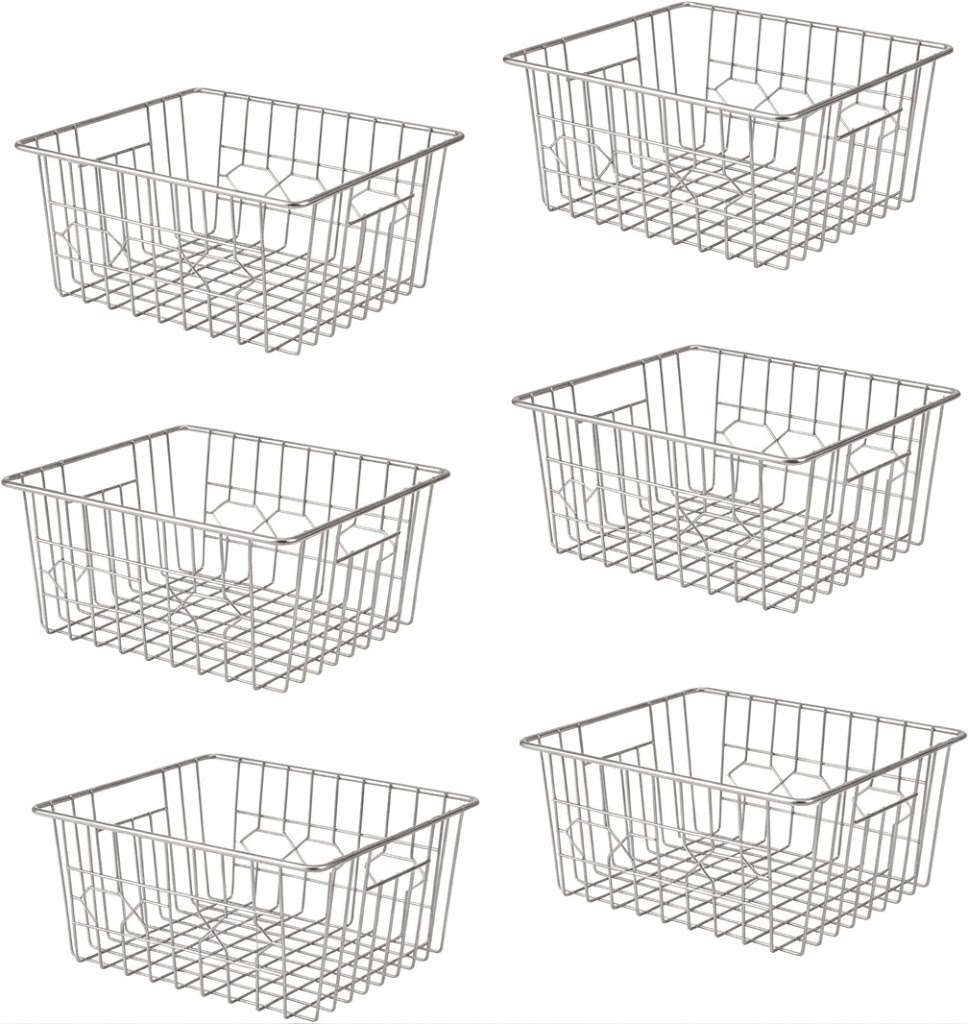
Upright Freezer Organizer Bins, Freezer Baskets for 14, 15 cu.ft Standup Freezer, Wire Storage Baskets with Built-in Handles for Frozen Foods,
Check Price on AmazonHarvest season does not make freezing free. Producers still need equipment, energy, packaging, cold storage, and transportation. But processing a large amount at once can be more efficient than handling smaller shipments over many months.
There is another practical effect: frozen fruit does not need to look perfect in the same way fresh fruit displayed for eating often does. Fruit can be sorted for quality and intended use, then cut or packed for smoothies, baking, or cooking. That can make it easier for processors to use suitable fruit that might not meet a retailer’s appearance preferences for fresh produce.
Processing and labor affect the shelf price
Fresh fruit often needs repeated handling. Workers pick it, sort it, pack it, and move it through the supply chain quickly. Stores may also inspect and restock displays to keep fruit looking fresh. Different fruits need different levels of care, so labor and handling costs vary.
Frozen fruit usually has its own processing costs. It may be washed, sorted, peeled, pitted, or cut before being frozen and packaged. Processing requires specialized equipment and energy. The savings come from the way those tasks can be organized at scale and timed around harvest, not from an absence of labor.
Preparation can also change how much usable fruit you get. A package of frozen mango chunks, for example, is ready to add to a recipe. A whole fresh mango requires peeling and removing the pit. If you compare only the price per pound, the fresh fruit may look less expensive even though some of its weight is not edible.
That is why cost per usable serving can be more revealing than cost per package or pound. Consider how much fruit you can actually serve after removing peels, stems, pits, or spoiled pieces.
Storage and spoilage are part of the price
Fresh fruit has limited time to sell in good condition. Its shelf life varies widely: some fruit stays in good shape longer, while ripe or delicate fruit can deteriorate quickly. Retailers have to account for handling and for fruit that may be discarded or marked down before a customer buys it.
Frozen fruit can be stored for longer under consistently cold conditions. That can reduce the chance that a batch becomes unsellable simply because it did not sell fast enough. The producer and store still pay for freezers, electricity, and cold transportation, but the product is less vulnerable to ordinary ripening and bruising during storage.
At home, frozen fruit can reduce waste if you only need a small amount at a time. You can take out what a recipe needs and keep the rest frozen. Fresh fruit can be the better buy if your household eats it promptly, but unused fresh fruit that spoils makes the apparent bargain more expensive.
Keep frozen fruit solidly frozen and close the package securely after opening. If it partially thaws and refreezes, quality can decline, with softer texture or clumping. Follow the package’s storage directions, and use safe refrigerator thawing if you want to eat it thawed rather than use it straight from the freezer.
Compare frozen and fresh prices fairly
Package prices can mislead. A small bag of frozen fruit may cost less at checkout than a large container of fresh fruit, but the package sizes differ. For a useful comparison, check the unit price and then account for the portion you will actually use.
| What to compare | Fresh fruit | Frozen fruit | Best for |
|---|---|---|---|
| Price per pound or ounce | May include peel, pit, stems, or damaged pieces | Often includes prepared pieces, but check for added ingredients | Quick shelf-price comparison |
| Edible yield | Varies with trimming and the fruit’s condition | Usually ready to use once thawed or added to a recipe | Comparing cost per usable portion |
| Waste risk | Can spoil if not eaten in time | Can be portioned and kept frozen | Households that use small amounts at a time |
| Texture after thawing | Usually firmer when fresh and ripe | Often softer because freezing affects the fruit’s structure | Smoothies, sauces, oatmeal, and baking |
| Availability | Price and selection can change with season | Often available year-round in common varieties | Recipes that need fruit outside its local season |
For a closer comparison, divide the price by the weight and compare similar fruit in similar forms. Then consider how much of the fresh item you will discard and whether you are likely to eat it before it spoils. A frozen bag that costs a little more per pound may still be a better value if nearly all of it gets used.

YouCopia FreezeUp Freezer Food Block Maker, 2 Cup, 2-Pack,
Check Price on AmazonFrozen fruit is not always the cheaper option
Fresh fruit can cost less when it is in season locally, especially if it is sold in bulk or discounted because it is ripe and should be eaten soon. A store promotion may also make fresh fruit less expensive than its frozen equivalent. Prices shift with supply, demand, and the store’s buying arrangements.
Some fruit costs more to freeze and package than others. A product that needs more preparation, careful sorting, or specialized packaging may carry a higher price. Organic frozen fruit can also cost more than conventional fresh fruit, though the exact comparison varies by brand and store.
Look at the ingredient list. Many bags contain only fruit, while some products include sugar, syrup, or other ingredients. Added ingredients change the product and can affect both the price and how it works in a recipe. For a straightforward comparison, choose plain fruit on both sides.
Package size matters, too. A large frozen bag may have a lower unit price but is only a bargain if you have freezer space and will use the fruit while it retains good quality. A smaller package can be more practical if you are trying a variety or have limited storage.
Does frozen fruit have the same nutrition as fresh?
Frozen fruit can be a nutritious alternative to fresh fruit. It is commonly frozen soon after harvest, which can help preserve many nutrients. Fresh fruit also provides valuable nutrients, but the amount can change as it ripens and is stored. The difference depends on the fruit, handling, and time in storage, so there is no single rule that applies to every variety.
Texture is often a more noticeable difference than nutrition. Freezing forms ice within the fruit, which can damage some of its structure. After thawing, berries and other fruit may feel softer or release more liquid. That makes frozen fruit especially convenient for blended or cooked dishes, but less suitable when you want firm pieces for a fresh fruit platter.
Use frozen fruit without thawing for smoothies, or thaw it in the refrigerator when a recipe calls for softer fruit. If thawed fruit releases juice, add that liquid to the recipe when it makes sense. It contains flavor and can be useful in oatmeal, sauces, or baked goods.
How to choose the better value at the store
A few quick checks can prevent a misleading comparison. Use these steps when you are deciding between the fresh display and freezer aisle:
- Compare the same fruit. A price comparison between different varieties may reflect more than whether the fruit is fresh or frozen.
- Check the unit price. Compare the listed cost per pound or ounce, not just the package total.
- Account for preparation. Consider pits, peels, stems, and any trimming needed before serving fresh fruit.
- Consider how much you will waste. If you often throw away overripe fruit, frozen portions may save money over time.
- Check the ingredients. Choose plain fruit if you want a direct comparison and control over sweetness.
- Match the product to the recipe. Frozen fruit suits smoothies and cooking; fresh fruit may be worth the extra cost when texture matters.
- Inspect the frozen package. Avoid bags that feel partly thawed or contain a mass of hard clumps, which may indicate temperature changes or poor handling.
One useful trick is to compare the cost of the amount you actually need for a recipe rather than the whole package. If a recipe calls for a cup of berries, check how many portions each package provides and whether the remainder can be stored and used later. This keeps a low package price from distracting you from the real cost of the meal.
Common misconceptions about frozen fruit prices
Frozen fruit is cheap only because it is lower quality
A lower price does not automatically mean the fruit is inferior. Frozen fruit can be prepared and packed in a different way, and it is often sold for uses where appearance and firmness matter less. Quality still varies by product, so read the label and choose a package that fits your needs.
Fresh fruit is always more nutritious
Freshness does not guarantee that a fruit has retained more nutrients than a frozen version. Harvest timing and storage matter. Both forms can contribute to a balanced diet, and the most useful choice is often the one you enjoy and will eat.
A lower price per pound means a better deal
Price per pound is a helpful starting point, not the whole answer. The weight of a whole fruit may include parts you do not eat, while fresh fruit can spoil before you finish it. Compare usable portions and likely waste to estimate what each option really costs.
Frozen fruit must be thawed before use
Many recipes work well with fruit straight from the freezer. Add it directly to smoothies, hot cereal, or recipes that are cooked or baked. Thaw it only when the recipe needs a softer texture, and expect some liquid as the fruit defrosts.
The simplest rule is to buy based on both price and use. Frozen fruit often offers steady availability, convenient portions, and less spoilage. Fresh fruit can win on price or texture, especially in season. A quick unit-price check, adjusted for edible yield and waste, helps you see which one is the better value for your household.
Frozen fruit is often less expensive because seasonal harvests can be processed in large batches, stored for later, and sold with less risk of spoilage. But the price depends on the fruit, package, and season, so frozen is not automatically the better deal.
Compare unit prices, edible portions, and the chance of waste. Before your next shop, check both the produce and freezer sections, then choose the form that fits your recipe and how quickly you will use it.
That is the practical answer to why is frozen fruit cheaper than fresh: its supply chain can lower costs, while smart price comparisons show whether those savings matter for your basket.