was there a recall on frozen fruit? What to check
Yes, frozen fruit has been recalled before, but whether a specific bag is affected depends on its brand, product, and lot code. A past recall does not mean every frozen-fruit product is unsafe, and it does not confirm that a recall is active today.
This guide explains how to check current notices, read package details, and respond if your fruit matches a recall. You’ll also learn what to do if the bag is open, how to reduce cross-contamination, and why freezing does not make recalled fruit safe.
was there a recall on frozen fruit? What the answer means
Yes. Frozen-fruit products have been recalled in the past for possible contamination, including concerns involving Listeria and hepatitis A. Those recalls applied to specific products and production lots—not automatically to every frozen berry or fruit blend in a store.
That distinction matters. The words “frozen fruit recall” describe a type of safety notice, not a permanent warning about an entire category. A product can be safe if it does not match the affected brand, description, package size, and lot information in the notice.
Because recall notices change, a general article cannot confirm whether a particular bag is currently recalled. Check the latest notice from the U.S. Food and Drug Administration (FDA), which handles most packaged fruit recalls, or the relevant food-safety authority where you live. Search by brand and product name, then compare the notice with the bag in your freezer.
Some earlier notices involved frozen fruit or products containing fruit, including recalls related to possible Listeria contamination and hepatitis A concerns. These examples show why checking the exact notice is more useful than relying on a social-media post or a broad headline.
How to check whether your bag is affected
Use the official recall notice as your reference. A retailer message, news story, or post can alert you to a possible issue, but the official notice usually gives the details needed to identify affected products and follow the correct instructions.
- Find the exact product name. Check the front and back of the package. A recall may cover a particular fruit blend, organic variety, or product line rather than every item sold under the brand.
- Match the brand and package size. A notice may list several brands or only specific package weights. Do not assume that a similar-looking bag is included—or excluded—without checking the details.
- Compare the lot code and date information. Look for a lot number, production code, best-by date, or other identifying mark named in the notice. These details may be printed near the seal or on the back of the bag.
- Check the UPC or product code if provided. A barcode can help distinguish products that share a brand name or packaging style.
- Follow the notice’s instructions. If your product matches, do not eat it. The notice may say to discard it, return it for a refund, or contact the company. Follow those directions rather than guessing.
If you threw away the package, use whatever details remain: a receipt, store purchase history, product photo, or order confirmation. If you cannot tell whether the fruit matches an active notice, keep it separate and contact the manufacturer or retailer for help. Do not taste it to check whether it seems safe.
Where to look for current information
In the United States, search FDA recall and safety-alert notices for the brand, product, and ingredient. Check the manufacturer’s official recall page as well, especially if the notice gives a customer-service number or refund instructions. Retailers may also post information for products they sold.
Use the full product description when searching. Searching only for “berries recalled” can bring up old notices or products that do not match your bag. Confirm the notice date and affected lot details before acting on a result.
If you are outside the United States, use the food-safety agency for your country or region. Different agencies publish notices in different places, and an alert may apply only to products sold in certain markets.
What to do if your frozen fruit matches a recall
Do not eat, taste, serve, or blend the product. Freezing does not reliably destroy harmful germs, and thawing it does not make it safe. Smoothies, sauces, and desserts made with recalled fruit can also expose anyone who eats them.
- Separate the product. Keep the bag away from other food while you read the notice. If it is leaking, place it in a sealed container or bag to prevent drips.
- Follow the stated disposal or return instructions. If the notice says to discard the product, seal it before placing it in the trash so people and animals cannot access it. If it says to return it, follow the retailer’s process.
- Clean anything the fruit or its packaging touched. Wash your hands with soap and water. Clean the freezer shelf, counter, utensils, blender parts, or containers that may have contacted leaking juice, following the cleaning-product directions.
- Check nearby food for contact. A sealed bag stored next to the recalled fruit is not automatically affected. Focus on possible leaks or direct contact, and follow any specific instructions in the recall notice.
- Keep useful details before disposal, if practical. A photo of the package and lot code can help with a refund inquiry or a report. Do not keep the food for evidence if doing so creates a risk of accidental use.
Do not donate recalled food or give it to a neighbor, even if the bag looks normal. A recall is based on a safety concern that may not change the fruit’s appearance, smell, or taste.
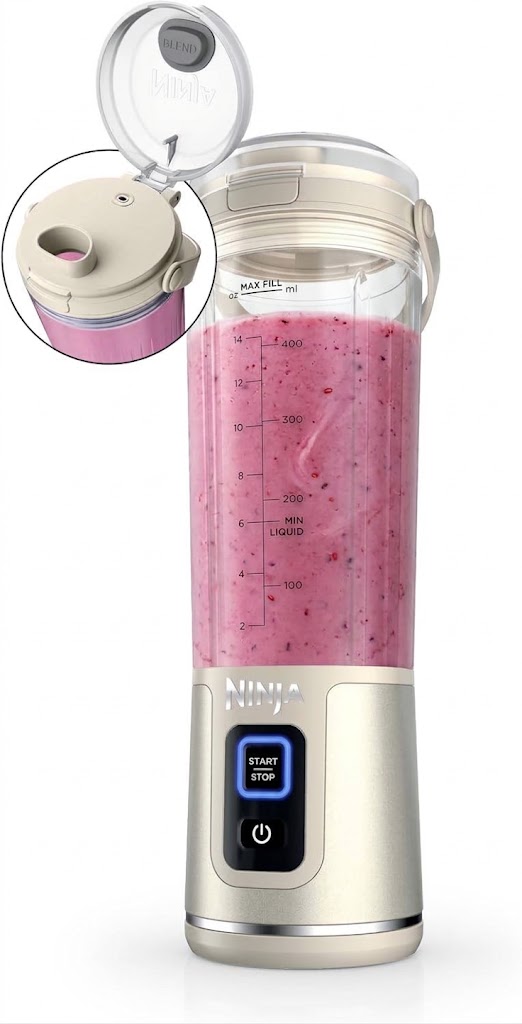
Ninja Blast Portable Blender, Cordless,18oz Vessel, Vanilla Bean
Check Price on AmazonWhy frozen fruit can still carry a food-safety risk
Freezing slows the growth of many microorganisms, but it does not reliably kill every pathogen. Some harmful organisms can survive at freezer temperatures and become active again as food thaws. That is why a frozen product can still be involved in a recall.
Fruit is often eaten without cooking. People add it straight to smoothies, yogurt, cereal, or desserts, so there may be no later cooking step to reduce germs. This makes it important to treat a recall seriously even when the fruit appears clean and has been stored frozen.
Washing recalled fruit is not a dependable fix. Rinsing may not remove contamination, and handling the fruit can spread liquid to the sink, hands, or nearby food. Cooking may reduce some hazards, but do not try to salvage recalled fruit by heating it unless the official notice specifically provides that instruction.
A common misconception is that a frozen bag is safe because it never thawed. Cold storage helps preserve food, but it does not cancel a recall or guarantee that a pathogen is gone. The product identification and official instructions—not the state of the fruit—determine what to do.
What different recall details tell you
Recall notices can use several kinds of identifying information. A notice may list a brand, product name, package size, lot code, best-by date, UPC, or stores where the product was sold. One detail alone may not identify every affected bag.

Framendino, 16 Pack Artificial Chicken Nuggets Fake Fried Food Models Props for Kitchen Decor
Check Price on Amazon| Notice detail | What it helps identify | Best next step |
|---|---|---|
| Brand and product name | The specific line or fruit blend under review | Match the wording on your package, not just the logo |
| Lot or production code | A particular production run | Compare every letter and number with the notice |
| Best-by date | A listed date range for affected stock | Check the full date and any additional code requirements |
| UPC or barcode | A particular retail product and package version | Compare the printed code or scan it if the notice permits |
| Retailer or distribution area | Where the product was sold or shipped | Use it as supporting information, not a substitute for code matching |
A store name alone does not prove that your bag is included. The same retailer may sell both affected and unaffected products, and distribution can vary by location. Use the store information alongside the product and lot details.
If you already ate fruit from a recalled bag
First, stop eating the product and check the recall notice for the specific hazard and advice. Eating a recalled item does not mean you will necessarily become ill, but it is sensible to take the notice seriously and keep the product details available.
Watch for symptoms described by public-health authorities, and contact a health professional if you feel unwell or have concerns. Seek prompt medical advice if you are pregnant, older, immunocompromised, or caring for someone at higher risk of severe foodborne illness. Tell the clinician what product you ate and when, if you know.
Do not wait for symptoms if the official notice gives a specific medical recommendation or directs consumers to contact a health provider. Follow that advice. This article cannot diagnose an illness or determine your personal risk.
If you served the fruit to other people, tell them about the recall and share the product details. This lets them check their own health and seek advice if needed. Keep a photograph or note of the brand, lot code, and purchase date if available.
How to handle frozen fruit safely in everyday use
Good handling habits reduce ordinary food-safety risks, though they do not make recalled food safe. Keep the freezer at 0°F (-18°C) or colder, and put fruit back promptly after measuring a portion. Follow the package directions, especially if they specify washing or cooking.
- Use clean hands and utensils when taking fruit from a bag.
- Do not leave thawed fruit at room temperature longer than necessary.
- Thaw fruit in the refrigerator when you need it thawed ahead of time.
- Clean blenders and food-contact surfaces after preparing fruit, especially if raw ingredients leaked.
- Keep the original bag or take a clear photo of its label until the fruit is used.
That last habit is easy to overlook. Keeping the label makes it much easier to compare a product with a recall notice later, particularly when several brands sell similar-looking frozen blends.
Common questions about frozen-fruit recalls
Does a recall mean all frozen fruit from that brand is unsafe?
Not necessarily. A notice may cover only certain products, sizes, dates, or lot codes. Read the complete notice and match the information to your package before deciding whether it is affected.
Can you eat the fruit if it looks and smells normal?
No. Food contaminated with harmful germs may look, smell, and taste ordinary. Do not use appearance or a small taste test to overrule a recall notice.
Can cooking make recalled frozen fruit safe?
Do not rely on cooking as a way to save recalled fruit. The recall notice may involve a hazard, handling concern, or specific instruction that cannot be judged at home. Follow the official directions and discard or return the product as instructed.
What if the package is open or the fruit is in a different container?
Use a photo, receipt, shopping record, or any saved label to identify the product. If you cannot confirm whether it matches an active recall, keep it separate and ask the manufacturer or retailer. When the product is confirmed as affected, follow the notice even if you already removed the original packaging.
Is a best-by date the same as a recall date?
No. A best-by date is generally used for quality guidance, while a recall identifies products with a safety concern or other issue. A date can help identify affected stock only when the recall notice lists it as part of the product match.
Should you throw away every frozen-fruit bag at home?
Not unless the notice or an official authority tells you to. Compare each product with the affected brands, descriptions, codes, and dates. A targeted check is more accurate than discarding unrelated food based on a broad headline.
Frozen fruit has been recalled before, but an alert usually applies to specific products and lots. Match the brand, product name, package details, and code against a current official notice rather than assuming every bag is affected.
Your practical next step is to check the label on any bag you are concerned about and search the relevant food-safety authority’s recall notices. If it matches, do not eat it; follow the notice’s disposal or return instructions and clean any surfaces it may have touched.
