is frozen fruit safe to eat: what to check
Yes, is frozen fruit safe to eat? Usually, if it was handled properly, kept frozen, and the package shows no signs of damage. Freezing slows the growth of many germs, but it does not reliably kill harmful bacteria or viruses.
That distinction matters most with berries, which have sometimes been linked to foodborne illness. Here’s how to check a package, thaw fruit safely, and decide when cooking is the better choice. You’ll also learn what to do after a freezer outage and how to handle frozen fruit for people at higher risk from foodborne illness.
is frozen fruit safe to eat? The short answer
In most cases, commercially packaged frozen fruit is safe to eat when the package is intact, the fruit has stayed frozen, and you follow the label. You can often eat it straight from the freezer, add it to a smoothie, or thaw it for a recipe. But freezing is not a way to sanitize food.
Low temperatures stop or slow the growth of many germs, yet some bacteria and viruses can survive frozen storage. Once fruit thaws, any surviving germs may become active again. That is why the way fruit was picked, processed, stored, and served matters as much as its frozen state.
For most healthy people, the risk from properly handled frozen fruit is low. A practical extra precaution is to heat frozen berries before serving them to people at greater risk of serious illness. Follow any cooking or heating directions on the package, especially if it includes a food safety notice.
Why frozen fruit can still carry germs
Fruit may become contaminated before it is frozen, during picking, washing, packing, or handling. Freezing preserves the fruit, but it does not reliably destroy pathogens—germs that can cause illness. Washing or freezing at home also cannot guarantee that contaminated fruit becomes safe.
Berries deserve particular care. They are often eaten without peeling or cooking, and their uneven surfaces can make thorough cleaning difficult. Frozen berries have been associated with outbreaks of viruses such as norovirus and hepatitis A. These incidents do not mean every bag is unsafe; they explain why careful handling and, in some situations, cooking are sensible.
Other frozen fruits can also be contaminated, although the concern is not limited to frozen food. Fresh produce can carry germs, too. A frozen label is not proof that fruit is sterile, and a clean-looking appearance or normal smell cannot rule out harmful contamination.
When to cook frozen fruit instead of eating it raw
Cooking is the more cautious choice if the fruit is being served to someone who faces a higher risk of severe foodborne illness. This can include pregnant people, older adults, young children, and people with weakened immune systems. Ask a healthcare professional for advice tailored to a medical condition or treatment.
Use the package’s heating directions when provided. If the label or a public health notice advises boiling berries, follow those directions rather than relying on a quick warm-up. Heating fruit until it is merely lukewarm may not provide the same protection as bringing it to a full boil for the time advised by the relevant food safety guidance.
Cooking can be simple: simmer berries into a sauce, cook them into oatmeal, or add them to a pie or baked dish. Let cooked fruit cool safely if you plan to serve it chilled. Heating lowers some food safety risks, but it does not make fruit safe if it has been recalled or badly mishandled.
If you are healthy and the package has no warning, raw fruit may be a reasonable choice. For someone at higher risk, choosing cooked fruit is a straightforward precaution. When a specific product is recalled, do not try to make it safe by cooking it; follow the recall instructions.
How to check a bag before using it
Take a moment to inspect the package and its storage history. A frozen block is not automatically unsafe; pieces can clump together without spoiling. Still, several warning signs deserve attention before the fruit goes into a bowl or blender.
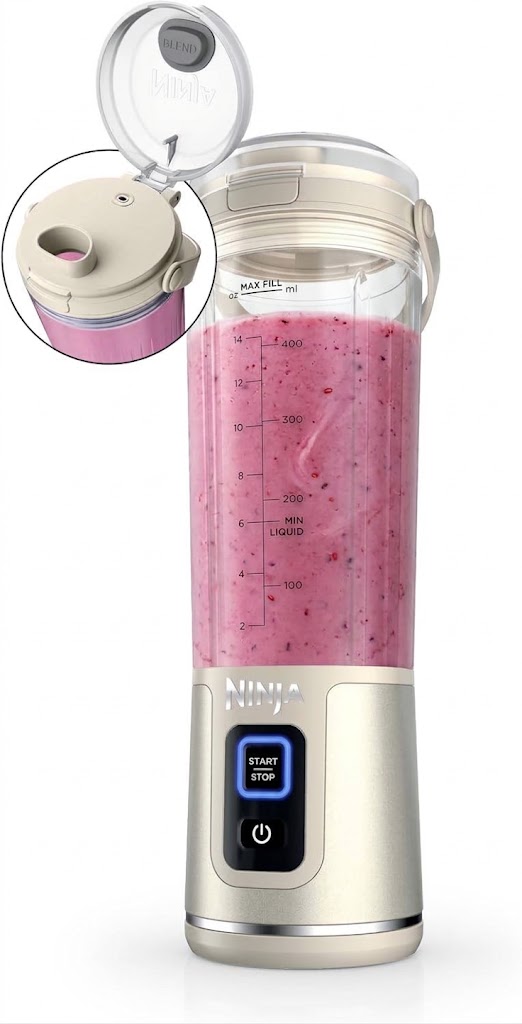
Ninja Blast Portable Blender, Cordless,18oz Vessel, Vanilla Bean
Check Price on Amazon- Look for a recall or safety notice. Check the product name, brand, lot information, and date against any notice that applies. If the item is recalled, do not eat it, even if it looks and smells normal.
- Check the seal and packaging. Avoid packages that are open, torn, leaking, or otherwise damaged in a way that could have exposed the fruit.
- Notice heavy ice or clumping. A layer of ice or a solid mass can suggest the fruit thawed and refroze, especially if the package is badly frosted. This is not proof of danger, but it can point to temperature changes and poor quality.
- Follow storage and use-by instructions. The printed date is not a substitute for safe storage. Keep the fruit frozen as directed and use opened packages according to the label.
- Discard fruit with obvious spoilage after thawing. Mold, an unusual fermented odor, or a slimy texture are reasons to throw it away. Do not taste suspicious fruit to check it.
Appearance and smell are useful for spotting spoilage, but they cannot identify every harmful germ. If the fruit may have been contaminated, was part of a recall, or was kept too warm for too long, do not depend on a quick inspection to clear it.
Thawing and serving methods compared
Choose a thawing method based on how soon you need the fruit and whether you will cook it. Keeping the fruit cold limits the time it spends at temperatures where germs can grow. Once thawed, serve it promptly or refrigerate it.
| Method | How to use it | Best for | Safety note |
|---|---|---|---|
| Use frozen | Add fruit directly to a smoothie, cooked dish, or recipe that can handle frozen pieces. | Fast meals and blended drinks | Follow package directions; blending does not kill germs. |
| Refrigerator | Place the fruit in a covered container in the refrigerator until thawed. | Planned use and fruit you want to keep cold | Use clean containers and avoid letting fruit sit out afterward. |
| Microwave | Use a microwave-safe dish and thaw in short intervals, stirring as needed. | Small amounts needed right away | Use promptly; microwave thawing can warm some spots more than others. |
| Cook from frozen | Add frozen fruit directly to a saucepan, baked dish, or other recipe and heat thoroughly. | Sauces, fillings, oatmeal, and cooked toppings | Follow the recipe and any package safety instructions. |
Avoid thawing fruit on the counter for a long stretch. If you need to thaw it quickly, use the microwave and then eat or cook it promptly. Do not leave thawed fruit at room temperature for more than two hours, or more than one hour when the temperature is above 90°F. These time limits apply to perishable foods left out of refrigeration.

Framendino, 16 Pack Artificial Chicken Nuggets Fake Fried Food Models Props for Kitchen Decor
Check Price on AmazonStep-by-step: handle frozen fruit safely
- Read the label. Check whether the fruit is ready to eat, whether cooking is recommended, and whether the package gives thawing or storage instructions.
- Wash your hands. Use soap and water before handling food, and clean the counter, utensils, and container that will touch the fruit.
- Take only what you need. Use a clean spoon or scoop. Avoid touching the fruit with hands that have handled raw meat, poultry, seafood, or unwashed produce.
- Keep the rest frozen. Close the bag securely or transfer it to a clean, freezer-safe container. Return it to the freezer promptly.
- Thaw in the refrigerator or microwave. If you thaw fruit in the refrigerator, keep it covered. If you use a microwave, serve or cook it soon afterward.
- Cook when the label or your situation calls for it. This is especially prudent for berries served to people at higher risk. Follow specific heating instructions rather than guessing.
- Refrigerate leftovers promptly. Put leftover thawed fruit in a covered container and return it to the refrigerator within the time limits for perishable food.
Keeping a clean scoop inside the package is not a good shortcut. It can introduce moisture and germs, and the scoop may not stay clean between uses. Taking fruit with a clean utensil and closing the bag each time is a safer habit.
What to do if the fruit thawed during a power outage
How long the fruit stayed warm is more important than whether it looks acceptable now. Keep the freezer door closed during an outage to help maintain cold temperatures. When power returns, check the fruit and, if available, use a food thermometer to assess its temperature rather than guessing from the outside of the package.
As a general guide, food that still contains ice crystals or is at 40°F or below can usually be refrozen or used. Its texture may suffer after refreezing, but that is mainly a quality issue. If it completely thawed and stayed above 40°F for more than two hours, discard it. If you do not know how long it was warm, choose safety and throw it away.
Do not taste fruit to decide whether it is safe. Harmful germs may not change its flavor, smell, or appearance. When a freezer failure affects many foods, assess each item based on its temperature, how long it was warm, and whether it is safe to keep.
Does washing frozen fruit make it safer?
Rinsing thawed fruit under clean running water may remove some surface dirt, but it does not reliably eliminate viruses or bacteria. It is not a substitute for cooking when cooking is advised. Washing can also make berries mushy and spread contamination through splashes or a dirty sink.
Check the label before washing. Commercially packaged fruit may already have been washed during processing, and a package may give specific instructions. If you do rinse fruit, use clean hands and a clean colander, avoid soap or household cleaners, and serve it promptly or refrigerate it.
Do not wash fruit while it is still frozen if the package does not call for it. Ice can make handling awkward, and washing does not change the fact that freezing cannot be relied on to kill pathogens. For a higher-risk person, heating the fruit as directed is a more useful precaution than rinsing it repeatedly.
Common mistakes that can raise the risk
- Assuming frozen means germ-free. Freezing slows growth but does not reliably kill every pathogen that may be present.
- Trusting smell alone. A normal odor does not prove that fruit is free from foodborne germs.
- Leaving thawed fruit out for hours. Keep it cold, and follow safe room-temperature time limits for perishable food.
- Using the same utensil for raw and ready-to-eat food. Clean utensils and hands help prevent cross-contamination.
- Blending and assuming the smoothie is safe. A blender breaks fruit into smaller pieces; it does not provide a pathogen-killing heat step.
- Ignoring a cooking notice. If the label or a recall notice gives specific advice, follow it instead of relying on general guidance.
- Refreezing after prolonged warming. Refreezing does not undo unsafe time at warm temperatures. Refreeze only when the fruit remained cold enough.
One common misconception is that cooking can rescue any questionable package. It cannot. If the fruit is recalled, moldy, or known to have been held warm too long, discard it rather than trying to fix the problem in a saucepan.
How long does frozen fruit stay safe?
Fruit kept continuously frozen at 0°F or below remains safe from bacterial growth for a long time, but its quality gradually declines. Flavor, color, and texture can change, and freezer burn can dry out exposed areas. The package date and manufacturer’s storage instructions are useful guides for quality and handling.
For best results, keep the freezer at 0°F (-18°C) or colder, store fruit in a closed package, and limit repeated thawing. Write the opening date on the bag if you often forget when it was opened. Use older packages first, but do not treat a date alone as proof that fruit is unsafe or safe.
After thawing, use the fruit promptly and keep leftovers refrigerated. How long it remains good depends on how it was handled, how cold the refrigerator is, and the package directions. Throw it away if it develops signs of spoilage or if you are unsure whether it was stored safely.
For most people, is frozen fruit safe to eat? Yes, when the package is intact and the fruit has stayed properly frozen. Remember that freezing does not reliably kill harmful germs, and clean appearance or normal smell cannot rule them out.
Check the label, keep thawed fruit cold, and cook berries when package directions advise it or when serving someone at higher risk. Before your next serving, take a quick look at the package and choose a safe thawing method.
