what frozen fruit is safe to eat: simple safety checks
Most commercially frozen fruit is safe to eat when it has stayed frozen, the package is intact, and you follow its label. But freezing does not reliably kill harmful germs, so some frozen fruit should be cooked before eating.
This guide explains how to judge a package, when to cook berries, how to thaw and refreeze fruit safely, and what to do if it has thawed unexpectedly. You’ll also find extra precautions for people at higher risk of foodborne illness, plus simple ways to protect quality and reduce waste.
What frozen fruit is safe to eat as it is?
Frozen fruit is generally safe to eat without cooking if it was handled properly, kept frozen, and sold for direct consumption. Check the label first: directions such as “cook before eating” or “not ready to eat” mean you should heat the fruit as directed. A bag that says “ready to eat” is intended to be eaten without cooking, but it is not a guarantee that the fruit is sterile.
Freezing slows or stops the growth of many microbes, but it does not reliably destroy viruses or bacteria that may already be present. This matters most with berries, which may be eaten raw after thawing or blended into cold foods. Smoothies, yogurt bowls, and overnight oats do not heat fruit enough to kill germs.
Choose a package that is sealed and undamaged, and check that the fruit is still frozen solid or has only a little surface frost. Avoid bags that are wet, leaking, open, or filled with a large block of fruit that may have thawed and refrozen. These signs do not prove the fruit is unsafe, but they can indicate temperature changes or poor handling.
Which frozen fruits may need cooking?
Any frozen fruit can carry germs if it was contaminated before freezing, but frozen berries are a common focus of food-safety advice because they are often eaten raw. Past outbreaks have been linked to frozen berries contaminated with viruses. This does not mean every bag is contaminated; it means that freezing alone is not a kill step.

Framendino, 16 Pack Artificial Chicken Nuggets Fake Fried Food Models Props for Kitchen Decor
Check Price on AmazonFollow the package directions and any current recall notices. If a product has been recalled, do not eat it, even if it looks and smells normal. Do not rely on rinsing frozen fruit to make a recalled product safe.
| Fruit or product | Usually suitable for | Safer approach | Best for |
|---|---|---|---|
| Packaged frozen berries labeled ready to eat | Eating thawed or using in cold dishes | Follow the label; consider cooking for people at higher risk | Smoothies, toppings, and baking |
| Frozen berries labeled cook before eating | Cooked recipes only | Heat exactly as the package instructs | Sauces, fillings, and compotes |
| Frozen fruit with no clear ready-to-eat directions | Use with caution | Cook it if you cannot confirm it is intended for raw use | Oatmeal, sauces, and baked dishes |
| Home-frozen fruit from clean, sound produce | Eating or cooking, depending on handling | Wash fresh fruit before freezing and keep it frozen | Portion-controlled snacks and recipes |
| Fruit that thawed warm or sat out too long | Not suitable if time and temperature are unsafe | Discard if it was above refrigerator temperature for over two hours | None; do not taste to test safety |
When cooking is the prudent choice
People who are pregnant, older adults, young children, and anyone with a weakened immune system can face a greater risk of serious illness from foodborne germs. For these groups, cooking frozen berries before serving is a practical precaution, especially when the package does not clearly say the fruit is ready to eat. If you are unsure, heat the fruit rather than relying on a rinse.
For a simple home method, put the berries in a saucepan and heat them until they bubble throughout. Keep them at a rolling boil for one minute, stirring so the heat reaches the whole batch, then cool them promptly if the recipe calls for chilled fruit. Follow a package’s specific cooking directions if they differ. Heating a portion in a microwave can work, but stir it well and check that it is hot throughout; cold spots can remain.
Cooking changes texture, so this approach is best for sauces, oatmeal, cooked desserts, or fruit mixed into a dish that will be heated. If you need fruit for a cold topping, cook it in advance and refrigerate it in a clean, covered container.
How to handle frozen fruit safely
- Check the package. Read cooking and storage directions, inspect the seal, and look for recall information if there is a current concern. Do not use a package that is damaged or has an unusual odor after opening.
- Keep it cold on the way home. Pick up frozen fruit near the end of your shopping trip and take it home promptly. If the fruit softens during a longer trip, put it in the freezer or refrigerator as soon as you arrive and assess how long it was warm.
- Store it at 0°F (-18°C) or colder. Keep the bag closed or move the fruit to a clean, airtight freezer container. Mark the date if helpful; long freezer storage usually affects flavor and texture before it creates a safety problem, as long as the fruit stays frozen.
- Thaw only what you need. Thaw fruit in the refrigerator, in a microwave when using it right away, or as part of a recipe that will be cooked. Avoid leaving a bowl on the counter for hours.
- Use clean hands and utensils. Scoop fruit with a clean spoon and close the package promptly. Keep it away from raw meat, poultry, seafood, and their juices to prevent cross-contamination.
- Refrigerate leftovers promptly. Put thawed fruit or a prepared fruit dish in the refrigerator within two hours, or within one hour when the surrounding temperature is above 90°F (32°C). Discard food left out longer than these limits.
Thawing in the refrigerator is the easiest way to control temperature. Frozen fruit can also be added directly to many cooked recipes. For smoothies, follow the product directions; blending frozen fruit does not replace cooking when cooking is advised.
Can you refreeze thawed frozen fruit?
Fruit thawed in the refrigerator can generally be refrozen if it has remained cold and has not been left out too long. The texture may become softer and release more juice after a second freeze, so refreezing is often better for cooked recipes than for a neat fruit topping. You can also cook thawed fruit into a sauce and freeze the cooled sauce in portions.
Do not refreeze fruit that has been sitting at room temperature beyond the safe time limit, or fruit whose handling history you cannot judge. If the fruit still contains ice crystals or is refrigerator-cold after a power outage, it may be safe to refreeze, though its quality may suffer. When in doubt about how warm it became or how long it stayed warm, throw it away rather than tasting it.
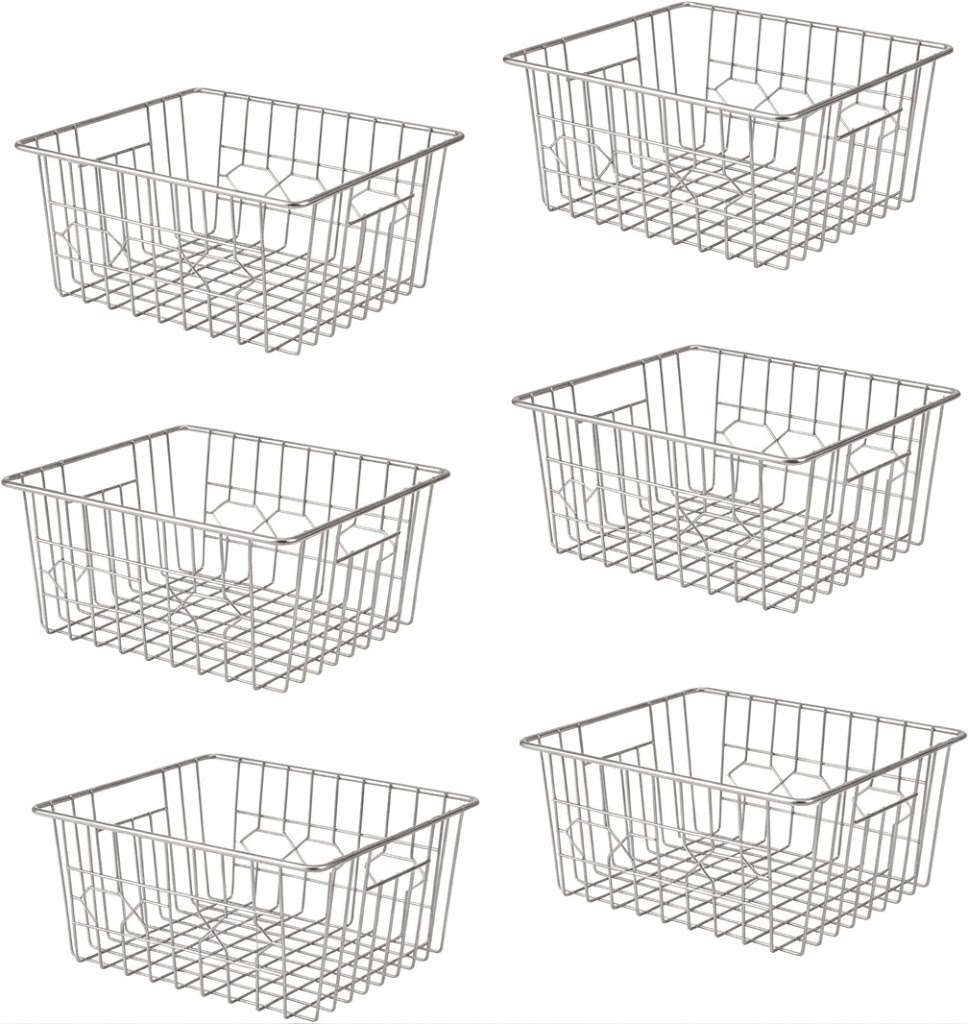
Upright Freezer Organizer Bins, Freezer Baskets for 14, 15 cu.ft Standup Freezer, Wire Storage Baskets with Built-in Handles for Frozen Foods,
Check Price on AmazonDoes freezer burn mean frozen fruit is unsafe?
Usually, no. Freezer burn happens when air dries out exposed areas of frozen food. It can create pale, tough, or leathery patches and weaken flavor, but it is mainly a quality problem when the fruit has stayed continuously frozen. You can trim or blend affected pieces, or use them in a cooked recipe.
Freezer burn is different from evidence of thawing and refreezing. Large ice clumps, fruit frozen into a solid mass, or juice frozen around the inside of the bag can suggest temperature swings. Those clues are not proof of contamination, but they deserve attention. Consider how the fruit was stored and whether it remained cold before deciding to use it.
Also, do not use smell or appearance as the only safety test. Some harmful germs do not change a food’s smell, flavor, or appearance. A sour or fermented odor, visible mold, a leaking package, or an unusual slimy texture is a reason to discard the fruit, but normal-looking fruit is not automatically safe if its temperature history is poor.
How to freeze fresh fruit safely at home
Good home freezing starts before the fruit goes into the freezer. Choose fresh, sound fruit and remove pieces that are moldy, badly bruised, or decaying. Rinse the fruit under clean running water before cutting or freezing it; do not use soap, detergent, or household cleaners. Dry it well so excess water does not form ice crystals.
- Prepare the fruit. Remove stems, pits, or inedible parts. Cut larger fruit into pieces that will be easy to use later.
- Pre-freeze pieces separately. Spread small pieces in a single layer on a clean tray and freeze until firm. This helps keep them from clumping together in the storage bag.
- Pack and label. Transfer the fruit to freezer-safe bags or containers, remove excess air, seal tightly, and label with the fruit and date.
- Freeze promptly. Place the package in the coldest part of the freezer and avoid repeatedly warming it while searching for food.
Washing fresh fruit before freezing reduces surface dirt, but it does not sterilize produce or guarantee that it is free of pathogens. Keep raw fruit separate from foods that could contaminate it, and cook it when the product directions or the needs of the person eating it call for that extra step.
Common frozen fruit safety mistakes
- Assuming frozen means germ-free. Freezing preserves food; it does not reliably kill every harmful germ. Treat ready-to-eat labeling and cooking instructions as important information.
- Blending berries as a substitute for heating. A smoothie stays uncooked unless its ingredients are heated. Choose cooked fruit when added protection is needed.
- Rinsing a product to fix a recall or unsafe handling. Rinsing is not a dependable way to remove viruses from fruit. Discard recalled items and fruit with an unsafe temperature history.
- Leaving a bag open in the freezer. Air exposure causes drying and flavor loss. Close the package tightly or transfer the fruit to a suitable container.
- Judging safety by taste. Never taste fruit to decide whether it is safe. Temperature history, package directions, and recall information matter more than flavor.
- Assuming all frozen fruit is prepared the same way. Products and processing instructions vary. The label is the first place to check, especially for mixed fruit or imported berries.
What to do if frozen fruit has thawed
If the fruit is still refrigerator-cold, it can usually be used or refrozen, although the texture may be softer. If it has been above refrigerator temperature for more than two hours, discard it; use a one-hour limit when the surrounding temperature is above 90°F (32°C). Do not use these limits as a reason to keep fruit that smells spoiled, shows mold, or came from a recalled package.
During a power outage, keep the freezer door closed as much as possible. A full freezer holds its cold longer than a partly filled one, but the actual temperature depends on the appliance, room conditions, and how often the door opens. If the fruit still has ice crystals or is at 40°F (4°C) or colder, it can generally be refrozen or cooked. If you cannot establish that it stayed cold, discard it.
The most useful habit is to separate quality clues from safety clues. Dry, pale patches often point to freezer burn and reduced quality. Warm storage, a recalled product, a damaged seal, or a package labeled “cook before eating” calls for a safety decision, not merely a quality fix.
Most properly stored frozen fruit is safe when you follow its label, but freezing does not reliably kill harmful germs. Cook berries when the package says to, or when extra protection is sensible for someone at higher risk.
Next, check the package directions and your freezer’s temperature. Thaw only the portion you need in the refrigerator, and discard fruit with an unsafe temperature history rather than tasting it.
Those simple checks help answer what frozen fruit is safe to eat and make it easier to choose between serving it cold and cooking it first.
