can frozen fruit go bad in the freezer? Signs to check
Yes, can frozen fruit go bad in the freezer? It can lose quality over time, and it may become unsafe if it thaws, warms up, or gets contaminated. Fruit kept continuously frozen at 0°F (-18°C) or below stays safe for a very long time, but its flavor and texture can decline.
This guide explains how to tell whether frozen fruit is still good, how long to keep it for best quality, and what to do after a power outage or accidental thaw. You’ll also learn how to store opened bags, spot freezer burn, and thaw fruit safely. A change in appearance alone does not always mean the fruit is unsafe, so the details matter.
Can frozen fruit go bad in the freezer?
Frozen fruit can lose quality, but fruit held continuously at 0°F (-18°C) or below remains safe indefinitely. Freezing stops most microbes from growing, but it does not sterilize food or reverse spoilage that began before freezing. If fruit warms enough to thaw, bacteria or other microbes may become active again.

Framendino, 16 Pack Artificial Chicken Nuggets Fake Fried Food Models Props for Kitchen Decor
Check Price on AmazonIn everyday terms, frozen fruit is more likely to become unpleasant before it becomes unsafe. It may taste bland, develop a dry or leathery surface, or turn mushy after thawing. These changes are usually quality problems, not proof that the fruit has become dangerous.
Safety depends mainly on the fruit’s handling and temperature history. A sealed bag stored steadily in a cold freezer is different from fruit left on a warm counter, thawed in a car, or repeatedly warmed and refrozen.
How to tell if frozen fruit is still good
Check the fruit while it is frozen, then assess it again after thawing if its condition is unclear. A single sign, such as ice crystals, does not automatically mean you need to throw the fruit away. Consider the packaging, the freezer temperature, and whether the fruit stayed cold.
Signs that usually point to a quality problem
- Freezer burn: Dry, pale, or leathery patches form when the surface loses moisture through exposure to air. The affected pieces may taste stale, but freezer burn alone does not make properly frozen fruit unsafe.
- Large ice crystals or clumps: These can form when moisture escapes or the fruit partly thaws and refreezes. The fruit may be softer and less appealing, though this does not establish that it is unsafe.
- Faded color or weak flavor: Light, air, and long storage can reduce a fruit’s color and flavor. Use it in smoothies, sauces, or baking if it otherwise looks and smells normal.
- Mushy texture after thawing: Ice crystals damage the fruit’s cells, so some softness is expected. This is common with berries and other juicy fruit and does not by itself mean spoilage.
Signs that call for discarding the fruit
Discard thawed fruit if you see mold, notice a distinctly fermented or rotten odor, or find an unusual slimy texture. Also discard it if the package leaked or was contaminated, or if you know the fruit sat at room temperature for more than two hours. That limit is one hour when the surrounding temperature is above 90°F (32°C).
Do not taste fruit to decide whether it is safe. Smell and appearance can help identify obvious spoilage, but they cannot confirm that food is free of harmful microbes. If you cannot tell how long the fruit was warm, or you have reason to suspect contamination, the safer choice is to discard it.
How long frozen fruit keeps its best quality
There is no single quality deadline for every fruit. Storage time depends on the fruit, how ripe it was when frozen, how much air reaches it, and how steady the freezer temperature stays. Package guidance can help, but a date on a package is generally about expected quality rather than a sudden safety cutoff.
For a practical household rule, use opened or home-frozen fruit within about 8 to 12 months for the best flavor and texture. Some fruit may stay pleasant longer, while delicate fruit can lose quality sooner. Treat that window as a quality target, not a guarantee that fruit becomes unsafe after a certain number of months.
Check the package for a manufacturer’s storage instructions and use the earliest date when you want to rotate several bags. If the package has no useful date, label it with the date you opened or froze it. Dating helps you use older fruit first and avoid keeping forgotten bags indefinitely.
| Fruit or storage situation | What to expect | Best use or action |
|---|---|---|
| Whole berries | May soften or clump, especially after thawing | Use in smoothies, sauces, oatmeal, or baking |
| Sliced peaches or mango | Can lose firmness and develop a softer texture | Use in cooked dishes, smoothies, or blended desserts |
| Opened bag stored with air inside | More likely to develop dry spots and stale flavors | Press out air, seal well, and use sooner |
| Fruit frozen steadily at 0°F (-18°C) or below | Remains safe while continuously frozen; quality may decline | Check its condition and use older packages first |
| Fruit that thawed and stayed warm | May be unsafe, depending on time and temperature | Discard if it exceeded safe time limits or its history is uncertain |
Why frozen fruit changes over time
Freezing slows the activity of microbes and enzymes, but it does not stop every quality change. Enzymes are natural substances in fruit that can affect color, flavor, and texture. They work much more slowly at freezer temperatures, but changes can continue gradually, especially if storage is long or temperatures fluctuate.
Ice crystals also affect texture. Water inside fruit freezes and expands, damaging some of the fruit’s delicate cells. When the fruit thaws, those cells cannot hold moisture as well, which is why thawed berries can be soft or release juice.
Air exposure causes another common problem. Water can move from the fruit into the surrounding freezer air, leaving dry areas known as freezer burn. Air and light can also dull flavor or color over time. A tight seal and steady temperature reduce these effects.
Temperature changes matter because food near the freezer door can warm slightly each time it opens. Repeated partial thawing and refreezing can create larger ice crystals and more damage. Keep fruit toward the back of the freezer, where temperatures are usually steadier, rather than in the door.
How to store frozen fruit so it lasts longer
- Keep the freezer at 0°F (-18°C) or colder. Use a freezer thermometer if you are unsure. A steady temperature protects quality and helps keep frozen food safely frozen.
- Seal opened packages tightly. Press excess air out of the bag before closing it. If the original bag will not reseal securely, move the fruit to a freezer-safe airtight container or a heavy freezer bag.
- Keep fruit away from warm air. Store it toward the back of the freezer instead of in the door or near the front edge. Close the freezer promptly after taking out what you need.
- Freeze portions you can use at once. Divide a large package into smaller airtight portions. This limits repeated opening and prevents you from thawing more fruit than you need.
- Label the package. Write the date opened or frozen on the bag. This simple step makes it easier to rotate older fruit and judge quality.
- Keep the fruit separate from raw foods that could leak. Store sealed packages so raw meat or seafood juices cannot drip onto them. This is especially important if fruit will be eaten without cooking.
For home-frozen fruit, start with sound, ripe fruit and remove damaged or spoiled pieces. Wash fresh fruit under running water before preparing it, then dry it well. Extra surface moisture can freeze into a thick layer of ice, which makes pieces stick together.
For berries or sliced fruit, freezing the pieces in a single layer on a tray before packing can help keep them separate. Once firm, transfer them to an airtight freezer bag or container. This method is useful when you want to take out a small handful without thawing the entire batch.
How to thaw frozen fruit safely
The simplest method is to thaw the amount you need in the refrigerator. Put it in a covered container to catch juice and keep it separate from foods that could contaminate it. Thawing in the refrigerator takes longer than leaving fruit on the counter, but it keeps the fruit cold during the process.
If you are blending the fruit into a smoothie or cooking it in a sauce, you can often use it straight from the freezer. Follow the recipe’s instructions, since frozen fruit can change cooking time and add liquid. Using it frozen also avoids leaving it out to thaw unnecessarily.
You can thaw a small portion in the microwave if you plan to use it right away. Use a microwave-safe dish and stop when the fruit is thawed enough for your purpose. Microwave heating may be uneven, so do not treat it as a way to store fruit for later.
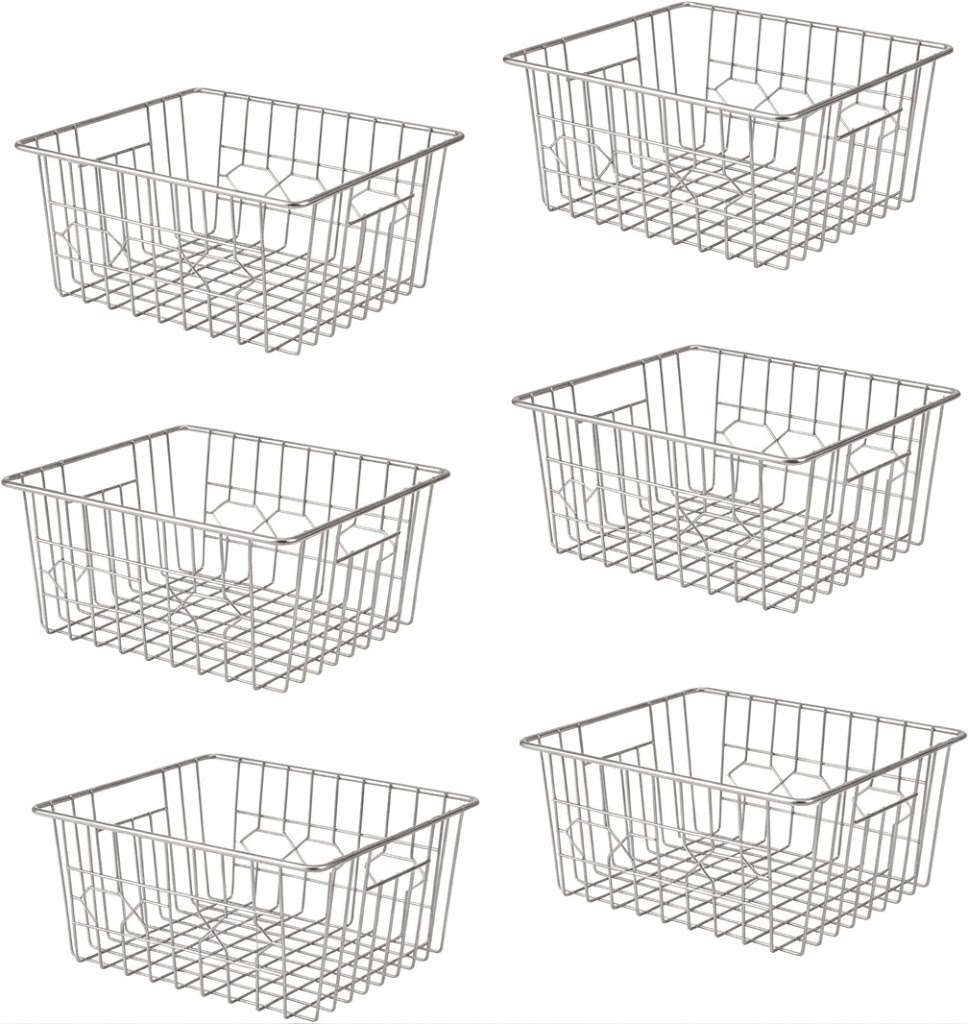
Upright Freezer Organizer Bins, Freezer Baskets for 14, 15 cu.ft Standup Freezer, Wire Storage Baskets with Built-in Handles for Frozen Foods,
Check Price on AmazonOnce thawed, keep fruit refrigerated if you are not using it immediately. For ordinary household use, follow the two-hour room-temperature limit; reduce that to one hour when the room or outdoor temperature is above 90°F (32°C). Do not leave a bowl of thawed fruit out for a long meal or event without keeping it cold.
What to do if frozen fruit thaws during a power outage
Keep the freezer door closed as much as possible. A full freezer can generally keep food cold for about 48 hours if unopened; a half-full freezer can generally do so for about 24 hours. These are estimates, and the actual time depends on the freezer, room temperature, and how often the door opens.
When power returns, check the fruit rather than assuming all of it needs to be discarded. Fruit that still contains ice crystals or is at 40°F (4°C) or colder can generally be refrozen, though its quality may suffer. If it is warmer than that and you do not know how long it has been above 40°F, discard it.
Do not rely on the freezer’s display alone if the outage was long. A separate thermometer can help you judge the temperature. If you know the fruit thawed and remained above 40°F for more than two hours, discard it; when the time or temperature history is uncertain, take the cautious approach.
Fruit that has safely thawed in the refrigerator may be refrozen, but it can become softer and release more liquid later. Use it in cooked recipes or smoothies if the texture is no longer suitable for eating as thawed pieces. Refreezing does not restore lost quality.
Common mistakes that lead to wasted fruit
Assuming freezer burn means the fruit is dangerous
Freezer burn is mainly a quality issue. If the fruit stayed frozen and there are no signs of spoilage or contamination, you can cut away especially dry pieces or use the fruit in a recipe where texture matters less. Discard it if it also has signs of spoilage or an unsafe thaw history.
Assuming freezing kills every harmful germ
Freezing does not reliably kill all bacteria, viruses, or parasites. It pauses or slows their growth while food is frozen. Once thawed, the fruit still needs careful handling, especially if it will be served to someone at higher risk from foodborne illness.
Leaving the bag open between servings
An unsealed bag lets moisture escape and air enter. That can cause dry spots, frost, stale flavors, and clumping. Close the package firmly after each use, or transfer the fruit to a container that seals well.
Judging safety by the printed date alone
A date does not tell you whether fruit was kept cold throughout storage. A properly frozen bag may remain safe after its quality date, while fruit with a recent date may still be unsafe if it thawed and sat warm. Temperature history and handling matter more than the date by itself.
Thawing the whole bag when only a little is needed
Repeatedly thawing and refreezing the same large package can damage texture and make handling less predictable. Divide fruit into portions before freezing or scoop out only what you need while the rest stays frozen. This small change reduces waste and helps the remaining fruit retain quality.
When to be extra careful with frozen berries
Berries are often eaten without cooking, so careful handling matters. Buy packages that are intact and still frozen, keep them cold on the way home, and return them to the freezer promptly. Follow the package directions after opening, and do not eat berries with mold, a fermented odor, or signs of contamination.
People who are pregnant, older adults, young children, and people with weakened immune systems face a greater risk of serious illness from some foodborne germs. For these groups, serving fruit cooked in a sauce or baked dish can be a prudent option when there is a food safety concern. Cooking is not a way to rescue fruit that has spoiled or spent too long at unsafe temperatures.
If a food safety alert or recall applies to a particular product, follow the instructions in that notice. Do not rely on appearance or smell to rule out a recalled product. A recalled package should be handled according to the relevant public health or manufacturer guidance.
Can you use frozen fruit that looks frosty or has clumps?
Often, yes. A light frost or a few clumped pieces can result from moisture inside the package and is not automatically a safety problem. If the fruit remained frozen, has no signs of spoilage, and the package is intact, it may still be suitable to use.
Break apart the pieces if possible and check for widespread dry patches, unusual odors after thawing, or evidence that the package leaked. If the fruit simply looks less appealing, use it in a smoothie, compote, oatmeal, or baked recipe. If its thawing history is questionable, appearance is not enough to establish safety.
Yes, can frozen fruit go bad in the freezer? It can lose flavor and texture, while fruit kept continuously at 0°F (-18°C) or colder remains safe for a very long time. Freezer burn and softness usually affect quality, but spoilage, contamination, or a prolonged warm thaw are reasons to discard it.
Keep packages sealed, label them, and store them toward the back of a steady freezer. Check your freezer temperature and use older fruit first; if a package thawed and you cannot confirm it stayed cold, choose safety over saving it.
