how to eat frozen fruit: Easy ideas and safety tips
To eat frozen fruit, enjoy it straight from the freezer, let it soften briefly, or thaw it in the refrigerator, depending on the fruit and how you plan to serve it. Frozen berries and mango work well in smoothies, while slightly thawed fruit is easier to eat by itself.
The best method depends on texture, convenience, and the recipe. This guide explains how to thaw fruit safely, what to expect from its texture, and how to use it in breakfasts, snacks, desserts, and cooked dishes. You’ll also find simple tips for handling portions and avoiding soggy results.
How to eat frozen fruit: choose a method that fits the fruit
You can eat frozen fruit without thawing it first, but the experience varies by type. Small pieces, such as blueberries or raspberries, are easy to add to other foods while frozen. Larger, firm pieces can be very hard, so give them time to soften before eating them plain.
Use frozen fruit straight from the freezer when you want it to chill or thicken a dish. For a softer, juicier texture, thaw it in the refrigerator or let a small portion sit briefly at room temperature. The fruit may release liquid as it warms, so serve it in a bowl or over something that can catch the juices.
For the simplest choice, match the method to the dish:
- Smoothies: Add fruit frozen for a thick, cold blend.
- Cereal or oatmeal: Stir in frozen pieces while the cereal or oatmeal is warm, or thaw the fruit first.
- A snack on its own: Let larger pieces soften until they are comfortable to bite.
- Baking and sauces: Follow the recipe’s directions; frozen fruit often can go in without thawing.
There is no single rule that says frozen fruit must be thawed. In many dishes, using it directly from the freezer saves time and helps keep the food cold. For plain eating, a short rest usually makes the texture more pleasant.
Should you thaw frozen fruit before eating it?
Not always. You can eat small frozen fruit pieces as they are, blend them frozen, or cook them from frozen. Thawing is mainly useful when you want fruit that is soft enough to eat with a spoon or when a recipe calls for drained, softened fruit.
Frozen fruit can be quite firm, especially when pieces are large or packed tightly together. Letting it soften reduces that hardness, but it will not necessarily return the fruit to the texture of fresh fruit. Freezing forms ice inside the fruit, which can damage its structure. After thawing, the fruit may be softer and release more juice.
Use one of these approaches:
| Method | How to use it | Texture and best for |
|---|---|---|
| Eat frozen | Take out a portion and add it directly to a dish. | Firm and cold; best for smoothies, blended bowls, or quick chilling. |
| Briefly soften | Let a small serving sit out until it is easier to bite. | Still cool, with some firmness; best for a quick snack. |
| Refrigerator thaw | Place a covered portion in the refrigerator until softened. | Juicy and soft; best for toppings and spoonable snacks. |
| Microwave thaw | Use a microwave-safe dish and short intervals, checking often. | Can warm unevenly; best when you need fruit quickly for cooking or a topping. |
| Cook from frozen | Add fruit to a saucepan or recipe as directed. | Softens during cooking; best for compote, sauces, and many baked dishes. |
For a serving you plan to eat plain, thaw only as much as you need. Once thawed, fruit is usually less appealing to refreeze because another freeze-and-thaw cycle can make it even softer. For a smoothie or cooked dish, there is often no reason to thaw it first.
Safe ways to thaw frozen fruit
The refrigerator is a reliable option when you want fruit to thaw gradually. Put the amount you need in a clean, covered container and leave it in the refrigerator until it reaches the texture you want. The time varies with the fruit, portion size, and how tightly it is packed, so check rather than relying on a fixed time.
If you need fruit sooner, use the microwave carefully. Place a small amount in a microwave-safe bowl and heat it briefly on a low or defrost setting. Stir or rearrange the pieces between intervals. Stop as soon as they are soft enough; heating too long can make the edges hot while the center remains icy, or turn the fruit into a warm, mushy topping.
For a small snack, you can also let a portion soften at room temperature. Keep it in a clean dish and avoid leaving it out longer than needed. Put leftovers back in the refrigerator promptly, especially if the room is warm. Don’t thaw fruit on a countertop for an extended period just because it is sealed in a bag.
Keep these practical points in mind:
- Use clean hands and utensils when portioning and serving.
- Thaw fruit in a covered container to protect it from spills and contact with other foods.
- Follow any handling or thawing instructions printed on the package.
- Discard fruit that has an unusual odor, appearance, or signs of spoilage.
- Avoid repeatedly thawing and refreezing the same portion; portion it before thawing instead.
Frozen fruit is not automatically ready to eat simply because it is frozen. Some fruit is sold for cooking, and handling instructions can vary by product. Read the package, especially if the fruit is being served to someone who may be more vulnerable to foodborne illness.
What frozen fruit tastes and feels like after thawing
Freezing preserves fruit, but it can change its texture. As fruit freezes, water inside its cells forms ice crystals. When the fruit thaws, some of those cells lose their firm structure, so the pieces may feel softer than fresh fruit and release liquid into the bowl.
The amount of change depends on the fruit and how it was processed. Berries often become tender and juicy. Mango can be soft and pleasant after thawing, while pieces of melon or stone fruit may lose some of their fresh-cut firmness. Fruit packed as a loose mix can also thaw at different rates because the pieces vary in size.
That softer texture is not necessarily a sign that anything is wrong. It is a normal result of freezing and thawing. Use fruit where tenderness is welcome, such as in yogurt, oatmeal, sauces, fillings, or baked goods. If you want crisp, firm fruit for a fruit platter, fresh fruit is usually a better choice.
Frozen fruit can taste less sweet or more tart than you expect when it is very cold. Cold temperatures can dull some flavor sensations, and the fruit’s natural sweetness varies by variety and ripeness. Letting it soften slightly may make its flavor easier to notice. Taste it before adding sweetener, particularly if you are mixing it into a recipe.
Thawed fruit also gives off juice. You can stir that liquid into yogurt or oatmeal, blend it into a drink, or simmer it with the fruit to make a sauce. If you need a drier filling, drain the thawed fruit and account for the extra moisture in the recipe. This step matters for pastries and other dishes where excess liquid can soften the crust or affect the result.
Easy ways to use frozen fruit at meals
Frozen fruit is convenient because you can use a small portion without preparing a whole fresh fruit. It fits into meals and snacks straight from the freezer or after thawing. Choose uses that suit its texture, and take advantage of the juice rather than letting it go to waste.
Breakfasts and snacks
Stir frozen berries into hot oatmeal and let them soften in the bowl. For cold cereal or yogurt, thaw the fruit first if you prefer it tender. If you add it frozen, expect it to chill the surrounding food and release juice as it warms.
Blend frozen fruit with yogurt, milk, or another liquid for a smoothie. Start with a small amount of liquid and add more until the blender moves the mixture smoothly. If the fruit is in large chunks, break up any clumped pieces before blending so the blades can process them evenly.
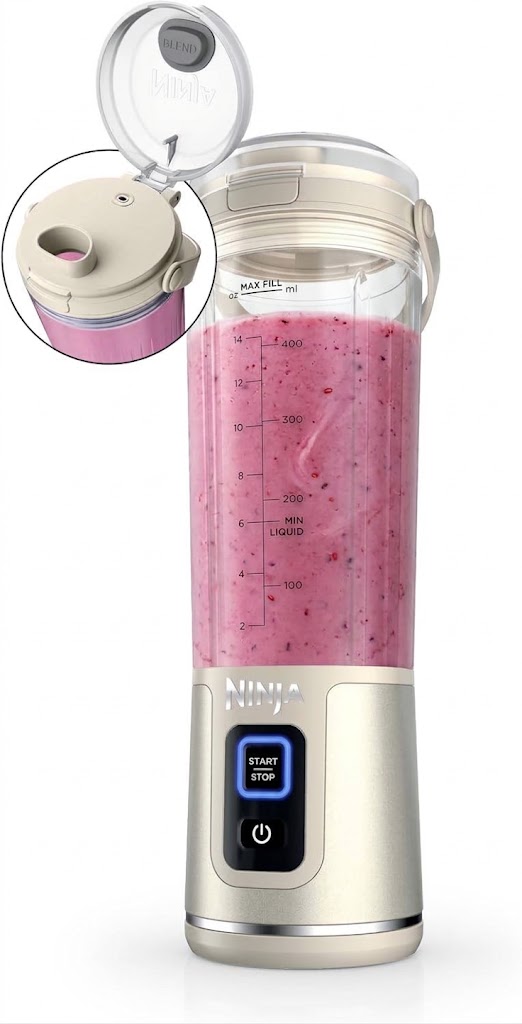
Ninja Blast Portable Blender, Cordless,18oz Vessel, Vanilla Bean
Check Price on AmazonYou can also use thawed fruit on toast, pancakes, or waffles. Spoon it on with a little of its juice, or simmer it briefly for a thicker topping. For a quick snack, place a few pieces in a small dish and let them soften until they are easy to eat.
Desserts and drinks
Add frozen fruit to a blender with a little liquid for a cold, spoonable blend. For a simple fruit sauce, warm berries or chopped fruit in a saucepan until they soften and release juice. Stir as needed, then serve the sauce warm or chilled over a dessert, yogurt, or oatmeal.

Framendino, 16 Pack Artificial Chicken Nuggets Fake Fried Food Models Props for Kitchen Decor
Check Price on AmazonFrozen fruit can also add flavor to chilled drinks. Add small pieces to a glass as edible ice, or thaw fruit and mix its juices into sparkling water. For drinks where seeds or pulp are unwanted, strain the mixture after blending. A little fruit can flavor a drink without requiring added syrup.
Cooking and baking
Many recipes allow frozen fruit to go straight into a cooked dish. This is useful for muffins, crisps, cobblers, and sauces, but follow the recipe’s specific directions. Frozen fruit may add more moisture and lower the temperature of the mixture, which can affect cooking time or texture.
If a recipe asks you to thaw and drain the fruit, do that step rather than substituting frozen pieces without adjustment. The recipe may depend on a certain amount of liquid. If it does not specify, check the dish as it cooks and allow extra time if needed, without assuming that every recipe requires the same adjustment.
How to keep frozen fruit from making food watery
Juice is one of the most common surprises when frozen fruit thaws. If you mix thawed fruit into a dish, that liquid can thin yogurt, water down a filling, or make a baked base soggy. The solution is not always to drain it; the right choice depends on what you are preparing.
For yogurt, oatmeal, smoothies, and sauces, the juice is usually useful. Stir it in or blend it with the fruit to spread the flavor. For a crisp topping, pastry, or other dish where excess moisture can cause problems, thaw the fruit in a strainer over a bowl. Let it drain, then use or discard the collected liquid according to the recipe.
When adding fruit to baking, use the recipe’s instructions as your guide. If the directions call for frozen fruit, adding it frozen is often the intended method. If they call for thawed fruit, drain it when directed. Avoid pressing the fruit hard unless the recipe asks you to, since that can crush it and remove more juice than intended.
For a quick topping with a thicker consistency, cook the fruit gently in a small saucepan until some liquid evaporates. Stir often to prevent sticking, and take it off the heat when it reaches the texture you like. The fruit will soften further as it cooks, so start checking before it looks completely thickened.
A useful portioning habit helps, too: thaw fruit in the amount you plan to use. That reduces leftovers and avoids draining a large batch when you only need a spoonful. If a frozen bag is clumped together, loosen the pieces while frozen and return the unused portion to the freezer promptly.
Common mistakes to avoid with frozen fruit
Expecting thawed fruit to stay firm can lead to disappointment. Freezing changes the fruit’s structure, so thawed pieces are often softer and juicier. Choose fresh fruit when firmness is central to the dish, and use frozen fruit in recipes that benefit from a tender texture.
Heating it for too long is another easy mistake. A microwave can quickly turn a portion from icy to hot and broken down. Use short intervals and check frequently. If the goal is a cold snack, stop once the fruit is just soft enough to bite.
Adding a large frozen clump to a recipe can cause uneven results. Pieces may stick together and thaw at different speeds. Separate the fruit before measuring or adding it, and distribute it through the dish as the recipe directs.
Discarding all the thawing liquid can waste flavor. The juice is often useful in smoothies, sauces, or breakfast bowls. Drain it only when extra moisture would harm the dish, and consider saving it for another use when appropriate.
Sweetening before tasting can make a dish too sweet. Fruit varieties differ, and frozen fruit can taste more tart when cold. Let it soften or warm slightly, then taste before adding sugar, honey, or another sweetener.
One point that often gets overlooked is that thawed fruit may look less attractive without being spoiled. Softness and juice are normal texture changes after freezing. Judge it by the package instructions and signs of spoilage, not by expecting it to look exactly like freshly cut fruit.
Choosing and portioning fruit for your needs
Buy fruit that suits the way you expect to use it. A bag of small berries is easy to portion into oatmeal or blend into smoothies. Larger pieces, such as mango chunks, can work well in bowls and cooked dishes, but may need more time to soften when eaten plain.
Check that the package is intact and the fruit is frozen when you buy it. If pieces are stuck in a solid mass, they may have softened and refrozen at some point, though clumping alone does not prove a safety problem. Choose a package with pieces that look appropriate for your recipe, and place it in the freezer soon after shopping.
At home, keep frozen fruit sealed in its original package or transfer it to a suitable freezer container if the package will not close securely. Marking the container with the fruit type can help you find it quickly. Use clean, dry utensils to take portions, then return the remaining fruit to the freezer without unnecessary delay.
For convenient servings, divide a large bag into smaller portions while the fruit is still frozen. Store each portion in a freezer-safe container or bag, removing excess air where practical. This makes it easier to thaw only what you need and reduces repeated handling of the entire package.
Frozen fruit is a flexible ingredient, not a direct texture replacement for fresh fruit in every dish. Think about the end result: use it frozen for blending and cooking, soften it for casual snacking, and choose fresh fruit when you need a crisp bite. That simple choice makes the fruit easier to enjoy and helps your recipe turn out as intended.
The easiest way to eat frozen fruit depends on how you want it to feel. Use it frozen for smoothies and cooking, or soften it first for a juicier snack or topping. Some softness and released juice after thawing are normal.
For your next serving, take out only the amount you need and choose the method that suits the dish. Check the package directions, and save the thawing juice when it can add flavor to a smoothie, sauce, or breakfast bowl.
With a little planning, how to eat frozen fruit becomes a simple choice: blend it, soften it, or cook it to match your meal.