how to make a smoothie with frozen fruit: Easy tips
To make a smoothie with frozen fruit, blend frozen fruit with a liquid base, starting with less liquid than you think you need. Add more gradually until the drink reaches your preferred thickness.
A dependable starting point is about 1 cup of liquid for every 2 cups of frozen fruit, adjusted for your blender and ingredients. Yogurt, banana, nut butter, or oats can add creaminess and staying power.
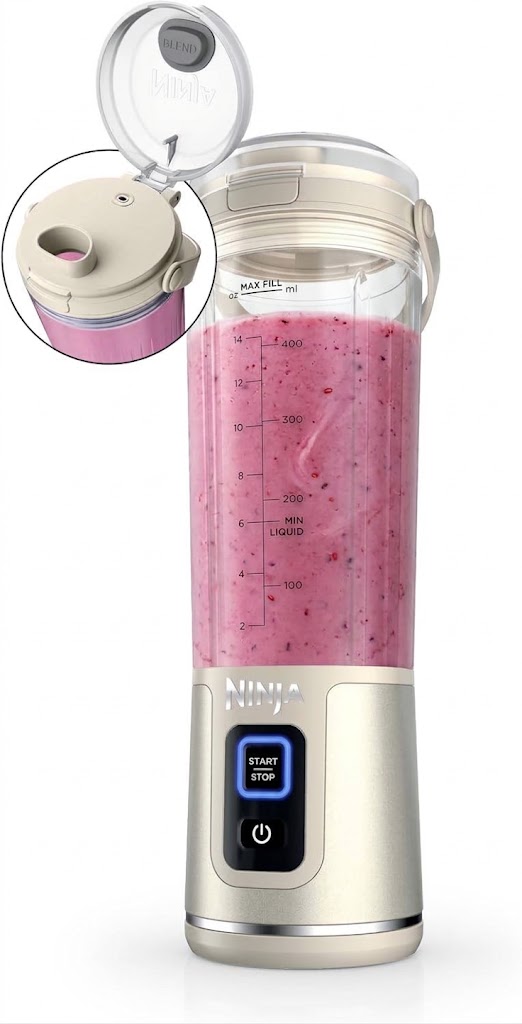
Ninja Blast Portable Blender, Cordless,18oz Vessel, Vanilla Bean
Check Price on AmazonBelow, you’ll find a simple method, a flexible ratio, ingredient pairings, and ways to fix a smoothie that turns out too thick, thin, or tart. You’ll also learn how to blend safely and prepare fruit for quick breakfasts.
How to make a smoothie with frozen fruit
For a basic smoothie, blend 2 cups of frozen fruit with about 1 cup of liquid. Start at a low speed, increase it as the fruit breaks down, and add liquid a splash at a time if the mixture stalls. The exact amount depends on the fruit, added ingredients, and blender.
Use milk, plant-based milk, water, juice, or a combination. Milk and yogurt make a creamier drink; water and juice create a lighter one. If you use sweetened milk, juice, or flavored yogurt, taste before adding any extra sweetener.
A simple recipe for one large or two small servings:
- 2 cups frozen fruit, such as berries, mango, peaches, or a mix
- ¾ to 1 cup milk, plant-based milk, or water
- ½ cup plain yogurt, optional
- ½ banana or 1 to 2 teaspoons honey, optional for added sweetness
Put the liquid into the blender first, followed by yogurt and any soft ingredients. Add the frozen fruit last. Blend until the fruit is broken down and the texture looks even, pausing to scrape down the sides if needed. Taste and adjust before pouring.
Why the order of ingredients matters
Liquids near the blades help create movement. That movement draws frozen pieces down toward the blades instead of letting them sit in a solid pile above them. This is especially helpful in standard countertop blenders that do not have a tamper.
Adding frozen fruit first can make the blades spin without catching the ingredients. If that happens, stop the blender before adjusting anything. Use a spatula to move fruit toward the center, then add a little liquid and restart at a low speed.
For a blender with a manufacturer-provided tamper, follow its instructions. Keep the lid in place and use only the tool designed for that appliance. Never push ingredients toward moving blades with a spoon or other utensil.
Choose a liquid and texture that suit your smoothie
The liquid affects more than thickness. It also changes flavor, richness, and how filling the smoothie feels. Use the table as a starting point, then adjust to your taste.
| Liquid | What it adds | Best for | Watch for |
|---|---|---|---|
| Water | A light, fruit-forward taste | Simple berry or citrus blends | Less creaminess and body |
| Dairy milk | Creamy texture and mild flavor | Banana, strawberry, or cocoa combinations | Its flavor can compete with delicate fruit |
| Unsweetened plant-based milk | A creamy base with a different flavor depending on the type | Fruit blends without dairy | Check the carton for added sugar or flavoring |
| Juice | Fruit flavor and sweetness | Tart berries or tropical fruit | It can make the drink sweeter than expected |
| Kefir or drinkable yogurt | A tangy, smooth texture | Peaches, mango, or mixed berries | Its tartness may need a sweeter fruit |
For a spoonable smoothie, begin with less liquid and add only enough to keep the mixture blending. For a drinkable result, add liquid in small pours until it flows easily. A modest addition can change the texture quickly, so avoid pouring in a full extra cup at once.
Ice is usually unnecessary when the fruit is already frozen. Adding ice can make the mixture colder and more diluted as it melts. If you want a thicker result, use less liquid or add more frozen fruit instead.
Pick frozen fruit combinations that blend well
Most frozen fruit works in a smoothie, either alone or mixed. The best combinations balance sweetness, tartness, and texture. Sweet fruit such as banana, mango, and peaches can soften the sharper taste of berries or cherries.
- Berry and banana: Combine strawberries or mixed berries with banana for a familiar, rounded flavor.
- Mango and peach: Use milk, plant-based milk, or yogurt for a mellow, creamy blend.
- Pineapple and mango: Add water or a little juice for a bright, tropical-tasting drink.
- Blueberry and peach: Use yogurt or milk to balance the fruit’s natural tartness.
- Cherry and cocoa: Blend cherries with milk and a small amount of cocoa powder for a richer taste.
Fruit pieces can vary in size, and large pieces may take longer to blend. If your blender struggles, let the fruit sit for a few minutes to soften slightly, or use smaller pieces the next time you freeze fruit. Do not leave frozen fruit out for a long stretch; soften only what you need for blending.
Frozen fruit may be sold plain or in sweetened blends. Read the package, especially if you are watching added sugars or want to control the sweetness yourself. A smoothie made from fruit can still taste very sweet, so it is sensible to blend first and sweeten only after tasting.
Follow these steps for a smooth, even blend
- Choose your fruit. Measure about 2 cups of frozen fruit for a large serving, or divide it between two smaller servings. For a very thick smoothie, start with 1½ cups and add more after blending.
- Add the liquid first. Pour in about ¾ cup, then add more only if the blender needs it. A smaller starting amount makes it easier to avoid a watery result.
- Add creamy or soft ingredients. Add yogurt, banana, nut butter, or soft add-ins before the frozen fruit. This puts liquid and softer ingredients closer to the blades.
- Add frozen fruit last. Spread the pieces around the jar rather than piling them in one spot. This can help the blades catch the fruit more evenly.
- Blend gradually. Start on a low setting, then increase the speed. If the blender has a smoothie or pulse setting, use it according to the appliance instructions.
- Stop if the blades stop moving the mixture. Turn off the blender, unplug it if you need to reach into the jar, and scrape down the sides. Add a splash of liquid before blending again.
- Taste and adjust. Add more fruit for thickness, a little liquid for a thinner drink, or a small amount of sweetener if the blend is too tart. Blend briefly after each change.
Blending time varies by appliance and ingredient size. Judge the result by appearance and texture rather than relying on a fixed number of seconds. When the drink is even and no large fruit pieces remain, it is ready.
Make the smoothie creamier or more filling
Frozen fruit gives a smoothie a chilled, thick base, but other ingredients can change its body. Add one or two extras at a time so the fruit flavor stays noticeable and the blender can still move the mixture.
For a creamier texture
Try plain yogurt, a ripe banana, or a spoonful of nut or seed butter. Yogurt adds tang as well as creaminess. Banana makes the drink thicker and sweeter, while nut or seed butter contributes a rich flavor.
For a dairy-free version, choose an unsweetened plant-based yogurt or milk. Since products vary in thickness and sweetness, check the label and adjust the liquid after blending. You can also use a small amount of silken tofu for a mild, smooth texture.
For more substance
Oats, chia seeds, or nut butter can make a smoothie feel more substantial. Oats may thicken the drink as they blend, so start with a small amount and add liquid if needed. Chia seeds absorb liquid over time, which means a smoothie can become thicker if it sits.
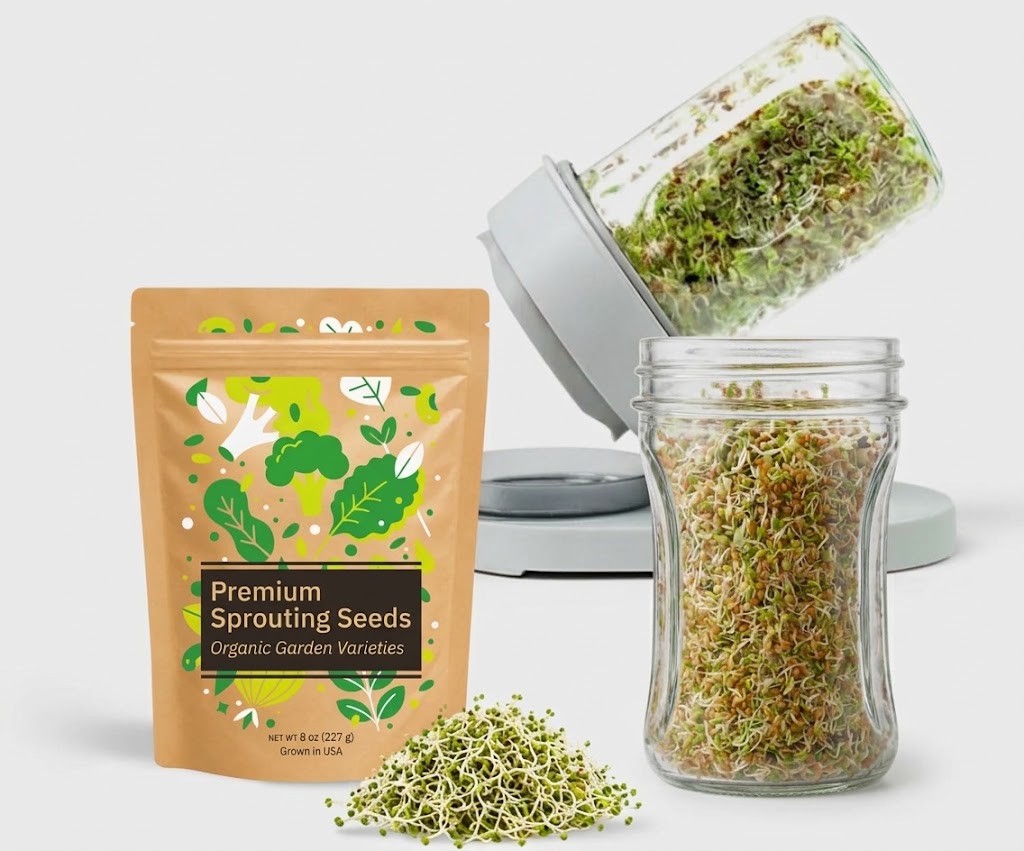
Jar Sprouting Kit with 8oz Broccoli Sprout Seeds
Check Price on AmazonProtein powders vary in flavor and texture. If you use one, follow the serving directions on its package and blend it with enough liquid to avoid a powdery or overly thick result. A flavored powder may already sweeten the smoothie.
Leafy greens can be blended with fruit, but they work best with enough liquid and a sufficiently powerful blender. Add a small handful at first and blend until the leaves are finely broken up. Strongly flavored greens can change the taste, so pair them with fruit that can stand up to them, such as banana or mango.
Fix a smoothie that is too thick, thin, or tart
Most texture problems have a simple fix. Make one adjustment at a time and blend briefly after each one. That way, you can see how the change affects the drink.
| Problem | Likely cause | What to do |
|---|---|---|
| Too thick to blend | Not enough liquid or too much frozen fruit | Add liquid 1 to 2 tablespoons at a time, then blend again |
| Too thin | Too much liquid or fruit has softened substantially | Add more frozen fruit, or use a small amount of yogurt or banana |
| Too tart | The fruit is naturally sharp or the mix has little sweet fruit | Add banana, mango, or a little honey, then taste again |
| Too sweet | Sweetened fruit, juice, yogurt, or added sweetener | Add unsweetened liquid or more unsweetened fruit |
| Powdery or grainy | Powder or seeds have not blended evenly | Blend longer if safe for the appliance, or let the mixture rest briefly and blend again |
| Fruit pieces remain | Large pieces, a crowded jar, or ingredients not moving | Stop, redistribute the fruit, add a splash of liquid, and restart slowly |
A common mistake is adding a lot of liquid to free a stuck blender. That often fixes the blending problem but leaves the finished drink too thin. Try a small splash first, and check that the ingredients have settled toward the blades before adding more.
Another frequent surprise is that frozen fruit can taste less sweet while cold. Taste the blended drink before adding sweetener, then adjust in small amounts. The flavor may also change as the smoothie warms slightly.
Use frozen fruit safely and store leftovers sensibly
Keep frozen fruit frozen until you are ready to blend it. Follow the package directions for storage and handling, and discard fruit that has been left at room temperature too long or shows signs of spoilage after thawing. If the package calls for washing or other preparation, follow those instructions.
Do not overload the blender beyond its recommended fill line. A crowded jar can prevent ingredients from circulating and may strain the motor. If you are making a larger batch, blend it in portions rather than forcing the whole amount into a small container.
Drink a smoothie soon after blending for the best texture. If you need to save some, place it in a covered container in the refrigerator and use it promptly. Separation is normal; stir or shake it before drinking. A stored smoothie may be thinner or less fresh-tasting than one just blended.
For easier mornings, portion fruit into individual freezer-safe containers or bags. Keep the fruit pieces separate where practical, and label the portions with their contents. Measure any dry add-ins separately so you can add them when blending.
Prepare smoothie portions ahead
Freezer packs can speed up preparation, but they do not need to contain every ingredient. Portion fruit in advance, then add liquid and fresh or creamy ingredients when you blend. Keeping liquid out of the freezer pack makes it easier to adjust the final thickness.
- Choose a fruit combination and portion it into a freezer-safe container.
- Add a small note with the suggested liquid and any optional ingredients.
- Store the portions in the freezer and use them according to the fruit’s package guidance.
- When ready, add liquid to the blender first, tip in a portion, and blend as usual.
If fruit pieces freeze into a solid clump, separate them gently before adding them to the blender. Do not strike a glass blender jar with frozen fruit or force a hard clump against the blades. Let the portion soften slightly or break it apart in a freezer-safe bag before blending.
For a quick breakfast, set out the blender jar and dry add-ins the night before, but keep perishable ingredients refrigerated and fruit frozen. In the morning, measure the liquid, add the frozen portion, and blend. This small bit of preparation makes it easier to control both the ingredients and the consistency.
Adjust the basic ratio for your blender
The starting ratio of 2 cups fruit to about 1 cup liquid is a guide, not a rule. Some fruit blends release more juice as they break down, while others stay thick. Yogurt, oats, chia, and protein powder can also change how much liquid the drink needs.
If you have a personal blender with a narrow cup, check its fill line and instructions before adding ingredients. Smaller containers may need a different ingredient order or blending method. Avoid filling a single-serve cup beyond its safe capacity just to make one large portion.
With a high-powered blender, frozen fruit may break down with less added liquid, but starting with some liquid still helps ingredients circulate. With a less powerful blender, use smaller fruit pieces, work in modest batches, and pause if the motor sounds strained. The appliance manual is the best guide for limits and safe operation.
Once you find a combination you like, note the fruit, liquid, and add-ins that produced it. Keep the ratio flexible: the same measured recipe can turn out differently with another fruit mix or a different brand of yogurt. Small adjustments are normal, and they are usually all it takes to get the texture right.
The easiest way to make a good smoothie with frozen fruit is to start with fruit, a modest amount of liquid, and the right ingredient order. Blend liquid first, add frozen fruit last, and adjust gradually instead of guessing with a large pour.
For your next batch, begin with 2 cups of frozen fruit and about ¾ cup of liquid. Blend, taste, and add more liquid only if needed; that simple routine helps you find a reliable texture for your blender and favorite fruit.
