which frozen fruit is best for smoothies: top picks
Which frozen fruit is best for smoothies depends on the flavor and texture you want, but frozen bananas, berries, mango, and pineapple are dependable picks. Bananas make a creamy base, berries add tartness and color, and tropical fruit brings bright, sweet flavor.
You can use one fruit or combine several, and most frozen fruit can go straight into the blender. The right choice also depends on your liquid, blender strength, and whether you want a thick or pourable drink. Here’s how common options compare, how to balance their flavors, and how to avoid a smoothie that turns icy, watery, or too sweet.
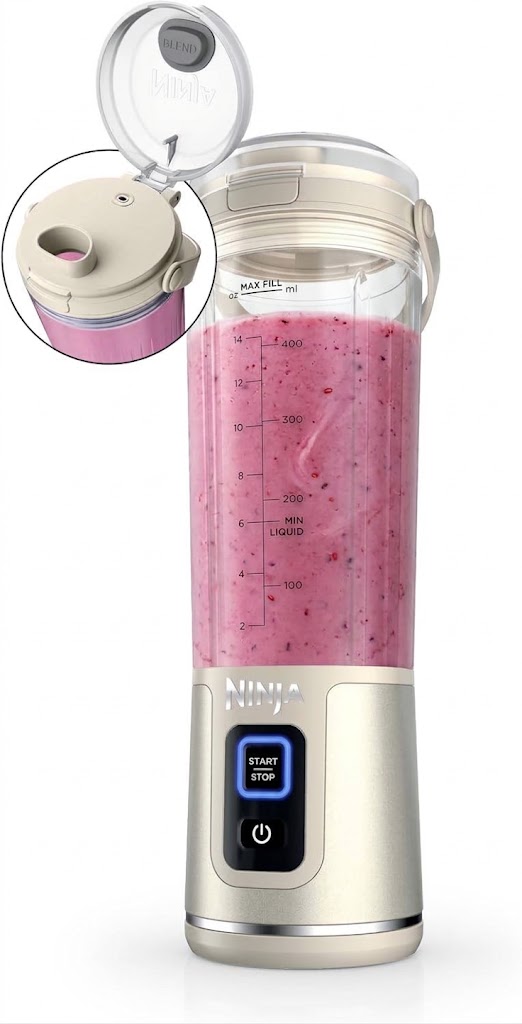
Ninja Blast Portable Blender, Cordless,18oz Vessel, Vanilla Bean
Check Price on Amazonwhich frozen fruit is best for smoothies?
Frozen bananas are the best all-purpose choice for a creamy smoothie. They blend into a thick texture and bring natural sweetness, so you may not need extra sweetener. For a brighter, tangier drink, choose berries; for a smooth tropical flavor, choose mango. Pineapple adds sharper sweetness and works well with greens or yogurt.
There is no single best fruit for every recipe. A good starting point is one creamy fruit, such as banana or mango, paired with one fruit that adds a distinct flavor, such as strawberries, blueberries, or pineapple. Adjust the liquid gradually so the finished drink stays as thick as you like.
How common frozen fruits compare
Use this comparison to choose a fruit based on texture, taste, and how you plan to serve the smoothie. Fruit pieces vary by brand and cut size, so blending time may differ.
| Frozen fruit | Flavor and texture | Pairs well with | Best for |
|---|---|---|---|
| Banana | Sweet, mild, creamy | Peanut butter, cocoa, berries, oats | A thick, filling smoothie |
| Strawberry | Sweet-tart, sometimes seedy | Banana, yogurt, citrus | A familiar, bright fruit flavor |
| Blueberry | Sweet-tart, slightly earthy | Banana, oats, yogurt | A deep-colored berry blend |
| Raspberry | Sharp, tart, seedy | Banana, mango, vanilla yogurt | A tangy smoothie with a strong berry note |
| Mango | Sweet, smooth, dense | Pineapple, lime, spinach, yogurt | A creamy tropical smoothie without banana |
| Pineapple | Juicy, sweet-tart, bright | Mango, banana, coconut | A lively tropical blend |
| Peach | Gentle, fragrant, soft | Strawberry, yogurt, ginger | A mellow smoothie with a delicate flavor |
| Cherries | Rich, sweet-tart | Banana, cocoa, almond butter | A bold fruit-and-chocolate combination |
Choose fruit for the texture you want
For a creamy, thick smoothie
Banana is an easy choice because its soft flesh blends smoothly and gives the drink body. Mango can provide a similarly lush texture with a more tropical taste. If you prefer not to use banana, combine mango with yogurt or a small amount of avocado for extra creaminess.
Frozen fruit makes a smoothie cold and thick without needing ice. That matters because ice can dilute flavor as it melts. If your drink becomes too thick to blend, add liquid a little at a time rather than adding a large splash all at once.
For a lighter, more pourable drink
Use juicy fruit, such as strawberries, peaches, or pineapple, and add enough liquid to help the blender move. Berries can still make a thick mixture, especially when used in a large amount, so balance them with water, milk, or another liquid that suits your recipe.
Keep in mind that a smoothie’s texture also depends on the other ingredients. Yogurt, oats, nut butter, and chia seeds can all make it thicker. If you want a thinner drink, reduce those additions before adding lots of extra liquid.
Build a balanced frozen-fruit combination
A useful recipe formula is one creamy fruit, one flavor fruit, and a measured amount of liquid. For example, combine banana with strawberries, or mango with pineapple. You do not need a complicated mix: two fruits often make their flavors clearer than a blender full of competing ingredients.
- Pick a base. Use banana or mango for a creamy texture. If you want a sharper drink, start with strawberries or peaches and plan to add yogurt or another thick ingredient.
- Add a contrasting fruit. Pair sweet banana with tart berries, or mellow mango with bright pineapple. A contrast keeps the blend from tasting flat or overly sweet.
- Choose a compatible liquid. Milk or soy milk makes a richer drink. Water or coconut water keeps the flavor lighter. Fruit juice adds sweetness, so use it thoughtfully.
- Blend and adjust. Start with less liquid than you think you need. Blend until the pieces move freely, then add liquid in small amounts until the texture is right.
- Taste before sweetening. Ripe fruit, juice, and sweetened yogurt can provide plenty of sweetness already. If it tastes too tart, add a little banana or another naturally sweet ingredient before reaching for sugar.
For a simple starting point, blend one cup of frozen fruit with about half a cup of liquid, then adjust to taste and texture. This is a flexible starting ratio, not a fixed rule. Large fruit pieces, powerful blenders, yogurt, and extra ingredients can change how much liquid you need.
Choose frozen fruit based on your smoothie recipe
For a berry smoothie
Strawberries, blueberries, and raspberries each bring a different character. Strawberries are familiar and relatively mild. Blueberries have a fuller flavor and can tint the whole drink. Raspberries contribute pronounced tartness and tiny seeds, which some people enjoy and others may notice in the texture.
For a balanced berry blend, pair tart berries with banana, mango, or yogurt. If you want a clean berry flavor, keep the mix simple and use water or milk rather than several strongly flavored add-ins. Check the ingredient label: some frozen fruit blends contain added sugar or syrup.
For a tropical smoothie
Mango and pineapple make a lively combination. Mango supplies a smooth, sweet base, while pineapple adds acidity and a sharper finish. Coconut milk can make the drink richer, while water or coconut water keeps it lighter. A squeeze of lime can sharpen the flavor, but add a small amount and taste as you go.
If pineapple makes the drink too tart, increase the mango or add banana. If the blend tastes overly sweet, use plain yogurt or water rather than sweetened juice. These small changes often correct the flavor without needing a sweetener.
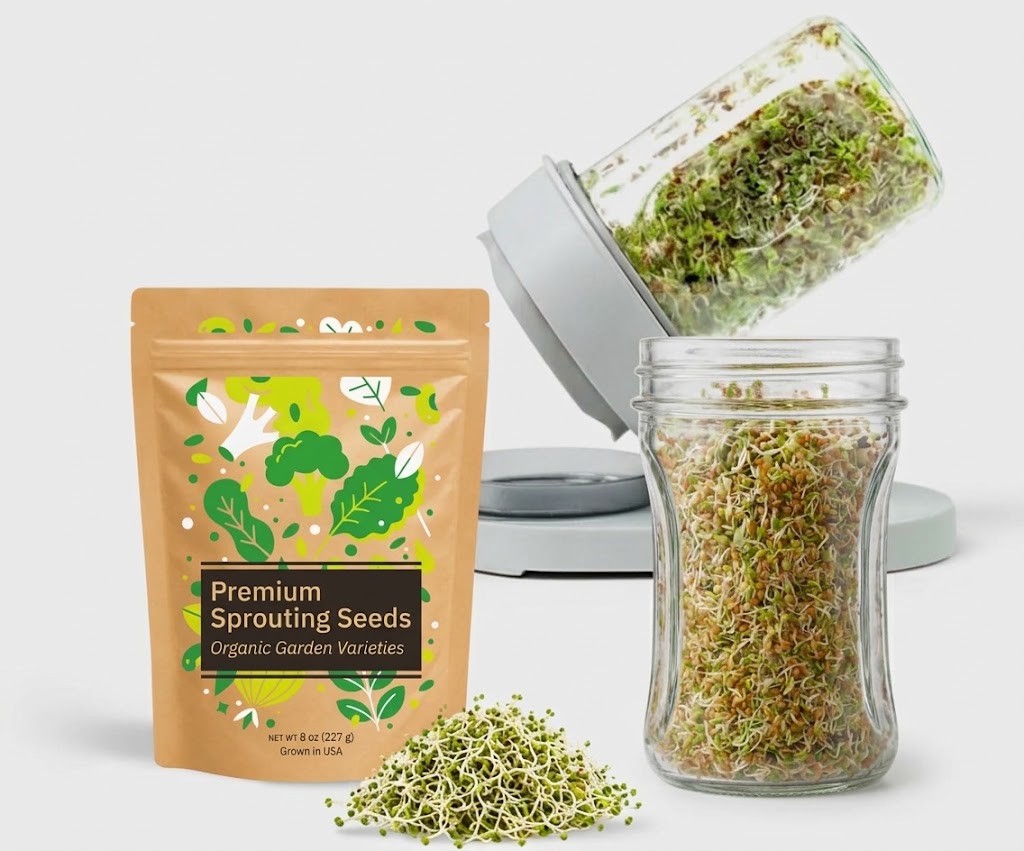
Jar Sprouting Kit with 8oz Broccoli Sprout Seeds
Check Price on AmazonFor a green smoothie
Mango, pineapple, and banana can soften the grassy flavor of spinach or kale. Start with a small handful of greens, then increase the amount after you find a fruit combination you enjoy. Strong fruit flavors can cover some bitterness, but they do not erase the vegetable taste entirely.
Blend the liquid and greens first if your blender struggles with leafy pieces. Then add the frozen fruit and blend again. This two-stage method helps break down greens before the cold, firm fruit makes the mixture harder to move.
For a smoothie without banana
Banana is useful, but it is not required. Use mango for a naturally creamy texture, or combine frozen peaches with yogurt. Avocado can add a creamy feel, though it has a mild flavor and does not sweeten the drink. Add berries or pineapple for a more noticeable fruit taste.
Should you thaw frozen fruit before blending?
Usually, you can blend frozen fruit straight from the freezer. That keeps the smoothie cold and avoids the watery texture that can result when thawed fruit releases juice. Cut large pieces into smaller chunks if your blender has trouble, and follow the blender’s instructions for frozen ingredients.
Briefly softening fruit can help when your blender stalls or the pieces are unusually large. Let it sit only until the outside begins to soften, then blend. Avoid leaving fruit at room temperature for an extended period. Once thawed, it will not give the same icy thickness, and it should be handled and stored safely.
A common mistake is using ice to compensate for too little frozen fruit. Ice can make a drink cold, but it may weaken the fruit flavor as it melts. Use more frozen fruit for thickness, or reduce the liquid if the smoothie tastes diluted.
How to avoid an icy, watery, or bland smoothie
- Start with less liquid. Extra liquid is easy to add but difficult to remove. Add it gradually after blending begins.
- Do not overload the blender. Too much frozen fruit at once can keep the blades from moving. Blend a smaller batch or add ingredients in stages if needed.
- Balance tart fruit. Pair raspberries, pineapple, or sour berries with banana, mango, or plain yogurt.
- Check for added ingredients. Frozen fruit may be sold plain or in sweetened preparations. Read the package so you can account for added sugar and flavorings.
- Use a pinch of salt only if needed. A very small amount can make fruit flavors seem clearer, but too much can make the smoothie taste savory.
- Blend long enough to break down the pieces. Stop and scrape the sides if fruit is stuck above the blades, following safe use instructions for your appliance.
Another easy-to-miss factor is the fruit’s ripeness before freezing. Frozen fruit retains the flavor it had when packed; freezing does not make bland fruit taste sweeter. If a smoothie seems dull, add a more fragrant fruit, a little citrus, or a stronger flavor such as berries rather than simply adding more liquid.
How to store and portion frozen fruit
Keep frozen fruit in a properly closed freezer bag or container and return it to the freezer promptly after serving. Follow the package’s storage directions and use the fruit while it remains in good condition. A tight seal helps reduce exposure to air and moisture, which can contribute to freezer burn and stale flavors.
Portioning fruit before freezing or buying smaller pieces can make morning blending easier. If you freeze fresh fruit at home, wash and dry it as appropriate, remove inedible parts, and spread pieces out so they freeze separately before transferring them to a sealed container. This helps prevent one large clump that is difficult to measure or blend.
Do not refreeze fruit that has thawed unless it has been handled safely and the product instructions allow it. For the best texture, use only what you need and keep the rest frozen. If the fruit has an unusual odor, visible spoilage, or packaging that is damaged, do not use it.
Quick fruit pairings to try
| Combination | What it tastes like | Helpful addition |
|---|---|---|
| Banana and strawberry | Sweet, familiar, lightly tart | Plain yogurt or milk |
| Mango and pineapple | Bright, tropical, sweet-tart | Water, coconut water, or lime |
| Blueberry and banana | Rich, mellow, naturally sweet | Oats or plain yogurt |
| Peach and raspberry | Soft and fragrant with a tart edge | Milk or yogurt |
| Cherry and banana | Bold, sweet-tart, creamy | Cocoa or almond butter |
Use these as starting points, not strict recipes. Taste depends on the fruit, its ripeness before freezing, and the other ingredients. Make one change at a time so you can tell whether the adjustment improves the drink.
Frozen banana is the most versatile pick for a creamy smoothie, while berries add tartness and mango or pineapple bring tropical flavor. Combining a creamy fruit with a more vivid fruit gives you balance without needing a long ingredient list.
Start with frozen fruit and a modest amount of liquid, blend, then adjust the texture and taste. Try banana with strawberries or mango with pineapple, and check the package for added sugar before sweetening the drink.
