will frozen fruit thaw in overnight oats: what to expect
Yes, will frozen fruit thaw in overnight oats? It usually will soften in the refrigerator overnight, releasing some juice into the oats as it thaws. The exact texture depends on the fruit, its size, and how long it sits.
This makes frozen fruit an easy option when fresh fruit is unavailable. You can stir it in before chilling for a colorful, fruity breakfast, or add it later for a firmer texture. Here’s how to choose the best method, avoid watery oats, handle the fruit safely, and adjust your recipe so the result tastes balanced.
Will frozen fruit thaw in overnight oats?
Yes. Frozen fruit generally thaws in overnight oats when the mixture sits in the refrigerator for several hours. The cold oats do not need to be heated for the fruit to soften. Small pieces, such as berries, often thaw faster than large chunks of peach or mango.
As fruit thaws, ice inside its cells melts and some juice escapes. That juice can color the oats and add fruit flavor throughout the jar. It can also make the mixture looser than a batch made with fresh fruit, especially if you use a generous amount of juicy berries.
The fruit may not feel fully soft after a short chill. For the most even texture, give the jar at least several hours, or leave it in the refrigerator overnight. A particularly large piece can still have a cool or slightly icy center the next morning.
Thawed fruit is usually softer than fresh fruit because freezing changes its structure. Expect berries to become tender and peaches to lose some firmness. If you want distinct, firmer pieces, add the fruit shortly before eating instead of mixing it in the night before.
What happens when you mix frozen fruit into oats?
Frozen fruit affects more than temperature. It adds moisture, flavor, color, and sometimes a little tartness. The change can be welcome, but it helps to account for the extra liquid before deciding how much milk or yogurt to add.
Fruit releases juice as it thaws
Water released from the fruit joins the liquid already in the jar. Strawberries, raspberries, and thawed mixed berries can release noticeable juice, while firmer fruit pieces may contribute less. The amount varies by fruit, how it was cut, and whether it was frozen whole or in small pieces.
If you add fruit directly to a recipe that already has plenty of milk, the finished oats may be thinner than you want. A simple fix is to begin with slightly less milk, then add more in the morning if the oats seem too thick. You can also stir in a spoonful of chia seeds, which absorb liquid and help thicken the mixture over time.
Color and flavor spread through the jar
Juice from deeply colored fruit can tint the oats pink, purple, or red. That is a normal result of mixing fruit and its juice into the base, not a sign that anything is wrong. Stirring the fruit in early gives you more even flavor and color; layering it on top keeps the lower oats more neutral.
Frozen fruit may taste less sweet or more tart than you expect once it is mixed with plain oats. Taste the finished portion before adding more sweetener. A ripe banana, a little maple syrup, or a spoonful of honey can balance tart fruit, but you may not need any extra.
When to add frozen fruit: before chilling or before eating?
Both approaches work. Choose based on whether you prefer soft, blended fruit or pieces that hold their shape. The table compares the main options.
| Method | Texture and flavor | Liquid effect | Best for |
|---|---|---|---|
| Stir fruit into the oats before chilling | Soft fruit; flavor and color spread through the jar | Juice mixes into the oats during chilling | A fruity, evenly flavored breakfast with minimal morning prep |
| Layer fruit on top before chilling | Soft fruit on top; some color may seep downward | Juice can collect near the surface or move into the oats | A topping-like appearance without stirring everything together |
| Thaw fruit separately, then add it | Soft fruit with more control over the pieces | You can drain or measure the released juice | Keeping the oat mixture thicker or adjusting fruit portions |
| Add fruit in the morning | Cooler, firmer pieces; less time to soften | Less juice has time to mix into the oats | More distinct fruit pieces and a fresher topping texture |
For a dependable first try, stir a modest amount into the oats before chilling. In the morning, check the consistency and add more fruit if you want. This lets you see how your particular fruit affects the recipe before committing the whole batch.
How to make overnight oats with frozen fruit
Use a clean jar or covered container and keep it refrigerated while it chills. A common starting point is equal portions of rolled oats and milk, then adjust the liquid to suit the texture you like. Yogurt, chia seeds, and other additions change how thick the mixture becomes, so use the steps as a flexible method rather than a fixed formula.
- Choose your oats and container. Rolled oats soften well in the refrigerator and keep some texture. Use a clean container with a lid, leaving room for the oats and fruit to expand and for you to stir them.
- Mix the base. Combine the oats with milk or a milk alternative. Add yogurt or chia seeds if you use them. If the fruit is especially juicy, start with a little less liquid than usual.
- Add the frozen fruit. Use bite-size pieces when possible. Stir them through for fruit flavor in every spoonful, or place them on top if you want a layered jar.
- Cover and refrigerate. Chill the container rather than leaving it on the counter. Give the mixture several hours so the oats can absorb liquid and the fruit can soften.
- Check and adjust before eating. Stir the oats and assess the thickness. Add a splash of milk if they are too thick, or mix in chia seeds and wait a little longer if they are too loose.
- Finish with toppings. Add nuts, seeds, or crunchy cereal just before eating so they retain their texture. Taste before adding sweetener, since the fruit may provide enough sweetness.
For the most consistent result, cut large frozen fruit pieces into smaller portions before mixing them in. If the fruit is frozen together in a clump, separate it first. A large block can chill the oats unevenly and may still contain icy pieces when you are ready to eat.
Should you thaw the fruit first?
You do not have to thaw it first. Putting frozen pieces straight into the oat mixture is convenient, and the fruit will generally soften as the jar chills. This is a good choice when you want to prepare breakfast quickly and do not mind soft fruit and juice mixed through the oats.
Thaw the fruit separately when you want more control over the liquid or texture. Put the amount you need in a covered container in the refrigerator, then drain some of the juice if you want a thicker base. You can also stir a little of that juice into the oats for more fruit flavor.
Avoid thawing fruit for an extended period on the counter. Refrigerator thawing keeps the fruit cold while it softens. If you use a microwave to thaw fruit, do so in a microwave-safe container and add it promptly; the fruit may become warm and very soft, which can change the texture of the oats.
There is little benefit to rinsing frozen fruit for this recipe. Rinsing can add surface water and make the mixture thinner. Follow the package directions, especially if the fruit is labeled for cooking or includes specific preparation instructions.
Which frozen fruits work best?
Most fruits sold frozen can go into overnight oats, but they do not all behave alike. Small berries are convenient because they are easy to portion and mix. Larger pieces may need cutting or extra time to soften.
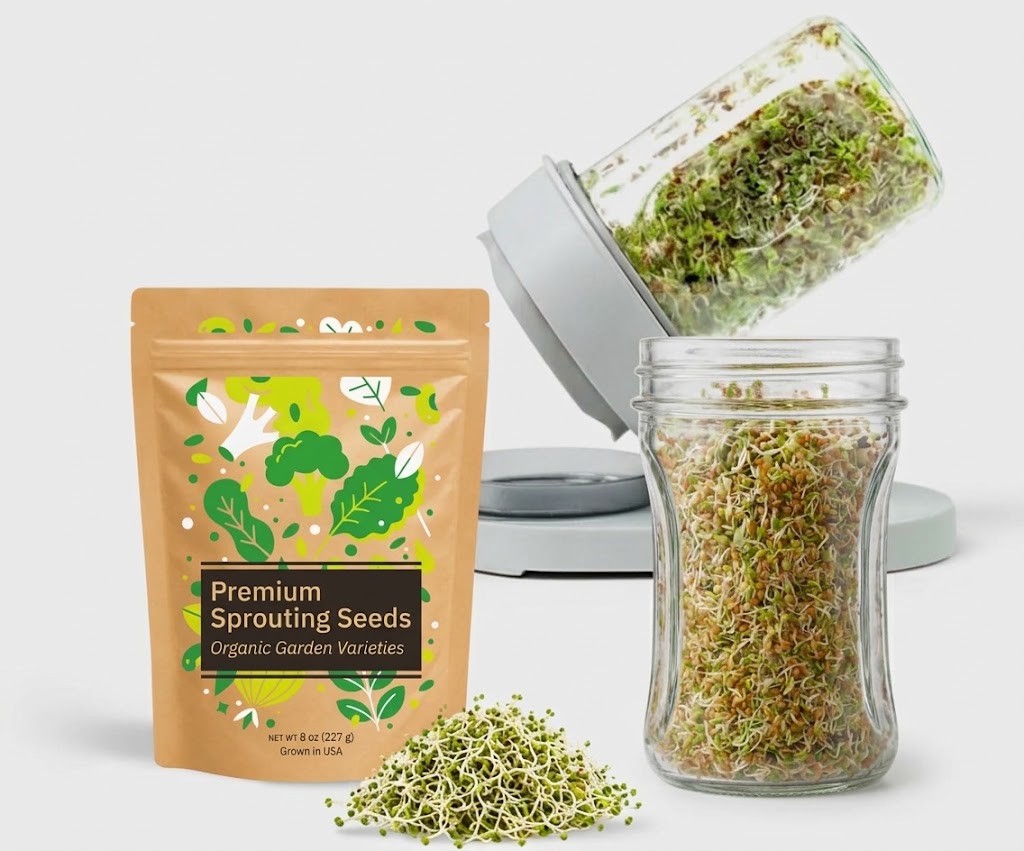
Jar Sprouting Kit with 8oz Broccoli Sprout Seeds
Check Price on Amazon| Fruit | What to expect after chilling | Helpful adjustment | Best for |
|---|---|---|---|
| Blueberries | Soft berries with some juice; color may spread if stirred | Use whole, or lightly crush a few for more flavor | Simple portions and mild sweetness |
| Raspberries or blackberries | Very soft fruit that may break apart | Layer on top if you want more visible pieces | Strong berry flavor and a soft texture |
| Strawberries | Soft pieces that can release a noticeable amount of juice | Cut large pieces smaller and reduce the starting liquid slightly | Sweet, bright flavor throughout the oats |
| Mango or peach | Soft chunks; large pieces may remain firm in the center | Dice before adding and allow a full chill | Distinct fruit pieces and less berry-like color |
| Cherries | Soft, juicy pieces; whole cherries may be awkward to eat | Use pitted pieces and cut large ones in half | A tart-sweet fruit topping |
| Mixed fruit | A range of textures and juice levels | Check for large pieces and adjust the liquid in the morning | Convenience and variety in one portion |
Frozen fruit mixes can contain very different piece sizes. Check the bag before adding the contents, and cut oversized pieces while they are still firm enough to handle. If the mix contains a fruit you do not enjoy when soft, save that portion for a smoothie or cook it before using it as an oat topping.
How to prevent watery or icy oats
Watery oats usually come from a mismatch between the liquid in the recipe and the moisture released by the fruit. Icy centers are more often a size or timing issue. A few small adjustments can solve both without changing the basic recipe.
- Reduce the starting liquid a little. Do this when using a large quantity of juicy fruit. It is easier to thin thick oats in the morning than to correct an overly loose jar.
- Use smaller fruit pieces. Smaller pieces soften more evenly and are easier to eat with a spoon. Cut large chunks before they go into the container.
- Chill long enough. A brief rest may leave the fruit partly frozen and the oats unevenly softened. Give the jar several hours in the refrigerator.
- Stir before judging the texture. Juice can settle near the bottom or top. Mixing the jar distributes it and gives you a fair sense of whether the oats need thickening.
- Add a thickener only if needed. Chia seeds absorb moisture, but they take time to do so. Stir them in and wait before deciding whether to add more.
- Keep crunchy toppings separate. Nuts and cereal soften when left in contact with wet oats. Add them just before serving instead.
One frequent mistake is adding extra oats immediately when the mixture looks thin straight from the refrigerator. Stir first and give the oats a short rest. The mixture may thicken as the oats absorb the released juice, and adding too much dry oat can make breakfast dense.
Food safety and storage
Prepare the mixture with clean hands, utensils, and containers, then refrigerate it promptly. Overnight oats contain moist ingredients that should stay cold. Do not leave a jar on the counter overnight to thaw the fruit; the refrigerator is the appropriate place for chilling.

Framendino, 16 Pack Artificial Chicken Nuggets Fake Fried Food Models Props for Kitchen Decor
Check Price on AmazonKeep the container covered and follow the storage directions for its ingredients. The safe storage period can depend on the milk, yogurt, fruit, and handling, so avoid making a larger batch than you can use within a few days. Discard oats that have been left warm for too long or show signs of spoilage, such as an off smell or unusual appearance.
Frozen fruit is not automatically sterile. Freezing preserves food but does not reliably remove every harmful microorganism. Follow the package instructions and pay attention to any recall or preparation notice that applies to the fruit you have purchased.
If you pack the oats to take with you, keep them cold in an insulated bag with an ice pack until you can refrigerate them. A sealed jar alone does not keep perishable food chilled. This practical detail matters most during a commute or a long morning away from home.
Easy flavor and texture adjustments
Frozen fruit gives you a flexible base for different combinations. Start with the fruit, then adjust the other ingredients to balance its sweetness and moisture. You do not need a special recipe for every variety.
- For tart berries: Add banana, vanilla, or a small amount of sweetener after tasting.
- For richer oats: Mix in yogurt or nut butter, then thin the mixture with milk if needed.
- For a thicker spoonable texture: Add chia seeds or reduce the liquid slightly.
- For more texture: Keep some fruit aside and add it shortly before eating.
- For a smoother flavor: Stir the fruit in before chilling so its juice blends through the oats.
Consider the fruit’s sweetness before adding flavored yogurt or syrup. Several sweet ingredients together can overwhelm the natural fruit flavor. Taste the finished oats first, then make one small adjustment at a time.
You can also separate the fruit from the oat base when preparing portions ahead. Keep the fruit in a small covered container and add it in the morning. This takes slightly more effort, but it gives you firmer pieces and lets you decide how much juice enters each serving.
Common questions about frozen fruit and overnight oats
Will the fruit make the oats cold?
The fruit can make the mixture feel especially cold, particularly if it is added in a large amount. After spending the night in the refrigerator, the oats and fruit will both be chilled. Let the portion sit briefly before eating if you prefer it less cold, while keeping food safety in mind.
Can you use fruit straight from the freezer?
Yes. Add bite-size fruit directly to the oats, cover the container, and refrigerate it. Smaller pieces are more likely to soften evenly by breakfast. Large chunks may need more time or a quick cut before mixing.
Will frozen fruit make overnight oats watery?
It can, because thawing fruit releases juice. The effect is manageable: use less starting liquid, drain some juice after thawing, or thicken the mixture with chia seeds. Stir before making changes, since the liquid may not be evenly distributed in the jar.
Can you warm oats that contain fruit?
You can warm the oats if you prefer a hot breakfast. Transfer them to a microwave-safe bowl, heat in short intervals, and stir between intervals so the temperature is more even. Follow the container and ingredient instructions, and be cautious because fruit can heat faster than the oats and create hot spots.
Does the fruit need to be fully thawed before you eat?
Not necessarily. It will usually soften during a long refrigerator chill, but large pieces may remain slightly firm or cool inside. If you want soft fruit, cut it smaller or thaw it separately in the refrigerator before adding it.
Yes, will frozen fruit thaw in overnight oats? It generally softens in the refrigerator overnight, adding juice and flavor as it does. The best method depends on whether you prefer fruit blended through the oats or firmer pieces added at breakfast.
For your next batch, start with a little less liquid if you are mixing in juicy fruit. Refrigerate the covered jar, stir it in the morning, and adjust the thickness before serving.
