will frozen fruit have the parasite? A clear safety answer
Will frozen fruit have the parasite? It can carry a parasite if the fruit was contaminated before freezing, but freezing does not make contamination inevitable or guarantee that parasites are gone. Most frozen fruit is safe to eat when handled properly.
Learn what freezing can and cannot do, how to handle berries safely, and which precautions matter most if you are pregnant or have a weakened immune system. You will also find out when to discard fruit and how to respond to a recall.
Will frozen fruit have the parasite? The direct answer
Frozen fruit does not automatically contain parasites. Like fresh produce, it could become contaminated during growing, harvesting, processing, or handling. Freezing slows or stops the growth of many microbes, but it is not a dependable way to sterilize food or remove every parasite.
The risk depends on the fruit’s source and handling, not on the fact that it is frozen. Parasites are organisms that live in or on a host; they are different from bacteria and viruses, though all can cause foodborne illness. A contaminated berry may look, smell, and taste normal, so appearance cannot confirm safety.
For most people, commercially packaged frozen fruit from a reliable retailer is a low-risk food when stored and used as directed. That does not mean the risk is zero. Good hygiene, proper storage, and attention to recalls are sensible safeguards.
How parasites can get onto fruit
Fruit can pick up contamination from soil, water, animal waste, dirty equipment, or hands. Contamination can occur at several points, from the field through packing and preparation. Freezing preserves the fruit, but it does not undo contamination that happened earlier.
Parasites that may be relevant to produce include Toxoplasma gondii and, in some settings, protozoa such as Cyclospora. The chance of finding a parasite on any particular bag of fruit is not something you can judge at home. Outbreaks linked to produce are possible, but frozen fruit is not inherently a source of parasites.
Toxoplasmosis is commonly associated with undercooked meat and exposure to cat feces or contaminated soil. Produce can also be contaminated, but a frozen berry should not be treated as proof of exposure. If you have a specific concern about an exposure, ask a health care professional rather than trying to diagnose it from the food’s appearance.
What freezing does—and does not do
Freezing at home or during commercial processing preserves food by slowing microbial activity. It can reduce the number of some organisms under certain conditions, but the effect varies by organism, temperature, and how long the food stays frozen. A typical freezer is not a validated parasite-killing treatment.
That distinction matters: cold storage is not the same as disinfection. Some parasites or their hardy forms may survive freezing. Thawing does not reliably remove them either. Do not rely on a few hours in the freezer, a longer storage time, or a quick rinse as a guaranteed way to make contaminated fruit safe.
Freezing can also preserve quality and keep fruit from spoiling quickly. It does not make fruit sterile. If a package is recalled or you have another reason to suspect contamination, do not assume that freezing has made it safe to eat.
Which frozen fruit handling method fits your use?
The safest practical choice depends on whether you plan to eat the fruit raw, cook it, or blend it. A smoothie is not a cooking step: blending breaks the fruit into smaller pieces but does not reliably kill parasites or other pathogens.
| Use or method | What it does | Best for |
|---|---|---|
| Eat thawed fruit without cooking | Convenient, but does not add a kill step | People following package directions and using fruit from an unaffected package |
| Rinse under clean running water | Can remove some surface dirt and debris; cannot guarantee removal of microbes | Fruit that needs rinsing before serving, if the package directions allow it |
| Cook fruit thoroughly | Heat can reduce many disease-causing organisms when the food is heated throughout | Sauces, fillings, compotes, and other cooked dishes |
| Discard recalled or suspect fruit | Prevents exposure from a product identified as unsafe | Any product included in a recall or linked to illness |
Check the package for washing, thawing, or cooking directions before preparing the fruit. Follow any specific public health instructions for a recalled product. For fruit with no special warning, keep it frozen until use and avoid leaving it at room temperature for extended periods.
How to handle frozen fruit safely
- Check the package. Look for damage, leaks, frost buildup suggesting the fruit may have thawed and refrozen, and clear preparation instructions. Avoid packages that are open or badly damaged.
- Store it promptly. Put the fruit in a freezer as soon as practical after shopping. Keep the freezer cold enough to keep food frozen, and do not store a thawed package on the counter for a long time.
- Use clean hands and tools. Wash your hands before preparing food. Use a clean bowl, spoon, blender, or cutting surface, and keep the fruit away from raw meat and unwashed produce.
- Thaw only what you need. Thaw fruit in the refrigerator or use it directly from frozen when the recipe allows. If you thaw it in the refrigerator, use it promptly and follow the package directions.
- Rinse only when appropriate. If you choose to rinse, use clean running water and a clean colander. Do not wash fruit with soap, detergent, or bleach; these products are not meant for food and can leave harmful residues.
- Cook when extra caution is appropriate. Bring the fruit to a thorough cook in a recipe, rather than merely warming it. Heating the whole portion is more useful than briefly heating a few berries while the center stays cold.
Washing is a helpful step for removing visible dirt and some surface contamination, but it cannot guarantee that fruit is free from parasites. Likewise, blending, adding lemon juice, or mixing fruit into yogurt is not a substitute for cooking when a reliable heat treatment is needed.
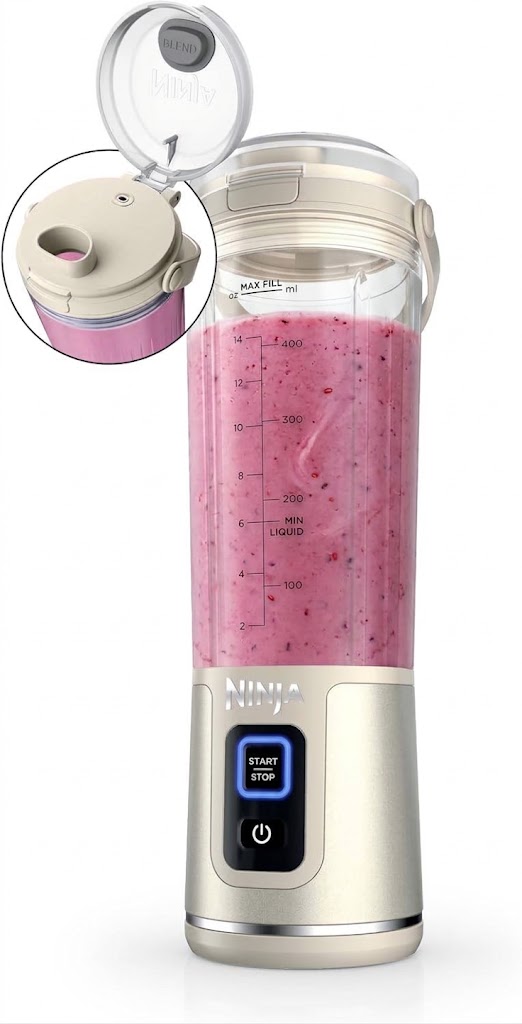
Ninja Blast Portable Blender, Cordless,18oz Vessel, Vanilla Bean
Check Price on AmazonWhen cooking frozen berries is the better choice
Cooking is a practical extra precaution if you want to reduce the risk from microbes on fruit. It is especially useful when fruit will be served to someone at higher risk of severe foodborne illness, or when public health guidance advises cooking a particular product. Heat the fruit throughout as part of a sauce, filling, or other dish, and follow any instructions tied to a recall.

Framendino, 16 Pack Artificial Chicken Nuggets Fake Fried Food Models Props for Kitchen Decor
Check Price on AmazonSome food safety agencies have issued specific advice to boil certain frozen berries because of outbreaks involving foodborne viruses. Such instructions apply to particular products, places, or situations; they are not proof that every frozen berry bag carries a parasite. If an alert applies to your fruit, follow that alert rather than relying on general handling advice.
Cooking may soften fruit and change its texture, but it can be simple: simmer berries in a saucepan until the entire portion is steaming hot and cooked through. A brief warm-up may not heat the center evenly. For a product-specific instruction, use the time and temperature given by the relevant health authority or package notice.
Who should take extra care?
Most healthy people who eat properly handled frozen fruit are unlikely to become seriously ill from it. However, foodborne infections can be more serious for pregnant people, young children, older adults, and people with weakened immune systems. These groups may choose cooked fruit more often, particularly if the fruit is imported or linked to a safety notice.
Pregnancy deserves special care because some infections can affect the pregnancy even when the pregnant person has mild symptoms. This does not mean you must avoid all frozen fruit. Choose fruit from a trusted source, follow storage and preparation directions, and ask a prenatal care professional for advice that fits your health and local food guidance.
If you have a weakened immune system or another condition that raises your risk, ask your clinician whether raw or uncooked frozen fruit is appropriate for you. A general article cannot account for your treatment, medical history, or the specific product involved.
What to do if you suspect contamination
Do not taste fruit to check whether it is safe. Parasites and other pathogens may not change the taste, smell, or appearance. If a package is part of a recall, discard it or return it as the notice directs, and do not feed it to pets.
If the fruit may have thawed during a power outage, consider how long it was warm and whether it still contains ice crystals. Food that has stayed cold or still has ice crystals may be safe to refreeze, although its quality can decline. If it has been warm for an extended time, or you cannot tell how it was stored, the safer choice is to discard it.
Wash your hands and clean any surfaces, bowls, or utensils that touched suspect fruit. Check the product name, brand, lot code, and best-by information against any recall notice. Keep the package or a photo of its label if you need to report a problem or ask a health professional about a possible exposure.
After eating potentially contaminated food, watch for symptoms such as diarrhea, stomach cramps, nausea, or fever. Symptoms and timing vary by organism, and many stomach illnesses have causes unrelated to parasites. Contact a health care professional if symptoms are severe, persistent, or concerning; seek prompt advice if you are pregnant, immunocompromised, or caring for a young child.
Common mistakes that create a false sense of safety
- Assuming frozen means parasite-free. Freezing preserves food but does not reliably eliminate every parasite or other pathogen.
- Using appearance as a safety test. Contaminated fruit can look entirely normal.
- Thinking a rinse sterilizes fruit. Running water can remove some surface material, but it cannot promise a pathogen-free product.
- Counting a smoothie as cooked food. Blending changes texture, not the temperature enough to make the fruit safe.
- Ignoring a specific recall because the fruit is still frozen. Freezing does not cancel a safety alert.
- Using soap or household cleaners on produce. These are not safe substitutes for clean water or proper cooking.
A useful point that is easy to miss: the preparation step should match the risk and the guidance for the exact product. Routine handling is sensible for ordinary fruit, while a recall or targeted public health notice calls for its own instructions. Treating every bag as dangerous is unnecessary, but treating freezing as a guaranteed safety step is also mistaken.
Frozen fruit can carry contamination from before it was frozen, but it is not inherently parasitic. Freezing preserves fruit; it does not reliably sterilize it, and a normal appearance cannot prove that it is safe.
Store fruit properly, use clean hands and equipment, and cook it when extra caution or a specific safety notice calls for that step. Check the label and current recall information before eating fruit you suspect may be affected.
If you are pregnant, immunocompromised, or develop concerning symptoms after a possible exposure, contact a health care professional for advice specific to your situation.
