how long does fruit last when frozen: storage times
Fruit usually keeps its best flavor and texture for about 8 to 12 months in a freezer kept at 0°F (-18°C). It can remain safe longer if it stays continuously frozen, but quality gradually declines.
How long does fruit last when frozen depends on the fruit, how ripe it was, and how well you packed it. This guide explains practical storage times, the best way to freeze different fruits, and how to thaw or use them without sacrificing more texture than necessary.
How long does fruit last when frozen?
For most fruit, plan to use it within 8 to 12 months for the best quality. Keep the freezer at 0°F (-18°C) or below, and use airtight, moisture-resistant packaging to limit drying and flavor changes.
That time frame is a quality target, not a hard safety deadline. Fruit that remains continuously frozen at 0°F stays safe indefinitely in the usual food-safety guidance, though its taste, color, and texture can worsen over time. Fruit that has thawed, warmed, or been exposed to unsafe conditions needs a different assessment.
Storage charts give ranges because fruit does not all freeze alike. Berries may hold up well for baking, while juicy fruit such as watermelon becomes much softer after thawing. A package label may recommend a shorter period for best quality, so follow it when available.
These estimates assume fruit was fresh and in good condition before freezing. Freezing preserves the condition of food at the time it goes into the freezer; it does not restore overripe, bruised, or spoiled fruit.
Typical freezer storage times by fruit
Use this table as a practical guide for best quality, not as a safety cutoff. The storage ranges are approximate because preparation, packaging, freezer temperature, and intended use all affect the result.
| Fruit | Best-quality guideline | Texture after thawing | Best for |
|---|---|---|---|
| Strawberries | 8–12 months | Soft; sliced berries may lose more juice | Smoothies, sauces, baking |
| Blueberries | 8–12 months | Often hold their shape fairly well | Muffins, pancakes, smoothies |
| Raspberries and blackberries | 8–12 months | Delicate and likely to soften | Sauces, baking, blended drinks |
| Peaches and nectarines | 8–12 months | Soft, especially if sliced | Cobblers, sauces, smoothies |
| Mango | 8–12 months | Usually softens after thawing | Smoothies, sauces, cooking |
| Cherries | 8–12 months | Softens; pits should be removed first | Pies, sauces, baking |
| Apples and pears | 8–12 months | Soft; peeled or sliced pieces suit cooking | Pies, crisps, compotes |
| Bananas | 2–3 months for best quality | Very soft after thawing | Smoothies, banana bread |
| Melon | 8–12 months | Often watery or mushy after thawing | Blended drinks, frozen treats |
| Citrus segments | Up to 6 months for best quality | Juicy, with a softer texture | Drinks, sauces, cooking |
Times in the table are broad home-storage estimates, not guarantees for every variety or freezer. If you mainly want fruit for a smoothie or cooked dish, a change in texture may matter less than it would for a fruit platter. For packaged fruit, use the manufacturer’s directions as your first reference.
What affects frozen fruit’s shelf life?
Freezer temperature and temperature changes
A steady temperature of 0°F (-18°C) or below helps preserve quality. Frequent warming and refreezing can create larger ice crystals, which damage the fruit’s cells and leave it softer and wetter after thawing.
Store fruit toward the back of the freezer, where temperatures tend to be more stable, rather than in the door or a frequently opened front area. Avoid putting a large batch of room-temperature food directly beside already frozen items; chill it first when practical, then freeze it promptly.
Air exposure and packaging
Air around the fruit can dry its surface and cause freezer burn, which appears as dry, pale, or tough patches. Freezer burn affects quality, but it does not by itself make food unsafe. Cut away badly affected areas if you dislike their taste or texture.
Use freezer-grade bags or rigid containers that close tightly. Remove as much air as possible from bags without crushing delicate fruit, and leave a little headspace in rigid containers because liquid and fruit can expand as they freeze. Ordinary thin storage bags may not protect food as well over long periods.
Ripeness and preparation
Freeze fruit when it is ripe and flavorful, but not moldy, fermented, or badly bruised. Wash it under clean running water, dry it well, and remove stems, pits, cores, or inedible peel as needed. Extra surface moisture can freeze into clumps and ice.
Some fruits brown after cutting because enzymes react with oxygen. That color change is usually a quality issue rather than a safety warning. Lemon juice or a commercial ascorbic-acid treatment can help slow browning in fruit such as apples, peaches, and pears; use the product directions for the right amount.
How to freeze fruit so it keeps its quality
- Sort and prepare the fruit. Discard damaged pieces, wash the rest, and dry them. Peel or pit fruit if that makes it easier to use later.
- Choose a format that suits your recipes. Freeze berries whole, cut larger fruit into pieces, or mash fruit intended for sauces. Smaller pieces are convenient, but cut surfaces can dry or discolor more quickly.
- Pre-freeze pieces on a tray when you want them separate. Spread fruit in one layer on a lined baking sheet and freeze until firm. Then transfer it to a freezer bag or container. This step is useful for berries and sliced fruit because it helps prevent one solid clump.
- Pack, label, and date it. Use a tight-sealing freezer container, remove excess air from bags, and write the fruit and freezing date on the package. Labels make it easier to use older food first.
- Freeze promptly. Place packages in a cold part of the freezer and keep them closed until the fruit is firm. Leave enough space around fresh packages for cold air to circulate.
Tray freezing is optional. If you plan to use the entire package in one recipe, pack it directly into a container instead. Fewer handling steps can save time, and the fruit does not need to be loose if you will thaw it all together.
Which freezing method is right for your fruit?
Dry packing is the simplest choice for most fruit. Other methods can help preserve color, sweetness, or convenience, but they also change how the fruit tastes and is used.
| Method | How it works | Trade-off | Best for |
|---|---|---|---|
| Dry pack | Pack prepared fruit with no added liquid | Simple, but cut fruit may brown or dry if poorly sealed | Berries, smoothies, baking |
| Tray freeze, then pack | Freeze pieces separately before bagging | Needs tray space and an extra step | Fruit you will portion a little at a time |
| Sugar pack | Coat or mix fruit with sugar before packing | Adds sweetness and changes the recipe’s sugar balance | Some berries, peaches, dessert fillings |
| Syrup pack | Cover fruit with cooled syrup in a container | Uses more space and adds sweetness | Fruit intended to be served thawed |
| Puree | Blend or mash fruit, then freeze in portions | Removes the original piece-by-piece texture | Sauces, baby-food portions, smoothies |
There is no need to add sugar to make fruit safe to freeze. Sugar is an optional quality and flavor choice, not a requirement. If you use it, account for the added sweetness when following a recipe.

Framendino, 16 Pack Artificial Chicken Nuggets Fake Fried Food Models Props for Kitchen Decor
Check Price on AmazonHow to thaw frozen fruit and use it well
Thaw fruit in the refrigerator when you want more even results and a cooler, safer handling temperature. Put it in a covered bowl or container to catch juice, and use it soon after thawing. For cooking, baking, or a smoothie, you can often use fruit straight from the freezer instead.
Thawing fruit on the counter can leave its surface warm while the center remains frozen. Refrigeration is the better approach when the fruit will not be cooked or blended. Do not leave perishable food at room temperature for extended periods.
Frozen fruit releases liquid as its cells soften. Drain it if a wet filling would spoil a pie or pastry, or keep the juice for a sauce or drink. For baking, follow the recipe’s instructions about frozen versus thawed fruit; adding frozen pieces may change baking time or release moisture into the batter.
For smoothies, add frozen fruit directly to the blender. It chills the drink and avoids an unnecessary thaw-and-drain step. For compote or sauce, heat the fruit gently and let the released juices become part of the dish.
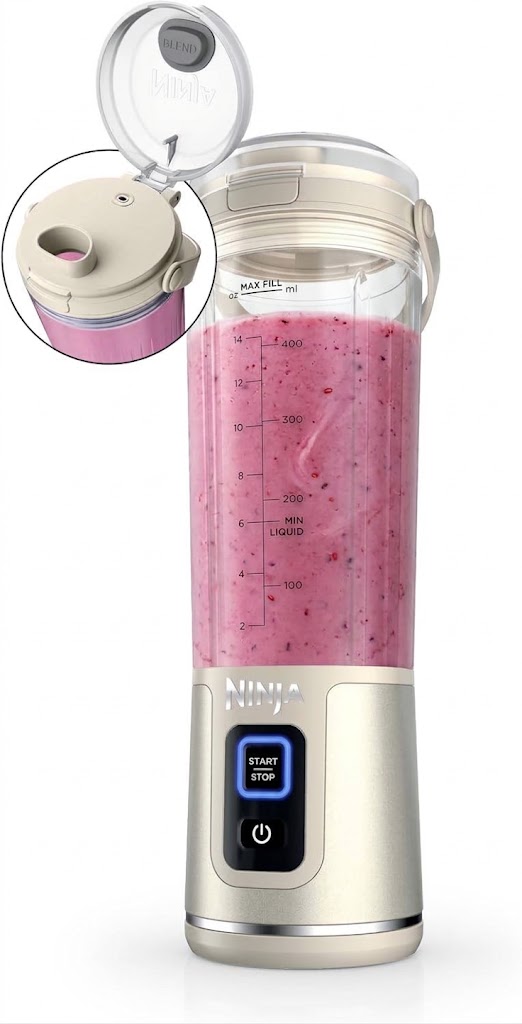
Ninja Blast Portable Blender, Cordless,18oz Vessel, Vanilla Bean
Check Price on AmazonHow to tell whether frozen fruit is still good
Check the package and the fruit before using it. A little frost or a few ice crystals can indicate temperature changes or moisture in the package, but appearance alone does not always tell you whether food is unsafe.
- Dry, pale, or leathery patches: These are typical signs of freezer burn. The affected fruit may taste stale or have a poor texture, but freezer burn alone does not make it unsafe.
- Large ice clumps or a solid frozen block: The fruit may have thawed slightly and refrozen, or it may have been packed with excess moisture. Quality may suffer.
- Off odor, mold, or a fermented smell after thawing: Do not taste it to check. Discard fruit with clear signs of spoilage.
- Unknown thawing history: If you cannot tell how warm the fruit became, take the cautious route rather than relying on its smell or appearance.
In a power outage, keep the freezer door closed as much as possible. If fruit still contains ice crystals or has remained at 40°F (4°C) or below, it can generally be refrozen or used, though quality may decline. Discard perishable food that has been warmer than 40°F for more than two hours; when the temperature history is uncertain, do not take a chance.
Common mistakes that shorten quality
Putting wet fruit straight into a bag
Water left on the surface can freeze into a thick layer of ice and glue pieces together. Dry the fruit before packing, especially if you want to remove only a small portion at a time.
Using a container that is too large
A mostly empty package leaves more air around the fruit. Choose a package close to the portion size you expect to use, while leaving room for expansion where needed.
Assuming every fruit thaws like fresh fruit
Freezing breaks some of the structure that gives fruit its firm bite. Softness after thawing is normal, especially with high-water-content fruit. That does not mean the fruit was mishandled; it may simply be better suited to a smoothie, sauce, or baked dish.
Keeping an old package without a date
Fruit can be hard to identify once frozen, and frost can obscure the contents. Label each package with its name and date before it goes into the freezer. Use older packages first, and set aside the most delicate fruit for earlier use.
Does frozen fruit expire?
Frozen fruit does not have a single exact expiration date that applies to every package. If it has stayed continuously frozen at 0°F (-18°C) or below, the main concern over time is usually declining quality, not a sudden loss of safety on a particular month or day.
That does not mean every old package should be eaten regardless of its history. A damaged seal, signs of spoilage after thawing, or an uncertain period of warming can change the decision. Follow package directions, keep the freezer cold, and discard food when its safety is in doubt.
For the best taste and texture, aim to use most frozen fruit within 8 to 12 months and keep it at 0°F (-18°C) or below. Airtight packaging, dry fruit, and steady freezer temperatures matter as much as the calendar.
How long does fruit last when frozen? It can remain safe longer if it stays continuously frozen, but quality declines with time. Label your next batch with the date, then choose a portion size and freezing method that match how you plan to use it.
