can guinea pigs have frozen fruit? Safe serving tips
Yes, can guinea pigs have frozen fruit? They can have a small amount of plain fruit that has been fully thawed, but don’t serve it frozen solid. Fruit is sugary, so it belongs in the occasional-treat category, not a daily meal.
This guide explains which frozen fruits are suitable, how to thaw and portion them, and what ingredients to avoid. You’ll also learn how to introduce a new treat and spot signs that it doesn’t agree with your guinea pig. For everyday nutrition, hay, fresh water, and a balanced guinea pig diet matter far more than fruit.
Can guinea pigs have frozen fruit safely?
Yes. A healthy guinea pig can usually eat a little plain frozen fruit once it has thawed completely. Choose fruit with no added sugar, syrup, seasoning, or other ingredients. Serve a tiny portion and treat it as an occasional extra.
Do not offer fruit while it is still hard or icy. Frozen pieces can be difficult to bite and chew, and the cold, firm texture may be uncomfortable. Thawing also makes it easier to cut the fruit into a small, manageable piece. The fruit does not need to be warmed; cool or room-temperature fruit is fine.
Frozen fruit is not a necessary part of a guinea pig’s diet. It is not better for them than fresh fruit, and it should not replace hay, suitable vegetables, or a complete guinea pig pellet. The key is plain, fully thawed, and very small portions.
Which frozen fruits are suitable?
Many fruits that are safe as occasional guinea pig treats are also suitable when frozen, provided they are plain and thawed. Berries are convenient choices because they can be cut into small pieces. Apples can also be offered, but remove the core and seeds first. Take care to check any frozen fruit mix: it may contain pieces that are too large or ingredients that should not be served.
| Fruit | How to prepare it | Best for |
|---|---|---|
| Strawberry | Remove the leafy top, thaw, and cut into a small piece. | A simple occasional treat |
| Blueberry | Thaw fully; cut or lightly crush if the berry is large. | A small, easy-to-portion taste |
| Raspberry | Thaw and offer a small piece; check that it is clean. | A soft, small serving |
| Apple | Remove seeds and core, then cut the flesh into a small piece. | A crisp-fruit treat after thawing |
| Melon | Offer only the flesh; remove rind and seeds. | A small taste of a more watery fruit |
| Banana | Offer only a tiny piece because it is rich and sweet. | A rare treat rather than a regular choice |
Fruit suitability depends on the fruit itself, not just whether it has been frozen. Avoid rhubarb and avocado, and do not feed fruit pits or seeds. If you are unsure about a specific fruit, leave it out until you can confirm it is safe for guinea pigs.
How to thaw and serve frozen fruit
Use this simple routine to reduce mess and avoid serving a hard, icy piece:
- Check the package. Choose fruit that lists only the fruit itself. Avoid products with added sugar, syrup, sweeteners, flavorings, or a sauce.
- Take out a tiny amount. Remove only what you plan to serve. Keeping the rest frozen helps prevent repeated thawing and refreezing.
- Thaw it fully. Place the portion in a clean dish in the refrigerator, or let it thaw briefly in a clean container. Do not serve it while the center is still frozen.
- Inspect and prepare it. Discard any piece that smells off or looks spoiled. Remove seeds, pits, rind, or tough parts as needed, then cut the fruit into a small bite.
- Offer it on a clean surface. Let your guinea pig eat at its own pace, and remove uneaten fruit rather than leaving it in the enclosure.
A microwave is usually unnecessary for a tiny treat. If you do use one to speed thawing, check carefully for hot spots and let the fruit cool completely before serving. A piece can feel cool on the outside while remaining warm in the center.
Wash your hands and use a clean knife and dish. Keep the fruit separate from raw meat and other foods that could contaminate it. These basic steps are especially useful if the package has been open in the freezer or the fruit is handled by several people.
How much fruit should a guinea pig eat?
Keep the serving small. For a healthy adult, start with one or two little bite-sized pieces—about a teaspoon or two of chopped fruit, depending on the fruit and the animal’s size. That is a cautious treat portion, not a required daily serving. A whole handful or a bowl of fruit is too much.
Fruit contains natural sugar and provides less of the fiber guinea pigs need than hay. Too much can contribute to weight gain and may upset digestion. A small portion lets your pet enjoy the taste without letting a sweet snack crowd out the foods that should make up most of the diet.
Offer fruit infrequently, such as once or twice a week at most, rather than serving it every day. Some guinea pigs may need less or none. Follow your veterinarian’s guidance if your pet has a health condition, is overweight, or has a history of digestive trouble.
Keep portions consistent. If several people feed your guinea pig, agree on who gives treats and how often. Otherwise, one small snack from each person can quickly add up to a much larger serving than intended.
How often should you give a new fruit?
Introduce only one new food at a time. Start with a very small piece and wait to see how your guinea pig responds before offering it again. This makes it easier to identify the cause if appetite or droppings change.

Framendino, 16 Pack Artificial Chicken Nuggets Fake Fried Food Models Props for Kitchen Decor
Check Price on AmazonWatch for loose or unusually soft droppings, fewer droppings, a change in appetite, or signs of discomfort. Stop the new treat if you notice a change. If your guinea pig stops eating, produces very few droppings, or seems unwell, contact a veterinarian promptly. Guinea pigs can become seriously ill when they do not eat.
Do not assume that a food is suitable just because another guinea pig enjoys it. Individual tolerance varies, and a pet with a sensitive digestive system may do best with a simpler diet. When in doubt, skip the fruit and stick with familiar foods while asking an exotic-animal veterinarian for advice.
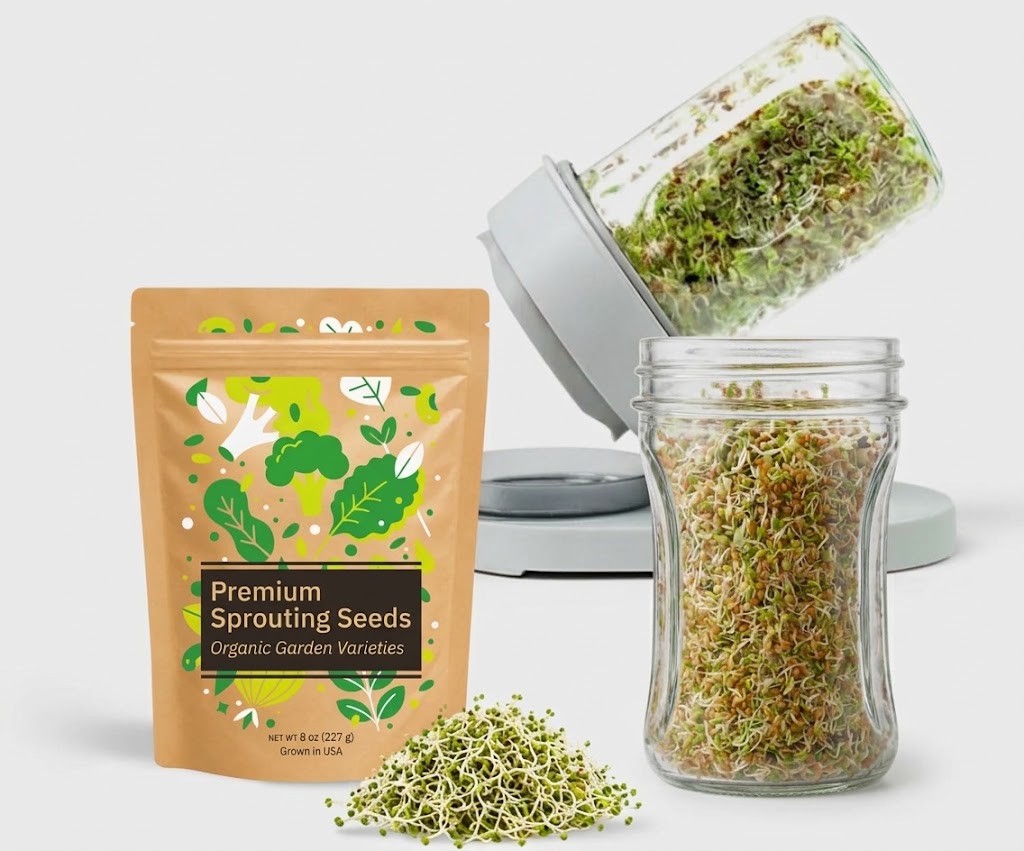
Jar Sprouting Kit with 8oz Broccoli Sprout Seeds
Check Price on AmazonWhat should you check on frozen-fruit packaging?
Plain frozen fruit is the easiest option to assess. Read the ingredient list rather than relying only on the front of the bag. Products labeled sweetened, glazed, in syrup, or prepared as a dessert are not appropriate treats for guinea pigs.
- Avoid added sugar and syrup. These increase sweetness without adding anything your pet needs.
- Avoid sweeteners and flavorings. A product made for people may contain ingredients that are not suitable for pets.
- Skip fruit-and-dessert mixes. Chocolate, yogurt coatings, cream, and baked toppings do not belong in a guinea pig’s treat.
- Check for seeds, pits, and tough pieces. Remove hazards and parts your guinea pig cannot comfortably eat.
- Do not serve spoiled or contaminated fruit. If packaging is damaged or the contents smell unusual, discard the portion.
Frozen fruit that has freezer burn is often dry or unpleasant in texture, though that is different from visible spoilage. If you are uncertain about its condition, do not feed it. A fresh, plain portion is a better choice than trying to salvage questionable food.
Frozen fruit versus fresh fruit
Both fresh and frozen fruit can be occasional treats when the fruit is suitable and served in a small amount. Freezing is mainly a storage method; it does not make fruit a more complete or more valuable food for a guinea pig. Choose whichever option is plain, easy to portion, and in good condition.
| Option | Practical advantage | What to watch for |
|---|---|---|
| Fresh fruit | Ready to serve and easy to inspect. | Wash it, prepare it safely, and remove uneaten pieces. |
| Plain frozen fruit | Can be portioned from the freezer for an occasional treat. | Thaw fully, check ingredients, and avoid refreezing a thawed serving. |
| Sweetened or prepared fruit | Convenient for people, but not a suitable pet treat. | Added ingredients make it a poor choice; leave it out. |
Freezing can change a fruit’s texture after thawing. It may become softer or release more juice, so offer it in a clean dish and wipe up any mess. Do not use frozen fruit as a substitute for fresh water or as a way to encourage a guinea pig to drink.
Why fruit must stay an occasional treat
Guinea pigs need a steady supply of grass hay, which supports normal digestion and gives them fiber to chew. They also need fresh water and a suitable daily diet, including a measured guinea pig pellet and appropriate vegetables. Fruit should take up only a small part of the overall diet.
Guinea pigs cannot make their own vitamin C, so they need a reliable daily source. Fruit does contain vitamin C, but its sugar content makes it a poor main strategy for meeting that need. Use a balanced diet and ask a veterinarian about an appropriate vitamin C plan, especially if your pet is young, unwell, or eating poorly.
Another common mistake is thinking a hard frozen piece helps wear down teeth. Hay, not frozen fruit, is the important everyday chewing food. Guinea pig teeth grow continuously, and a frozen snack does not replace a hay-based diet or veterinary care for dental problems.
Common mistakes to avoid
Even a suitable fruit can become an unsuitable treat if it is served carelessly. Avoid these frequent errors:
- Serving it straight from the freezer. Thaw it completely and check the center, not just the outside.
- Giving a large portion. A few tiny pieces are enough for a taste; fruit is not a meal.
- Offering fruit every day. Frequent sweet treats can displace more useful foods.
- Assuming all frozen mixes are plain. Read the full ingredient list and pick out nothing from a mix with added ingredients.
- Leaving leftovers in the cage. Wet fruit can spoil or become dirty, so remove what is not eaten.
- Introducing several foods together. Try one new item at a time so you can track your pet’s response.
Also avoid using fruit to mask a sudden loss of appetite. A guinea pig that refuses normal food needs attention, not a sweeter snack. Contact a veterinarian rather than waiting to see if a favorite treat changes the situation.
When to ask a veterinarian first
Check with a veterinarian before adding fruit if your guinea pig has diabetes, obesity, a digestive condition, dental trouble, or another health issue that affects food choices. The same applies if your pet is on a prescribed diet. A general treat recommendation may not fit an individual animal’s needs.
Seek prompt veterinary advice if your guinea pig has persistent diarrhea, stops eating, appears painful, or has a marked change in droppings after eating a treat. Do not try to treat those signs by changing foods repeatedly. A veterinarian familiar with guinea pigs can assess the cause and recommend the right care.
For a healthy pet, a tiny taste of plain fruit is usually a simple treat decision. Keep the everyday diet steady, introduce changes gradually, and leave out anything sweetened, icy, or questionable.
Yes, can guinea pigs have frozen fruit? They can have a little plain fruit once it is fully thawed, but it should remain an occasional treat. Hay, fresh water, and a balanced daily diet are far more important.
Choose an un sweetened single-fruit option, remove seeds or pits, and offer just one or two small pieces. Start with a new fruit in a tiny amount, then stop if your pet’s appetite or droppings change.
