is frozen fruit safe to eat right now: safety tips
is frozen fruit safe to eat right now? Usually, yes, if it was frozen and stored properly and the package is not part of a recall. Freezing keeps food cold and slows the growth of many germs, but it does not reliably kill harmful bacteria or viruses already present.
For a specific bag, check its label, condition, storage history, and any current recall notice for the brand and lot code. This guide explains when frozen fruit is safe to eat, how to thaw it, what warning signs matter, and when cooking is the safer choice.
Is frozen fruit safe to eat right now?
Frozen fruit is generally safe when it has stayed frozen or properly refrigerated, the package is intact, and there is no applicable recall. However, no general answer can confirm the safety of every bag in your freezer. The brand, lot code, handling history, and whether the fruit has thawed all matter.
Freezing slows or stops the growth of many germs while food remains frozen, but it does not reliably destroy all bacteria, parasites, or viruses. Some germs can survive freezing and become active again after the fruit thaws. That is why frozen fruit still needs careful handling.
If you are asking about a particular package, look up the manufacturer and lot code in current food recall notices from an official food-safety agency. Do not eat fruit that matches a recall, even if it looks and smells normal. Recalls can apply to specific products or batches, not every frozen fruit sold.
What makes frozen fruit unsafe?
Contamination can happen before fruit is frozen, during processing, or after a package is opened. Freezing is a preservation method, not a way to make contaminated food safe. Germs that cause foodborne illness may not change the fruit’s smell, color, or taste.
Contamination before freezing
Fruit can pick up harmful germs from soil, water, handling, or processing equipment. Berries are often eaten without peeling, so there is no outer layer to remove. A rinse may wash away some dirt, but it cannot reliably remove every germ or virus.
That matters especially for fruit eaten straight from the bag. Some frozen fruit packages are intended for cooking or baking, while others are marketed for smoothies or other ready-to-eat uses. Follow the package directions, and do not assume that freezing has made fruit ready to eat without further preparation.
Thawing and refreezing
Fruit can become unsafe if it sits at room temperature for too long or is exposed to contaminated hands, surfaces, or utensils after thawing. A thawed bag left warm on a counter is a different situation from fruit thawed in the refrigerator and kept cold.
Refreezing does not make mishandled fruit safe. If the fruit was thawed safely in the refrigerator and kept at 40°F (4°C) or colder, it can generally be refrozen, though the texture may suffer. If it sat out for more than two hours—or more than one hour in temperatures above 90°F (32°C)—discard it. When you cannot tell how long it was warm, the safer choice is to throw it away.
How to check a bag before eating it
Use these checks before serving frozen fruit. They help you catch known hazards, but they cannot prove that a product is free of germs.
- Check for a recall. Match the product name, brand, lot or batch code, and package size against current recall information. If it is included, follow the notice’s instructions for returning or discarding it.
- Inspect the package. Avoid a bag that is open, leaking, badly torn, or visibly contaminated. A little frost on the outside is not by itself proof of a safety problem.
- Consider the freezer history. Fruit that has remained frozen is generally safe from bacterial growth during storage. If it thawed during a power outage or after being left out, check how warm it became and for how long.
- Look at the fruit after thawing. Discard fruit with mold, an unusual fermented or rotten odor, or signs of contamination. Do not taste it to decide whether it is safe.
- Follow the label. Use the package’s storage and preparation directions, especially if it says to cook the fruit before eating.
Appearance and smell are useful for spotting spoilage, not for ruling out foodborne germs. Some contaminated food looks completely ordinary. That is why the recall check and safe storage history matter more than a taste test.
Which frozen fruit preparation is safest?
The safest approach depends on the fruit’s intended use, who will eat it, and how it was handled. Use this comparison to choose a practical option.
| Preparation | What to do | Best for |
|---|---|---|
| Eat frozen | Eat only if the label permits it, the package is not recalled, and the fruit has stayed frozen and clean. | Fruit sold for ready-to-eat uses and people without added food-safety risk. |
| Thaw in the refrigerator | Put the amount you need in a clean, covered container and let it thaw in the refrigerator. | Overnight preparation, toppings, and recipes that need soft fruit. |
| Use directly in cooking | Add the fruit to a recipe and cook it thoroughly according to the recipe’s directions. | Baking, sauces, fillings, and fruit intended for cooked dishes. |
| Thaw at room temperature | Avoid leaving fruit out for extended periods; refrigerate it promptly once thawed. | Not the preferred method when refrigerator thawing is practical. |
Cooking is the more cautious option for people at higher risk of severe foodborne illness. This includes pregnant people, young children, older adults, and people with weakened immune systems. Thorough cooking reduces risk, but follow the product label and any applicable recall directions. Cooking does not make recalled food acceptable to eat.
How to thaw frozen fruit safely
Thawing in the refrigerator gives you the best control over temperature. It also helps keep fruit from sitting in the range where germs can grow quickly. Plan ahead, since a large container may need several hours or overnight to thaw.
- Wash your hands with soap and water before handling the bag or fruit.
- Take out only what you need. Use a clean spoon or scoop rather than reaching into the package with your hands.
- Transfer the portion to a clean, covered container. Keep raw foods and their juices away from the fruit.
- Thaw it in the refrigerator at 40°F (4°C) or colder. Use it promptly once thawed.
- Clean up spills and wash utensils, containers, and work surfaces after handling the fruit.
If you need fruit for a recipe right away, add it frozen directly to a cooked dish when the recipe allows. For microwave thawing, use a microwave-safe container and cook or use the fruit immediately afterward. Avoid thawing a large bag on the counter while you wait for it to soften.
Is frozen fruit safe in smoothies?
It can be, provided the fruit is not recalled, has been stored properly, and its label does not require cooking. Smoothies do not cook their ingredients. Blending changes the texture, but it does not reliably kill germs that may be on the fruit.

Framendino, 16 Pack Artificial Chicken Nuggets Fake Fried Food Models Props for Kitchen Decor
Check Price on AmazonKeep the fruit cold until you blend it, wash your hands, and use a clean blender jar and utensils. Drink the smoothie promptly or refrigerate it. Do not leave a smoothie sitting at room temperature for extended periods, and do not put leftover smoothie back into the original fruit bag.
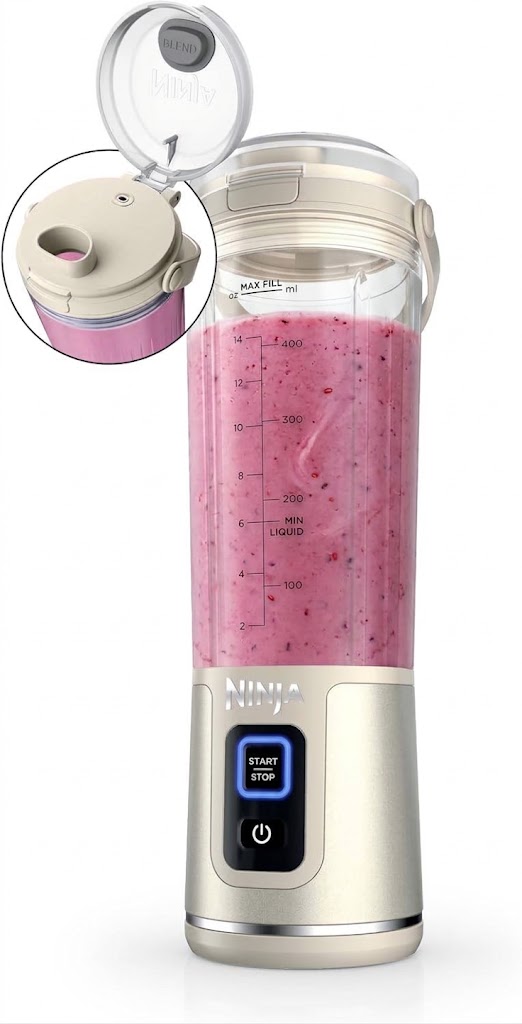
Ninja Blast Portable Blender, Cordless,18oz Vessel, Vanilla Bean
Check Price on AmazonIf the package directs you to cook the fruit before eating, use a cooked-fruit option instead of adding it straight to a smoothie. People at higher risk of severe illness may also prefer thoroughly cooked fruit, particularly when the package’s intended use is unclear.
What to do after a freezer problem
A power outage does not automatically make frozen fruit unsafe. The important questions are whether the fruit stayed cold and whether it still contains ice crystals. Keep the freezer door closed during an outage to help it hold its temperature.
A full, unopened freezer can typically keep food frozen for about 48 hours; a half-full freezer for about 24 hours. These are general estimates, and the actual time depends on the freezer, room temperature, and how often the door was opened. If fruit still has ice crystals or feels as cold as refrigerated food, it can generally be refrozen or used. If it has warmed above 40°F (4°C) for more than two hours, discard it.
When you do not know how long food was warm, do not rely on smell or taste to decide. If there is doubt about a bag’s temperature history, discarding it is safer than taking a chance. Refreezing can preserve food that stayed safely cold, but it cannot undo unsafe warming.
Freezer burn, frost, and quality changes
Freezer burn happens when air dries out parts of frozen food. It may leave dry, pale, or leathery patches, but it is usually a quality problem rather than a safety problem. The fruit may taste less fresh or have a tougher texture. You can trim affected parts or use the fruit in a cooked recipe if the rest of its storage history is sound.
Ice crystals can form when moisture moves within a package or the fruit partially thaws and refreezes. A few crystals do not automatically mean the fruit is unsafe. However, a large frozen mass, juice leaked inside the bag, or fruit frozen together may suggest temperature changes. Consider how long it may have thawed, and discard it if it was held too warm for too long.
Quality also declines over time, even when fruit remains frozen. Texture can become softer after thawing, and flavor may fade. Those changes do not by themselves mean the fruit is dangerous, but mold, a bad odor, or a known recall are reasons not to eat it.
How to store frozen fruit after opening
Put the fruit back in the freezer promptly after taking out a portion. Press excess air from a resealable bag, close it securely, and return it to a freezer set to 0°F (-18°C) or colder. If the original bag does not reseal, transfer the fruit to a clean, freezer-safe airtight container.
Use a clean scoop each time, and avoid letting the bag sit on the counter while you prepare other food. Label a transferred container with the fruit name and the date you opened it. This simple step helps you use older packages first and keeps their storage history clear.
For best quality, follow any storage time guidance on the package. Freezing at 0°F (-18°C) keeps food safe while it remains continuously frozen, but texture and flavor can still decline over time. Keep the freezer organized so older fruit does not get forgotten at the back.
Common frozen fruit safety mistakes
- Assuming freezing kills every germ: It does not reliably eliminate harmful germs already present.
- Using smell as the only safety test: Food can carry harmful germs without looking or smelling spoiled.
- Rinsing and assuming the fruit is sanitized: Rinsing can remove some surface debris, but it is not a dependable way to remove all pathogens.
- Ignoring the cooking directions: If a package tells you to cook the fruit, follow that instruction rather than using it raw.
- Refreezing fruit that sat warm: Refreezing does not reverse unsafe handling or remove germs.
- Eating food listed in a recall after cooking it: Follow the recall notice; do not assume cooking makes recalled fruit safe.
The most useful distinction is between a quality issue and a safety issue. Freezer burn or a softer texture usually affects enjoyment. A recall, prolonged warm storage, a damaged package, or visible spoilage calls for a more cautious response.
is frozen fruit safe to eat right now? Usually, yes, if the package is not recalled and the fruit has stayed properly frozen or cold. Freezing preserves fruit, but it does not reliably remove germs, and a normal appearance cannot prove that a bag is safe.
Before eating a specific package, check its brand and lot code against current recall notices, follow the label, and thaw only the amount you need in the refrigerator. If the fruit was warm too long, looks spoiled, or has an uncertain history, discard it rather than taste-testing it.
