should frozen fruit be washed before eating? Quick answer
Should frozen fruit be washed before eating? Usually, you do not need to rinse it, but washing cannot make contaminated fruit reliably safe. Check the package first: if it says to cook the fruit, follow that direction rather than serving it raw.
Frozen fruit is often washed during processing, but freezing does not kill every harmful germ. This guide explains when rinsing makes sense, how to thaw fruit without spreading germs, and when cooking is the safer choice. You will also learn how to protect the fruit’s texture and avoid common handling mistakes.
Should frozen fruit be washed before eating?
Not routinely. If the package gives no instruction to wash or cook the fruit, you can generally use it as directed. Packaged fruit may have been washed during processing, but handling and processing do not guarantee that it is free of harmful germs.
Rinsing can remove some surface dirt or residue, but it does not reliably remove viruses or bacteria. It cannot reach germs that are lodged in damaged fruit or attached firmly to its surface. Washing is not a substitute for cooking when the package or a food-safety notice calls for heat.
Start with the label. A direction such as “cook before eating” means the fruit is not intended to be eaten straight from the bag. Follow the specified preparation method. If the package says the fruit is ready to eat, use it according to the label and handle it with clean hands and utensils.
If the package has no clear directions and you plan to serve the fruit raw, a brief rinse under cool, clean running water is an option. It may remove loose debris, but it does not make the fruit sterile or guarantee safety. For people at higher risk from foodborne illness, cooked fruit can be a more cautious choice.
Why frozen fruit can still carry germs
Freezing preserves fruit by slowing the growth of many microbes. It does not reliably kill all bacteria, viruses, or parasites that may be present. Some germs can survive frozen storage and become active again as the fruit thaws.
Contamination can happen at different points, including growing, harvesting, processing, packing, or preparation. Washing during commercial processing can reduce soil and surface contamination, but it is not the same as sterilizing the product. That is why package directions and food-safety alerts matter.
Frozen fruit has occasionally been included in foodborne illness alerts or recalls. A recall applies to specific products, brands, or lot codes—not automatically to every bag of frozen fruit. If you hear about an alert, compare the product and lot information with the notice, and follow its instructions. Do not taste a product to decide whether it is safe.
A sour smell, unusual color, or damaged package may be a reason to discard the fruit, but normal appearance and smell do not prove that it is safe. Foodborne pathogens are not always detectable by sight, smell, or taste. When the label or a safety notice says to cook it, cooking—not rinsing or inspecting—is the important step.
When rinsing frozen fruit makes sense
Rinsing is mainly useful for removing loose ice crystals, small bits of stems, or other visible debris. It can also help if the fruit is stuck together and you want to separate a portion before using it. For these purposes, rinse only what you need under cool running water, using a clean colander.
Do not soak the fruit in a bowl of standing water. As fruit sits in shared water, anything on one piece can spread to others. Avoid soap, detergent, bleach, and produce washes unless a product label specifically gives directions for that food; these substances are not appropriate for washing fruit at home.
Rinsing can soften berries and make them watery, especially after they have begun to thaw. If texture matters, such as for a pie topping or a smoothie, you may prefer to use the fruit directly from the freezer or thaw it according to the recipe. Rinsing thawed berries can also wash away juice and make them break apart.
When you do rinse, keep the fruit away from raw meat, poultry, seafood, and unwashed produce. Wash your hands first, clean the colander and sink area, and use a clean utensil to transfer the fruit. These simple steps reduce the risk of germs spreading from other foods or surfaces.
How to prepare frozen fruit safely
Use these steps to prepare frozen fruit while limiting contamination and avoiding unnecessary loss of texture.
- Read the package directions. Check whether the fruit is ready to eat or must be cooked. Follow any specific thawing, cooking, or storage instructions.
- Check for a recall or safety notice if you have a reason to be concerned. Match the product name and lot details, and follow the notice’s instructions. A rinse does not cancel a recall.
- Take out only the amount you need. Use a clean spoon or scoop rather than reaching into the bag with your hands. Close the package promptly and return it to the freezer.
- Choose the preparation method. Use frozen fruit directly in a recipe, thaw it in the refrigerator, or rinse a small portion under cool running water if you only want to remove loose debris. Do not treat rinsing as a germ-killing step.
- Cook it when required. Follow the package or recipe instructions, and use clean cookware. Heating the fruit thoroughly is the relevant safety measure when cooking is called for.
- Serve promptly and store leftovers safely. Keep thawed fruit chilled if you are not using it right away. Avoid leaving it out for extended periods, and do not refreeze fruit that has been left at room temperature for too long.
For refrigerator thawing, put the fruit in a covered container so its juice cannot drip onto other foods. If you thaw it in a microwave, use it right away, since microwaves can warm some areas more than others. You can also add frozen fruit straight to many cooked recipes without thawing first, provided the recipe allows for it.

Framendino, 16 Pack Artificial Chicken Nuggets Fake Fried Food Models Props for Kitchen Decor
Check Price on AmazonRinse, thaw, or cook: which method should you use?
The best approach depends on the package directions and how you plan to serve the fruit. Use this comparison as a practical guide, not as a replacement for instructions on the product or a recall notice.
| Method | What it does | Best for | Important limit |
|---|---|---|---|
| Use frozen as directed | Keeps the fruit frozen until it goes into a recipe or serving | Smoothies, baking, and recipes that call for frozen fruit | Does not meet a package instruction to cook first |
| Rinse under cool running water | Can remove loose debris or excess ice | Separating a portion or clearing visible surface material | Does not reliably remove or kill harmful germs |
| Thaw in the refrigerator | Softens fruit while keeping it cold | Yogurt, cereal, toppings, and cold recipes | Thawed fruit can become soft and release juice |
| Cook as directed | Uses heat to reduce food-safety risks | Fruit labeled for cooking or recipes that call for cooked fruit | Follow the product or recipe directions; rinsing is not an equivalent |
Quick rule: rinse for debris, thaw for texture, and cook when the label or an official safety notice instructs you to. No single method fits every package.
How to thaw frozen fruit without making it mushy
Frozen fruit releases moisture as ice crystals melt, so some softness is normal. Small berries and chopped fruit thaw faster than large pieces. For the best texture, thaw only the amount you plan to use rather than defrosting the whole bag and storing it again.
For a gradual thaw, place the fruit in a covered container in the refrigerator. A shallow layer thaws more evenly than a deep, tightly packed pile. If you are making a smoothie, sauce, or baked dish, using the fruit frozen can save time and preserve a firmer texture until it is mixed or heated.
For a quick serving, put a portion in a clean colander and rinse it briefly under cool running water. Let it drain, then serve or use it promptly. This helps separate pieces and removes surface ice; it is not a way to make fruit that requires cooking safe to eat raw.
Do not thaw frozen fruit on the counter for hours. The outside can warm while the center remains frozen, and the fruit may be exposed to germs from hands, utensils, or nearby foods. If fruit has been left out for an extended period or its handling is uncertain, use caution rather than relying on its appearance.
Special care for smoothies and other uncooked dishes
Smoothies, overnight oats, yogurt bowls, and uncooked desserts do not heat fruit. If the package says to cook the fruit before eating, do not assume blending, soaking, or adding it to a cold dish satisfies that instruction. Blend only fruit that is meant to be eaten without cooking, or cook it first as directed and cool it safely before adding it.
Keep the blender and preparation area clean. Wash hands before handling fruit, use a clean scoop, and rinse the blender jar and lid after use. If you prepare fruit in advance, cover it and keep it refrigerated rather than leaving it beside the blender or on the counter.
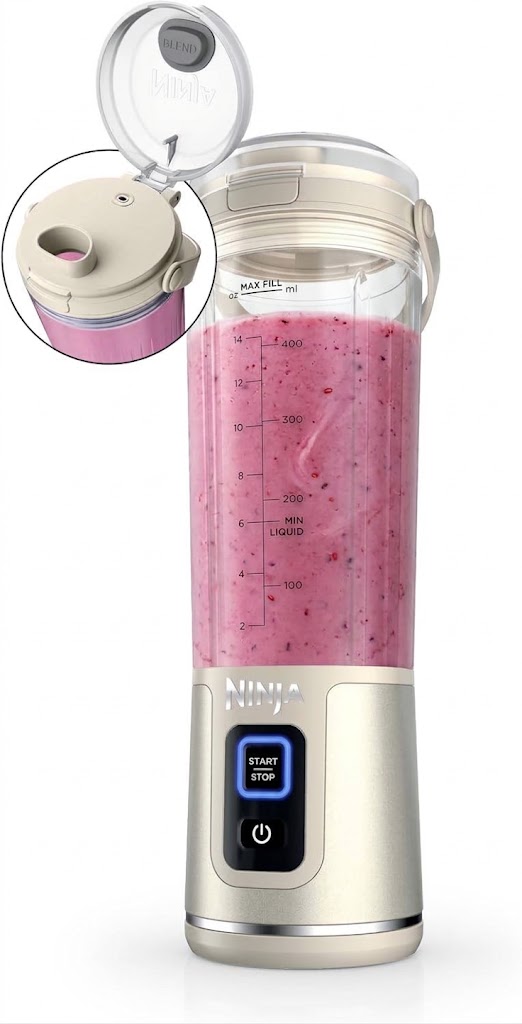
Ninja Blast Portable Blender, Cordless,18oz Vessel, Vanilla Bean
Check Price on AmazonPeople who may be more vulnerable to serious foodborne illness—such as young children, older adults, pregnant people, and people with weakened immune systems—may choose cooked fruit when package guidance or a safety concern makes raw serving uncertain. This is a cautious option, not a claim that every bag of frozen fruit is unsafe raw.
For a cooked topping, simmer the fruit in a clean pan as directed by the recipe, then serve it hot or cool it promptly for later use. If a specific recall or public-health notice gives a particular heating instruction, follow that instruction rather than substituting a general recipe method.
Common mistakes to avoid
- Assuming freezing kills every germ. Freezing slows microbial growth, but some harmful germs can survive. Thawing does not automatically make them harmless.
- Rinsing fruit instead of following a cooking direction. Water can wash away some surface material, but it is not a reliable substitute for heat when cooking is required.
- Using soap or household cleaners. They are not meant to be eaten and can leave residues. Use clean running water only when rinsing is appropriate.
- Leaving a bag open on the counter. Take out a portion with a clean utensil, close the package, and return it to the freezer promptly.
- Putting thawed fruit back without considering how it was handled. Refreezing may affect quality, and it does not undo unsafe time at room temperature or contamination during preparation.
- Assuming every frozen-fruit product has the same instructions. Products and processing methods differ. The label on your package is the first place to check.
One point is easy to miss: washing is a cleanliness step, not a food-safety guarantee. If fruit is intended to be cooked, washing it first does not make raw serving safe. If it is ready to eat, rinsing is usually a choice about surface debris and texture, not a required way to disinfect it.
Usually, frozen fruit does not need to be washed before use, and rinsing cannot reliably remove harmful germs. Check the package and follow any cooking directions or safety notice; freezing alone does not make every fruit safe to eat raw.
For your next serving, take out only what you need with a clean utensil. Rinse briefly only to remove debris, thaw in the refrigerator for a cold dish, and cook the fruit when the label says to.
