will frozen fruit break a blender: blend it safely
Will frozen fruit break a blender? Usually not, if you use a blender suited to the job and blend the fruit with enough liquid. Hard, oversized chunks, an overloaded jar, or running the motor too long can strain the blades and motor.
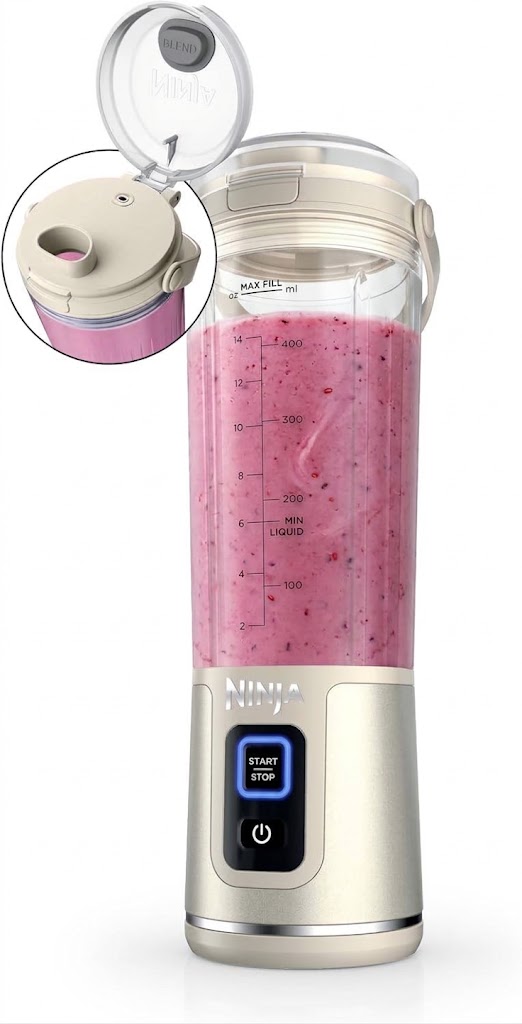
Ninja Blast Portable Blender, Cordless,18oz Vessel, Vanilla Bean
Check Price on AmazonThis guide explains what makes frozen fruit difficult to blend, how to prepare it, and which blender settings and ingredients help. You’ll also find a simple blending method, signs to stop, and ways to prevent a costly mistake. Follow your blender’s manual first, since machines differ in power, design, and approved uses.
will frozen fruit break a blender?
Frozen fruit does not automatically break a blender. Many household blenders can handle it when the fruit is cut into manageable pieces, the jar is not overfilled, and enough liquid helps the blades move the mixture. The risk depends on the blender’s design and condition, the size and hardness of the fruit, and how you operate the machine.
A blender can struggle if you drop in a solid block of frozen fruit and switch straight to high speed. The blades may spin without pulling the pieces down, a condition often called cavitation. The motor then works hard without blending effectively. Repeatedly forcing it to run can cause overheating or wear.
That does not mean you must thaw every berry first. A suitable blender can process frozen fruit for smoothies, sauces, and similar recipes. Use the steps below to reduce strain and stop if the machine gives warning signs.
What makes frozen fruit hard to blend?
Freezing makes fruit firm and difficult to cut or crush. The smaller and more solid the pieces are, the more work the blender must do to break them down. Whole frozen strawberries, large mango chunks, and fruit frozen together in a solid mass can be tougher than small individual pieces.
The mixture also needs to circulate. Blades cut most effectively when ingredients move toward them and then back up the sides of the jar. If there is too little liquid, or the fruit is packed tightly around the blades, the ingredients may stay stuck in place. The motor can continue running while the contents barely move.
Blender capacity and design matter, too. A full-size countertop blender, a personal blender, and an immersion blender do not have the same jar shape, motor, or intended tasks. A machine’s wattage alone does not tell the whole story. Blade design, cooling, container size, and the manufacturer’s instructions all affect whether it can handle frozen ingredients.
Which blenders can handle frozen fruit?
Check the owner’s manual or product instructions for guidance on frozen ingredients, ice, and smoothie preparation. Some blenders are designed for frozen drinks, while others are intended for softer ingredients. If the instructions prohibit ice or hard frozen foods, do not assume that small frozen fruit pieces are approved.
Use the comparison below as a starting point, not a substitute for the manual. Different models within each type can vary widely.
| Blender type | Frozen fruit use | Best for | Helpful approach |
|---|---|---|---|
| Full-size countertop blender | Often suitable if the manual allows it | Several servings and larger batches | Add liquid first and blend in stages |
| Personal blender | Depends on the model and cup instructions | One serving at a time | Use small pieces and avoid packing the cup tightly |
| Immersion blender | Usually less convenient for hard, frozen chunks | Softened fruit in a deep container | Thaw fruit until it is soft enough to crush |
| Low-powered or older blender | May struggle, especially with large pieces | Fresh fruit or partly thawed mixtures | Thaw the fruit and blend smaller portions |
A tamper can help move ingredients toward the blades in blenders designed to use one. It is not a universal fix. Only use the supplied tamper, and only through the lid opening as directed; never put a spoon or other utensil into a running blender.
How to blend frozen fruit without straining the motor
These steps work for many smoothie recipes, provided your blender’s instructions permit frozen fruit. Adjust the order or settings if the manufacturer recommends a different method.
- Check the fruit and the manual. Make sure the blender is approved for frozen ingredients. Break apart fruit that has frozen into a solid clump, and remove any stems, pits, or other parts that should not go in the jar.
- Cut large pieces smaller. Slice large strawberries, mango chunks, or other oversized pieces before freezing when possible. If the fruit is already frozen, let it soften enough to cut safely rather than forcing a knife through rock-hard pieces.
- Add liquid first. Pour in the recipe’s milk, water, juice, or other liquid before adding the frozen fruit. Liquid around the blades helps ingredients circulate. Start with the amount your recipe calls for and add more gradually if the mixture will not move.
- Load in manageable amounts. Add frozen fruit loosely rather than compressing it. Stay below the blender’s maximum fill line, and make a smaller batch if the jar is crowded.
- Start low or use a pulse setting. If available, use short pulses or a low setting to begin breaking up the pieces. Once the fruit is moving and partly crushed, increase speed as the manual directs.
- Pause if the mixture stalls. Turn the blender off and wait for the blades to stop before removing the lid. Scrape down the sides or reposition the contents with a utensil only while the machine is off. Add a little more liquid if needed.
- Blend only until smooth. Stop once the texture is right. Long blending does not help if ingredients are not circulating, and it can add unnecessary heat to the motor.
For a thick smoothie bowl, use less liquid only if your machine is built to process thick mixtures. Add frozen fruit in smaller batches and use the approved tamper if your blender includes one. A thin smoothie is easier to blend than a very thick mixture, so make the texture thicker gradually.
Do you need to thaw frozen fruit first?
No, not always. If the blender is approved for frozen ingredients and the recipe includes enough liquid, you can often add fruit straight from the freezer. The fruit may take longer to break down than fresh fruit, and the finished drink will usually be colder and thicker.
Partial thawing is a useful middle ground when your blender struggles. Leave the fruit out briefly until the pieces soften around the edges but still feel cold. The exact time varies with piece size, room temperature, and the amount of fruit, so judge by texture rather than relying on a fixed timer.
Thaw fruit in the refrigerator if you want to prepare it ahead of time. Do not leave perishable fruit at room temperature for an extended period. If thawed fruit will not be used promptly, follow safe food-storage guidance for your household and the product’s package directions.
Thawing may be especially helpful for an older blender, a compact personal blender, a recipe with very little liquid, or fruit frozen in large pieces. It can also make it easier to blend fruit with yogurt or other thick ingredients.
What to do if the blender gets stuck
If the blades spin but the fruit stays in place, do not keep running the blender in the hope that it will eventually catch. Turn it off and unplug it before checking the jar or moving ingredients. A brief pause can prevent extra strain and gives you a chance to correct the cause.
- Check for a jam. With the machine unplugged, inspect the contents for a large piece wedged near the blades. Remove or reposition it with a utensil, keeping your fingers away from the blade assembly.
- Make the mixture easier to move. Add a small amount of liquid, reduce the amount of fruit, or let the pieces soften slightly. Avoid filling the jar above its marked limit.
- Restart gently. Secure the lid and use short pulses or a low setting if the manual permits. Stop again if the blades fail to pull the mixture down.
- Let a warm motor cool. If the blender smells hot, shuts off, or feels unusually warm, switch it off and follow the manual’s cooling instructions. Do not repeatedly restart it while it is overheated.
A motor’s safety shutoff may stop operation when it becomes too hot, but not every blender has the same protection. Treat a shutdown as a reason to pause and check the manual, not as a cue to keep pressing the power button.
Signs you should stop blending
Stop and investigate if you notice any of these signs:
- The motor slows sharply, strains, or makes an unusual grinding sound.
- The blades spin without pulling the fruit into the mixture.
- The blender shuts off unexpectedly or produces a hot electrical or burning smell.
- The jar is leaking, cracked, or not seated securely on the base.
- The blade assembly appears damaged, loose, or blocked.
Turn off and unplug the machine before checking for a jam. If you see damage, smell persistent burning, or the blender continues to behave abnormally after cooling, stop using it. Consult the manufacturer’s service guidance rather than opening the motor housing yourself.
Common mistakes that can damage a blender
Adding a solid block of fruit
Fruit pieces can freeze together if they are stored in a pile or packed while wet. A single frozen mass can jam the blades or prevent circulation. Freeze pieces in a loose layer first, then transfer them to a sealed container once firm. This makes it easier to measure a portion and reduces clumping.

Framendino, 16 Pack Artificial Chicken Nuggets Fake Fried Food Models Props for Kitchen Decor
Check Price on AmazonFilling the jar too tightly
More fruit does not necessarily mean a faster smoothie. Overloading leaves less room for movement and can press ingredients against the sides. Follow the fill line and blend multiple smaller batches if needed.
Using no liquid in a standard smoothie blender
Frozen fruit alone can sit above the blades, especially in a narrow or tall jar. Include a liquid that fits the recipe, then add more in small amounts if circulation remains poor. For thick blends that rely on little or no liquid, check whether the blender is specifically designed for that use.
Assuming every blender handles ice the same way
Ice and frozen fruit are both hard, but they are not identical. Fruit has different shapes, water content, and texture, and a machine’s approved uses vary. Instructions for crushing ice do not automatically prove that every frozen-fruit recipe is suitable, or vice versa.
Running the blender continuously when nothing is moving
More time will not fix a stalled mixture. The blades need ingredients to reach them. Stop, adjust the amount or liquid, and restart only after the contents can move freely.
Using a utensil while the blades are moving
This is dangerous and can damage the utensil, jar, or blade assembly. Switch off the blender and wait until the blades stop completely before scraping or repositioning food. Use a fitted tamper only as instructed by the manufacturer.
How to make frozen fruit easier to blend next time
Small preparation choices can make blending smoother. Before freezing fresh fruit, wash and dry it as appropriate, remove inedible parts, and cut large fruit into pieces your blender can handle. Spread pieces out on a tray so they freeze separately, then pack them into a freezer-safe container or bag.
Label the container with the fruit and date if you store several varieties. Keep the pieces sealed to reduce freezer odors and drying. If you commonly make smoothies, portioning fruit into recipe-sized amounts helps you avoid both overfilling the blender and repeatedly opening a large bag.
For a quick smoothie, assemble the ingredients in the order recommended by your blender’s manual. Many recipes work well with liquid near the blades and frozen fruit added afterward, but jar design differs. If the manual gives a specific loading order, use that instead.
When combining frozen fruit with yogurt, nut butter, oats, or other thick ingredients, remember that the mixture can become harder to move. Start with enough liquid for circulation, then adjust the texture after the fruit is blended. Add more frozen fruit gradually if you want a thicker result.
Can frozen fruit make a smoothie too thick?
Yes. Frozen fruit chills the mixture and makes it thicker, especially when combined with frozen banana, yogurt, or a small amount of liquid. That is a texture issue, not necessarily a sign that the blender is damaged.
If the smoothie is too thick, stop the blender and add liquid a little at a time. Blend briefly between additions so you can control the consistency. If it remains stuck, turn off the machine before scraping the sides or using an approved tamper.
If you prefer a thinner drink, use fewer frozen pieces or let some fruit soften before blending. Avoid pouring in a large amount of liquid all at once; small additions make it easier to keep the flavor and texture balanced.
Choosing a safer method for your recipe
The best approach depends on your blender and the result you want. Use the table below to choose a practical starting point.
| Recipe or situation | Recommended method | Why it helps |
|---|---|---|
| Thin fruit smoothie | Blend frozen fruit with liquid, starting at low speed | Liquid helps the ingredients circulate around the blades |
| Very thick smoothie bowl | Use small portions and an approved tamper | Smaller batches reduce packing and motor strain |
| Large frozen fruit pieces | Cut or partially thaw them first | Smaller, softer pieces are easier to break down |
| Personal blender with limited capacity | Make one modest serving and avoid tight packing | A crowded cup can prevent ingredients from moving |
| Immersion blender recipe | Thaw fruit until soft and blend in a deep container | Soft fruit is more manageable for an immersion blender |
| Fruit frozen into a clump | Separate pieces before adding them | Individual pieces are less likely to jam the blades |
These are practical starting points, not guarantees for every machine. If the manual specifies limits on frozen ingredients, capacity, or blending time, those instructions take priority.
What to remember about blender safety
Frozen fruit is usually safe to blend when the blender is designed for it and the ingredients can circulate. The biggest avoidable problems are oversized frozen pieces, a packed jar, too little liquid, and continuing to run a stalled machine.
Check the instructions before using a new recipe, especially if it includes ice, very thick ingredients, or little liquid. Prepare smaller portions, pause when the mixture stops moving, and never place a hand or utensil near blades that could start unexpectedly.
Frozen fruit usually will not break a suitable blender when you use manageable pieces, leave room for circulation, and add enough liquid. The main risk comes from forcing a crowded or stalled mixture instead of stopping to adjust it.
Before your next smoothie, check your blender’s instructions, add liquid before the frozen fruit, and start with a small batch. If the blades stop moving the ingredients, switch off the machine before changing the mixture.
will frozen fruit break a blender? Not usually—but the safest answer for your particular model is in its manual. Use that guidance as your limit, especially for ice, thick blends, and prolonged blending.