why is frozen fruit better for smoothies? Here’s why
Frozen fruit is often better for smoothies because it chills and thickens the drink as it blends, usually without needing ice. It also makes ripe fruit convenient to keep on hand, so you can add berries, mango, or banana whenever you want.
That does not mean frozen fruit is always more nutritious or that fresh fruit cannot make a great smoothie. The best choice depends on flavor, texture, price, and what you have available. Here’s how freezing affects a smoothie, which fruits work well, and how to blend them for a thick, balanced result.
Why is frozen fruit better for smoothies?
Frozen fruit can make smoothies colder, thicker, and more consistent because it goes into the blender already chilled and firm. As the fruit breaks down, it adds body without relying on a large handful of ice. That means more fruit flavor and less risk of a watery drink.
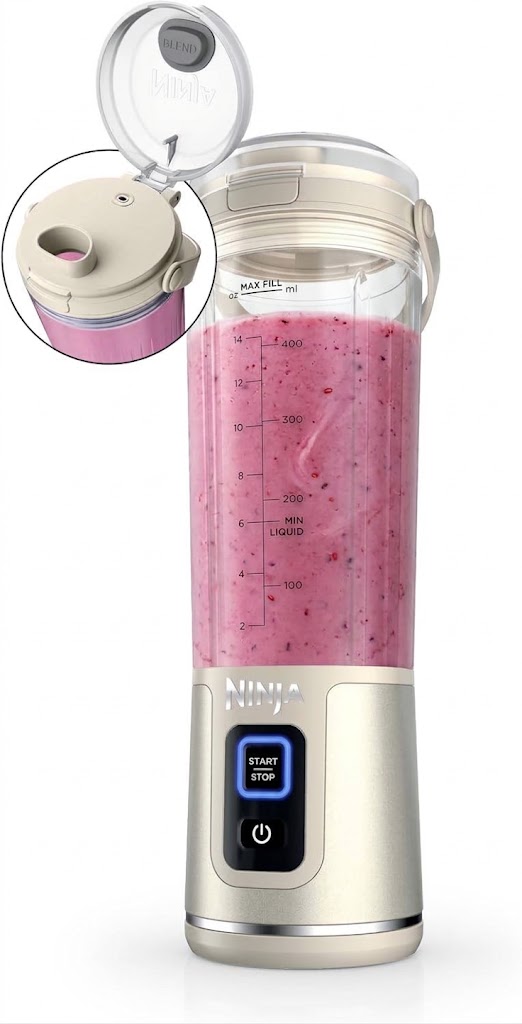
Ninja Blast Portable Blender, Cordless,18oz Vessel, Vanilla Bean
Check Price on AmazonIt is also convenient. Frozen fruit is washed and prepared for use in many cases, and you can take out only the amount you need. You do not have to time a smoothie around fruit that is about to spoil or wait for fresh fruit to ripen.
Still, frozen is not automatically better in every way. Fresh fruit can taste brighter when it is perfectly ripe, and the nutritional difference depends on the fruit, how it was handled, and how long it was stored. For most smoothies, the useful advantage is texture and convenience, not a guaranteed nutritional upgrade.
What frozen fruit changes in a smoothie
It thickens the drink without much ice
Frozen pieces cool the mixture and help it turn thick as they blend. This is especially useful if you like a smoothie that you can eat with a spoon or pour into a bowl. Ice can also make a drink cold, but it adds no fruit flavor and can dilute the mixture as it melts.
Frozen fruit does not replace all liquid. A blender still needs enough liquid to move the ingredients around the blades. Start with a modest amount, blend, and add more a little at a time until the texture suits you.
It makes flavor easier to control
Fruit contributes sweetness, acidity, and aroma. Using a measured portion of frozen fruit makes it easier to repeat a recipe and keep its flavor consistent. This is helpful when you make the same breakfast or snack regularly.
Frozen fruit can taste less aromatic than fresh fruit straight from the counter because cold reduces how strongly you perceive aroma. Letting a finished smoothie sit briefly can soften the chill, but do not leave it out for an extended period.
It softens after thawing
Freezing forms ice crystals inside the fruit. Those crystals can damage some of the fruit’s structure, so thawed berries or peaches may feel softer than fresh ones. In a smoothie, this is usually not a drawback: the blender breaks the fruit down anyway.
This is one reason frozen fruit works especially well in blended recipes but may be less appealing when you want neat, firm pieces for a fruit salad. Choose the form that fits the final dish rather than expecting thawed fruit to keep its fresh-picked texture.
Frozen fruit and fresh fruit compared
Both can make a nutritious smoothie. Choose based on what matters most for the particular drink, not on the idea that one form is always superior.
| Choice | Effect on smoothie | What to consider | Best for |
|---|---|---|---|
| Frozen fruit | Colder and usually thicker | May need extra liquid; frozen pieces can be hard on a weak blender | Quick, chilled smoothies and consistent portions |
| Fresh ripe fruit | Often brighter aroma and softer blending | Can spoil quickly; may need ice or another cold ingredient | Peak-season flavor and recipes using fruit immediately |
| Fresh fruit plus a few frozen pieces | Balanced chill with fresh flavor | Texture depends on the fruit and liquid ratio | Using up ripe fruit while keeping the drink cold |
| Frozen fruit plus ice | Very cold, but can become diluted | Usually unnecessary unless you want a thinner, icy texture | Slushy drinks, with enough flavor to handle dilution |
Fresh fruit can be frozen at home, too. Wash and dry it, remove pits or stems, cut larger fruit into manageable pieces, and freeze the pieces in a single layer before transferring them to a sealed container. Spreading pieces out first helps limit clumping, so you can measure a portion without chipping apart a solid block.
Which frozen fruits work best?
Most commonly frozen fruit can go straight into a smoothie. The best combination depends on whether you want sweetness, tartness, creaminess, or a strong fruit flavor.
- Banana: Adds a creamy, filling texture and mild sweetness. Sliced frozen banana blends more easily than a whole frozen banana.
- Berries: Strawberries, blueberries, raspberries, and mixed berries bring tartness and bold color. Small seeds may remain noticeable, especially with raspberries or blackberries.
- Mango: Gives a smooth, sweet texture and pairs well with citrus, yogurt, or greens.
- Peaches: Add a gentle sweetness and work well with yogurt, milk, or oats.
- Pineapple: Brings a sharp, tangy flavor. Pair it with milder fruit if you want less acidity.
- Cherries: Offer a deep flavor that works with banana, cocoa, or plain yogurt. Remove pits before freezing fresh cherries.
For a balanced blend, combine a sweet fruit with a more tart one. For example, banana can soften the sharpness of berries, while mango can round out pineapple. If the smoothie tastes flat, a little citrus juice can brighten it more effectively than adding extra sweetener.
How to blend frozen fruit smoothly
Use a sensible order and adjust gradually. Adding too much frozen fruit at once can stall the blades or leave hard pieces, particularly in smaller or less powerful blenders.
- Add liquid first. Pour in milk, water, juice, or another liquid before the solid ingredients. The liquid helps create movement around the blades.
- Add soft ingredients next. Yogurt, nut butter, and fresh banana are easier to blend than a large mass of frozen fruit.
- Add frozen fruit in a measured portion. Start with less than you think you need if your blender is small. You can add more after checking the texture.
- Blend at a low setting, then increase. Starting slowly helps pull ingredients toward the blades. If the mixture stops moving, turn off the blender before using a tamper or scraping the sides.
- Adjust the consistency. Add liquid a splash at a time for a thinner drink. Add more fruit or yogurt for a thicker one.
- Taste before sweetening. Frozen fruit can be sweet enough on its own. Add honey, syrup, or another sweetener only if the finished blend needs it.
Follow the blender manufacturer’s instructions, especially for frozen ingredients. Do not assume a blender can crush any amount of rock-hard fruit. Letting a very large or solidly frozen piece soften briefly can reduce strain on the appliance, but keep the fruit cold and do not leave it sitting out for a long time.
How much liquid and fruit should you use?
There is no single ratio that works for every recipe. A practical starting point is to put enough liquid in the blender to cover the blades or allow them to turn freely, then add fruit until you reach the amount and thickness you want. A smoothie with yogurt, chia seeds, oats, or nut butter may need more liquid because those ingredients also thicken the drink.
Use the blender’s minimum-liquid guidance if it provides one. If the mixture is too thick, add liquid one or two tablespoons at a time rather than pouring in a large amount. If it becomes too thin, add a few frozen pieces, a spoonful of yogurt, or a small amount of oats and blend again.

Framendino, 16 Pack Artificial Chicken Nuggets Fake Fried Food Models Props for Kitchen Decor
Check Price on AmazonDifferent frozen fruits also behave differently. Mango and banana can make a dense, smooth blend, while berries may add more liquid as they break down. A mix of fruit types often gives a more balanced texture than using a large amount of one especially dense fruit.
Does frozen fruit have fewer nutrients?
Frozen fruit can retain much of its nutritional value, and it is not accurate to assume that freezing makes fruit nutritionally empty. Fruit is often frozen after harvesting, but its final nutrient content depends on factors such as ripeness, processing, storage, and time. Fresh fruit also changes during transport and storage, so the word fresh alone does not tell you exactly how much of any nutrient remains.
For everyday smoothie choices, the larger practical factors are often what you actually eat and what else goes into the drink. A smoothie made with fruit, plain yogurt, and an appropriate liquid can be a useful way to include fruit. Large amounts of juice, sweetened yogurt, syrups, or other additions can change the drink’s overall sugar and calorie content.
Read the package if you are buying frozen fruit. Choose plain fruit without added sugar or syrup when you want to control sweetness yourself. Some products are sweetened or sold in a sauce, which can make a smoothie much sweeter than expected.
Common mistakes to avoid
Adding too much frozen fruit at once
A crowded blender may not circulate the ingredients properly. The blades can spin without pulling fruit down, leaving chunks and putting extra strain on the motor. Use smaller portions, add liquid first, and pause to redistribute ingredients if needed.
Using ice and frozen fruit in equal amounts by habit
Ice is not a required smoothie ingredient. If frozen fruit already makes the drink cold, extra ice may weaken the flavor as it melts. Add ice only when you specifically want a thinner, slushier result or have enough flavorful ingredients to balance it.
Pouring in liquid before checking the fruit
Some fruit releases more moisture as it blends than you expect. Starting with a little liquid gives you more control, while adding a large amount at the beginning can leave the smoothie thin. Add more only after the blades can move the ingredients.
Assuming frozen means no need to check the package
Frozen fruit may come whole, sliced, sweetened, or mixed with other ingredients. Check the label for added sugar and follow package handling instructions. Keep fruit frozen until you need it, and return the rest to the freezer promptly.
Storage and food handling tips
Store frozen fruit in a closed package or airtight container in the freezer. Keep it from thawing and refreezing repeatedly, since that can worsen clumping and texture. Use a clean, dry utensil to take out the portion you need, then close the package before putting it back.
If you thaw fruit for a recipe, use a clean container and keep it refrigerated. Thawed fruit may release juice; you can add that juice to the smoothie for extra flavor or drain it if you need a thicker blend. Do not refreeze fruit that has been left out for an extended period, and follow the package guidance if it gives specific instructions.
Frozen fruit is not necessarily ready to eat straight from the package in every situation. Follow any preparation or cooking instructions printed on the label, especially if the product is intended to be cooked rather than eaten as-is. For a smoothie, use fruit sold for that kind of use and handle it as directed.
When fresh fruit is the better choice
Fresh fruit may be preferable when it is ripe, flavorful, and ready to use. It can give a smoothie a brighter aroma and a softer texture, and it is a sensible option if you want to use produce already on your counter. Fresh berries or peaches can also be blended with a cold liquid and yogurt for a refreshing drink without needing a freezer.
Choose fresh fruit if you want a smoothie that is less cold, if your blender is not suited to frozen pieces, or if you enjoy the flavor of a particular fruit at room temperature. You can also mix fresh and frozen ingredients: use fresh ripe fruit for aroma and a smaller amount of frozen fruit for chill and thickness.
The useful rule is simple: use frozen fruit when you want convenience and a cold, thick texture; use fresh fruit when its flavor and softness are the priority. Either can work well, and combining them is often the easiest way to get both qualities.
Frozen fruit is often the better smoothie choice when you want a thick, cold drink without relying on much ice. Its biggest advantages are convenient portions, dependable texture, and less chance of a watery finish—not a guaranteed nutritional advantage over fresh fruit.
For your next smoothie, add liquid first, blend in a measured portion of frozen fruit, and adjust the thickness a little at a time. Choose unsweetened fruit if you want control over the flavor, and follow your blender’s guidance for frozen ingredients.