how to defrost frozen fruit: safely and well
To learn how to defrost frozen fruit, thaw it in the refrigerator for the safest, most even results, or use it straight from the freezer in cooked dishes and smoothies. If you need it quickly, a sealed bag in cold water or a short microwave cycle can work.
The best method depends on how you plan to use the fruit. This guide explains safe thawing steps, realistic timing, and how to limit excess juice and soft texture. You’ll also learn when you can skip thawing, whether thawed fruit can be refrozen, and what to do with the liquid left behind.
How to defrost frozen fruit safely
The refrigerator is the best all-purpose method. Put the amount you need in a covered container and let it thaw in the refrigerator until it is soft enough for your recipe. The fruit stays cold as it thaws, which helps limit the time it spends at temperatures where harmful bacteria can grow.
Thawing time depends on the fruit, the portion size, and how it is packed. Small berries may soften in a few hours, while a larger container or dense pieces may need several hours or overnight. Check the fruit rather than relying on an exact time: it is ready when the pieces are pliable and no longer have a hard, icy center.
Keep the container covered to prevent spills and reduce contact with other foods. A shallow container helps the fruit thaw more evenly than a deep, tightly packed bowl. If the package is already open, transfer the portion to a clean, food-safe container before refrigerating it.
Choose a thawing method for your recipe
You do not always need to thaw fruit first. The right choice depends on whether you need distinct pieces, a soft fruit topping, or fruit that will be blended or cooked. Use this comparison to choose a method.
| Method | How to use it | Best for | Main trade-off |
|---|---|---|---|
| Refrigerator | Thaw in a covered container until pliable | Yogurt, baking prep, cold toppings | Requires planning |
| Cold water | Seal fruit in a leakproof bag and submerge in cold water | Faster thawing when you need whole pieces | Needs attention and prompt use |
| Microwave | Use a microwave-safe dish and brief defrost intervals | Sauces, fillings, or recipes that tolerate soft fruit | Can heat or mash some pieces |
| Use frozen | Add directly to the recipe or blender | Smoothies, cooked sauces, and many baked goods | May alter liquid balance or cooking time |
Thaw fruit in the refrigerator step by step
-
Measure what you need. Take out only the amount for the recipe. Smaller portions thaw sooner and leave less fruit sitting in the refrigerator after thawing.
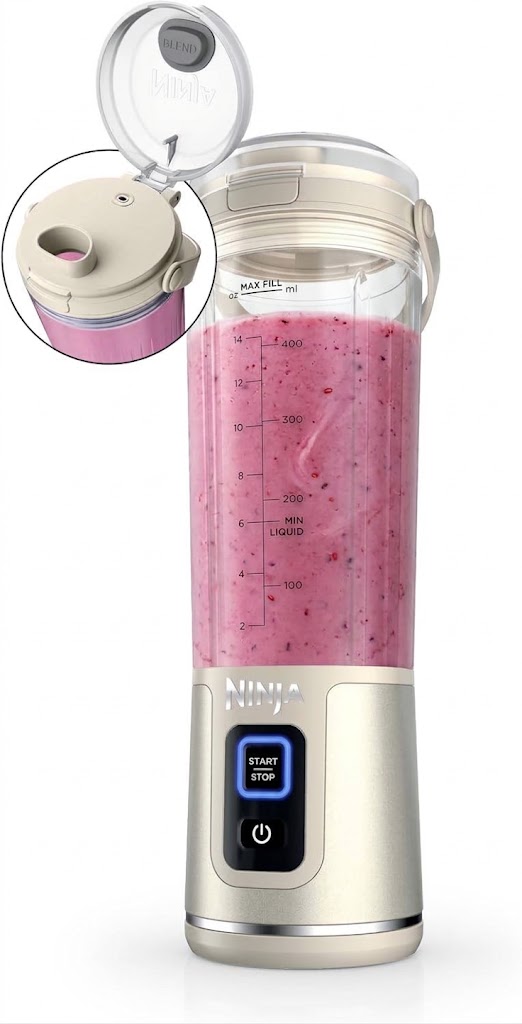
Ninja Blast Portable Blender, Cordless,18oz Vessel, Vanilla Bean
Check Price on Amazon -
Choose a suitable container. Place the fruit in a clean, covered bowl or food-safe container. Leave a little room for juice, which may collect as ice crystals melt.
-
Set it in the refrigerator. Put the container on a shelf, not on the counter. If the package might leak, place it on a plate or tray to catch drips.
-
Check the texture before using it. For a sauce or smoothie, the fruit can remain partly icy. For a topping or fruit salad, let it soften further, then drain some liquid if needed.
Avoid thawing a large frozen block if you only need a small amount. Separating fruit after it has softened can crush tender pieces and make the remaining fruit harder to store neatly. If the package is frozen into a solid mass, loosen only the portion you need once it can be separated without force.
Use cold water when you need fruit sooner
Cold-water thawing is a practical shortcut for fruit you want to use soon. Put the fruit in a leakproof bag, press out excess air, and seal it securely. Submerge the bag in a bowl of cold water, changing the water if it becomes warm. Check the fruit regularly and use it soon after it softens.
Keep the fruit sealed during this method. Direct contact with water can make berries waterlogged, wash away surface flavor, or cause cut fruit to break apart. A bag with a poor seal can also let water into the package and create a mess.
Do not use hot water to speed things up. The outer pieces can warm while the center remains frozen, leaving uneven texture and spending more time at warmer temperatures than necessary. If cold-water thawing is still too slow, consider using the fruit frozen in a recipe instead.
Use the microwave carefully
The microwave is useful when you need fruit for a sauce, filling, or other preparation where very soft pieces are acceptable. Place a small portion in a microwave-safe dish, cover it loosely to limit splatter, and use the defrost setting or low power in short intervals. Stir or separate the pieces between intervals so the fruit warms more evenly.
Stop when the fruit is just soft enough to use. Microwaves can quickly heat fruit unevenly, especially when pieces differ in size. Some parts may turn warm and mushy while other parts still contain ice. If you see warm spots or steaming, stop and use the fruit promptly in a cooked dish.
Microwaving usually gives less attractive results than refrigerator thawing for fruit you want to serve whole. It is better suited to fruit that will be mashed, simmered, or blended. Never microwave fruit in packaging unless the package is clearly labeled as microwave-safe.
When you can use frozen fruit without thawing
For many recipes, frozen fruit can go straight from the freezer into the dish. This saves time and avoids a separate thawing step. It also works especially well when the fruit will be blended or heated until soft.
-
Smoothies: Add frozen fruit directly to the blender. It chills and thickens the drink, so you may need to add a little more liquid or blend in stages.
-
Cooked sauces and compotes: Put the fruit in the pan and allow extra time for it to release juice and heat through. Stir as it softens to prevent sticking.
-
Oatmeal and hot cereal: Stir fruit in while cooking or near the end, then heat until it is hot throughout. Frozen fruit can cool the cereal temporarily.
-
Muffins, quick breads, and some cakes: Many batters can take frozen fruit, but the pieces may release moisture and streak the batter. Follow the recipe’s instructions if it gives a specific direction.
-
Pancakes: Add a few pieces to each pancake after pouring the batter into the pan. This spreads them out and helps prevent excess juice from coloring or thinning the batter.
Using frozen fruit in baking may increase the time needed for the center of a dish to bake. Follow the recipe’s doneness cues rather than assuming the original baking time will be exact. If the fruit is coated in a thick layer of ice, shake off loose ice crystals before adding it so extra water does not change the batter.

Framendino, 16 Pack Artificial Chicken Nuggets Fake Fried Food Models Props for Kitchen Decor
Check Price on AmazonWhy thawed fruit is softer and juicier
Freezing forms ice crystals inside fruit. Those crystals can damage some of the fruit’s cell structure, so thawed fruit often feels softer than fresh fruit. The change is normal and does not necessarily mean the fruit has spoiled.
As the ice melts, juice may gather in the container. This is natural, particularly with berries and cut fruit. The liquid carries fruit flavor and color, so whether to drain it depends on the dish. Keep it for smoothies, sauces, oatmeal, or baking where extra moisture is welcome. Drain or spoon off some juice for a topping that needs to stay thick.
There is no thawing trick that completely restores the crisp texture of fresh fruit. If you need firm, neat pieces for decoration, thaw only what you plan to use and handle it gently. For fruit salad, choose pieces that hold their shape better, and fold them in just before serving.
Should you rinse frozen fruit before thawing?
Check the package directions first. Some frozen fruit is ready to eat, while other products may recommend cooking or include handling instructions. If you rinse fruit, do so with clean, cold water and use a clean colander; avoid soaking it.
Rinsing is not a substitute for safe handling. Keep the fruit cold during thawing, wash your hands before and after handling food, and clean surfaces and utensils that touch the fruit. If the fruit is meant to be cooked, follow the package directions and the recipe rather than assuming rinsing alone makes it ready to eat.
For loose, individually frozen berries, rinsing after thawing can make delicate pieces wetter and more likely to break. If the fruit is visibly dirty or the package advises rinsing, drain it well and pat it gently with a clean paper towel when a drier surface matters.
How to store thawed fruit and handle leftovers
After thawing, keep fruit covered in the refrigerator and use it promptly. The exact storage time depends on the fruit, how it was handled, and the package instructions, so there is no single number that fits every product. Follow any storage guidance on the label and discard fruit with signs of spoilage, such as an off smell, visible mold, or an unusual slimy texture.
Do not leave thawed fruit sitting at room temperature while you prepare other parts of a meal. If you are serving it cold, take out only what you need and return the rest to the refrigerator. For fruit added to a hot dish, cook it as directed and serve or refrigerate leftovers promptly.
You can generally refreeze fruit that thawed in the refrigerator if it has stayed cold and has not been left out too long. However, another freeze-and-thaw cycle can make it softer and release more juice. Refreezing fruit thawed by microwave or cold water is not a good choice unless it is cooked first, because those methods can warm the fruit during thawing.
A helpful storage habit is to freeze fruit in small, labeled portions before you need it. That makes it easier to remove just enough for breakfast or a recipe, rather than thawing and refreezing a large package. Write the fruit type and freezing date on the container so you can use older portions first.
Common thawing mistakes to avoid
-
Leaving fruit on the counter for hours: Room-temperature thawing gives you less control over how warm the fruit becomes. Use the refrigerator, cold water in a sealed bag, or the microwave instead.
-
Using hot water: It can warm the outside too quickly and leave the middle icy. Cold water is the safer shortcut.
-
Thawing more than you need: Extra fruit takes up space and may be wasted. Portion it before thawing or use frozen fruit directly.
-
Pouring away all the juice automatically: The liquid can improve smoothies, sauces, and cooked dishes. Drain only when the recipe needs less moisture.
-
Expecting thawed fruit to stay firm: Softness is a normal result of freezing. Choose another preparation if crisp texture is essential.
-
Ignoring package instructions: The fruit type and processing can affect whether it should be cooked, rinsed, or handled in a particular way.
Quick answers about thawing frozen fruit
Can you defrost fruit at room temperature?
It is better to avoid leaving fruit out on the counter to thaw. The surface can warm while the center is still icy. Use the refrigerator for a planned thaw, or a sealed bag in cold water when you need it sooner.
How long does frozen fruit take to thaw?
There is no single thawing time for every fruit or portion. Small amounts may soften in a few hours in the refrigerator, while larger containers can take longer or need overnight. Check the texture and give it more time if the center is still hard.
Can you refreeze thawed fruit?
Fruit thawed in the refrigerator can generally be refrozen if it has remained cold and was handled safely. Expect a softer texture and more juice after the next thaw. For best quality, freeze portions you can use at once.
Should you drain the liquid after thawing?
Only if the recipe needs less moisture or you want a thicker topping. The juice is flavorful and works well in smoothies, sauces, and oatmeal. You can also save it and stir it into the dish rather than discarding it.
For the best balance of safety and texture, thaw fruit in a covered container in the refrigerator. Use it frozen for smoothies and cooked dishes, and reserve cold-water or microwave thawing for situations where speed matters more than keeping pieces firm.
Before you start, portion out only what the recipe needs and decide whether its thawing juice belongs in the dish. That simple choice helps reduce waste and gives you better control over texture.
