will elsa have a child in frozen 3? What We Know
No official information says that Elsa will have a child in Frozen 3. Disney has announced another Frozen film, but details about its story and Elsa’s personal future have not confirmed a child.
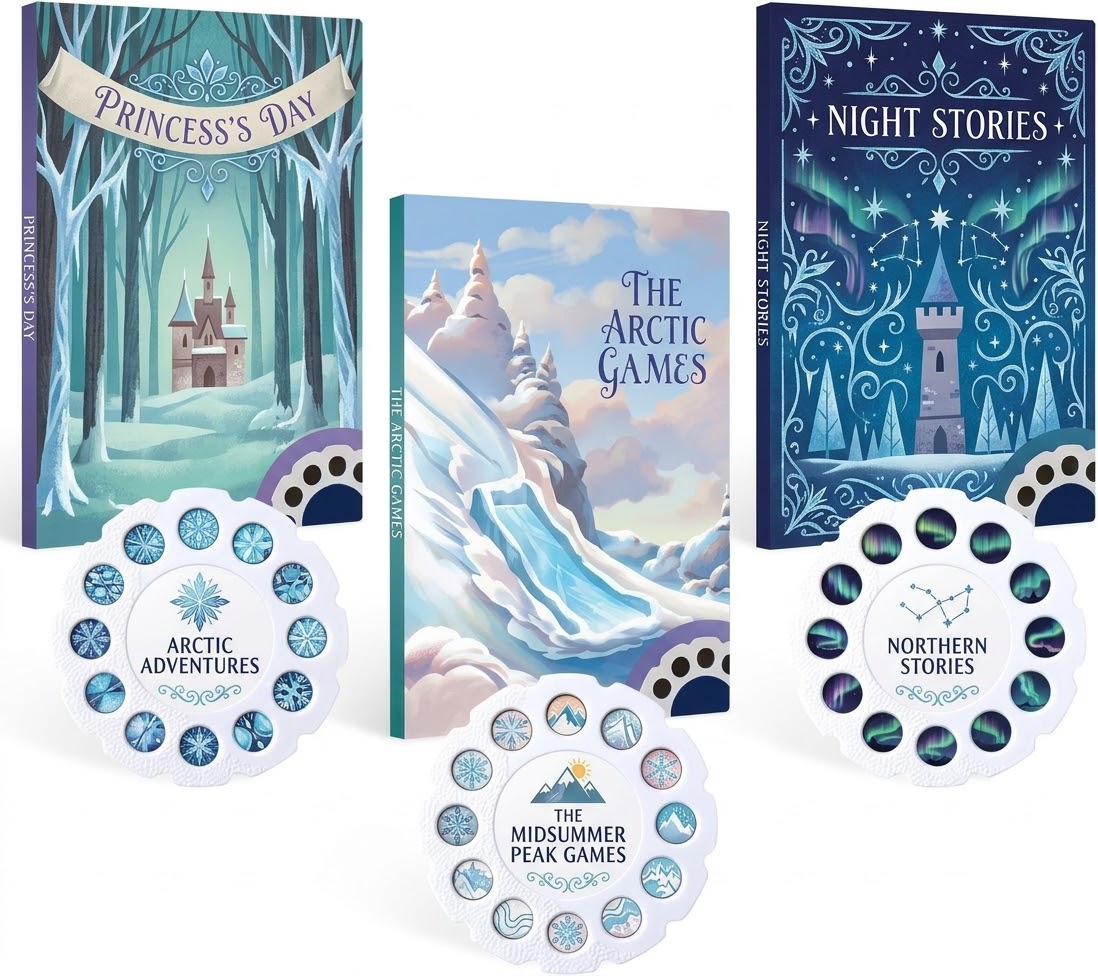
Moonlite Disney Frozen 3-Story Bundle (Projector Sold
Check Price on AmazonThat leaves room for fan theories, but a theory is not the same as a plot announcement. Here’s what is known, what remains speculation, and how to judge claims about Elsa becoming a parent. You’ll also find the story reasons a child could fit—or feel out of place—and the other roles Elsa might take on in the next film. The clearest answer is simple: until Disney reveals the plot, Elsa’s future as a parent is unknown.
Will elsa have a child in frozen 3? What is confirmed
There is no confirmed announcement that Elsa will have a child. Disney has announced Frozen 3, but an announced sequel does not confirm every character’s role, relationships, or family plans. Unless an official trailer, synopsis, or statement gives that detail, claims that Elsa is becoming a mother should be treated as speculation.
This distinction matters because online posts often blend confirmed production news with guesses about the story. A fan image, a supposed plot leak, or a headline that uses words such as “reportedly” is not proof on its own. A reliable claim should point to a clear statement from Disney or the filmmakers, rather than repeating an unsourced rumor.
For now, the responsible answer is that Elsa’s parenthood has not been established. The sequel could explore it, but it could also focus on her role as queen, her bond with Anna, the Enchanted Forest, or a new challenge. None of those possibilities should be presented as the confirmed plot.
What is officially known about the next Frozen movie?
Disney has confirmed that a third Frozen movie is in development. That is the core piece of news viewers can rely on. A project being announced does not necessarily mean its full plot, cast details, or character arcs have been shared publicly.
Details can emerge gradually as a film moves through development and promotion. Early announcements may confirm that a sequel is coming without revealing the central conflict. Later materials, such as an official synopsis or trailer, can clarify what the story actually contains. Until then, a specific claim about Elsa having a child is not confirmation.
It also helps to separate a film’s release information from its story information. A publicly discussed release plan, if one has been announced, does not tell viewers what happens to Elsa. The date and the plot are different facts, and neither should be used as evidence for the other.
How to check a claim about Elsa’s story
Look for a source that identifies where the information came from. An official Disney announcement, a verified trailer, or a direct comment from someone involved in the film carries more weight than a screenshot without a link. If a story makes a dramatic claim but offers no primary source, wait for confirmation.
Pay attention to the wording, too. “Fans think Elsa may have a child” describes a theory. “Elsa will have a child” makes a definite claim. Headlines can blur that difference, so check the article itself before sharing it.
Why fans think Elsa might become a parent
Elsa’s future is open-ended, which gives fans plenty of room to imagine what comes next. The earlier films show her growing into a more confident person and finding a place where her abilities and responsibilities can coexist. Some viewers see parenthood as one possible next chapter in that development.
There is also a natural storytelling question behind the theory: what kind of future might Elsa choose once the immediate crisis is over? A child could create a new family bond, introduce a younger character, or give Elsa a chance to offer the guidance she once needed. Those are plausible story functions, not evidence that the filmmakers have chosen them.
Fan theories can be enjoyable without becoming predictions. They help viewers explore what a character’s values might mean in a different situation. The important boundary is to label an idea as an interpretation unless an official source confirms it.
Could Elsa having a child fit the story?
It could fit, depending on how the story handles it. Elsa has a strong connection to Anna and to the people of Arendelle, and she has learned to face responsibility without losing her sense of self. A child could test how she balances care for another person with her own independence.
But parenthood is only one of many ways to show growth. Elsa does not need a child, a romantic partner, or a traditional family structure for her story to feel complete. A sequel can develop her through friendship, leadership, personal choices, or the way she responds to a new threat.
For the idea to feel meaningful, a film would need to give Elsa more than a sudden change in status. It would need to show how she feels about becoming a parent, what support she has, and how the new relationship affects the rest of the family. Without that emotional work, a child could feel like a plot device rather than a natural part of her character journey.
Parenthood is not the same as a romantic storyline
Some speculation assumes a child would require Elsa to have a romantic partner. That is not necessarily true. Stories can portray biological parenthood, adoption, guardianship, or a close caregiving role without making romance the focus.
Those possibilities are distinct, and there is no confirmation that any of them will appear in the sequel. Keeping the terms separate prevents a common misunderstanding: a theory about Elsa caring for a child does not automatically establish a romance, and a theory about romance does not prove she will become a parent.
Other directions the film could take with Elsa
Elsa’s story can move forward in several ways that do not involve a child. Her role between Arendelle and the Enchanted Forest offers room for questions about leadership, belonging, and how she uses her abilities. A new film could also explore her relationship with Anna as their lives and responsibilities continue to change.
These are possible directions, not plot details. The point is that parenthood is not the only route to a fresh story. A sequel can give Elsa a meaningful challenge without changing her into a mother or making her personal life the center of the film.
| Story possibility | What it could explore | What is confirmed? | Best understood as |
|---|---|---|---|
| Elsa has a child | Caregiving, family, and how she balances responsibility with independence | No official confirmation | Fan theory |
| Elsa becomes a guardian or mentor | Guidance, trust, and passing knowledge to someone younger | No official confirmation | Possible character direction |
| Elsa focuses on her role and relationships | Her connections to Anna, Arendelle, and the Enchanted Forest | No specific plot confirmed | Open story possibility |
| A new magical conflict takes center stage | How Elsa responds to unfamiliar powers or a threat | No plot details confirmed here | Common sequel speculation |
The table separates ideas by their evidence level. It does not rank which storyline is most likely; there is not enough confirmed information to make that call. A theory may sound emotionally convincing and still remain a theory.
What would make the child theory feel believable?
If the film did introduce a child, the strongest version would connect that change to Elsa’s established character rather than use it as a surprise for its own sake. The story would need to explain the relationship clearly and give Elsa space to make choices. Viewers should be able to understand why this future matters to her.
It would also need to preserve Elsa’s individuality. Becoming a parent, if that were the plot, should not erase her identity or reduce her character to caregiving alone. A thoughtful story could show both sides: the new responsibility and the person Elsa remains outside it.
Anna’s place in the story would matter as well. The sisters’ relationship is central to the films, so a major change in Elsa’s family life could affect Anna too. Giving both sisters room to respond would make the development feel connected to the series instead of attached to Elsa in isolation.
These are ways to assess a hypothetical story, not clues that the film will follow this path. They help explain why some viewers welcome the idea and others would rather see Elsa’s next chapter take a different form.
How to tell a real Frozen 3 update from a rumor
- Find the original source. Look for an official announcement, trailer, or direct interview rather than a reposted screenshot.
- Check what the source actually says. A confirmation that another film is in development does not confirm a character’s family plans.
- Separate fact from interpretation. Words such as “could,” “might,” and “fans believe” usually signal speculation, not an established plot point.
- Be cautious with supposed leaks. Without verifiable sourcing, a detailed story outline may be invented, outdated, or incorrectly attributed.
- Recheck close to release. Official promotional material can provide clearer story details later than early development news.
A practical tip: save the original link when a post makes a claim. If the link leads only to another account repeating the same rumor, the claim still has no independent confirmation. This quick check can prevent an exciting theory from turning into false news in a group chat or social post.
Why the answer may remain uncertain for a while
Animated films often take years to develop, and story details can change before a finished movie reaches audiences. An early concept may not appear in the final version. That is another reason not to treat a rumor or a speculative outline as a settled plot.
There is also a difference between information that has not been announced and information that has been ruled out. No confirmation does not prove Elsa will never have a child in the film. It simply means viewers do not have a reliable basis to say that she will.
That distinction is the most useful way to follow sequel news: keep confirmed details in one category and possibilities in another. It leaves room for excitement while avoiding certainty that the available evidence does not support.
What to expect from Elsa’s future
Elsa’s character can continue to grow whether or not her family changes. The next film could build on her relationships, her responsibilities, or the choices she makes about where she belongs. A child would be one possible addition, but it is not required to give her a compelling arc.
Until Disney shares story details, the most accurate answer remains limited: Frozen 3 is announced, but Elsa’s future as a parent has not been confirmed. Treat claims that go further as theories unless they are backed by official information. That approach keeps expectations grounded without shutting down the fun of imagining what the next chapter might hold.
There is no official confirmation that will elsa have a child in frozen 3. Disney has announced a third film, but Elsa’s specific story and family future remain unconfirmed.
For now, treat parenthood claims as fan theories, not plot facts. Before sharing an update, check whether it comes from an official announcement, trailer, or direct statement.