how many songs are in frozen: the full count
Frozen has eight main songs, but the count changes if you include a reprise or the end-credit recording. Count the reprise as its own musical number and there are nine songs in the film; include the soundtrack’s end-credit version of “Let It Go” and the album has ten vocal tracks.
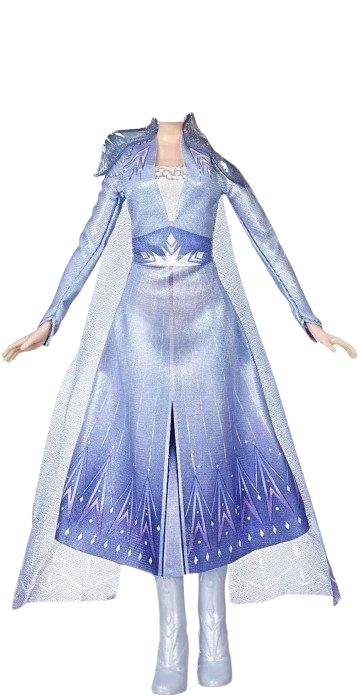
Disney Frozen Elsa Fashion Doll with Long Blonde Hair & Blue Outfit Inspired by Frozen 2
Check Price on Amazon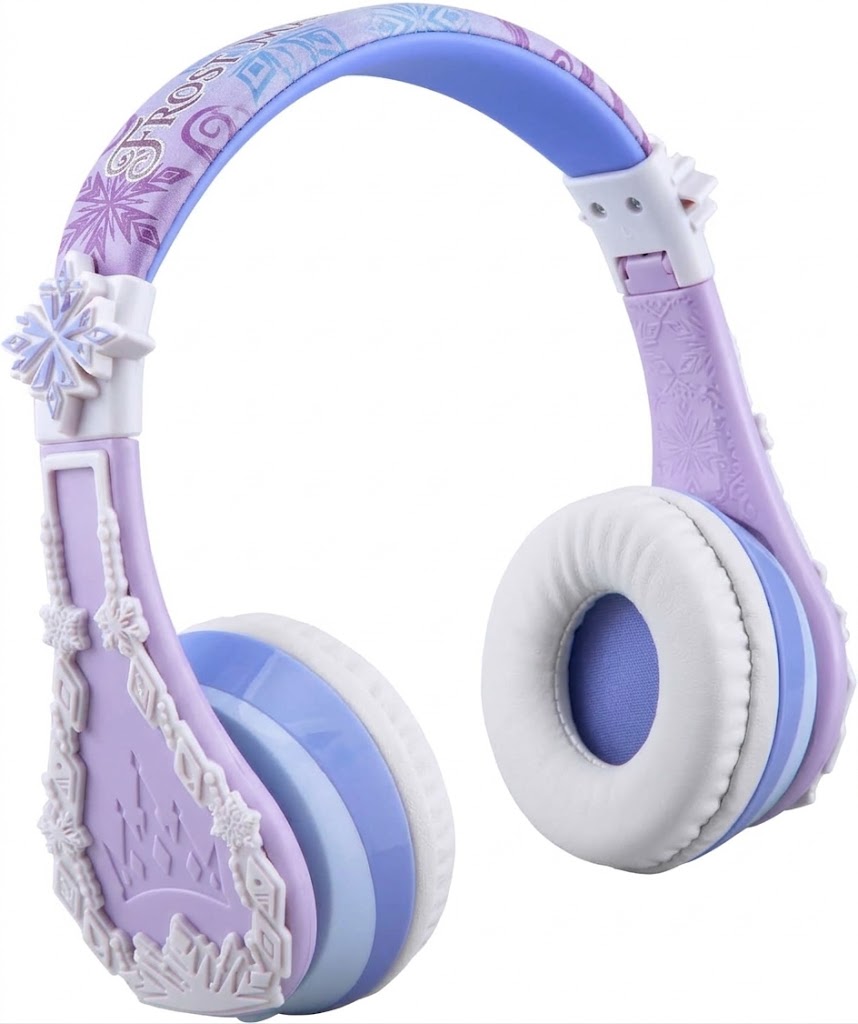
Frozen 2 Bluetooth Headphones with Microphone
Check Price on AmazonThis distinction explains why different lists give different totals. Below, you’ll find the songs in order, what each count includes, and how the film’s musical numbers differ from the soundtrack album. That makes it easier to answer the question whether you’re checking the movie, making a playlist, or helping a young fan find a favorite song.
how many songs are in frozen? The short answer
Frozen has eight main songs. The movie also includes a reprise of “For the First Time in Forever,” bringing the number of in-film musical numbers to nine. The soundtrack album adds a separate end-credit version of “Let It Go,” so its vocal-song count is ten.
These totals use different counting rules, not different versions of the movie. A reprise is a shorter return to a song heard earlier. The end-credit recording is a separate performance included on the album, rather than another full song performed by the characters during the story.
For the simplest answer, say that Frozen has eight main songs. If someone is counting every vocal track on the soundtrack, the answer is ten. Both figures can be correct when the counting method is clear.
The Frozen songs in movie order
The list below separates the eight main songs from the reprise and the album’s additional end-credit recording. The order follows the story, with the end-credit version shown last because it appears on the soundtrack rather than as a new musical number in the plot.
| Order | Song | How it counts | What to know |
|---|---|---|---|
| 1 | “Frozen Heart” | Main song | Introduces the ice harvesters and the story’s icy setting. |
| 2 | “Do You Want to Build a Snowman?” | Main song | Shows Anna trying to reconnect with Elsa as they grow up. |
| 3 | “For the First Time in Forever” | Main song | Anna looks forward to the palace gates opening. |
| 4 | “Love Is an Open Door” | Main song | Anna and Hans sing together after meeting at the coronation. |
| 5 | “Let It Go” | Main song | Elsa embraces her powers after leaving Arendelle. |
| 6 | “Reindeer(s) Are Better Than People” | Main song | Kristoff sings about his bond with Sven. |
| 7 | “In Summer” | Main song | Olaf imagines enjoying warm weather, unaware of its danger to him. |
| 8 | “For the First Time in Forever (Reprise)” | Reprise | Anna and Elsa revisit the earlier song during their confrontation. |
| 9 | “Fixer Upper” | Main song | The trolls try to bring Anna and Kristoff together. |
| 10 | “Let It Go” (Demi Lovato version) | End-credit soundtrack track | A separate recording included on the soundtrack album. |
The table has ten entries because it includes the album’s end-credit recording. Only nine entries are in-film musical numbers, and one of those is a reprise. Remove the reprise and the separate end-credit version, and eight main songs remain.
Why song counts for Frozen can differ
People may be counting different things when they ask how many songs are in the movie. Some count only the main songs. Others include repeated material, an end-credit performance, or the instrumental score. It helps to name the format before comparing totals.
Main songs versus a reprise
A reprise brings back all or part of a song already heard, often with changed lyrics or a new dramatic purpose. “For the First Time in Forever (Reprise)” is a distinct track and a separate scene, but it returns to a song that is already part of the main-song count.
If you count the reprise as a separate number, the film has nine musical numbers. If you count distinct main songs and treat the reprise as a return to an existing song, the total is eight. Neither approach is misleading as long as the rule is stated.
The film versus the soundtrack album
The album includes the main songs, the reprise, and Demi Lovato’s end-credit recording of “Let It Go.” That version is not another story scene with Elsa singing. It is a separate performance placed on the soundtrack, which is why an album track count can exceed the number of songs performed in the movie.
Some soundtrack editions also include instrumental score cues and other musical material. A score cue is background music written to accompany a scene, rather than a vocal song. Counting every track on an expanded soundtrack is therefore not the same as counting songs.
Versions, editions, and playlists
A digital music service may show an album with bonus tracks, alternate recordings, or regional editions. Track totals can vary because of those additions. A playlist can also include a cover version or a song from a stage production, neither of which changes the number of songs in the 2013 film.
For a reliable comparison, look at the track names and the version of the release, not just the number displayed beside an album. If the list includes score cues, bonus material, or extra performers, it is counting more than the movie’s main songs.
What each of the eight main songs does
The songs help tell the story rather than simply interrupting it. They introduce the characters, reveal what they want, and mark changes in the relationship between Anna and Elsa. Here is a quick guide to the eight main songs and their roles.
1. “Frozen Heart”
The film opens with men harvesting ice and singing “Frozen Heart.” The number sets up the danger and beauty of ice, themes that return through Elsa’s powers. It also gives the story an energetic opening before the focus shifts to the sisters.
2. “Do You Want to Build a Snowman?”
Anna sings to Elsa across several years, asking her to come out and spend time together. The changing verses move through their childhood and show how isolation affects Anna. The song makes the sisters’ distance clear without relying on a long explanation.
3. “For the First Time in Forever”
As the palace prepares to open for Elsa’s coronation, Anna looks forward to meeting people and enjoying the day. Elsa, by contrast, worries about keeping her powers hidden. Their contrasting hopes are woven into the same musical number.
4. “Love Is an Open Door”
Anna and Hans sing a playful duet after they meet at the coronation. The song shows how quickly Anna believes they understand one another. Its cheerful tone also sets up a later contrast between her first impression and what she learns about Hans.
5. “Let It Go”
After leaving Arendelle, Elsa sings as she builds an ice palace and stops trying to conceal her abilities. The number marks a major change in her behavior, but it does not solve every problem. Elsa’s decision gives her temporary freedom while the winter she created continues to affect the kingdom.
6. “Reindeer(s) Are Better Than People”
Kristoff sings this brief comic song while talking with Sven. Its small scale contrasts with the larger ensemble numbers. It also introduces Kristoff’s close relationship with his reindeer and his habit of treating Sven as a trusted companion.
7. “In Summer”
Olaf sings about his dream of experiencing summer. The audience understands the irony: a snowman would melt in warm weather. The song uses that mismatch for humor and helps define Olaf as cheerful and innocent.
8. “Fixer Upper”
The trolls sing “Fixer Upper” while urging Anna to consider a future with Kristoff. The number adds a lively ensemble moment, but its advice is not the story’s final answer about love. Anna’s choices and the sisters’ relationship matter more than the trolls’ matchmaking plan.
Which number should you use?
Choose the total that matches what you are describing. These simple labels prevent confusion:
- Eight main songs: the clearest answer for the film’s core songs, without counting the reprise as a new song.
- Nine in-film musical numbers: the eight main songs plus “For the First Time in Forever (Reprise).”
- Ten vocal soundtrack tracks: the nine in-film numbers plus Demi Lovato’s separate end-credit recording of “Let It Go.”
If you are making a playlist of the songs heard in the story, use the nine in-film numbers. If you want the main songs without a reprise, use the eight-song count. If you are listing the soundtrack’s vocal tracks, include the end-credit version and describe it as a separate recording.
This is especially useful for school assignments, trivia questions, and music collections. A bare number can look wrong beside another source, even when both sources are counting accurately. Adding a short note such as “including the reprise” or “soundtrack album tracks” makes the total understandable.
Are the score and end-credit version counted as songs?
The instrumental score is generally not counted as a set of songs. It contains music written to accompany the action, including transitions and background themes. A soundtrack release may list many score cues, but those cues are different from the film’s sung musical numbers.
The end-credit “Let It Go” version is a vocal song, but it is not another scene in the film’s story. Demi Lovato performs a separate recording for the soundtrack. Count it when you mean the album’s vocal songs; leave it out when you mean songs performed by characters during the movie.
Also, a song’s appearance in a playlist or a video does not automatically make it part of the film. Covers, remixes, and songs from later Frozen productions belong to their own releases. Check that a track is from the original film or its soundtrack before adding it to a count.
A quick way to remember the count
Use the phrase eight, nine, ten to keep the totals straight. Eight means the main songs, nine adds the reprise, and ten adds the separate end-credit recording from the soundtrack album.
The most common misunderstanding is treating every album track as a song performed in the story. The album contains different kinds of material, so a soundtrack track count and a movie-song count answer different questions. State what you are counting, and the number becomes straightforward.
Frozen has eight main songs. Count “For the First Time in Forever (Reprise)” as a separate number and there are nine musical numbers in the film; add the end-credit recording of “Let It Go” and the soundtrack has ten vocal tracks.
For a playlist of the songs heard in the story, use the nine in-film numbers. For a quick general answer to how many songs are in frozen, say eight main songs and mention that the total depends on whether you count the reprise and soundtrack-only recording.