who sings anna’s songs in frozen: voice cast
Kristen Bell sings Anna’s songs in Frozen, including “For the First Time in Forever” and “Love Is an Open Door.” For the childhood portions of “Do You Want to Build a Snowman?,” young performers Katie Lopez and Agatha Lee Monn also sing Anna.
That distinction can be easy to miss because the movie follows Anna from childhood to adulthood, and several songs feature more than one character. Here’s who sings each major song, how the movie’s vocal roles fit together, and how Anna’s music in Frozen II differs from the original film. You’ll also find a quick way to tell Anna’s songs apart from Elsa’s.
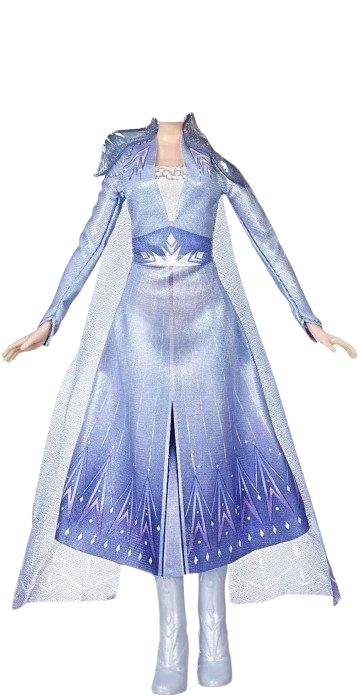
Disney Frozen Elsa Fashion Doll with Long Blonde Hair & Blue Outfit Inspired by Frozen 2
Check Price on Amazon
Frozen 2 Bluetooth Headphones with Microphone
Check Price on Amazonwho sings anna’s songs in frozen?
Kristen Bell is the main singing voice of Anna in the 2013 animated movie. She performs Anna’s adult vocals, including “For the First Time in Forever,” “Love Is an Open Door,” and “For the First Time in Forever (Reprise).” In “Do You Want to Build a Snowman?,” Bell sings the older Anna sections, while younger singers perform the childhood passages.
That division follows the story: the song moves through years of Anna trying to reach Elsa behind a closed door. Katie Lopez and Agatha Lee Monn provide the young Anna singing vocals at different ages. So the song’s voice changes are intentional; they reflect Anna growing up, not a change in the character’s identity.
Bell is both Anna’s speaking voice and her principal singing voice. The movie’s songs were recorded and performed as part of the character portrayal, rather than using a separate adult singer for Anna’s musical numbers.
Who sings each Anna song in the first movie?
Anna has several solo, duet, and ensemble moments. A song can feature her prominently without being a solo, so the table separates the lead singer from other voices you hear.
| Song | Anna’s singer | Other voices | What to know |
|---|---|---|---|
| “Do You Want to Build a Snowman?” | Katie Lopez, Agatha Lee Monn, and Kristen Bell | None as a featured duet partner | Three performers represent Anna at different ages. |
| “For the First Time in Forever” | Kristen Bell | Ensemble vocals | Anna leads the number as the palace prepares to open. |
| “Love Is an Open Door” | Kristen Bell | Santino Fontana as Hans | A romantic duet between Anna and Hans. |
| “For the First Time in Forever (Reprise)” | Kristen Bell | Idina Menzel as Elsa | Anna and Elsa sing together during a tense confrontation. |
| “Fixer Upper” | Kristen Bell in the ensemble | Maia Wilson and the trolls’ ensemble | Anna is part of a group number, not its only singer. |
“Do You Want to Build a Snowman?”
The song’s vocal arrangement tracks Anna across childhood and into adulthood. Katie Lopez sings the youngest Anna section, Agatha Lee Monn sings the next childhood passage, and Kristen Bell sings the older Anna lines. This is why soundtrack listings may name several performers for one character’s song.
The younger singers are not replacing Bell throughout the movie. They sing the parts assigned to young Anna in this specific sequence. Bell takes over as the character reaches adulthood, matching the voice audiences hear in the rest of the film.
“For the First Time in Forever”
Bell leads this song as Anna anticipates the palace gates opening for Elsa’s coronation. It is an Anna-focused number, but background and ensemble vocals help create the sense of a busy town celebrating the occasion. Those supporting voices do not change who sings Anna’s lead lines.
The song gives Anna a musical introduction to her hopes and her excitement about meeting people. Listen for Bell’s solo phrases alongside the larger group sound, especially as the celebration expands. Calling it a solo is understandable, but it is more accurate to say Anna leads an ensemble number.
“Love Is an Open Door”
Bell sings Anna’s part, and Santino Fontana sings Hans. Their voices trade lines and join in the duet, so neither singer performs the whole song alone. The lyrics show Anna and Hans feeling an immediate connection, which is why this number is sometimes mistaken for a straightforward love song without attention to the story around it.
The performance is a character duet: Bell is still the voice of Anna, while Fontana is the voice of Hans. If you are looking for the singer behind Anna’s lines, the answer remains Bell.
“For the First Time in Forever (Reprise)”
This reprise is a duet between Anna and Elsa. Bell sings Anna’s lines, while Idina Menzel sings Elsa’s. Their voices reflect the scene’s conflict: Anna wants her sister to return with her, but Elsa is frightened and resists.
It is useful to distinguish the reprise from the earlier song with a similar title. The original number centers on Anna’s anticipation and includes ensemble vocals. The reprise is a more intimate exchange between the sisters, with both Bell and Menzel singing character-specific parts.
“Fixer Upper”
“Fixer Upper” is led by the trolls and performed as an ensemble number. Bell is among the voices in the group, but Anna is not the song’s only singer or its central soloist. Maia Wilson, who voices Bulda, is a prominent performer in the number, along with the troll ensemble.
This distinction matters when someone asks which songs Anna sings. A character may be heard in a group song without being the lead. Bell’s presence in the ensemble does not make “Fixer Upper” an Anna solo.
Why Kristen Bell sings Anna’s parts
In an animated musical, a character’s voice actor may perform both dialogue and songs, or the production may cast a separate singer. For Anna, Bell handles both the spoken role and the main adult singing role. That gives the character one consistent performance across conversation and music.
Bell’s singing is a key part of Anna’s characterization. The songs call for a lively, expressive delivery that suits Anna’s optimism, impulsiveness, and emotional openness. The performance also has to communicate story details through lyrics, since the songs move the plot forward rather than serving only as background music.
For the childhood sequence, the production uses younger performers so Anna’s voice sounds appropriate at each age. That is a practical storytelling choice: a single adult voice would not create the same sense of a child growing up over several years. The film therefore has more than one singer for Anna in one song, while Bell remains the main singing voice for the adult character.
How to tell Anna’s songs from Elsa’s
Anna and Elsa both sing, and their songs sometimes appear close together in the soundtrack. The simplest clue is the character performing the line, but a few familiar titles help sort out the most commonly confused songs.
| Song | Main singer or performers | Character focus |
|---|---|---|
| “For the First Time in Forever” | Kristen Bell and ensemble | Anna |
| “Love Is an Open Door” | Kristen Bell and Santino Fontana | Anna and Hans |
| “Let It Go” | Idina Menzel | Elsa |
| “For the First Time in Forever (Reprise)” | Kristen Bell and Idina Menzel | Anna and Elsa |
| “In Summer” | Josh Gad | Olaf |
“Let It Go” is Elsa’s song, not Anna’s. Menzel sings it as Elsa leaves Arendelle and creates her ice palace. Bell does not sing the lead on that number. In the reprise, by contrast, both sisters sing, so Bell and Menzel are both part of the performance.
“In Summer” is another frequent source of mix-ups because it belongs to a major character in the same movie. Josh Gad sings as Olaf. A song’s presence on the Frozen soundtrack does not automatically make it an Anna song; check the character and lead vocalist.
What changes in Frozen II?
Anna’s story continues in Frozen II, and Kristen Bell again sings Anna’s parts. The best-known Anna solo is “The Next Right Thing,” a dramatic song that follows Anna through grief and uncertainty. Bell’s vocal performance carries the scene as Anna tries to focus on the next action she can take.
Anna also sings in group numbers, including “Some Things Never Change,” alongside other members of the cast. By comparison, “Into the Unknown” is Elsa’s song, and “When I Am Older” is Olaf’s. The same approach applies as in the first movie: identify the character whose lines you hear, and separate solos from duets and ensemble songs.
“The Next Right Thing” stands apart from Anna’s upbeat songs in the original film. Its emotional weight comes from the character’s situation and the lyrics, not from a change in singer. Bell remains Anna’s principal singing voice in the sequel.
Common mix-ups about the Frozen vocal cast
Thinking every Anna line is sung by Kristen Bell
Bell sings the adult Anna passages, but the childhood portions of “Do You Want to Build a Snowman?” use Katie Lopez and Agatha Lee Monn. If a cast or soundtrack credit lists several names, that reflects the song’s age-spanning structure.
Confusing Anna’s singing voice with Elsa’s
Bell sings Anna, while Idina Menzel sings Elsa. They share the reprise, but Menzel performs Elsa’s solo “Let It Go.” A duet can include both singers without changing which voice belongs to each character.
Assuming a song is a solo because Anna is prominent
Some numbers are duets or ensemble songs. “Love Is an Open Door” pairs Anna with Hans, and “Fixer Upper” features the trolls and a larger group. Anna can participate without being the only singer or the lead.
Mixing up the soundtrack artist and the character
Soundtrack listings may show performers’ real names, while the movie presents characters singing. Bell is the performer; Anna is the character. Fontana performs Hans, and Menzel performs Elsa. Keeping performer and character names separate makes song credits much easier to read.
How to check a song credit accurately
If you want to identify a voice in a particular recording, first confirm which version you are listening to. The film soundtrack, a stage production, a cover, and a promotional performance can have different singers. A familiar song title alone does not guarantee that the same person is performing every version.
- Identify the exact song. Check whether it is the original number, a reprise, or a song from Frozen II.
- Look at the character’s lines. Anna’s lines are sung by Bell in her adult scenes; Elsa’s lines are sung by Menzel.
- Check for age changes or multiple characters. The childhood sections and duets may have additional performers.
- Match the credit to the recording. Use the film or soundtrack credits for the original movie, rather than assuming a cover has the same vocalist.
A common misconception is that all vocals listed under a song belong to one character. Credits can include performers for multiple ages, duet partners, or an ensemble. That detail is especially important for “Do You Want to Build a Snowman?” and “For the First Time in Forever (Reprise).”
Quick answer by song
- “Do You Want to Build a Snowman?”: Katie Lopez, Agatha Lee Monn, and Kristen Bell sing Anna at different ages.
- “For the First Time in Forever”: Kristen Bell leads as Anna, with ensemble vocals.
- “Love Is an Open Door”: Kristen Bell sings Anna, and Santino Fontana sings Hans.
- “For the First Time in Forever (Reprise)”: Kristen Bell and Idina Menzel sing Anna and Elsa.
- “Fixer Upper”: An ensemble number featuring Maia Wilson and the trolls, with Bell among the group voices.
- “The Next Right Thing” in Frozen II: Kristen Bell sings Anna.
The simplest reliable answer is that Bell is Anna’s main singing voice in both films. The main exception to that shorthand is the childhood progression in “Do You Want to Build a Snowman?,” where younger performers sing the younger versions of Anna.
Kristen Bell sings most of Anna’s parts in Frozen and remains Anna’s principal singing voice in Frozen II. Katie Lopez and Agatha Lee Monn sing the younger Anna passages in “Do You Want to Build a Snowman?,” while duets and ensemble numbers include additional performers.
For a specific credit, check the exact song and recording before identifying the singer. Start with the film soundtrack credits, especially for songs that include childhood voices, a duet partner, or a chorus.